





Menu

Document Drying & Restoration in Richmond – Protecting Critical Business Records with Industrial-Grade Recovery Systems

When water threatens irreplaceable documents, contracts, or archives, Richmond businesses need vacuum freeze drying technology and certified document recovery services that minimize downtime and preserve business continuity without compromising data integrity.

Slider Image 1
Slider Image 2
Slider Image 3
Slider Image 4
Slider Image 5
Slider Image 7
Slider Image 8
Slider Image 9
Slider Image 10
Slider Image 11

Why Richmond's Climate and Business Infrastructure Create Document Vulnerability

Richmond sits at the confluence of the James River and sits in a humid subtropical zone where average humidity exceeds 70 percent during summer months. This creates perfect conditions for rapid mold colonization on wet documents within 48 hours of water exposure. The city's concentration of law firms, medical practices, financial institutions, and government agencies along East Main Street and in the financial district means thousands of critical records remain vulnerable to sprinkler malfunctions, roof leaks, and flood events.

The 2018 flooding from Hurricane Florence demonstrated how quickly water can compromise entire archive rooms in Richmond's older commercial buildings. Many structures in the downtown corridor were built before modern waterproofing standards, leaving basement storage areas particularly exposed. When pipes burst or HVAC condensation overflows, the clock starts immediately.

Wet document salvage requires specialized equipment and techniques that standard water damage crews do not possess. Paper begins to warp and ink bleeds within minutes of saturation. Adhesives in bound volumes fail. Photographs fuse together. Electronic media corrupts. Without proper document recovery services, you face permanent loss of contracts, patient records, legal filings, and financial documentation that your business cannot operate without.

The cost of recreating lost records exceeds the cost of professional water damaged records restoration by a factor of ten or more. Regulatory compliance issues compound the financial impact when healthcare facilities lose HIPAA-protected records or law firms cannot produce discovery materials. Archive drying services prevent both operational paralysis and legal exposure.

Why Richmond's Climate and Business Infrastructure Create Document Vulnerability
How Vacuum Freeze Drying and Specialized Recovery Protocols Salvage Critical Documents

How Vacuum Freeze Drying and Specialized Recovery Protocols Salvage Critical Documents

Horizon Water Damage Restoration Richmond uses vacuum freeze drying technology for document recovery, the only method proven to restore saturated paper without causing additional degradation. This process works by freezing documents to negative 40 degrees Fahrenheit, then placing them in a vacuum chamber where ice sublimates directly to vapor without passing through a liquid phase. This eliminates the warping, cockling, and bleeding that occurs with air drying or dehumidification.

For documents requiring immediate access, we employ stabilization techniques that halt deterioration while preserving legibility. We interleave pages with non-woven polyester fabric to prevent adhesion, then use controlled airflow and dehumidification to reduce moisture content gradually. This prevents the tearing and ink transfer that destroys information during hasty recovery attempts.

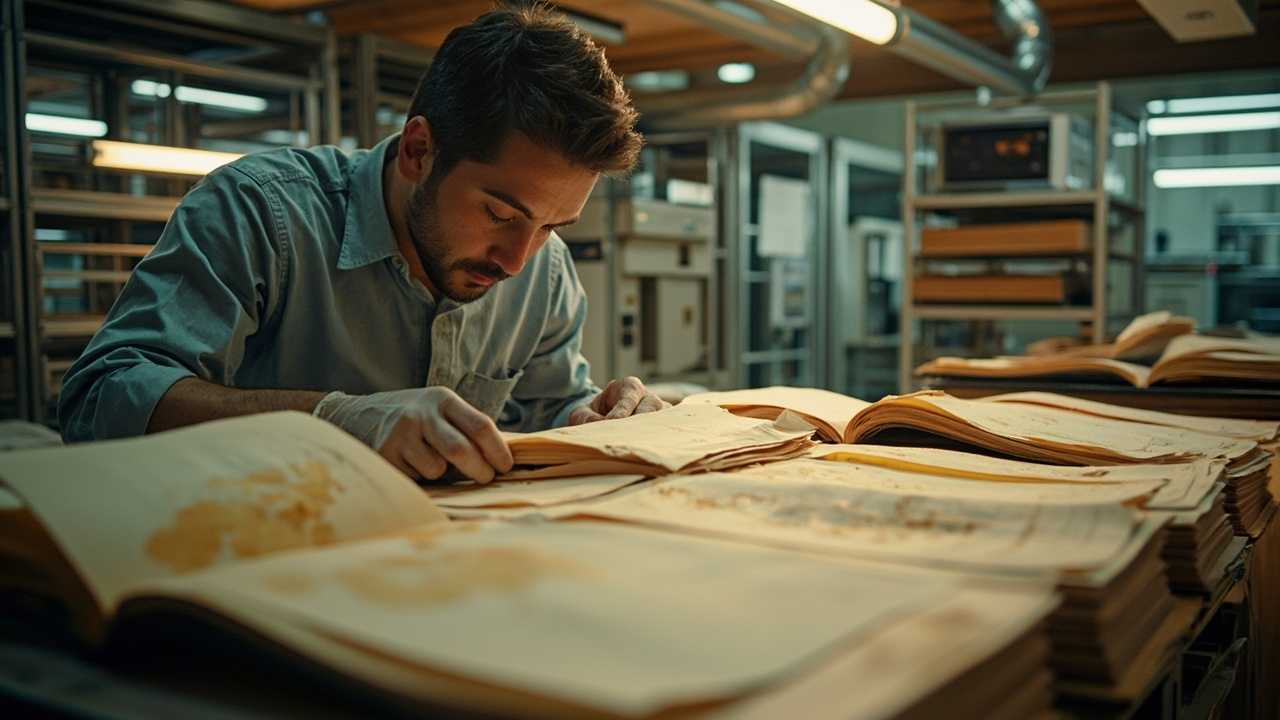
Our technicians photograph and catalog each document batch before beginning restoration work. This creates a digital backup and establishes chain of custody documentation required for legal and regulatory compliance. We separate materials by paper type, binding method, and contamination level, then apply appropriate cleaning protocols before drying begins.

Coated paper stocks require different handling than uncoated bond paper. Thermal paper from fax machines and receipts needs immediate freezing to prevent complete data loss. Photographs receive separate treatment to prevent emulsion damage. Microfilm and microfiche require inspection under magnification to assess damage before cleaning.

We coordinate with your IT department when electronic media gets wet. Hard drives, backup tapes, and optical discs often remain recoverable if handled correctly within the first 24 hours. Attempting to power on wet electronics destroys data permanently. Our protocols prioritize data recovery over equipment salvage.

What Happens During Emergency Document Recovery in Richmond

Document Drying & Restoration in Richmond – Protecting Critical Business Records with Industrial-Grade Recovery Systems
01

Immediate Stabilization Response

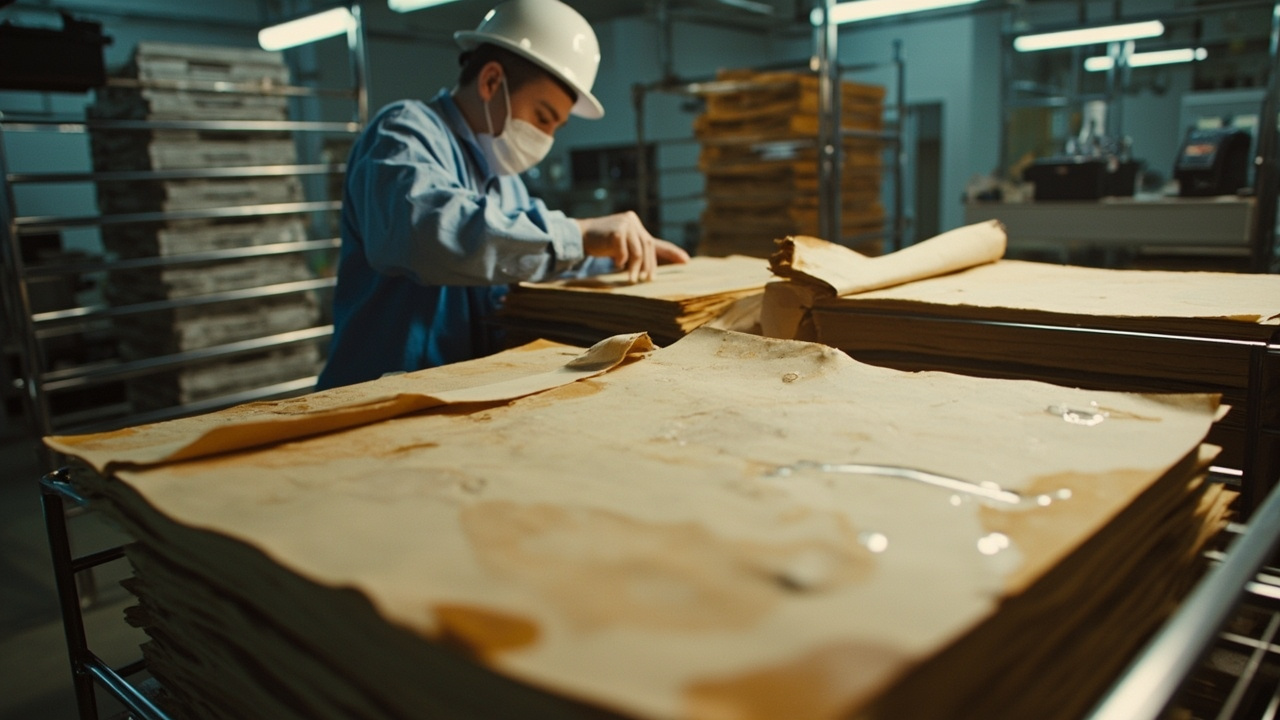
Our crew arrives within two hours of your call to assess damage extent and environmental conditions. We immediately pack out saturated documents using moisture-barrier materials and transport them to our climate-controlled facility. Speed matters because mold spores germinate within 48 hours at Richmond's typical humidity levels. We inventory each box and establish tracking protocols that maintain chain of custody for sensitive records throughout the restoration process.
02

Contamination Assessment and Cleaning

We test water contamination levels to determine appropriate cleaning protocols. Category 2 and 3 water containing sewage or chemical contaminants requires antimicrobial treatment before drying begins. Clean water from supply lines receives different handling than floodwater containing sediment. Our technicians remove surface contamination using specialized techniques that preserve ink and prevent further damage. We separate materials requiring different drying methods based on paper composition, binding type, and contamination severity.
03

Controlled Drying and Return

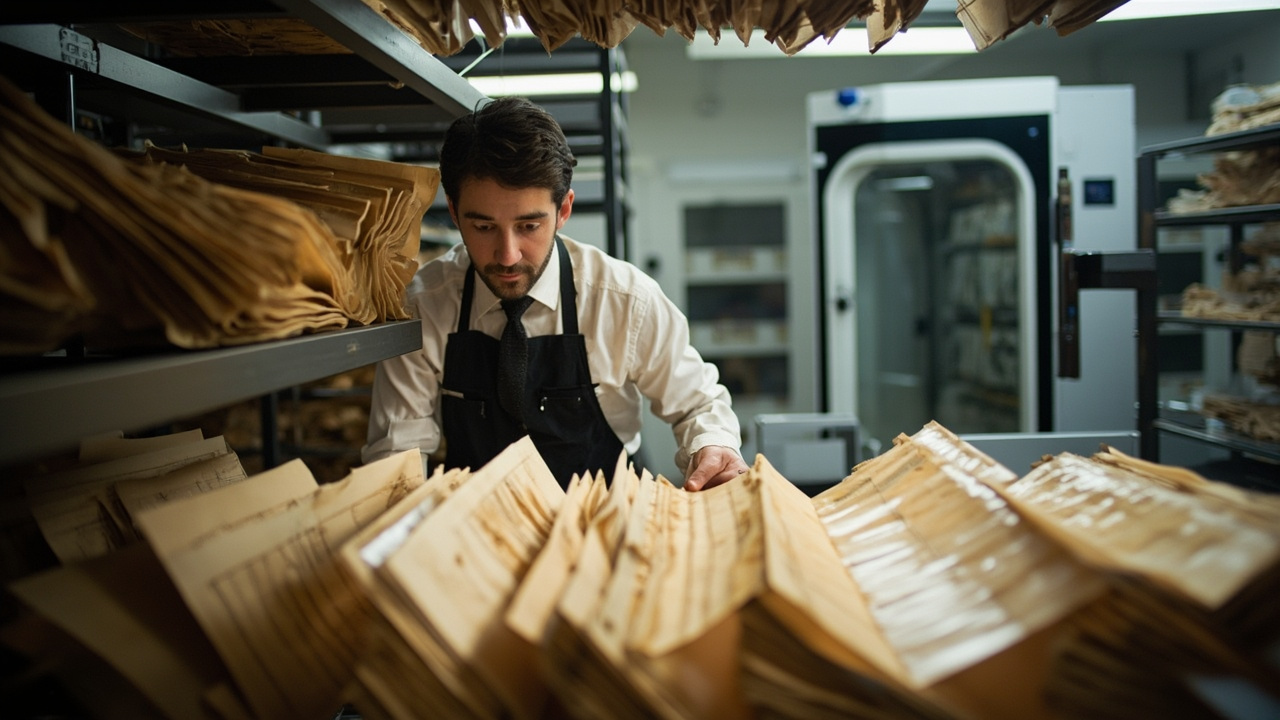
Documents enter vacuum freeze drying chambers or controlled air drying environments depending on restoration priority and material composition. We monitor moisture content using precision instruments until materials reach 8 to 10 percent moisture content, the optimal range for long-term stability. Once dry, we return documents in the same organizational structure we received them, with digital inventory records for your verification. Rush processing completes critical records within 72 hours for business continuity.

Why Richmond Businesses Choose Local Document Recovery Expertise

Horizon Water Damage Restoration Richmond maintains the specialized equipment required for professional document recovery within the metro area. Our vacuum freeze drying chambers and climate-controlled processing facility mean your records never leave the Richmond region, reducing transportation time and maintaining local oversight of sensitive materials. This matters when you need documents back in days, not weeks.

We understand the regulatory environment Richmond businesses operate within. Healthcare facilities in the VCU Medical Center corridor must comply with HIPAA documentation requirements. Law firms working with the federal courts at 701 East Broad Street face strict chain of custody standards. Financial institutions near the Federal Reserve Bank deal with examiner access requirements. Our protocols address these compliance concerns while restoring your operational capability.

Richmond's concentration of historical archives and museum collections requires specialized knowledge of document preservation techniques. We work with conservators familiar with 18th and 19th century paper stocks, iron gall inks, and period binding methods common in the Valentine Museum and Virginia Historical Society collections. This expertise translates to better outcomes for contemporary business records because we understand paper chemistry and aging characteristics at a granular level.

Our response time advantage comes from maintaining staff and equipment locally rather than dispatching crews from distant facilities. When water damage occurs at 3 AM on a Sunday, you need technicians who can arrive before sunrise, not afternoon. We maintain relationships with Richmond-area insurance adjusters and commercial property managers who understand the value of rapid document recovery. This local network accelerates claim processing and approval for emergency services.

The alternative to professional document recovery is recreating lost records from scratch or accepting permanent data loss. Neither option maintains business continuity or satisfies regulatory requirements.

What Your Business Can Expect from Professional Document Recovery Services

Emergency Response Timeframes

We dispatch crews within two hours of initial contact, seven days per week. Our technicians arrive with proper packing materials, moisture barriers, and transportation equipment to stabilize and remove saturated documents immediately. The first 24 hours determine whether records remain salvageable or progress to permanent loss. We prioritize materials based on your operational needs, processing critical documents first while stabilizing less urgent materials for standard recovery timelines. Most businesses receive initial document batches back within five to seven business days, with rush processing available for mission-critical records requiring 72-hour turnaround.

Initial Assessment Protocol

Our technicians conduct on-site evaluation to determine document quantity, contamination levels, and material types requiring recovery. We photograph damage conditions for insurance documentation and create detailed inventory lists before pack-out begins. This assessment identifies records requiring immediate freeze stabilization versus materials suitable for standard drying protocols. We classify water damage by category to determine appropriate antimicrobial treatment and establish cleaning protocols. You receive a written scope of work outlining restoration methods, expected timelines, and prioritization recommendations based on your business requirements before we begin processing.

Restoration Quality Standards

Our goal is maximum information recovery, not cosmetic perfection. Saturated documents will show some evidence of water exposure after restoration, but text remains legible and pages remain usable for their intended business purpose. Vacuum freeze drying produces the flattest, most usable results compared to air drying methods that cause severe warping. We cannot remove all staining from contaminated water, but we can arrest deterioration and prevent mold growth. Bound volumes may require rebinding if adhesives fail during the drying process. We coordinate with bookbinders for materials requiring this additional service.

Post-Recovery Support Services

Once we return your documents, we provide storage recommendations to prevent future damage and guidance on environmental controls that protect paper-based records. We offer scanning services for businesses choosing to digitize recovered documents as a backup strategy. Our technicians can consult on archive room improvements, humidity control systems, and leak detection equipment that reduce vulnerability to future water events. We maintain recovery records for insurance purposes and can provide supplemental documentation if your carrier requires additional information during the claims process. Follow-up consultations help you implement preventive measures.

Frequently Asked Questions

You Have Questions,
We Have Answers

How much does document restoration cost? +

Document restoration pricing depends on damage severity, document type, volume, and recovery method required. Commercial projects involving large volumes of business records, legal files, or contracts typically cost less per document than single items. Water damage treatment differs from mold remediation or fire recovery. Richmond businesses dealing with flood events or pipe bursts should expect project-based quotes that factor in environmental stabilization, freeze-drying cycles, and sanitization protocols. Most commercial restoration firms provide free assessments to evaluate scope and calculate ROI against replacement costs. Insurance often covers document recovery under commercial property policies when damage results from covered perils.

What is the best way to dry documents? +

Professional freeze-drying provides optimal results for commercial document recovery. This method stabilizes water-damaged paper through sublimation in controlled chambers, preventing ink bleed and mold growth that Richmond's humidity accelerates. Air drying works only for minimal moisture exposure and risks mildew in our climate. Vacuum thermal drying offers faster turnaround for urgent business records. Never use heat sources or fans on wet documents. Commercial operations should prioritize professional assessment within 24 hours of water contact. The method selection depends on paper type, ink composition, volume, and business continuity requirements. Speed matters less than preventing secondary damage.

Where can I get an old document restored? +

Professional document restoration providers serve Richmond businesses through specialized recovery facilities. Look for firms with controlled drying chambers, mold remediation capabilities, and experience handling commercial volumes. Verify they use freeze-drying or vacuum thermal systems rather than basic air drying. Richmond companies should prioritize local restoration specialists who understand regional humidity challenges and can respond quickly to water emergencies. Check for proper handling protocols for sensitive business records, legal documents, and historical materials. Many providers offer secure chain-of-custody documentation for compliance purposes. Request site assessments before committing to ensure adequate technology and capacity for your volume.

How to restore water damaged documents? +

Water damaged documents require immediate stabilization to prevent total loss. Remove standing water through gentle blotting with clean towels. Separate stuck pages only if they lift easily. Do not apply heat or attempt accelerated drying without professional equipment. Richmond's humidity requires rapid professional intervention to prevent mold colonization within 48 hours. Commercial restoration uses freeze-drying chambers that remove moisture through sublimation while maintaining document integrity. This prevents ink migration and paper degradation. For business-critical records, contact restoration specialists immediately. Document the damage for insurance claims. Professional recovery offers higher success rates than DIY methods and minimizes liability risks.

How to restore old paper documents? +

Old paper documents demand specialized handling due to degraded cellulose fibers and oxidized inks. Professional restoration begins with environmental stabilization in controlled humidity conditions. Richmond's climate accelerates deterioration, making prompt action necessary. Conservators assess paper acidity, binding integrity, and ink stability before selecting treatment methods. Techniques include deacidification, mending with archival materials, and protective encapsulation. For business archives or historical records, digitization provides backup while physical restoration proceeds. Avoid home remedies like ironing or lamination that cause irreversible damage. Commercial firms with conservation expertise deliver better outcomes than general restoration services. Proper storage after restoration prevents recurrence.

How much do restorers charge? +

Restoration pricing varies by project scope, damage type, and document volume. Commercial jobs typically range from per-document rates for small batches to per-box or per-pound pricing for large archives. Emergency response carries premium charges. Richmond providers factor in labor intensity, drying cycles required, and sanitization needs. Mold remediation adds costs beyond basic water damage treatment. Most firms charge consultation fees that apply toward project costs. Request detailed quotes covering stabilization, drying, cleaning, and final packaging. Insurance coverage often reduces out-of-pocket expenses for businesses. Comparing replacement costs against restoration fees helps justify the investment for irreplaceable records.

Can water damaged paper be restored? +

Yes, water damaged paper can often be restored if treated promptly. Success depends on water exposure duration, contamination level, and paper quality. Clean water causes less damage than sewage or chemical exposure. Richmond businesses must act within 24 to 48 hours before mold takes hold in our humid environment. Professional freeze-drying recovers most documents with minimal distortion. Coated papers and photographs require different protocols than standard office documents. Some ink types bleed irreversibly, limiting recovery options. Legal files, contracts, and business records usually restore well with professional treatment. Immediate professional assessment determines feasibility and prevents worsening damage through improper handling.

What is the best way to preserve old paper documents? +

Preserve old paper documents through controlled environmental conditions and proper storage materials. Maintain stable temperatures between 65 and 70 degrees with 35 to 45 percent relative humidity. Richmond's fluctuating climate requires dehumidification systems to prevent mold and brittleness. Use acid-free folders, boxes, and interleaving sheets. Avoid direct light exposure and store documents flat when possible. For business archives, digitization creates backups without handling risks. Keep originals away from water sources, pipes, and exterior walls prone to moisture intrusion. Regular inspections catch deterioration early. Commercial storage facilities with climate control offer better protection than standard office environments for valuable historical records.

What to do if a certificate got wet? +

Wet certificates require immediate action to prevent permanent damage. Place the certificate between clean, dry towels and apply gentle pressure to absorb moisture. Do not rub or apply heat. Change towels as they saturate. For valuable business licenses, professional certifications, or legal documents, professional restoration prevents ink bleeding and paper distortion. Richmond's humidity makes air drying risky without climate control. Professionals use freeze-drying to stabilize wet certificates while maintaining embossing and seal integrity. Document the damage for replacement applications if restoration proves impossible. Many issuing agencies provide certified copies, but original seals and signatures often hold legal significance requiring professional recovery attempts first.

How do I restore an original document? +

Original document restoration requires professional assessment to determine appropriate treatment. Begin with stabilization in controlled conditions to halt degradation. Richmond providers evaluate damage type, paper composition, ink stability, and historical value before proceeding. Water damage, mold, tears, or brittleness each demand specific protocols. Professional conservators use archival methods including cleaning, deacidification, mending, and protective encapsulation. For business records or legal documents, maintain chain-of-custody documentation throughout the process. Digitization should accompany physical restoration for backup purposes. Avoid amateur techniques that cause irreversible harm. Professional restoration preserves evidentiary value and legal standing while extending document lifespan for compliance and historical purposes.

How Richmond's James River Flood Risk Affects Commercial Document Storage

The James River has flooded Richmond 16 times since 1771, with modern events in 2004 and 2018 causing extensive commercial property damage in Shockoe Bottom and the Canal Walk business district. Buildings along East Cary Street and in the Tobacco Row development sit in FEMA flood zones where 100-year events reach first-floor elevations. Businesses storing records in basement archives or ground-floor file rooms face recurring vulnerability that requires rapid response capabilities when water enters buildings. The city's combined sewer system also creates backflow risk during heavy rain events common during hurricane season from August through October.

Richmond's concentration of legal, medical, and financial services creates document density that exceeds most mid-sized cities. The circuit court at 400 North Ninth Street, federal bankruptcy court, and numerous law firms generate paper records requiring long-term retention despite digitization efforts. Medical practices affiliated with VCU Health System maintain patient files spanning decades. CPA firms and financial advisors keep client records for regulatory compliance periods extending seven years or more. This means Richmond businesses maintain larger paper archives than national averages suggest, increasing exposure when water damage occurs.

Water Damage Restoration Services in The Richmond Area

Horizon Water Damage Restoration proudly serves the greater Richmond area and surrounding communities. Our strategic location allows us to respond quickly and efficiently to your water damage emergencies, no matter where you are. We are committed to being a local, reliable presence for our neighbors. View our service area on the map below to see how we can reach you and provide the swift, expert service you need.

Address:
Horizon Water Damage Restoration Richmond, 1840 W Broad St, Richmond, VA, 23220

Additional Services We Offer

Our news updates

Latest Articles & News from The Blogs

Does Your Richmond Crawl Space Need Encapsulation to Prevent Wood Rot? Richmond’s humid summers and heavy clay soil create a…

Does Your Richmond Crawl Space Need Encapsulation to Prevent Wood Rot?

Does Your Richmond Crawl Space Need Encapsulation to Prevent Wood Rot? Richmond’s humid summers and heavy clay soil create a…

Identifying Slow Leaks in Flat Roofs Common Around Sandston

Identifying Slow Leaks in Flat Roofs Common Around Sandston Flat roofs in Sandston often develop slow leaks that property owners…

Simple Ways to Redirect Rainwater Away from Your Stratford Hills Foundation

Simple Ways to Redirect Rainwater Away from Your Stratford Hills Foundation Water pooling near your foundation in Stratford Hills can…

Contact Us

Water damage to critical documents requires immediate professional intervention. Call Horizon Water Damage Restoration Richmond at (804) 602-2644 now for emergency document recovery services. Our crews respond within two hours with specialized equipment and vacuum freeze drying capabilities that preserve your irreplaceable business records.