





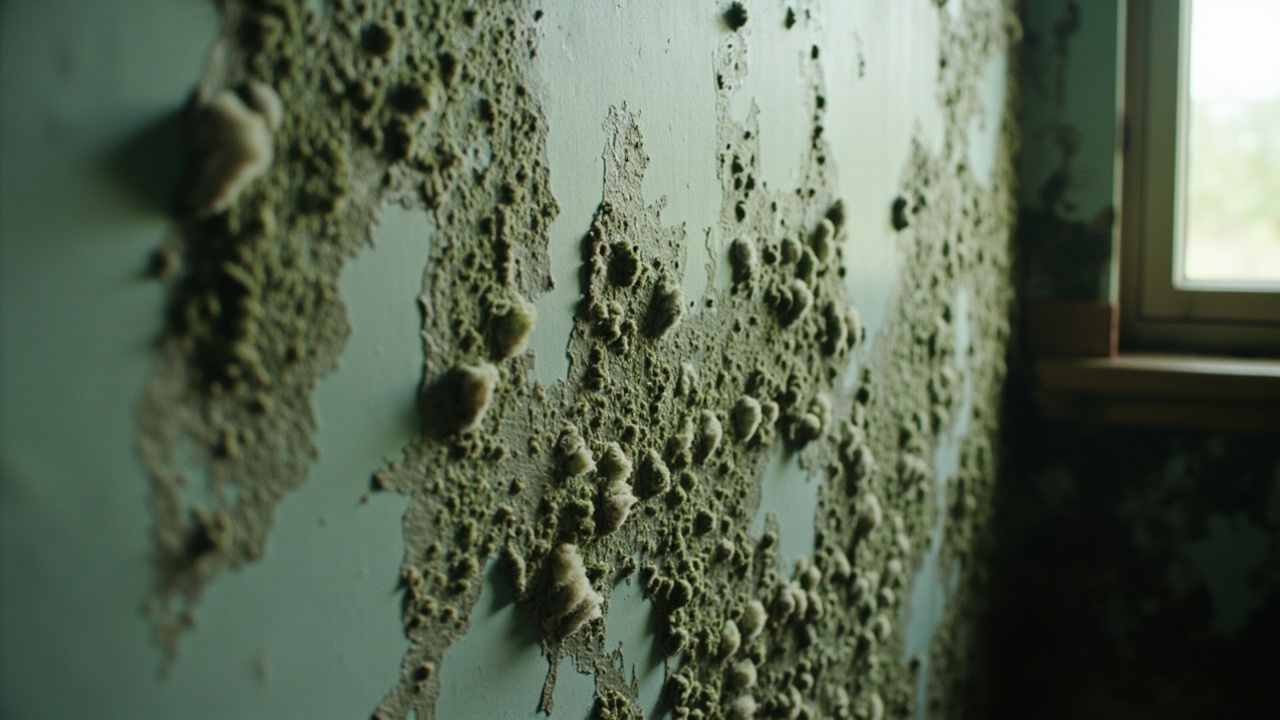
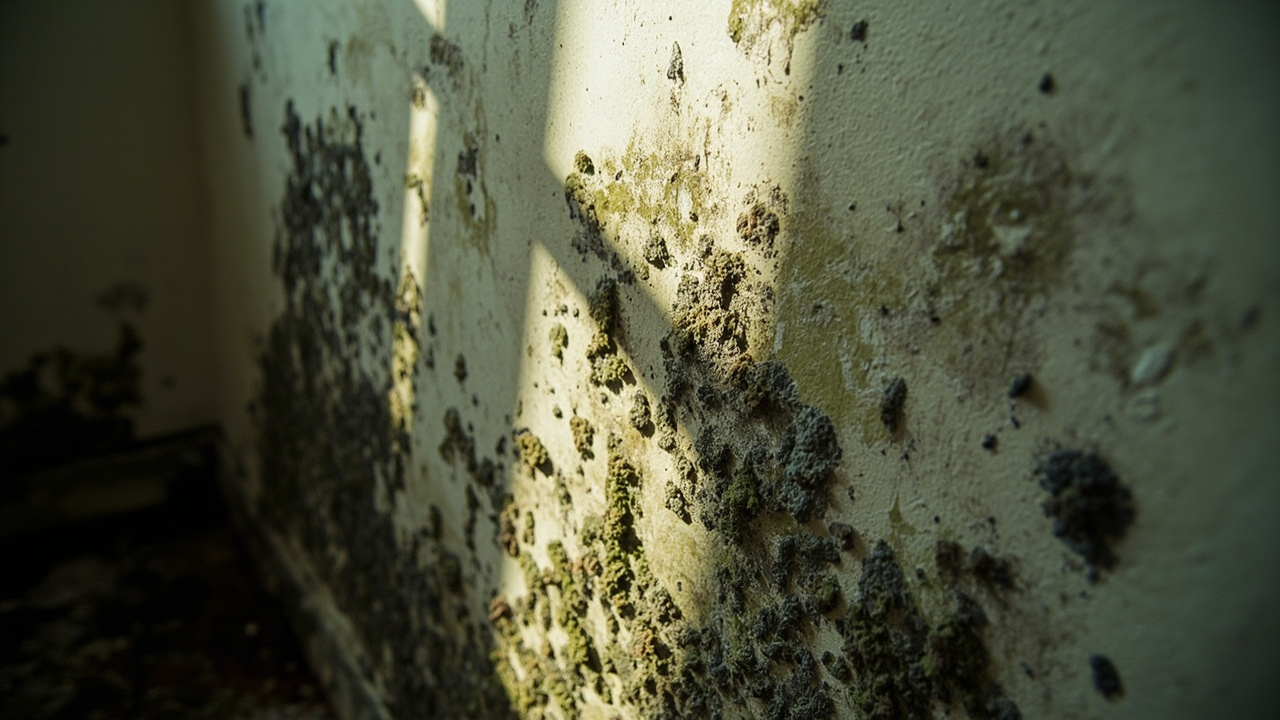
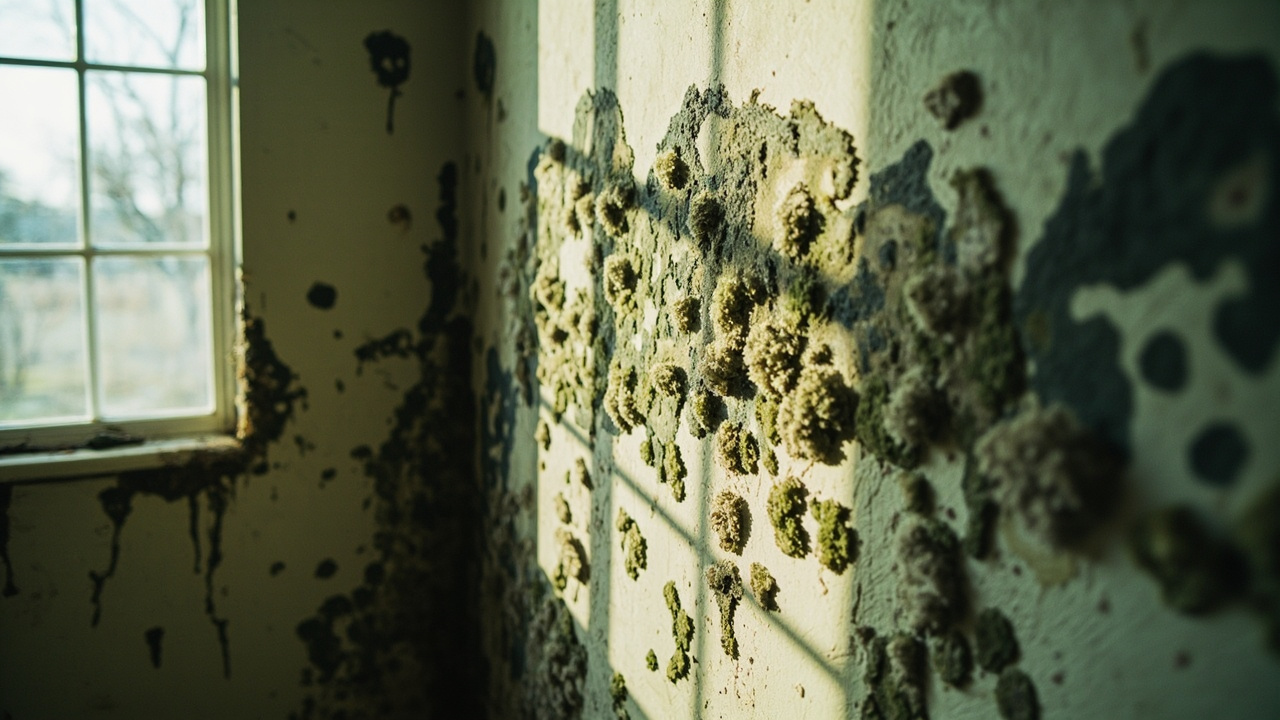
Richmond sits at the fall line of the James River, where the Piedmont plateau meets the Coastal Plain. This geography creates persistent humidity challenges. Morning fog is common in riverside neighborhoods like Shockoe Bottom and Rocketts Landing. Homes near Bryan Park and along the Northside experience higher baseline humidity due to tree canopy density and limited air circulation. The combination of river moisture, dense vegetation, and clay soil that retains water creates conditions where visible mildew on painted walls develops faster than in drier climates. Basements in Church Hill and Oregon Hill frequently show fungal growth on wall surfaces due to groundwater seepage through aging foundations. Understanding these location-specific moisture patterns allows proper diagnosis of why black mold spots on drywall appear and how to prevent recurrence through targeted moisture control strategies.
Richmond's Historic Districts require special consideration during mold remediation. Properties in the Fan, Museum District, and Jackson Ward often need approval for exterior work affecting the building envelope. We work within these guidelines while ensuring proper moisture management. Our familiarity with Richmond's predominant architectural styles means we understand where water intrusion typically occurs in different building types. Victorian-era homes have different vulnerable points than mid-century ranches in the West End. This local expertise prevents trial-and-error approaches that waste time and money. We know which Richmond neighborhoods experience chronic foundation settlement, where roof designs commonly fail, and how local construction practices from different eras affect mold susceptibility. This knowledge base comes from years of remediation work throughout the metro area, not from a generic training manual.


