






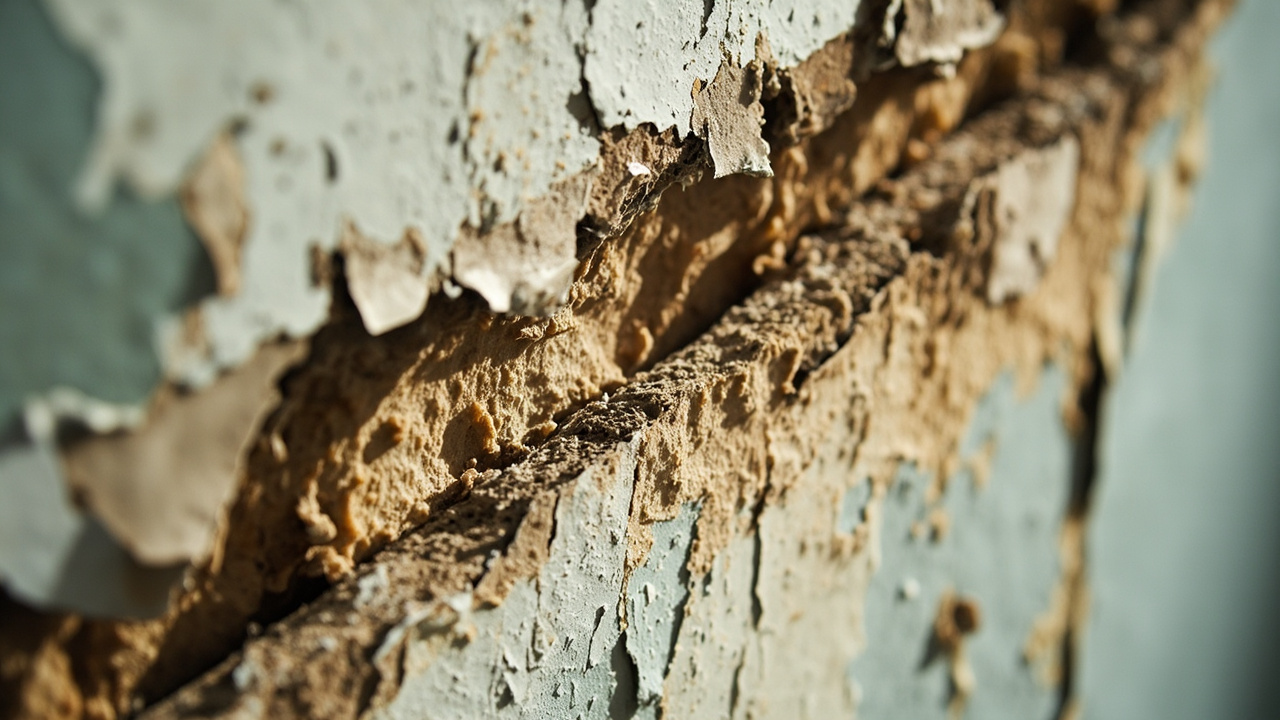

Richmond sits on expansive clay soil that absorbs water during rain and contracts during drought. This cycle creates hydrostatic pressure against foundation walls, forcing groundwater through concrete pores and mortar joints. When this moisture reaches interior wall cavities, it wicks upward through capillary action. Combined with summer humidity that regularly exceeds 70 percent, the moisture cannot evaporate quickly enough. The result is persistent dampness behind walls that eventually breaks down paint adhesion and wallpaper bonding. Homes in low-lying areas near the James River or Shockoe Bottom face amplified risk during seasonal flooding events.
Richmond building codes have evolved significantly over the past 40 years regarding moisture barriers and vapor retarders. Many historic properties in the Fan District, Church Hill, and Oregon Hill were built before these requirements existed. Local water damage professionals understand these construction differences and adjust their mitigation strategies accordingly. We work regularly with the City of Richmond's building inspection department and understand permit requirements for wall reconstruction. This local expertise prevents project delays and ensures all repairs meet current code standards while respecting historic preservation guidelines where applicable.


