




Short Pump sits in central Virginia where humidity stays high from May through September, creating perfect conditions for mold growth after water intrusions. The area's clay-heavy soil drains poorly, which means basement flooding during heavy rain events affects properties from Wyndham to Twin Hickory. When tropical systems push moisture up from the coast, Short Pump homes near Swift Creek and Deep Run take the brunt of flash flooding.
The region's mix of newer construction around West Broad Village and older homes near Three Chopt Road means water damage presents differently across neighborhoods. Newer builds with complex HVAC systems face condensate line failures and supply line bursts behind finished walls. Older properties deal with cast iron pipe corrosion, roof leaks from aging materials, and groundwater seepage through foundation walls. Winter freeze-thaw cycles cause pipe bursts when temperatures drop below 32 degrees, particularly in crawl spaces and exterior walls facing north. Short Pump's proximity to the James River watershed means water table fluctuations affect basement moisture levels year-round, requiring vapor barriers and proper grading to prevent chronic dampness.
Horizon Water Damage Restoration Richmond operates with IICRC-certified technicians who understand how water behaves in Short Pump's specific building conditions. We maintain equipment staging near West Broad Street for rapid deployment across Henrico County, which means our trucks arrive faster than regional competitors dispatching from outside the metro area. Our technicians know the difference between water damage in a slab-on-grade home near Reynolds Crossing versus a property with a basement in Wellesley versus crawl space construction common in Grey Oaks.
We work directly with every major insurance carrier serving Short Pump and document losses using Xactimate software that adjusters recognize and accept. This prevents the claim disputes and underpayments that happen when restoration companies submit incomplete documentation. Our thermal imaging cameras detect hidden moisture in wall cavities and ceiling assemblies that moisture meters alone miss, which prevents callback failures where mold appears weeks after a homeowner thought the property was dry.
Horizon maintains relationships with local plumbers, electricians, and general contractors for coordinated repairs after water extraction and structural drying complete. We understand Short Pump homeowners need their properties restored to pre-loss condition, not just dried out and abandoned. Our project managers coordinate the entire restoration from emergency water removal through final paint and flooring, so you work with one company instead of juggling multiple contractors while dealing with your insurance claim.

We dispatch trucks from our West Broad Street staging area within minutes of your call. Our technicians arrive at Short Pump properties in under an hour with truck-mounted extraction units and enough equipment to handle residential and commercial losses without waiting for additional resources.

Every technician holds Water Restoration Technician certification from the Institute of Inspection, Cleaning and Restoration Certification. We follow ANSI-approved S500 drying standards, which means your property gets dried according to science-based protocols that insurance companies and building officials recognize as proper remediation.
We work directly with your insurance carrier and submit documentation in the format adjusters require. Our estimates use Xactimate pricing, which matches what insurance companies pay for water damage restoration in Henrico County. This prevents disputes over costs and speeds up claim approval so restoration work proceeds without payment delays.
We coordinate all repair trades needed after drying completes, including plumbers for repiping, electricians for fixture replacement, and contractors for drywall and flooring. You work with one project manager from water extraction through final restoration instead of managing multiple contractors while navigating your insurance claim.
Water damage restoration requires different approaches depending on the source, category, and extent of water intrusion. Clean water from a supply line burst demands different protocols than contaminated water from a sewage backup or flood event. Horizon Water Damage Restoration Richmond provides complete water damage mitigation for Short Pump properties, from immediate water extraction through structural drying and final restoration.
Our services cover emergency water removal, structural drying and dehumidification, mold remediation when microbial growth appears, contents pack-out and storage, and complete reconstruction after drying completes. We handle single-room incidents like bathroom supply line failures and whole-house losses from major pipe bursts or storm flooding. Our truck-mounted extraction equipment removes hundreds of gallons per hour, while commercial dehumidifiers and air movers create the airflow needed to dry structural assemblies before mold colonization begins. We separate water damage remediation into three distinct service categories based on how water enters your property and what restoration protocols apply.
Emergency water extraction addresses active water intrusions where standing water covers floors or groundwater seeps through foundation walls. Our truck-mounted extractors remove water faster than portable units, which limits damage to flooring, baseboards, and wall assemblies. We extract water from carpets, padding, hardwood floors, and concrete slabs, then remove unsalvageable materials like soaked drywall and insulation. Infrared cameras identify water migration into wall cavities and ceiling assemblies that visual inspection misses.
Structural drying uses commercial dehumidifiers and air movers to remove moisture from wood framing, subfloors, drywall, and concrete. We monitor moisture levels daily using moisture meters and thermo-hygrometers, adjusting equipment placement until materials reach dry standards. This prevents mold growth, wood rot, and structural failure that happens when materials stay damp. Drying typically takes three to seven days depending on materials affected and environmental conditions. We document the entire drying process for insurance verification.
Mold remediation becomes necessary when water damage goes untreated for more than 48 hours or when contaminated water introduces mold spores into building materials. We contain affected areas using negative air pressure, remove colonized materials that cannot be cleaned, apply antimicrobial treatments to structural surfaces, and HEPA vacuum all surfaces before restoration begins. Our technicians follow IICRC S520 mold remediation standards, which insurance companies and building officials recognize as proper protocol for microbial contamination.
Short Pump's climate and construction characteristics create specific water damage vulnerabilities that affect properties throughout Henrico County. High humidity from May through September means any water intrusion can develop mold growth within 48 hours if extraction and drying don't begin immediately. The area's clay soil drains poorly, causing basement seepage and foundation moisture problems during prolonged rain events. Winter temperature swings cause pipe bursts when freeze-thaw cycles stress supply lines in crawl spaces and exterior walls.
Properties near Swift Creek and areas with high water tables face seasonal flooding risks when tropical systems bring heavy rainfall. Homes with finished basements in developments like Wyndham and Wellesley experience particularly severe losses when groundwater overwhelms foundation drainage systems. The combination of aging infrastructure in older neighborhoods and complex mechanical systems in newer construction means water damage can originate from multiple sources requiring different remediation approaches.
Clay soil throughout Short Pump drains slowly, causing water to pool around foundations during heavy rain. Basement flooding damages finished living spaces, ruins stored belongings, and creates mold problems in wall cavities. Properties near Swift Creek face additional flood risk when prolonged rainfall overwhelms natural drainage channels and water tables rise above basement floor elevation.
Supply lines serving bathrooms and kitchens fail without warning, releasing pressurized water into wall cavities and ceiling assemblies. Water spreads through building materials before homeowners notice visible damage, soaking insulation and drywall throughout multiple rooms. These hidden leaks cause extensive damage requiring wall removal, structural drying, and complete reconstruction once water migration stops.
Air conditioning systems throughout Short Pump produce gallons of condensate daily during humid summer months. Clogged drain lines cause water to overflow from drip pans into ceilings, walls, and living spaces. These slow leaks often go unnoticed until mold appears or ceilings collapse, requiring remediation for both water damage and microbial contamination in affected building materials.
Rubber washing machine hoses deteriorate over time and burst without warning, releasing 10 gallons per minute into laundry rooms and adjacent spaces. Water flows through flooring into lower levels, damages cabinets and baseboards, and saturates subfloor materials. Second-floor laundry rooms create particularly severe damage when water pours through ceiling assemblies into living spaces and causes multiple-room losses.
Water damage restoration follows specific protocols that protect your property and ensure proper documentation for insurance claims. When you call Horizon Water Damage Restoration Richmond, we dispatch technicians immediately while gathering information about your loss. Our response follows IICRC standards for water damage restoration, which means we follow science-based procedures that insurance companies recognize as proper remediation.
You work with the same project manager from initial response through final restoration, eliminating confusion about who handles different aspects of your loss. We communicate daily about drying progress, equipment adjustments, and timeline expectations so you understand what happens at each phase. Our goal is stopping damage progression immediately, then restoring your property to pre-loss condition while making the insurance claim process as simple as possible.
Our technicians arrive within 60 minutes with extraction equipment and moisture detection tools. We assess the source of water intrusion, identify all affected materials, and document damage using photos and moisture readings. You receive a detailed scope of work that explains what materials need extraction, drying, or removal. We contact your insurance company immediately to report the claim and confirm coverage while our team begins emergency water removal to stop damage progression.
Truck-mounted extractors remove standing water from all affected surfaces within hours of arrival. We place commercial dehumidifiers and air movers throughout the affected area to begin structural drying immediately. Our technicians monitor moisture levels daily using meters and thermal imaging, adjusting equipment placement until all materials reach dry standards. This typically takes three to seven days depending on the extent of saturation and materials involved. We document the entire drying process with daily logs and photos for insurance verification.
Once drying completes and moisture levels reach acceptable standards, we coordinate all reconstruction needed to restore your property to pre-loss condition. This includes drywall replacement, painting, flooring installation, and fixture reinstallation. You receive a final walkthrough where we verify that all work meets your approval before project closeout. We maintain detailed documentation of the entire restoration process, which protects you if insurance questions arise after claim settlement.
Water damage restoration follows a structured approach that stops damage immediately, removes moisture completely, and restores your property to pre-loss condition. Our process ensures nothing gets missed and insurance documentation stays complete throughout remediation.
Call our emergency line at (804) 602-2644 any time, day or night. We gather essential information about your water damage while dispatching technicians from our West Broad Street staging area. Our trucks carry complete extraction and drying equipment, so we handle most residential losses without waiting for additional resources. We typically arrive at Short Pump properties within 60 minutes of your call with everything needed to stop water damage progression immediately.
Our technicians extract standing water using truck-mounted equipment, remove unsalvageable materials like soaked padding and insulation, then place commercial dehumidifiers and air movers throughout affected areas. We take moisture readings in all structural materials and document damage with photos and detailed notes for insurance purposes. Drying equipment runs continuously for three to seven days while technicians monitor progress daily and adjust placement to ensure complete moisture removal from all building materials.
Once moisture levels reach dry standards, we coordinate all reconstruction needed to restore your property. This includes drywall replacement, painting, flooring installation, cabinet work, and fixture reinstallation. Our project manager oversees all trades and maintains communication with your insurance adjuster to ensure claim approval for all necessary repairs. You receive a final walkthrough to verify all work meets your satisfaction before we consider the project complete.
Water damage restoration follows ANSI/IICRC S500 standards, which classify water intrusions by contamination level and establish drying protocols based on materials affected and environmental conditions. Category 1 water originates from sanitary sources like supply lines and is initially clean, though it can degrade to Category 2 if it contacts building materials or remains untreated for extended periods. Category 2 contains contamination that may cause discomfort or sickness if contacted, such as washing machine discharge or toilet overflow with urine but no feces. Category 3 water is grossly contaminated and originates from sewage, flooding from rivers or streams, or any water that has contacted soil or waste materials.
Proper structural drying requires maintaining specific vapor pressure differentials between wet materials and surrounding air. We use commercial dehumidifiers rated by pints of moisture removal per day at AHAM conditions to lower relative humidity below 50 percent, which creates the gradient needed to pull moisture from structural materials. Air movers create airflow across wet surfaces at 300 to 400 feet per minute, which accelerates evaporation by continuously replacing saturated air with drier air. Moisture meters measure material moisture content, while thermo-hygrometers monitor temperature and relative humidity to verify drying conditions remain within acceptable parameters.
Hardwood flooring requires specific drying techniques depending on installation method and wood species. Nail-down flooring can be dried in place if water exposure remains under 48 hours and no cupping exceeds 2mm. Engineered flooring with thin wear layers often requires replacement because sanding to remove cupping eliminates the entire wear layer. Laminate flooring always requires replacement after saturation because the MDF core swells and cannot return to original dimensions. We document moisture levels in flooring daily to verify that drying progresses according to S500 standards and track all readings for insurance verification.
The S500 standard establishes drying goals based on material type and equilibrium moisture content. Wood framing must reach 15 percent moisture content or less. Concrete slabs require moisture vapor emission rates below 3 pounds per 1000 square feet per 24 hours before installing flooring. We follow these standards to prevent callbacks from inadequate drying that allows mold growth or flooring failures after restoration completes.
Water damage restoration costs depend on water volume, category of contamination, materials affected, and drying duration. Category 3 sewage requires complete removal of porous materials like drywall and insulation, which increases costs compared to clean water extraction and drying. Hardwood flooring salvage attempts add time and equipment costs. Most insurance policies cover sudden and accidental water damage, though coverage limits vary by policy type and endorsements.
Structural drying takes three to seven days under optimal conditions with proper equipment placement and environmental controls. Dense materials like plaster walls and concrete require longer drying than gypsum drywall and wood framing. High humidity and low temperatures extend drying duration because evaporation rates decrease. We monitor progress daily and adjust timelines based on actual moisture readings, not arbitrary schedules that risk inadequate drying.
Virginia follows the International Residential Code, which requires vapor retarders in crawl spaces and proper grading to direct water away from foundations. Henrico County enforces specific flood elevation requirements for properties in Special Flood Hazard Areas. Any reconstruction after water damage must meet current code, even if original construction predates current standards. We coordinate all required inspections and ensure work complies with local building officials.
Educational video about water damage restoration procedures for Short Pump, Virginia homeowners. Covers emergency water extraction, structural drying timelines, IICRC S500 standards, water damage categories, insurance claim documentation, and common causes of residential water damage including basement flooding, supply line failures, HVAC condensate problems, and appliance malfunctions. Explains why Short Pump's humid climate and clay soil create specific water damage risks requiring professional remediation to prevent mold growth and structural damage.
Horizon Water Damage Restoration Richmond serves all of Short Pump and surrounding communities throughout western Henrico County. Our trucks reach properties in Wyndham within minutes, where newer construction and complex HVAC systems create unique water damage risks from condensate line failures and supply line bursts in finished spaces. We respond to water emergencies throughout Wellesley and Grey Oaks, where homes with basements and crawl spaces face different moisture challenges depending on foundation design and lot grading. The Twin Hickory area sees frequent service calls for washing machine overflows and water heater failures in second-floor utility rooms that cause multi-level damage.
Properties near West Broad Village and Reynolds Crossing benefit from our staging location's proximity, which cuts response times during active flooding events when every minute counts. We serve the Three Chopt corridor where older homes face water damage from aging supply lines, roof leaks, and foundation seepage that newer construction avoids through modern materials and building techniques. The Innsbrook area includes both residential and commercial properties requiring water damage restoration, from office building pipe bursts to apartment complex flooding affecting multiple units.
Our service area extends throughout Henrico County to Glen Allen, where properties near major highways face storm water management challenges during heavy rainfall. We respond to Tuckahoe and the western reaches of Richmond where water damage patterns reflect the mix of construction styles and ages throughout the region. Short Pump's position along the I-64 corridor means we coordinate with insurance adjusters serving the entire Richmond metro area, and our familiarity with local claim processing speeds up approvals and payment for restoration work.
Water damage varies significantly across Short Pump based on topography and construction characteristics. Properties in low-lying areas near creek systems face flood risks that hilltop locations avoid, but elevated properties deal with roof leak challenges and complex water migration patterns when upper-level failures send water through multiple floors. Our technicians understand these geographic differences and adjust restoration approaches based on each property's specific vulnerability profile and damage patterns.
Water damage restoration in Short Pump typically takes 3 to 7 days for most residential projects. The timeline depends on the extent of damage, affected materials, and water category. A small bathroom leak takes 2 to 3 days, while extensive flooding affecting multiple rooms needs 5 to 10 days. Drying alone requires 3 to 5 days under normal conditions. Structural repairs add extra time. Your restoration team assesses your specific situation on day one and provides a clear timeline based on moisture readings and damage severity.
Water damage restoration pricing in Short Pump varies based on several factors. The extent of damage, water source type, affected square footage, and required services all influence your investment. A small leak affecting one room differs significantly from whole-home flooding. Your restoration company provides a detailed estimate after inspecting your property and measuring moisture levels. Most homeowners insurance policies cover sudden and accidental water damage, which reduces your out-of-pocket expenses. Request a free inspection to get accurate pricing for your specific situation.
Most Short Pump homeowners insurance policies cover sudden and accidental water damage. Burst pipes, appliance malfunctions, and storm damage typically qualify for coverage. Your policy excludes gradual damage from neglect or poor maintenance. Flood damage requires separate flood insurance through NFIP or private carriers. Contact your insurance agent immediately after discovering water damage. Your restoration company works directly with insurance adjusters, documents damage with photos and moisture readings, and helps streamline your claim process to maximize your coverage benefits.
Water damage restoration in Short Pump typically takes 3 to 7 days for most residential projects. The timeline depends on the extent of damage, affected materials, and water category. A small bathroom leak takes 2 to 3 days, while extensive flooding affecting multiple rooms needs 5 to 10 days. Drying alone requires 3 to 5 days under normal conditions. Structural repairs add extra time. Your restoration team assesses your specific situation on day one and provides a clear timeline based on moisture readings and damage severity.
Water damage restoration pricing in Short Pump varies based on several factors. The extent of damage, water source type, affected square footage, and required services all influence your investment. A small leak affecting one room differs significantly from whole-home flooding. Your restoration company provides a detailed estimate after inspecting your property and measuring moisture levels. Most homeowners insurance policies cover sudden and accidental water damage, which reduces your out-of-pocket expenses. Request a free inspection to get accurate pricing for your specific situation.
Most Short Pump homeowners insurance policies cover sudden and accidental water damage. Burst pipes, appliance malfunctions, and storm damage typically qualify for coverage. Your policy excludes gradual damage from neglect or poor maintenance. Flood damage requires separate flood insurance through NFIP or private carriers. Contact your insurance agent immediately after discovering water damage. Your restoration company works directly with insurance adjusters, documents damage with photos and moisture readings, and helps streamline your claim process to maximize your coverage benefits.
Professional water damage restoration companies in Short Pump offer 24/7 emergency response. Most teams arrive at your property within 60 to 90 minutes of your call. Quick response matters because water damage worsens every hour. Mold growth begins within 24 to 48 hours of water exposure. Immediate extraction prevents secondary damage to floors, walls, and belongings. Emergency services include water removal, temporary repairs, and initial drying setup. Your restoration team prioritizes urgent situations like active flooding, sewage backups, and storm damage.
Hidden water damage in Short Pump homes shows specific warning signs. Look for musty odors, discolored patches on walls or ceilings, and peeling paint or wallpaper. Warped flooring, soft spots in walls, and unexplained increases in water bills indicate hidden leaks. You might notice condensation on windows or walls. Check for mold growth in corners, under sinks, and around fixtures. Water stains on ceilings point to roof leaks or plumbing issues above. Professional moisture detection equipment finds hidden water your eyes miss.
Staying in your Short Pump home during restoration depends on damage severity and affected areas. Minor water damage confined to one room allows you to remain home. Extensive flooding, sewage backups, or whole-home damage requires temporary relocation for safety. Active drying equipment creates noise and limits room access. Mold contamination or structural concerns make your home unsafe until remediation completes. Your restoration team assesses habitability during the initial inspection and recommends the safest option. Most projects allow partial occupancy with restricted access to work zones.
Preventing mold after water damage in Short Pump requires fast action and thorough drying. Remove standing water within 24 hours using professional extraction equipment. Reduce indoor humidity below 50 percent with commercial dehumidifiers. Air movers increase circulation and speed evaporation from wet materials. Remove porous materials like carpet padding and drywall if they stay wet beyond 48 hours. Apply antimicrobial treatments to affected surfaces. Monitor moisture levels daily with specialized meters until readings return to normal. Complete drying typically takes 3 to 5 days.
Water damage restoration in Short Pump uses specialized professional equipment. Truck-mounted and portable extraction units remove standing water quickly. Commercial-grade dehumidifiers pull moisture from air and materials. High-velocity air movers create airflow across wet surfaces to speed drying. Moisture meters and thermal imaging cameras detect hidden water in walls and floors. HEPA air scrubbers remove contaminants and odors. Injectidry systems dry hardwood floors and wall cavities without demolition. Professional equipment works faster and more effectively than consumer-grade alternatives, reducing drying time and preventing secondary damage.
Small leaks in your Short Pump home need professional attention even if damage looks minor. Water travels through walls, floors, and ceilings to areas you cannot see. A small visible leak often indicates larger hidden damage. Untreated leaks cause mold growth, structural weakening, and wood rot over time. Professional moisture detection finds the full extent of damage. Quick treatment for small leaks prevents expensive repairs later. Your restoration team extracts water, dries affected materials, and confirms complete drying with moisture readings. Address small leaks immediately to protect your home.
Short Pump experiences humid summers with 70 to 80 percent outdoor humidity, which slows indoor drying during water damage restoration. High humidity means air holds more moisture, reducing evaporation rates from wet materials. Your restoration team compensates by using more dehumidifiers and adjusting equipment placement. Summer restoration takes 1 to 2 days longer than winter projects. Winter's lower humidity speeds drying but heating costs increase. Professional equipment maintains optimal drying conditions regardless of outdoor weather. Your restoration company monitors indoor humidity continuously and adjusts equipment to maintain efficient drying.
Professional water damage restoration companies in Short Pump offer 24/7 emergency response. Most teams arrive at your property within 60 to 90 minutes of your call. Quick response matters because water damage worsens every hour. Mold growth begins within 24 to 48 hours of water exposure. Immediate extraction prevents secondary damage to floors, walls, and belongings. Emergency services include water removal, temporary repairs, and initial drying setup. Your restoration team prioritizes urgent situations like active flooding, sewage backups, and storm damage.
Hidden water damage in Short Pump homes shows specific warning signs. Look for musty odors, discolored patches on walls or ceilings, and peeling paint or wallpaper. Warped flooring, soft spots in walls, and unexplained increases in water bills indicate hidden leaks. You might notice condensation on windows or walls. Check for mold growth in corners, under sinks, and around fixtures. Water stains on ceilings point to roof leaks or plumbing issues above. Professional moisture detection equipment finds hidden water your eyes miss.
Staying in your Short Pump home during restoration depends on damage severity and affected areas. Minor water damage confined to one room allows you to remain home. Extensive flooding, sewage backups, or whole-home damage requires temporary relocation for safety. Active drying equipment creates noise and limits room access. Mold contamination or structural concerns make your home unsafe until remediation completes. Your restoration team assesses habitability during the initial inspection and recommends the safest option. Most projects allow partial occupancy with restricted access to work zones.
Preventing mold after water damage in Short Pump requires fast action and thorough drying. Remove standing water within 24 hours using professional extraction equipment. Reduce indoor humidity below 50 percent with commercial dehumidifiers. Air movers increase circulation and speed evaporation from wet materials. Remove porous materials like carpet padding and drywall if they stay wet beyond 48 hours. Apply antimicrobial treatments to affected surfaces. Monitor moisture levels daily with specialized meters until readings return to normal. Complete drying typically takes 3 to 5 days.
Water damage restoration in Short Pump uses specialized professional equipment. Truck-mounted and portable extraction units remove standing water quickly. Commercial-grade dehumidifiers pull moisture from air and materials. High-velocity air movers create airflow across wet surfaces to speed drying. Moisture meters and thermal imaging cameras detect hidden water in walls and floors. HEPA air scrubbers remove contaminants and odors. Injectidry systems dry hardwood floors and wall cavities without demolition. Professional equipment works faster and more effectively than consumer-grade alternatives, reducing drying time and preventing secondary damage.
Small leaks in your Short Pump home need professional attention even if damage looks minor. Water travels through walls, floors, and ceilings to areas you cannot see. A small visible leak often indicates larger hidden damage. Untreated leaks cause mold growth, structural weakening, and wood rot over time. Professional moisture detection finds the full extent of damage. Quick treatment for small leaks prevents expensive repairs later. Your restoration team extracts water, dries affected materials, and confirms complete drying with moisture readings. Address small leaks immediately to protect your home.
Short Pump experiences humid summers with 70 to 80 percent outdoor humidity, which slows indoor drying during water damage restoration. High humidity means air holds more moisture, reducing evaporation rates from wet materials. Your restoration team compensates by using more dehumidifiers and adjusting equipment placement. Summer restoration takes 1 to 2 days longer than winter projects. Winter's lower humidity speeds drying but heating costs increase. Professional equipment maintains optimal drying conditions regardless of outdoor weather. Your restoration company monitors indoor humidity continuously and adjusts equipment to maintain efficient drying.
Horizon Water Damage Restoration proudly serves the greater Richmond area and surrounding communities. Our strategic location allows us to respond quickly and efficiently to your water damage emergencies, no matter where you are. We are committed to being a local, reliable presence for our neighbors. View our service area on the map below to see how we can reach you and provide the swift, expert service you need.
Address:
Short Pump, VA, 23233
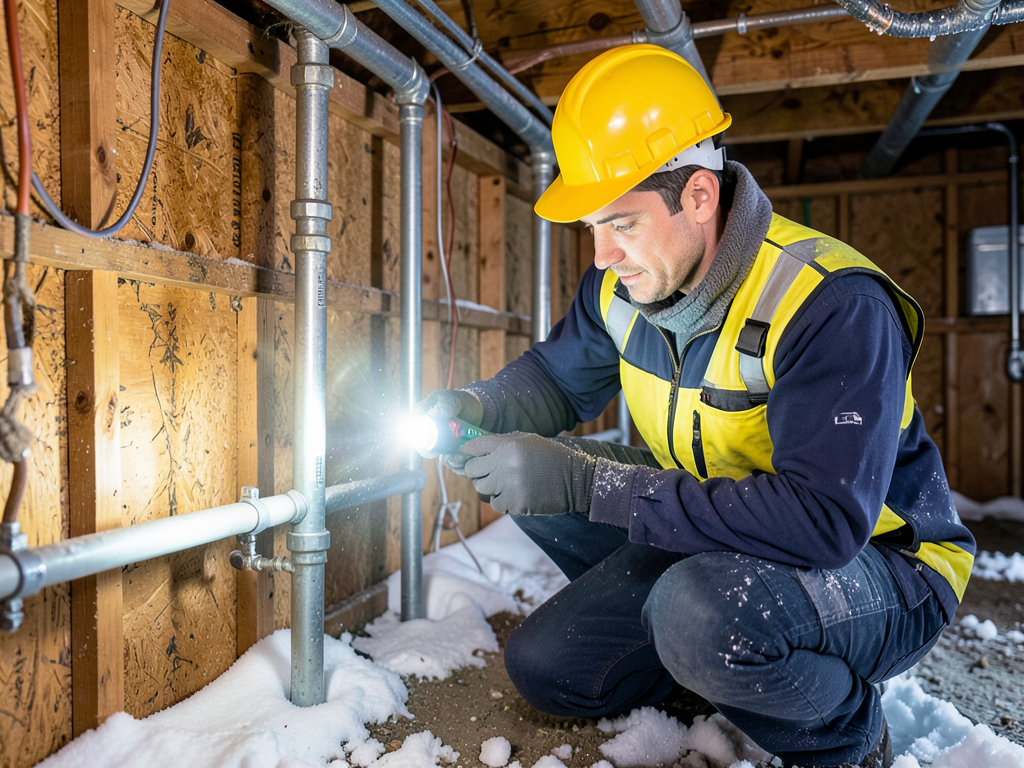
Keeping Your Pipes from Freezing When the Power Goes Out During a Richmond Winter Storm When winter storms hit Richmond and the power goes out, frozen pipes can turn into a homeowner's nightmare. The combination…

Investigating a Suddenly High Richmond Water Bill (Where to Look for Hidden Leaks) A sudden…

Should You Close Your Crawl Space Vents During the Humid Virginia Summer Months? Richmond’s summer…

What Bubbling Paint on Your Ceiling Actually Says About Your Roof or Plumbing Bubbling paint…
Water damage spreads every minute you wait. Call Horizon Water Damage Restoration Richmond at (804) 602-2644 right now for immediate dispatch to your Short Pump property. Our trucks carry complete extraction and drying equipment, and we arrive ready to stop damage progression within the hour.