




Petersburg's location along the Appomattox River creates flooding vulnerabilities that many property owners underestimate. The historic downtown areas near Old Towne sit on clay-heavy Virginia Coastal Plain soils that drain poorly and channel water toward foundations during heavy rain events. When tropical systems move up from the south or nor'easters stall over the region, basements and crawl spaces flood fast.
The city's aging housing stock compounds the problem. Many homes in Walnut Hill and Blandford were built before modern building codes required proper foundation waterproofing. Original cast iron pipes corrode from the inside, and galvanized supply lines fail without warning. Winter freeze-thaw cycles in Petersburg crack exterior walls and compromise roof flashing, creating entry points for water infiltration.
Commercial properties near the Fort Lee corridor face different challenges. Flat roof systems common in retail and industrial buildings develop ponding issues that lead to membrane failures. When HVAC condensate lines clog or hot water heaters fail in multi-unit properties, water spreads through multiple floors before anyone notices. The humid Virginia climate means wet materials start growing mold within 48 hours. Quick response prevents minor water events from becoming total losses.
Horizon Water Damage Restoration Richmond has served Petersburg property owners for years with one focus: stop the damage, save the structure, and restore your life to normal as fast as possible. We're not a franchise operation reading scripts. Our technicians know Petersburg's building types, from the brick Colonials in Walnut Hill to the ranch homes near Fort Lee. We understand how water moves through different foundation types and which materials need immediate removal versus aggressive drying.
Our trucks carry thermal imaging cameras to find hidden moisture in wall cavities and under flooring. We use moisture meters to track drying progress in real time, not guesswork. Every job gets documented with photos and detailed logs for insurance claims. We've worked with every major carrier and know what adjusters need to approve claims fast.
What separates us from other restoration companies is our approach to contaminated water. When sewage backs up or floodwater enters a building, we follow strict IICRC S500 protocols for category 3 water. Contaminated materials get removed and disposed of properly. Affected areas are treated with EPA-registered antimicrobials. We don't cut corners because we know what grows in Virginia's humid climate when water damage isn't handled right.
We're available 24 hours a day because water damage is always an emergency. When you call our emergency line, you reach a technician who can dispatch a crew, not an answering service. We arrive with everything needed to start extraction immediately. Most jobs start mitigation within 90 minutes of your call. That speed prevents secondary damage that doubles restoration costs.

Our entire restoration crew maintains IICRC Water Damage Restoration certifications, not just the supervisor. They've completed Applied Structural Drying training and understand psychrometrics, not just equipment operation. This expertise means faster drying times, lower costs, and documentation that satisfies insurance requirements. Certified technicians know when to remove materials versus when to dry in place.

We work directly with your insurance carrier to document losses, justify scope, and get approvals without delays. Our estimates use Xactimate software that adjusters recognize and accept. We photograph every stage of work and maintain detailed moisture logs. You don't chase paperwork or fight with adjusters. We handle the claims process so you can focus on getting your property back.
Our extraction equipment isn't store-bought carpet cleaners. We use truck-mounted systems that pull hundreds of gallons per hour from carpets, padding, and subflooring. Portable extractors handle upstairs rooms and areas where truck-mounts can't reach. Removing standing water fast prevents it from wicking up walls and saturating insulation. The faster we extract, the less material we remove.
We maintain equipment caches and crew staging across the greater Petersburg metro to guarantee fast response. Our dispatch system routes the closest available crew to your property, not the one finishing another job. We know which neighborhoods flood during heavy rain and pre-position resources when severe weather threatens. Local presence means faster arrival and better outcomes for your property.
Water damage restoration requires more than running fans and hoping for the best. Horizon Water Damage Restoration Richmond provides comprehensive mitigation and remediation services that address immediate damage and prevent long-term problems. We handle everything from emergency water removal to final reconstruction under one roof.
Our services divide into three core categories based on water source and contamination level. Clean water from supply line breaks requires different treatment than contaminated floodwater carrying sewage and chemicals. Category 1 water becomes Category 2 or 3 when it contacts building materials, changes the restoration protocol, and increases health risks. We assess every job according to IICRC S500 standards and explain what needs to happen before we start work.
Petersburg property owners face water damage from multiple sources. Basement flooding from storm runoff, burst pipes during cold snaps, roof leaks during heavy rain, and appliance failures all require specialized approaches. We provide 24-hour emergency response for active water events and scheduled services for chronic moisture problems. Our goal is complete restoration: your property looks, smells, and tests as if the water damage never happened.
When water is actively flooding your property, immediate extraction prevents catastrophic damage. Our crews arrive with truck-mounted vacuum systems that remove hundreds of gallons per hour from carpets, hardwood, tile, and concrete. We extract standing water, then use weighted extraction tools to pull moisture from padding and subflooring. Furniture gets blocked to prevent staining. Contents are moved to dry areas. The faster we remove water, the more we save and the less we demolish later.
After water extraction, affected materials need controlled drying to prevent mold growth and structural damage. We place commercial dehumidifiers and air movers based on psychrometric calculations, not random placement. Thermal imaging cameras find hidden moisture in wall cavities. We monitor progress twice daily with moisture meters and adjust equipment until readings return to normal. Hardwood floors, drywall, and framing dry in place when possible. This scientific approach saves materials and reduces restoration costs compared to unnecessary demolition.
Sewage backups and contaminated floodwater require specialized handling to protect occupant health. Our technicians wear protective equipment and follow strict containment protocols. Contaminated materials that can't be disinfected get removed and properly disposed of. We clean and treat salvageable surfaces with EPA-registered antimicrobials. Air scrubbers with HEPA filtration remove airborne contaminants during the process. The affected area is tested to confirm successful remediation before we rebuild. Category 3 water is serious and requires professional expertise.
Petersburg's climate, geography, and building characteristics create specific water damage vulnerabilities that catch property owners off guard. Understanding these common problems helps you respond quickly when water strikes and take preventive action before damage occurs.
The Appomattox River and poor-draining clay soils mean heavy rain events flood basements and crawl spaces faster than property owners expect. Historic homes near Old Towne and Blandford often lack proper foundation drainage systems. Older properties throughout Petersburg have aging plumbing that fails without warning. Commercial buildings near the Fort Lee corridor develop roof leaks from ponding water and HVAC condensate issues. Each problem requires immediate professional response to prevent mold growth and structural damage in Virginia's humid environment.
Petersburg's clay-heavy soils don't absorb water quickly during heavy rain. Runoff flows toward low points and foundations, overwhelming basement waterproofing systems or finding cracks in foundation walls. Water enters faster than sump pumps can remove it. Finished basements sustain thousands in damage within hours. Our emergency crews extract standing water, dry structural components, and help you address the drainage problems causing repeated flooding.
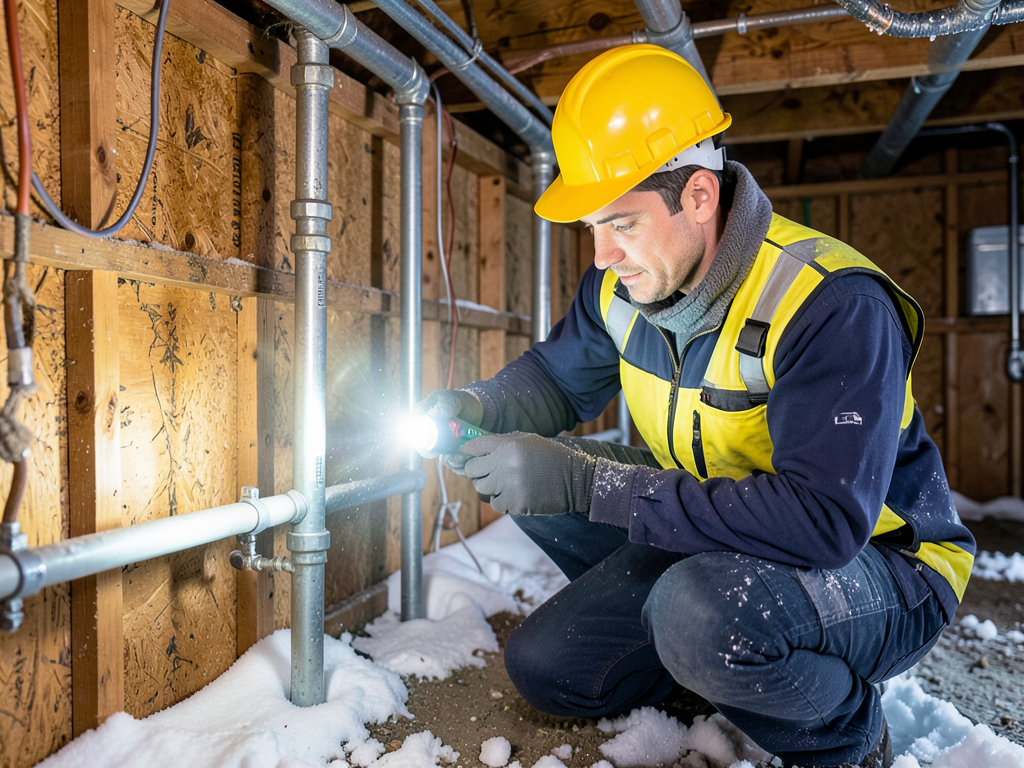
When temperatures drop below freezing in Petersburg, pipes in exterior walls, crawl spaces, and attics freeze and burst. Water flows until someone shuts off the main supply. A single burst pipe releases hundreds of gallons that saturate ceilings, walls, insulation, and flooring. We respond immediately to extract water and start drying before mold establishes. Thermal imaging finds hidden moisture that leads to callback problems if missed.
High winds during thunderstorms lift shingles and damage roof flashing around chimneys and vents. Water enters attics and migrates down through insulation and ceilings. By the time you see ceiling stains, significant hidden damage has occurred in wall cavities and insulation. We use moisture meters and thermal cameras to map the full extent of damage, then dry affected areas completely. Partial drying leads to mold growth in hidden spaces.
Washing machine hoses burst without warning. Water heaters develop pinhole leaks or catastrophic tank failures. Dishwashers overflow when drain lines clog. These failures happen when no one is home, and water flows for hours across floors and into subfloors. We extract water immediately, remove damaged materials, and dry structural components before mold colonizes. Quick response to appliance failures prevents total room losses and expensive rebuilds.
Water damage creates panic. You're standing in water wondering how bad it is and what happens next. When you call Horizon Water Damage Restoration Richmond, you reach an actual technician who can help immediately, not an answering service. We ask specific questions to understand your situation and dispatch the closest crew to your Petersburg property.
Our process is designed for speed and transparency. You'll know who's coming, when they'll arrive, and what equipment they're bringing. The crew chief walks through the damaged areas with you, explains what needs to happen, and answers your questions before starting work. We document everything for insurance claims and keep you informed throughout the restoration process. Water damage is stressful enough without wondering what your restoration company is doing.
Most crews arrive within 90 minutes of your call. We start extracting water immediately to prevent additional damage. The source of water gets shut off if it's still flowing. We move contents to dry areas and protect unaffected rooms with plastic barriers. Emergency services focus on stopping ongoing damage and protecting your property. You receive a verbal overview of what we found, what needs to happen next, and an estimated timeline before we leave.
We photograph and document every aspect of the water damage and our restoration work. Moisture readings are recorded at the start and tracked daily until materials return to normal levels. Our estimates use Xactimate software that insurance adjusters accept without argument. We provide detailed narratives explaining why specific services are necessary. This documentation supports your claim and speeds up approval. You receive copies of everything for your records.
We don't consider the job complete until your property is fully restored and you're satisfied. After drying equipment is removed, we handle any necessary repairs including drywall replacement, painting, flooring installation, and trim work. The final walkthrough ensures everything meets your expectations. We explain what was done, show you final moisture readings, and answer any remaining questions. You receive documentation confirming successful restoration for your insurance company and your peace of mind.
Water damage restoration follows a proven sequence that stops damage, removes moisture, and restores your property. Our process is structured around speed, documentation, and complete restoration.
The crew chief inspects all affected areas and identifies the water source and category. We determine which materials can be dried and which require removal. Truck-mounted extraction equipment removes standing water from carpets, tile, and hard surfaces. Weighted tools extract moisture from padding and subflooring. Furniture gets blocked to prevent staining. Wet contents are moved to dry areas. This first step happens fast to prevent additional absorption and wicking into walls.
Commercial dehumidifiers and air movers are positioned based on psychrometric calculations and airflow patterns. Thermal imaging cameras identify hidden moisture in walls and ceilings. We take baseline moisture readings in all affected materials. Equipment runs continuously with daily monitoring and adjustments. Progress is tracked with moisture meters until readings return to normal for each material type. This scientific drying prevents mold growth and saves materials that would otherwise require replacement.
Once materials are completely dry, equipment is removed and restoration begins. We handle repairs in-house including drywall replacement, painting, flooring installation, trim work, and any other needed reconstruction. The final walkthrough confirms everything is complete and meets your expectations. You receive documentation showing final moisture readings and confirmation that your property is restored to pre-loss condition. Insurance paperwork is finalized and your life returns to normal.
Professional water damage restoration follows established industry standards that protect property owners and ensure complete remediation. The Institute of Inspection Cleaning and Restoration Certification publishes the S500 Standard for Professional Water Damage Restoration, which defines proper procedures for every aspect of water damage mitigation and remediation. This standard classifies water into three categories based on contamination level and establishes protocols for each.
Category 1 water originates from sanitary sources like supply lines and doesn't pose health risks. Category 2 water contains contaminants that may cause discomfort or illness, such as washing machine discharge or toilet overflow without feces. Category 3 water is grossly contaminated and contains pathogenic agents, including sewage backups and floodwater. Water category determines which materials can be salvaged and which require removal.
The S500 standard also defines four classes of water damage based on evaporation rate and affected materials. Class 1 involves minimal absorption into materials with slow evaporation rates. Class 4 affects materials with very low permeability like hardwood, concrete, and plaster, requiring specialized drying methods. Proper classification drives equipment selection and drying strategies. A Class 3 loss in a finished basement requires different equipment placement and longer drying times than a Class 1 loss in a bathroom.
Virginia's humid climate complicates water damage restoration. Ambient humidity slows evaporation and creates conditions where mold colonizes within 48 hours. Dehumidifiers must remove moisture from the air while materials release moisture into the atmosphere. The relationship between temperature, humidity, and material moisture content is called psychrometrics. Professional restoration technicians understand these relationships and use them to create optimal drying conditions. Simply running fans without controlling humidity extends drying times and risks mold growth.
Insurance carriers expect restoration companies to follow IICRC standards and document compliance. Moisture logs track drying progress. Photos show equipment placement and material conditions. Thermal imaging reveals hidden moisture that could cause future problems. This documentation justifies scope and costs to insurance adjusters. Companies that don't follow standards or document their work create claim disputes and leave property owners with incomplete restoration.
Water source determines contamination level and restoration protocols. Category 1 water from supply lines requires different handling than Category 3 sewage containing pathogens. Materials must be dried within 48 hours to prevent mold growth. Contaminated materials that can't be disinfected require removal and disposal. Insurance companies require proper classification to approve scope. Misclassifying water category creates health risks and claim disputes.
Water category and damage class drive restoration costs. Category 3 sewage requires protective equipment, antimicrobial treatment, and more material removal than clean water. Class 4 losses affecting hardwood and concrete require specialized equipment and longer drying times. The amount of affected area, degree of saturation, and material types all impact costs. Fast response reduces costs by preventing secondary damage and mold growth that require additional remediation.
Carpet and padding typically dry within three to five days with proper equipment. Drywall requires five to seven days depending on saturation level. Hardwood flooring takes seven to fourteen days and requires specialized drying mats. Concrete can take three weeks or longer due to low permeability. Actual drying times vary based on environmental conditions, material density, and equipment placement. Rushed drying leads to material failure and mold growth in hidden spaces.
Restoration work must comply with Virginia Uniform Statewide Building Code when repairs involve structural components or electrical systems. Mold remediation follows EPA guidelines and Virginia Department of Health recommendations. Insurance carriers may require third-party mold testing after Category 3 water events. Licensed contractors must perform work on load-bearing walls, electrical systems, and plumbing. Proper permits and inspections protect property owners from future liability.
Professional water damage restoration company explains common water damage problems Petersburg VA property owners face including basement flooding from storm runoff, burst pipes during freezing weather, roof leaks, and sewage backups. Video covers IICRC water damage restoration standards, proper extraction and structural drying methods, water contamination categories, mold prevention protocols, and insurance claim documentation. Explains why Petersburg's clay soils and humid climate require fast professional response to prevent secondary damage.
Horizon Water Damage Restoration Richmond serves property owners throughout Petersburg and the surrounding Tri-Cities region. Our response network covers historic Old Towne near the Appomattox River waterfront, where Colonial-era buildings face flooding risks during heavy rain events. We work extensively in the Walnut Hill and Blandford neighborhoods, where brick homes on clay soils develop basement moisture issues and foundation drainage problems.
The communities near Fort Lee and the Southpark Mall corridor call us for commercial water damage, including retail spaces with roof leaks and multi-unit properties with supply line failures. We serve residential areas south of Wagner Road toward the Dinwiddie County line, where newer construction faces different challenges than the historic core. Properties in the Pecan Acres and Normandy Village communities often contact us for burst pipe emergencies during winter cold snaps.
Our coverage extends north across the Appomattox River into Colonial Heights and south toward Hopewell along the Route 36 corridor. We work in Prince George County communities east of Petersburg and respond to properties near the I-95 corridor where commercial facilities face water damage from HVAC failures and roof problems. Each area has unique building types and water damage vulnerabilities based on age, construction methods, and proximity to waterways.
Petersburg's position in the Coastal Plain creates drainage challenges different from properties in Richmond's higher elevations. The flat terrain and clay soils mean water doesn't percolate into the ground during storms. It flows across surfaces toward low points and foundations. Properties near Pamplin Park and the rural areas toward Dinwiddie face well water problems and septic system backups that urban properties don't experience.
We maintain equipment staging and crew availability across the greater Petersburg metro to guarantee response times under 90 minutes regardless of where you're located. Our technicians know the area's building stock, from the historic structures downtown to the suburban developments spreading toward Dinwiddie. This local knowledge helps us respond more effectively to water damage events and understand the specific challenges your property faces.
Most water damage restoration companies in Petersburg VA respond within 60 to 90 minutes of your call. Many operate 24/7 and understand that quick action prevents mold growth and structural damage. When you call, have your address ready and describe the water source if known. Emergency crews arrive with extraction equipment and assess damage immediately. Response times vary based on weather conditions, time of day, and crew availability. Companies serving Petersburg typically cover the entire Tri-Cities area and maintain on-call teams for faster response.
Water damage restoration expenses in Petersburg depend on the damage extent, water category, and affected square footage. Clean water incidents typically require less intensive treatment than sewage backups. Your final amount reflects water extraction, drying equipment rental, antimicrobial treatments, and necessary repairs. Small bathroom leaks require less intervention than flooded basements. Most companies provide free inspections and written estimates before starting work. They often work directly with your insurance company to streamline claims. Get multiple quotes and compare services included in each estimate.
Water damage restoration in Petersburg homes takes three to seven days on average. Simple extraction and drying complete faster than complex projects involving multiple rooms. The process includes water removal, drying, cleaning, and repairs. Humidity levels and materials affected determine drying time. Hardwood floors need longer than carpet. Professionals use moisture meters to confirm complete drying before reconstruction begins. Weather conditions affect drying speed. High humidity extends timelines. Your restoration company provides a timeline after initial assessment and monitors progress daily.
Most water damage restoration companies in Petersburg VA respond within 60 to 90 minutes of your call. Many operate 24/7 and understand that quick action prevents mold growth and structural damage. When you call, have your address ready and describe the water source if known. Emergency crews arrive with extraction equipment and assess damage immediately. Response times vary based on weather conditions, time of day, and crew availability. Companies serving Petersburg typically cover the entire Tri-Cities area and maintain on-call teams for faster response.
Water damage restoration expenses in Petersburg depend on the damage extent, water category, and affected square footage. Clean water incidents typically require less intensive treatment than sewage backups. Your final amount reflects water extraction, drying equipment rental, antimicrobial treatments, and necessary repairs. Small bathroom leaks require less intervention than flooded basements. Most companies provide free inspections and written estimates before starting work. They often work directly with your insurance company to streamline claims. Get multiple quotes and compare services included in each estimate.
Water damage restoration in Petersburg homes takes three to seven days on average. Simple extraction and drying complete faster than complex projects involving multiple rooms. The process includes water removal, drying, cleaning, and repairs. Humidity levels and materials affected determine drying time. Hardwood floors need longer than carpet. Professionals use moisture meters to confirm complete drying before reconstruction begins. Weather conditions affect drying speed. High humidity extends timelines. Your restoration company provides a timeline after initial assessment and monitors progress daily.
Homeowners insurance in Petersburg VA typically covers sudden and accidental water damage. Burst pipes, appliance malfunctions, and storm damage usually qualify for coverage. Flood damage requires separate flood insurance through FEMA. Gradual damage from neglected maintenance gets denied. Review your policy for exclusions and coverage limits. Document everything with photos before cleanup begins. Contact your insurance agent immediately after water damage occurs. Most restoration companies in Petersburg work with insurance adjusters and help file claims. Keep all receipts and repair records.
Water damage restoration addresses immediate threats and prevents further harm. Crews extract standing water, dry structures, prevent mold growth, and restore safe conditions. Restoration focuses on stabilization. Water damage repair comes after restoration and involves rebuilding. Repairs include replacing drywall, installing new flooring, repainting, and returning your home to pre-damage condition. You need restoration first to prevent ongoing damage. Then repairs restore appearance and function. Some companies handle both services. Others specialize in restoration and refer repair work to contractors.
Staying in your Petersburg home during water damage restoration depends on the damage severity and location. Minor incidents affecting one bathroom allow you to remain home. Extensive damage requiring multiple industrial dehumidifiers creates noise and limits space access. Sewage backups pose health risks and require temporary relocation. Mold contamination demands evacuation until professionals complete remediation. Ask your restoration company about safety concerns specific to your situation. They assess air quality and structural stability. Some insurance policies cover temporary housing expenses during major restoration projects.
Mold appears within 24 to 48 hours after water damage in Petersburg properties. Look for black, green, or white spots on walls, ceilings, and floors. A musty odor indicates hidden mold growth. Check behind furniture, inside cabinets, and under sinks. Peeling paint and warped walls suggest moisture problems. You might experience increased allergies or respiratory issues. Professional mold inspections use moisture meters and air quality tests to detect hidden growth. Never ignore water damage. Address leaks immediately and monitor affected areas for weeks after drying completes.
Water damage restoration companies in Petersburg VA use industrial-grade equipment for efficient drying. Water extractors remove standing water quickly. Air movers create airflow to accelerate evaporation. Commercial dehumidifiers pull moisture from air and materials. Moisture meters measure water content in walls and floors. Infrared cameras detect hidden water behind surfaces. Professionals use air scrubbers to filter airborne contaminants. Antimicrobial sprays prevent mold and bacteria growth. Specialized equipment handles different materials. Hardwood floors require specific drying mats. The right tools prevent secondary damage and reduce restoration time.
Virginia requires water damage restoration contractors to hold proper credentials for certain work. General contractors need state licensing for structural repairs exceeding specific thresholds. Mold remediation work requires certification in Virginia. Ask Petersburg contractors about their training and certifications. Reputable companies employ IICRC-certified technicians trained in water damage restoration standards. Verify their credentials and check references. Professional organizations provide quality standards and continuing education. Hiring qualified contractors protects your property and ensures proper restoration techniques. Request proof of relevant training before hiring any restoration company.
Petersburg Virginia homes face water damage from multiple sources. Burst pipes during winter freezes top the list when temperatures drop below 32 degrees. Aging plumbing in older Petersburg neighborhoods causes frequent leaks. Heavy rainfall and poor drainage flood basements and crawl spaces. The Appomattox River proximity increases flood risk in low-lying areas. Appliance failures from washing machines and water heaters strike without warning. Roof leaks develop from storm damage and aging shingles. HVAC system condensation lines clog and overflow. Regular maintenance and inspections prevent most water damage incidents.
Homeowners insurance in Petersburg VA typically covers sudden and accidental water damage. Burst pipes, appliance malfunctions, and storm damage usually qualify for coverage. Flood damage requires separate flood insurance through FEMA. Gradual damage from neglected maintenance gets denied. Review your policy for exclusions and coverage limits. Document everything with photos before cleanup begins. Contact your insurance agent immediately after water damage occurs. Most restoration companies in Petersburg work with insurance adjusters and help file claims. Keep all receipts and repair records.
Water damage restoration addresses immediate threats and prevents further harm. Crews extract standing water, dry structures, prevent mold growth, and restore safe conditions. Restoration focuses on stabilization. Water damage repair comes after restoration and involves rebuilding. Repairs include replacing drywall, installing new flooring, repainting, and returning your home to pre-damage condition. You need restoration first to prevent ongoing damage. Then repairs restore appearance and function. Some companies handle both services. Others specialize in restoration and refer repair work to contractors.
Staying in your Petersburg home during water damage restoration depends on the damage severity and location. Minor incidents affecting one bathroom allow you to remain home. Extensive damage requiring multiple industrial dehumidifiers creates noise and limits space access. Sewage backups pose health risks and require temporary relocation. Mold contamination demands evacuation until professionals complete remediation. Ask your restoration company about safety concerns specific to your situation. They assess air quality and structural stability. Some insurance policies cover temporary housing expenses during major restoration projects.
Mold appears within 24 to 48 hours after water damage in Petersburg properties. Look for black, green, or white spots on walls, ceilings, and floors. A musty odor indicates hidden mold growth. Check behind furniture, inside cabinets, and under sinks. Peeling paint and warped walls suggest moisture problems. You might experience increased allergies or respiratory issues. Professional mold inspections use moisture meters and air quality tests to detect hidden growth. Never ignore water damage. Address leaks immediately and monitor affected areas for weeks after drying completes.
Water damage restoration companies in Petersburg VA use industrial-grade equipment for efficient drying. Water extractors remove standing water quickly. Air movers create airflow to accelerate evaporation. Commercial dehumidifiers pull moisture from air and materials. Moisture meters measure water content in walls and floors. Infrared cameras detect hidden water behind surfaces. Professionals use air scrubbers to filter airborne contaminants. Antimicrobial sprays prevent mold and bacteria growth. Specialized equipment handles different materials. Hardwood floors require specific drying mats. The right tools prevent secondary damage and reduce restoration time.
Virginia requires water damage restoration contractors to hold proper credentials for certain work. General contractors need state licensing for structural repairs exceeding specific thresholds. Mold remediation work requires certification in Virginia. Ask Petersburg contractors about their training and certifications. Reputable companies employ IICRC-certified technicians trained in water damage restoration standards. Verify their credentials and check references. Professional organizations provide quality standards and continuing education. Hiring qualified contractors protects your property and ensures proper restoration techniques. Request proof of relevant training before hiring any restoration company.
Petersburg Virginia homes face water damage from multiple sources. Burst pipes during winter freezes top the list when temperatures drop below 32 degrees. Aging plumbing in older Petersburg neighborhoods causes frequent leaks. Heavy rainfall and poor drainage flood basements and crawl spaces. The Appomattox River proximity increases flood risk in low-lying areas. Appliance failures from washing machines and water heaters strike without warning. Roof leaks develop from storm damage and aging shingles. HVAC system condensation lines clog and overflow. Regular maintenance and inspections prevent most water damage incidents.
Horizon Water Damage Restoration proudly serves the greater Richmond area and surrounding communities. Our strategic location allows us to respond quickly and efficiently to your water damage emergencies, no matter where you are. We are committed to being a local, reliable presence for our neighbors. View our service area on the map below to see how we can reach you and provide the swift, expert service you need.
Address:
Petersburg, VA, 23803
Keeping Your Pipes from Freezing When the Power Goes Out During a Richmond Winter Storm When winter storms hit Richmond and the power goes out, frozen pipes can turn into a homeowner's nightmare. The combination…

Investigating a Suddenly High Richmond Water Bill (Where to Look for Hidden Leaks) A sudden…

Should You Close Your Crawl Space Vents During the Humid Virginia Summer Months? Richmond’s summer…

What Bubbling Paint on Your Ceiling Actually Says About Your Roof or Plumbing Bubbling paint…
Every hour water sits in your Petersburg property increases damage and restoration costs. Call Horizon Water Damage Restoration Richmond now at (804) 602-2644 for emergency response. Our crews are standing by 24/7 with the equipment and expertise to stop the damage and restore your property completely.