




Menu

Categories of Water in Richmond – Expert Classification Guide for Safe Restoration Decisions

Understanding IICRC water contamination levels protects your family and property by ensuring the right restoration protocols, equipment, and safety measures for every Categories of Water situation in Richmond.

Slider Image 1
Slider Image 2
Slider Image 3
Slider Image 4
Slider Image 5
Slider Image 7
Slider Image 8
Slider Image 9
Slider Image 10
Slider Image 11

Why Richmond Property Owners Must Understand Water Contamination Levels

Not all water damage is equal. The water soaking your Richmond basement carries different health risks depending on its source. A burst supply line presents different dangers than a backed-up toilet or James River floodwater. Misidentifying the water quality classification leads to inadequate cleaning, lingering contamination, and serious health consequences.

Richmond's humid subtropical climate compounds these risks. High humidity levels slow evaporation, extending the window for microbial growth. When Category 2 water sits in 80-degree heat with 70% humidity, it degrades into Category 3 within 48 hours. Your crawlspace becomes a biohazard. Your drywall harbors bacteria colonies. Your family breathes contaminated air.

The IICRC water categories system exists to prevent these outcomes. Category 1 water is clean at the source. Category 2 contains contaminants that cause discomfort or illness. Category 3 is grossly contaminated and dangerous. These water damage categories determine everything: which materials get saved, which safety equipment technicians wear, and which antimicrobial treatments get applied.

Richmond property owners face unique challenges. The city's aging infrastructure produces frequent supply line failures. Tropical storm remnants bring Category 3 floodwater through neighborhoods near the Kanawha River. Clay-heavy soil shifts foundations, cracking sewer lines and introducing sewage contamination. Historic homes in the Fan District have outdated plumbing that fails without warning.

Understanding types of water contamination is not academic knowledge. It is the difference between a safe home and a toxic environment. It determines whether your insurance claim gets approved. It protects your family from pathogens you cannot see or smell.

Why Richmond Property Owners Must Understand Water Contamination Levels
How Professional Water Damage Assessment Identifies Contamination Levels

How Professional Water Damage Assessment Identifies Contamination Levels

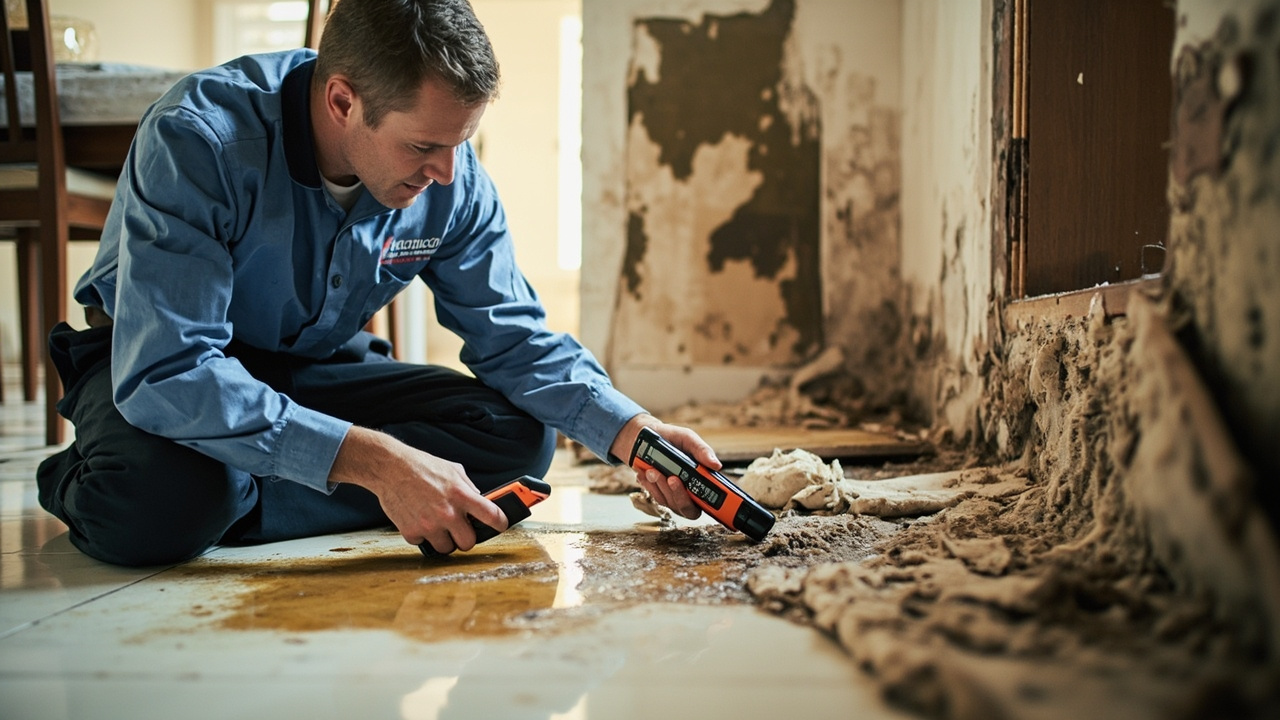
Proper water quality classification requires more than visual inspection. Trained technicians follow IICRC S500 standards to assess the source, affected materials, and contamination pathways. This methodology prevents underestimation of health risks.

The assessment starts with source identification. Clean water from supply lines initially qualifies as Category 1. Water from dishwasher overflows or washing machine supply hoses typically qualifies as Category 2 due to detergent and debris. Any water touching sewage, soil, or stagnant sources automatically classifies as Category 3.

Next comes migration analysis. Water does not respect boundaries. Category 1 water flowing across a dirty floor absorbs contaminants and becomes Category 2. Water wicking up drywall carries whatever was on that surface. In Richmond's older homes, century-old dust, lead paint particles, and rodent droppings contaminate clean water within minutes.

Time factors matter. Category 2 water left untreated for 48-72 hours in Richmond's warm climate degrades into Category 3 as bacteria multiply. Temperature and humidity accelerate this transition. A slow leak behind your kitchen cabinet may have been clean water initially, but by the time you discover it three weeks later, you are dealing with a biohazard.

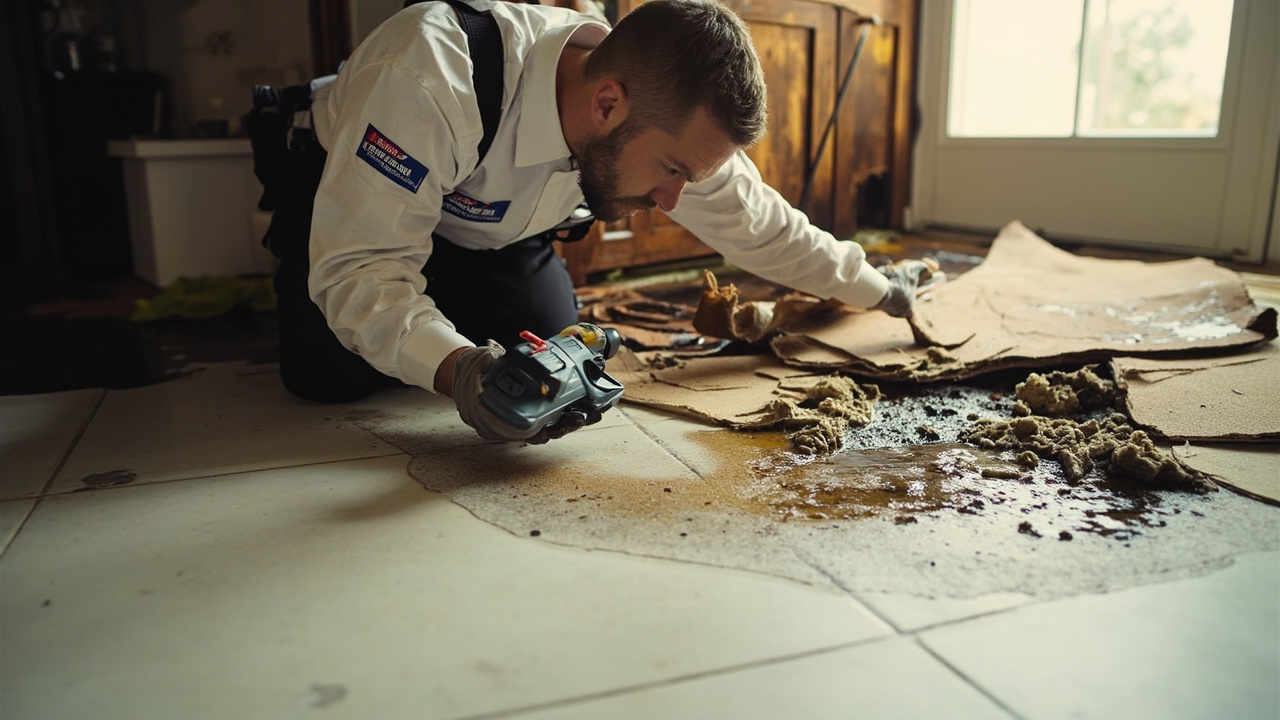
Material porosity affects classification. Non-porous materials like metal or glass can often be cleaned. Porous materials like drywall, insulation, and carpet padding absorb contamination and require removal. Richmond's humid conditions mean porous materials stay wet longer, increasing contamination risk.

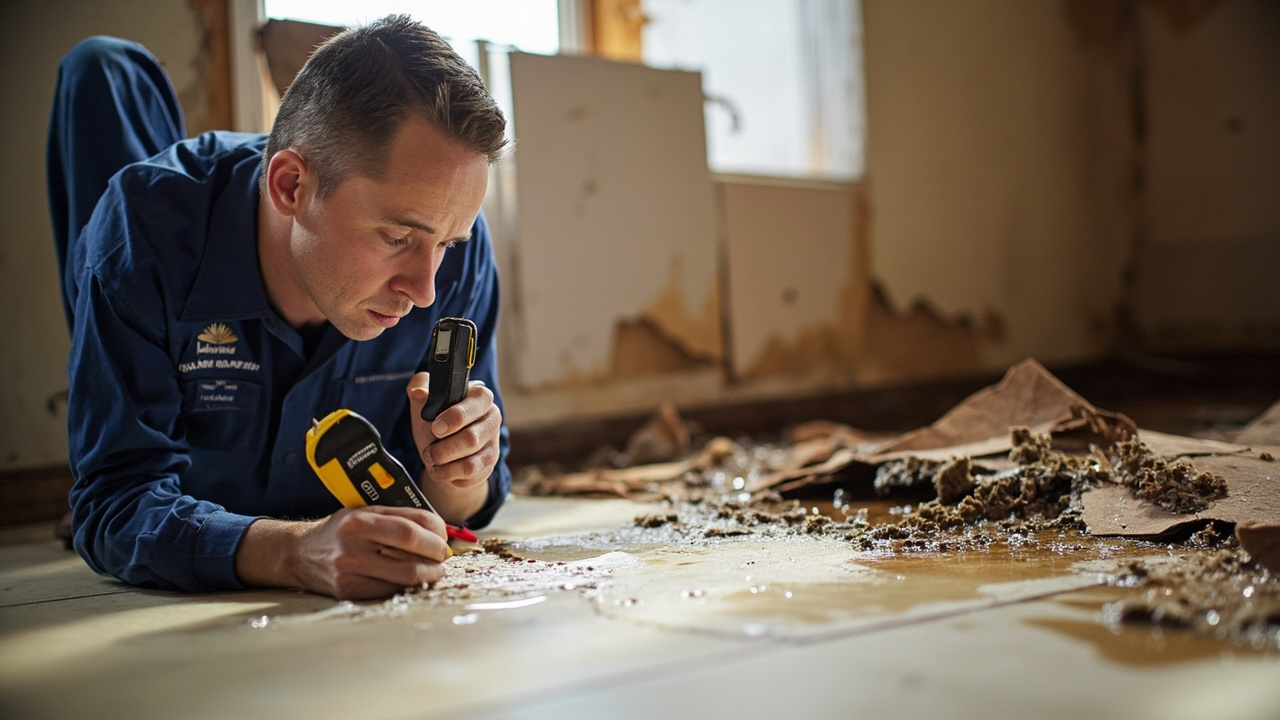
Professional testing confirms visual assessment. Moisture meters detect hidden saturation. Thermal imaging cameras reveal water migration patterns through walls. When necessary, laboratory analysis identifies specific pathogens in questionable water sources.

What Happens During Water Category Assessment in Richmond

Categories of Water in Richmond – Expert Classification Guide for Safe Restoration Decisions
01

Source Investigation

Technicians trace water to its origin point, examining supply lines, drain systems, roof penetrations, and foundation cracks. They document whether the source was sanitary or contaminated before migration occurred. This investigation includes photographing the damage site, testing surrounding materials, and interviewing property owners about the timeline. Richmond's mixed-age housing stock requires careful attention to outdated plumbing systems and compromised building envelopes that allow exterior contamination.
02

Contamination Path Mapping

The restoration team tracks how water moved through the structure, noting every surface contacted and material saturated. Moisture meters quantify saturation levels in walls, floors, and ceilings. Thermal imaging reveals hidden moisture in cavities and behind finishes. This mapping identifies which areas need standard drying and which require containment and antimicrobial treatment. Richmond's high humidity complicates drying, making thorough documentation critical for proper equipment deployment and timeline estimation.
03

Protocol Assignment

Based on the confirmed water category, technicians implement the appropriate safety measures, containment procedures, and cleaning protocols. Category 1 requires standard extraction and drying. Category 2 demands antimicrobial application and careful material evaluation. Category 3 requires full personal protective equipment, negative air pressure containment, and disposal of porous materials. The assigned protocol determines equipment needs, labor hours, and final costs. Richmond properties often require modified protocols due to historic construction methods and limited access.

Why Richmond Property Owners Choose Local Water Damage Category Experts

Water category classification is not guesswork. It requires training in IICRC standards, experience with regional contamination sources, and understanding of local building characteristics. Horizon Water Damage Restoration Richmond brings this specialized knowledge to every assessment.

Our technicians understand Richmond's specific water damage patterns. We know that homes near the James River face Category 3 flood risk during tropical weather. We recognize that properties in Windsor Farms have aging cast iron sewer lines prone to backup. We have seen how the city's clay soil shifts foundations, cracking water lines and creating slow leaks that degrade into severe contamination.

This local experience matters when identifying hidden contamination sources. A water stain in your Museum District row house might stem from a roof leak, a failed flashing detail common to connected structures, or condensation from inadequate attic ventilation. Each source carries different contamination levels and requires different treatment protocols.

We also understand Richmond's building codes and permitting requirements. Certain water damage repairs require permits, particularly when Category 3 contamination necessitates structural material removal. We coordinate with local building inspectors to ensure your restoration meets current code standards, protecting your investment and resale value.

Insurance documentation represents another critical advantage. Richmond homeowners file claims through regional adjusters familiar with local weather patterns and construction costs. Our detailed contamination assessments, supported by moisture readings and photographic evidence, align with adjuster expectations. We speak their language and provide the documentation they require for claim approval.

Time sensitivity drives our local focus. Category 2 water becomes Category 3 within 48 hours in Richmond's humid climate. We maintain rapid response capability throughout the metro area, arriving before contamination worsens and restoration costs escalate.

What to Expect During Professional Water Category Assessment

Response Time and Availability

Richmond water damage requires immediate assessment before contamination worsens. Horizon Water Damage Restoration Richmond maintains 24/7 emergency response capability throughout the metro area. Most assessment appointments occur within two hours of initial contact for urgent situations. Non-emergency assessments schedule within 24 hours based on your availability. Rapid response prevents Category 1 and Category 2 water from degrading into Category 3 contamination, reducing health risks and restoration costs. Our local presence means no extended wait times while technicians travel from distant service areas. We arrive equipped with professional moisture detection equipment, containment supplies, and extraction tools to begin mitigation immediately following assessment.

Comprehensive Damage Evaluation Process

The assessment begins with detailed source identification and water migration tracking. Technicians use calibrated moisture meters to measure saturation levels in walls, floors, ceilings, and contents. Thermal imaging cameras detect hidden moisture behind finishes and inside structural cavities. Humidity readings establish baseline conditions for drying monitoring. The evaluation documents affected square footage, material types, and contamination pathways. You receive a written report specifying the confirmed water category, required containment measures, recommended material removal, and estimated drying timeline. This documentation supports insurance claims and provides transparency about required work. The evaluation typically takes 45-90 minutes depending on damage extent and property size.

Quality of Contamination Classification

Accurate water category classification protects your family and determines appropriate restoration protocols. IICRC-trained technicians apply standardized criteria to classify contamination levels based on source, affected materials, and time factors. Category 1 classification allows material preservation when appropriate. Category 2 classification triggers antimicrobial treatment and selective material removal. Category 3 classification mandates full containment, personal protective equipment, and disposal of porous materials. The classification directly affects equipment deployment, labor requirements, and final restoration costs. Richmond's humid climate accelerates contamination progression, making precise initial classification critical. Professional assessment prevents both under-treatment that leaves hidden contamination and over-treatment that unnecessarily increases costs.

Ongoing Monitoring and Verification

Water category assessment extends beyond initial classification. Daily moisture monitoring tracks drying progress and confirms contamination does not spread during restoration. Technicians document moisture levels in affected materials, adjusting equipment placement and drying strategies as conditions change. Final verification testing ensures all materials reach industry-standard dry goals before reconstruction begins. For Category 2 and Category 3 losses, post-remediation verification confirms antimicrobial treatments achieved desired results. This monitoring protects against premature equipment removal that leaves hidden moisture, preventing future mold growth and structural damage. Richmond's high ambient humidity requires extended monitoring periods compared to drier climates. Complete documentation supports insurance claim closure and provides proof of proper restoration.

Frequently Asked Questions

You Have Questions,
We Have Answers

What are the 5 types of water? +

In water damage restoration, professionals focus on three contamination categories, not five general types. Category 1 is clean water from supply lines or rainwater. Category 2 is gray water containing contaminants like washing machine discharge. Category 3 is black water from sewage or floodwater. Richmond homes face all three categories due to aging plumbing, James River flooding, and storm surge events. Understanding these categories helps you assess health risks and communicate effectively with your insurance adjuster. Each category requires different safety protocols and equipment during restoration work.

What is category 1, 2, and 3 water? +

Category 1 water is clean and poses no immediate health threat. It comes from broken supply lines, sink overflows, or rainwater before it touches the ground. Category 2 water contains biological or chemical contaminants and comes from dishwashers, washing machines, or toilet bowls without feces. Category 3 water is grossly contaminated and includes sewage, rising floodwater from rivers like the James, or any standing water that has sat for 72 hours. Richmond properties often experience Category 3 events during heavy storms when combined sewer systems back up into basements.

What are the 7 forms of water? +

This question confuses water damage categories with states of water or natural forms. In restoration, we classify water by contamination level, not physical form. You might encounter water as liquid flooding your basement, vapor creating humidity issues in Richmond's muggy summers, or ice from frozen pipes during January cold snaps. What matters for restoration is the contamination category and how quickly the water spreads through porous materials like the hardwood floors common in Fan District homes. Physical form affects drying strategy, but contamination level determines safety protocols.

What are the three categories of water? +

Water damage uses three contamination categories. Category 1 is clean water from sanitary sources. Category 2 is gray water with contaminants that can cause discomfort or illness. Category 3 is black water containing pathogenic agents, sewage, or toxic materials. Richmond homes built before 1950 often have cast iron pipes that fail suddenly, creating Category 1 events that quickly degrade to Category 2 if not addressed within 48 hours. High humidity in Richmond speeds contamination progression, making fast response critical for minimizing health risks and restoration costs.

What are the 8 types of water? +

Water damage restoration does not use eight types. The IICRC recognizes three contamination categories and four classes based on evaporation rate. This question may confuse drinking water types or bottled water marketing terms with restoration terminology. For Richmond homeowners dealing with flooding from the James River or burst pipes, focus on contamination categories. Category determines whether materials require disposal or can be sanitized. Class determines drying time and equipment needed. Your restoration team evaluates both factors to create an effective mitigation plan for your specific situation.

What are the four classes of water? +

Water damage has four classes based on evaporation rate and affected materials. Class 1 involves minimal water absorption in low-porosity materials. Class 2 affects an entire room with significant moisture in carpet and walls. Class 3 means saturation from overhead sources like roof leaks, common in Richmond's older neighborhoods. Class 4 involves specialty drying for low-porosity materials like hardwood, plaster, or stone. The Fan District's historic plaster walls often require Class 4 protocols. Class determines equipment selection, drying time, and cost. Your technician measures moisture levels to assign the correct class.

What is category 4 water? +

Category 4 water does not exist in IICRC standards. The industry uses three categories. Some companies incorrectly reference Category 4 when describing severely contaminated black water, but this creates confusion. All sewage backups, floodwater from the James River, and water containing toxic chemicals fall under Category 3. Richmond properties near Shockoe Bottom frequently experience Category 3 flooding during heavy rains when storm drains overwhelm. If a company mentions Category 4, ask them to clarify using proper IICRC terminology to ensure you understand the actual contamination level and required safety measures.

What are the 4 categories of water use? +

This question addresses water management or municipal water systems, not restoration categories. Water use categories include residential, commercial, industrial, and agricultural applications. For Richmond homeowners facing water damage, this classification does not apply to emergency restoration. What matters is contamination category and damage class. Your water bill shows usage categories, but your restoration invoice reflects contamination levels and affected materials. If you face damage in your Church Hill home, focus on whether the water is clean, gray, or black, and how much square footage requires drying.

What are the classification of waters? +

Water classification in restoration follows two systems. Contamination categories range from 1 to 3 based on health risk. Damage classes range from 1 to 4 based on evaporation difficulty and material porosity. Richmond's humid climate complicates both classifications because moisture does not evaporate quickly, allowing clean water to become contaminated faster. The James River creates additional classification challenges when it floods low-lying areas like Shockoe Slip. Proper classification requires moisture meters, thermal imaging, and visual inspection. Misclassification leads to inadequate drying or unnecessary demolition, affecting your insurance claim and restoration costs.

What are the 10 types of water? +

Water damage restoration does not recognize ten types. This question likely confuses bottled water varieties, natural water sources, or chemical water classifications with restoration terminology. The IICRC uses three contamination categories and four damage classes. Richmond restoration professionals assess water source, contamination level, and affected materials to determine proper protocols. Your priority should be understanding whether you face clean water from a supply line, gray water from an appliance, or black water from sewage or flooding. These distinctions determine health risks, disposal requirements, and insurance coverage for your Monument Avenue or Northside property.

How Richmond's Climate and Infrastructure Affect Water Contamination Categories

Richmond's humid subtropical climate and aging infrastructure create unique water contamination challenges. Summer temperatures regularly exceed 85 degrees with 70% relative humidity, accelerating bacterial growth in standing water. Category 2 water from appliance leaks or drain overflows degrades into Category 3 within 48 hours under these conditions. The city's clay-heavy soil expands and contracts with moisture changes, shifting foundations and cracking sewer lines. These failures introduce raw sewage into crawlspaces and basements, creating immediate Category 3 contamination. Tropical storm remnants bring James River floodwater into low-lying neighborhoods, carrying soil, debris, and biological contaminants. Richmond's historic housing stock, particularly in areas like the Fan District and Church Hill, features century-old plumbing that fails without warning, often releasing contaminated water from corroded galvanized pipes.

Professional water damage restoration in Richmond requires understanding of local building characteristics and contamination sources. Horizon Water Damage Restoration Richmond maintains relationships with city building inspectors and regional insurance adjusters familiar with area-specific damage patterns. Our technicians recognize contamination indicators unique to Richmond's mixed-age housing, from cast iron sewer failures in pre-1960 homes to polybutylene supply line failures in 1980s construction. We understand how the city's topography channels stormwater toward properties near Gillies Creek and Reedy Creek, creating repetitive flood exposure that demands Category 3 protocols. This local expertise ensures accurate contamination classification, appropriate safety measures, and proper documentation for insurance claims and building permit compliance.

Water Damage Restoration Services in The Richmond Area

Horizon Water Damage Restoration proudly serves the greater Richmond area and surrounding communities. Our strategic location allows us to respond quickly and efficiently to your water damage emergencies, no matter where you are. We are committed to being a local, reliable presence for our neighbors. View our service area on the map below to see how we can reach you and provide the swift, expert service you need.

Address:
Horizon Water Damage Restoration Richmond, 1840 W Broad St, Richmond, VA, 23220

Additional Services We Offer

Our news updates

Latest Articles & News from The Blogs

Investigating a Suddenly High Richmond Water Bill (Where to Look for Hidden Leaks) A sudden spike in your water bill…

Investigating a Suddenly High Richmond Water Bill (Where to Look for Hidden Leaks)

Investigating a Suddenly High Richmond Water Bill (Where to Look for Hidden Leaks) A sudden spike in your water bill…

Should You Close Your Crawl Space Vents During the Humid Virginia Summer Months?

Should You Close Your Crawl Space Vents During the Humid Virginia Summer Months? Richmond’s summer humidity often exceeds 80% and…

What Bubbling Paint on Your Ceiling Actually Says About Your Roof or Plumbing

What Bubbling Paint on Your Ceiling Actually Says About Your Roof or Plumbing Bubbling paint on your ceiling is more…

Contact Us

Contamination worsens every hour. Contact Horizon Water Damage Restoration Richmond at (804) 602-2644 for immediate water category assessment. Our IICRC-trained technicians respond 24/7 throughout the Richmond metro area with professional moisture detection equipment and contamination expertise.