





Menu

Signs of Hidden Mold in Richmond – Expert Detection Before It Threatens Your Health

Richmond's high humidity and aging housing stock create perfect conditions for invisible mold growth. Learn how to identify symptoms of concealed mold, recognize indicators of invisible mold, and protect your property before structural damage spreads.

Slider Image 1
Slider Image 2
Slider Image 3
Slider Image 4
Slider Image 5
Slider Image 7
Slider Image 8
Slider Image 9
Slider Image 10
Slider Image 11

Richmond's Climate Creates Perfect Conditions for Hidden Mold Growth

Richmond's location along the James River and humid subtropical climate create year-round moisture problems that fuel hidden mold growth. The combination of hot, humid summers and temperature swings during spring and fall creates condensation inside wall cavities, attics, and crawlspaces. You cannot see it, but the mold spreads behind drywall, under flooring, and inside HVAC systems.

Many Richmond homes in Fan District, Church Hill, and Museum District were built before modern moisture barriers existed. These older structures have limited ventilation, single-pane windows, and inadequate vapor barriers. Water vapor migrates through walls and settles in cool spots where mold colonies establish. The symptoms of concealed mold often go unnoticed until respiratory problems develop or visible staining appears.

Richmond's clay soil shifts with moisture changes, creating foundation cracks that allow groundwater seepage. Basements and crawlspaces in areas like Northside and Scott's Addition experience chronic dampness. This creates evidence of unseen mold in spaces homeowners rarely inspect. Plumbing leaks inside walls, roof leaks from aging shingles, and poorly sealed windows compound the problem.

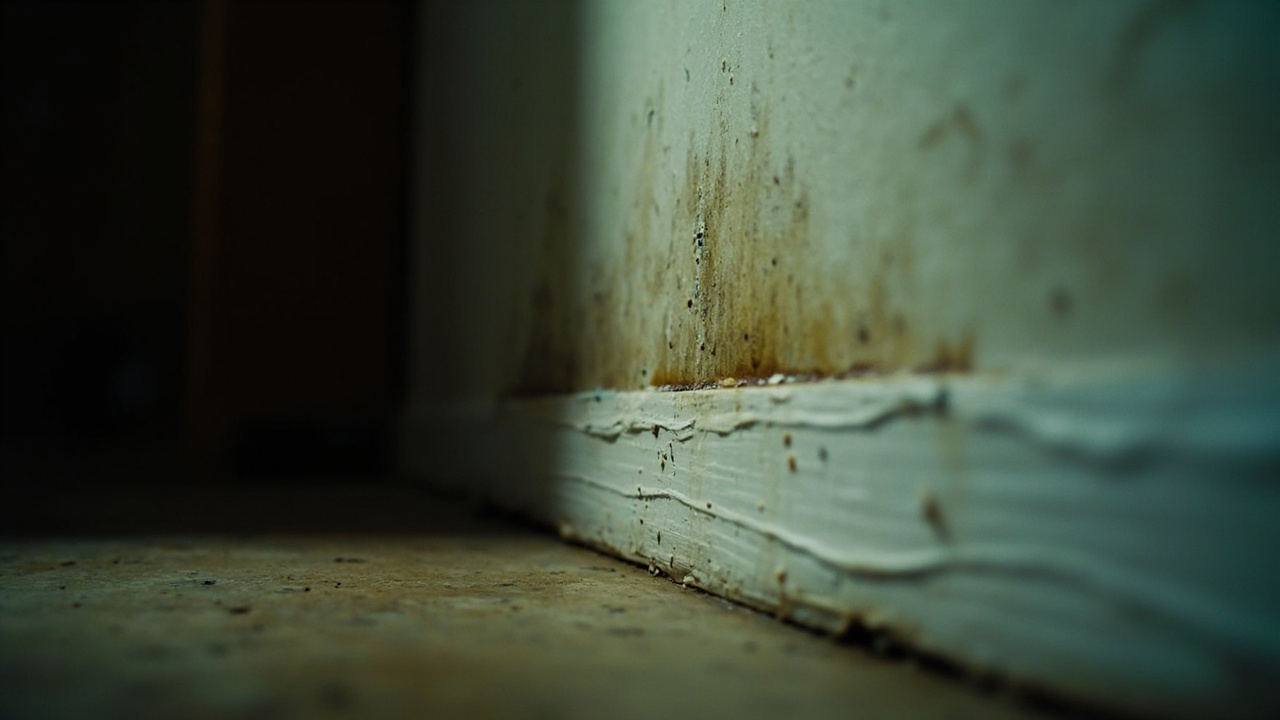
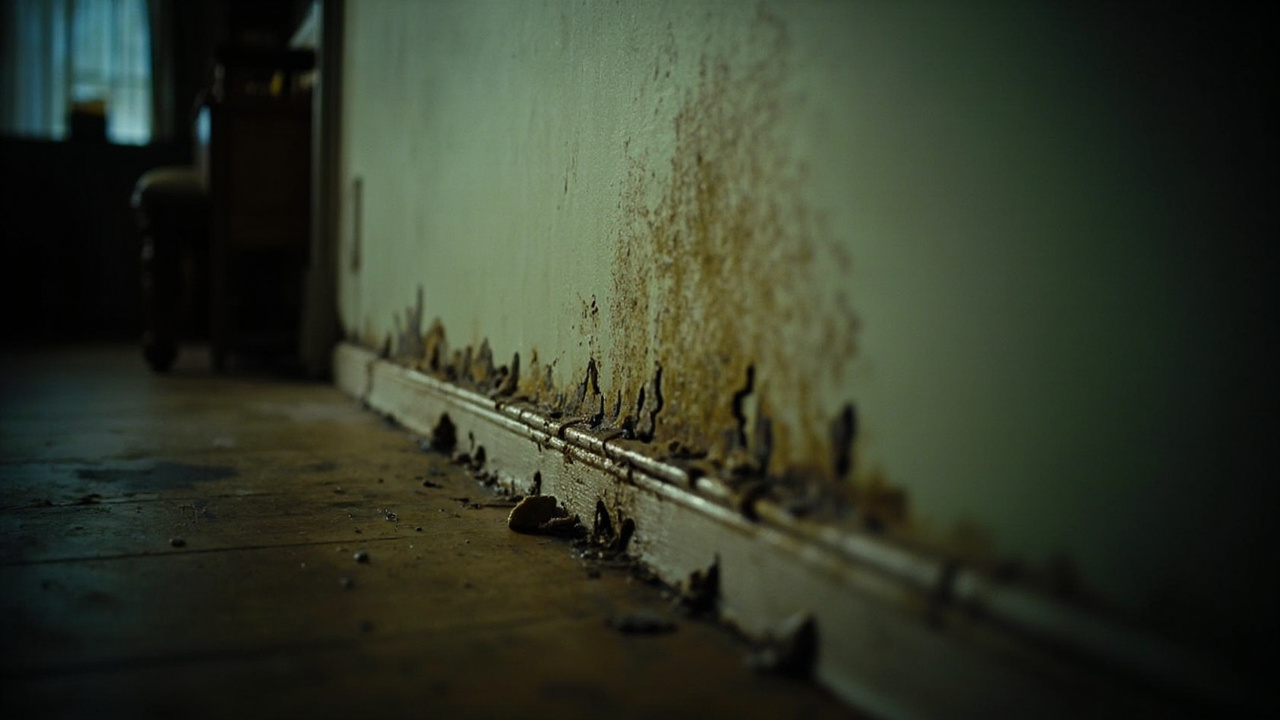
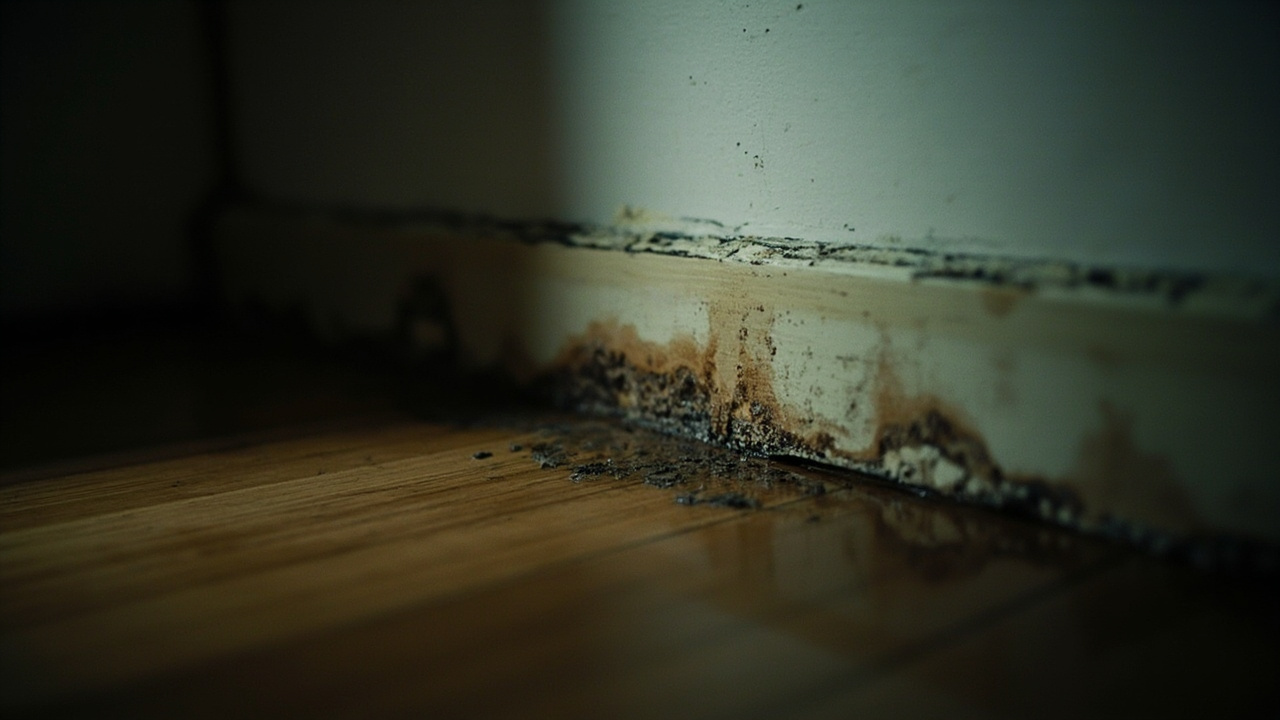
The indicators of invisible mold include musty odors, unexplained allergies, and discolored patches on walls or ceilings. Many residents blame seasonal allergies when the real culprit hides inside their walls. Detecting hidden mold requires understanding where moisture accumulates in Richmond's specific building types and climate patterns. The longer mold grows undetected, the more expensive remediation becomes and the greater the health risk to your family.

Richmond's Climate Creates Perfect Conditions for Hidden Mold Growth
Professional Mold Detection Methods That Find What You Cannot See

Professional Mold Detection Methods That Find What You Cannot See

Surface inspection misses most hidden mold problems. Professional detection requires thermal imaging cameras that identify temperature differentials indicating moisture accumulation behind walls. Cool spots on thermal scans reveal where water vapor condenses and mold grows. We scan wall cavities, ceiling spaces, and subfloor areas where moisture migrates but remains invisible.

Moisture meters measure water content inside building materials without destructive testing. We probe walls, flooring, and structural members to map moisture patterns. Elevated readings above 16 percent indicate conditions favorable for mold growth. These measurements guide targeted sampling in problem areas rather than guessing where mold hides.

Air quality testing captures airborne mold spores throughout your home. We collect samples from multiple rooms and compare spore counts to outdoor baseline levels. Elevated indoor spore concentrations, especially of toxigenic species like Stachybotrys or Chaetomium, confirm active mold growth somewhere in the structure. This testing identifies contamination even when you cannot locate the source visually.

Borescope inspection allows visual examination inside wall cavities, above ceilings, and under flooring through small access holes. This minimally invasive technique confirms mold growth and assesses extent before opening walls. We document conditions with photos and video that support remediation planning and insurance claims.

Laboratory analysis of samples identifies specific mold species and concentration levels. This information determines health risks and guides remediation protocols. Different mold types require different containment and removal methods. Professional detection eliminates guesswork and ensures you address the actual problem, not just visible symptoms.

What Happens During a Professional Mold Investigation

Signs of Hidden Mold in Richmond – Expert Detection Before It Threatens Your Health
01

Initial Assessment and Moisture Mapping

We start with a detailed walk-through documenting visible signs of mold behind walls, water staining, and musty odors. Thermal imaging scans identify hidden moisture in walls, ceilings, and floors. Moisture meters quantify water content in building materials. We map problem areas and identify likely mold locations based on Richmond's common moisture entry points like foundation cracks, roof penetrations, and plumbing runs.
02

Sampling and Laboratory Analysis

Air samples capture spore counts in affected rooms and compare them to outdoor baselines. Surface samples from suspected mold growth go to certified laboratories for species identification. Bulk material samples from inside walls or under flooring confirm hidden colonies. Lab results typically return within 48 to 72 hours. This data determines whether you face cosmetic mildew or hazardous toxigenic mold requiring professional remediation.
03

Detailed Findings Report

You receive a comprehensive report documenting all findings, laboratory results, photos, and thermal images. The report identifies mold species, contamination levels, moisture sources, and affected areas. We provide clear remediation recommendations with scope of work details. This documentation supports insurance claims and helps contractors develop accurate bids. You know exactly what problems exist and what corrective actions the situation requires.

Why Richmond Property Owners Trust Local Mold Detection Expertise

Richmond's building stock ranges from 18th-century row houses in Shockoe Slip to mid-century ranches in West End and modern construction in Short Pump. Each era has distinct moisture vulnerabilities. Historic homes lack vapor barriers and have plaster walls that trap moisture. Mid-century homes have inadequate attic ventilation and original plumbing prone to pinhole leaks. Newer homes sometimes have construction defects like improperly installed house wrap or inadequate flashing.

Local expertise matters because mold problems vary by neighborhood and building type. Fan District brownstones experience different moisture patterns than Lakeside bungalows or Forest Hill colonials. We understand how Richmond's clay soil affects foundation drainage, how seasonal flooding along the James River impacts crawlspaces, and how the city's tree canopy keeps roofs damp longer after rain.

Building codes in Richmond have evolved, but many homes predate modern moisture management requirements. We know which construction methods create hidden mold risks and where to look based on when your home was built. This knowledge eliminates wasted time and focuses inspection on actual problem areas.

Richmond's humidity stays above 70 percent for much of the year. This creates chronic moisture stress on buildings. Generic mold detection protocols miss local patterns. We account for how Richmond's climate interacts with specific construction types to identify concealed mold others overlook.

Insurance claims for mold damage require proper documentation and adherence to industry standards. We provide reports that meet carrier requirements and support coverage decisions. Our findings help you avoid claim denials due to insufficient evidence or improper testing procedures. When you need answers about hidden mold, local expertise delivers accurate results the first time.

What You Should Know About Professional Mold Detection Services

Response Time and Scheduling

We schedule mold inspections within 24 to 48 hours of your call. Most inspections take two to four hours depending on property size and suspected contamination extent. We work around your schedule, including evenings and weekends. Emergency inspections for severe water damage or health concerns receive priority response. You do not wait days wondering whether you have a mold problem. Quick scheduling prevents anxiety and allows faster remediation if testing confirms contamination.

Comprehensive Property Evaluation

Our inspection covers all areas where moisture accumulates in Richmond homes. We examine attics, crawlspaces, basements, wall cavities, HVAC systems, and plumbing penetrations. Thermal imaging reveals hidden moisture patterns. Moisture meters quantify water content in suspect materials. Air and surface sampling captures evidence for laboratory analysis. You receive documentation of all findings with photos and thermal images. This thorough approach ensures we identify all mold sources, not just obvious symptoms.

Clear, Actionable Results

Laboratory results identify specific mold species and spore concentrations. Our report explains what the data means for your health and property. You get clear remediation recommendations, not vague suggestions. We outline which areas require professional remediation, which materials need removal, and what moisture repairs must happen to prevent recurrence. The report includes scope of work details contractors need for accurate bids. You understand exactly what problems exist and what fixing them requires.

Post-Remediation Verification Testing

After remediation work completes, verification testing confirms successful mold removal. We conduct clearance air sampling to verify spore counts return to normal levels. Visual inspection ensures all contaminated materials were removed and moisture sources corrected. This independent verification protects you from contractors who claim the job is done without proper confirmation. Clearance testing documents that your home is safe for reoccupancy and provides proof for insurance purposes.

Frequently Asked Questions

You Have Questions,
We Have Answers

How do you know if you have hidden mold in your house? +

You know hidden mold exists when you smell persistent musty odors, notice unexplained water stains on walls or ceilings, or see discoloration around baseboards and corners. Richmond's high humidity makes crawl spaces and attics vulnerable. Watch for warping drywall, peeling paint, or increased allergy symptoms when you enter specific rooms. Check behind appliances, under sinks, and near HVAC systems. If you experienced past water damage or roof leaks, hidden mold often grows inside wall cavities where moisture lingered. Professional moisture meters and thermal imaging cameras detect hidden growth you cannot see with your eyes alone.

What are signs of mold sickness? +

Mold sickness shows up as persistent respiratory issues like coughing, wheezing, and shortness of breath. You may experience chronic sinus congestion, headaches, and fatigue that worsen at home. Skin rashes, itchy eyes, and throat irritation are common. Some people develop brain fog, memory problems, and difficulty concentrating. Richmond's humid climate accelerates mold growth, making symptoms worse during summer months. If your symptoms improve when you leave home and return when you come back, mold exposure is likely the cause. Immunocompromised individuals and children show more severe reactions to mold exposure.

Can mold cause croup? +

Mold does not directly cause croup, but it worsens respiratory inflammation that makes croup symptoms more severe. Mold spores irritate airways and trigger immune responses that lead to swelling in the throat and breathing difficulties. Children exposed to mold have higher rates of respiratory infections, which can develop into croup. Richmond homes with basement moisture or crawl space humidity create environments where mold thrives. If your child has recurring croup episodes, inspect your home for hidden mold growth. Eliminating mold exposure reduces respiratory inflammation and helps prevent future croup flare-ups.

Can mold cause UTIs? +

Mold does not directly cause urinary tract infections. UTIs result from bacterial infections in the urinary system, not fungal exposure. However, prolonged mold exposure weakens your immune system, making you more vulnerable to all types of infections, including UTIs. Some mold species produce mycotoxins that suppress immune function and reduce your body's ability to fight bacterial invaders. If you experience recurring UTIs alongside respiratory symptoms or unexplained fatigue, investigate your Richmond home for hidden mold. Address mold problems to restore immune function, but treat UTIs with proper medical care and antibiotics as prescribed by your doctor.

What are the 10 warning signs of mold toxicity? +

The 10 warning signs of mold toxicity include chronic fatigue, brain fog, memory loss, headaches, respiratory problems, joint pain, skin rashes, digestive issues, mood changes, and sensitivity to light or sound. You may experience multiple symptoms simultaneously. Richmond's climate creates ideal conditions for toxic mold growth, particularly in crawl spaces and attics with poor ventilation. Symptoms often worsen during humid summer months when mold spores become airborne. If you notice these signs alongside musty odors or visible water damage, seek professional mold testing. Remove yourself from exposure while professionals remediate the source to prevent long-term health damage.

How do you get rid of mold that you can't see? +

You get rid of hidden mold by hiring professionals who use moisture meters, thermal cameras, and air quality testing to locate growth inside walls, ceilings, and crawl spaces. Professionals remove affected drywall, insulation, and materials where mold has penetrated. They treat structural elements with antimicrobial solutions and install dehumidifiers to control moisture. Richmond homes need proper ventilation in attics and crawl spaces to prevent recurrence. Do not attempt DIY remediation for hidden mold. You risk spreading spores throughout your home and missing hidden colonies. Professional remediation includes containment barriers, HEPA filtration, and verification testing to confirm complete removal.

How Richmond's James River Humidity and Historic Housing Stock Complicate Mold Detection

Richmond's proximity to the James River creates elevated humidity that persists year-round. Summer dew points regularly exceed 70 degrees, causing condensation inside air-conditioned homes when warm, moist air contacts cool surfaces. Historic districts like Church Hill and Oregon Hill contain homes built before 1950 with no vapor barriers, limited insulation, and poor ventilation. These conditions trap moisture inside wall cavities where mold grows undetected. Detecting hidden mold in these older structures requires understanding how moisture migrates through plaster walls, wood lath, and balloon framing. The symptoms of concealed mold often manifest as persistent musty odors and unexplained respiratory problems before visible growth appears.

Richmond building codes have evolved significantly, but enforcement varies across jurisdictions. Properties in the city limits follow different standards than those in Henrico or Chesterfield counties. We stay current with local requirements for mold remediation and moisture control. Our inspection reports meet standards accepted by Richmond-area insurance carriers and satisfy documentation requirements for real estate transactions. When you work with local professionals who understand Richmond's specific building stock and climate challenges, you get accurate detection and avoid the costly mistakes that come from generic approaches applied to unique local conditions.

Water Damage Restoration Services in The Richmond Area

Horizon Water Damage Restoration proudly serves the greater Richmond area and surrounding communities. Our strategic location allows us to respond quickly and efficiently to your water damage emergencies, no matter where you are. We are committed to being a local, reliable presence for our neighbors. View our service area on the map below to see how we can reach you and provide the swift, expert service you need.

Address:
Horizon Water Damage Restoration Richmond, 1840 W Broad St, Richmond, VA, 23220

Additional Services We Offer

Our news updates

Latest Articles & News from The Blogs

Investigating a Suddenly High Richmond Water Bill (Where to Look for Hidden Leaks) A sudden spike in your water bill…

Investigating a Suddenly High Richmond Water Bill (Where to Look for Hidden Leaks)

Investigating a Suddenly High Richmond Water Bill (Where to Look for Hidden Leaks) A sudden spike in your water bill…

Should You Close Your Crawl Space Vents During the Humid Virginia Summer Months?

Should You Close Your Crawl Space Vents During the Humid Virginia Summer Months? Richmond’s summer humidity often exceeds 80% and…

What Bubbling Paint on Your Ceiling Actually Says About Your Roof or Plumbing

What Bubbling Paint on Your Ceiling Actually Says About Your Roof or Plumbing Bubbling paint on your ceiling is more…

Contact Us

Waiting makes mold problems worse and more expensive to fix. Call Horizon Water Damage Restoration Richmond at (804) 602-2644 for professional mold detection. We schedule inspections quickly, deliver accurate results, and provide clear remediation guidance. Protect your health and property today.