





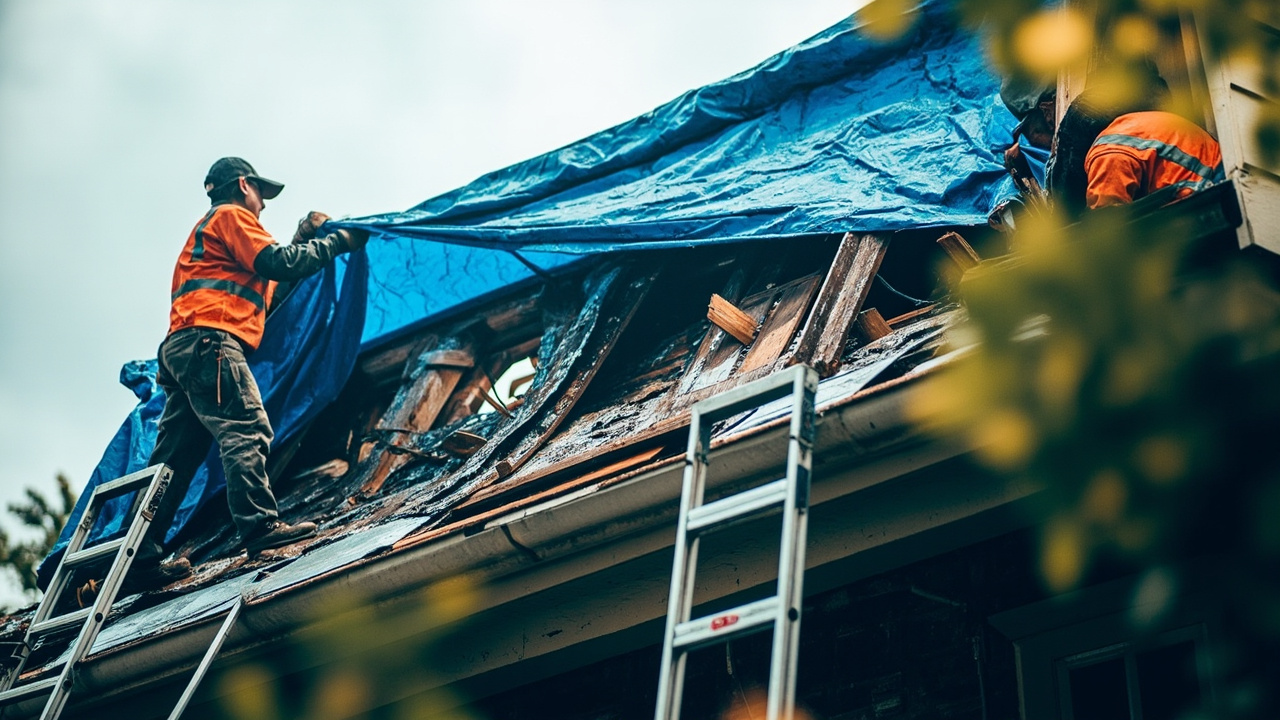
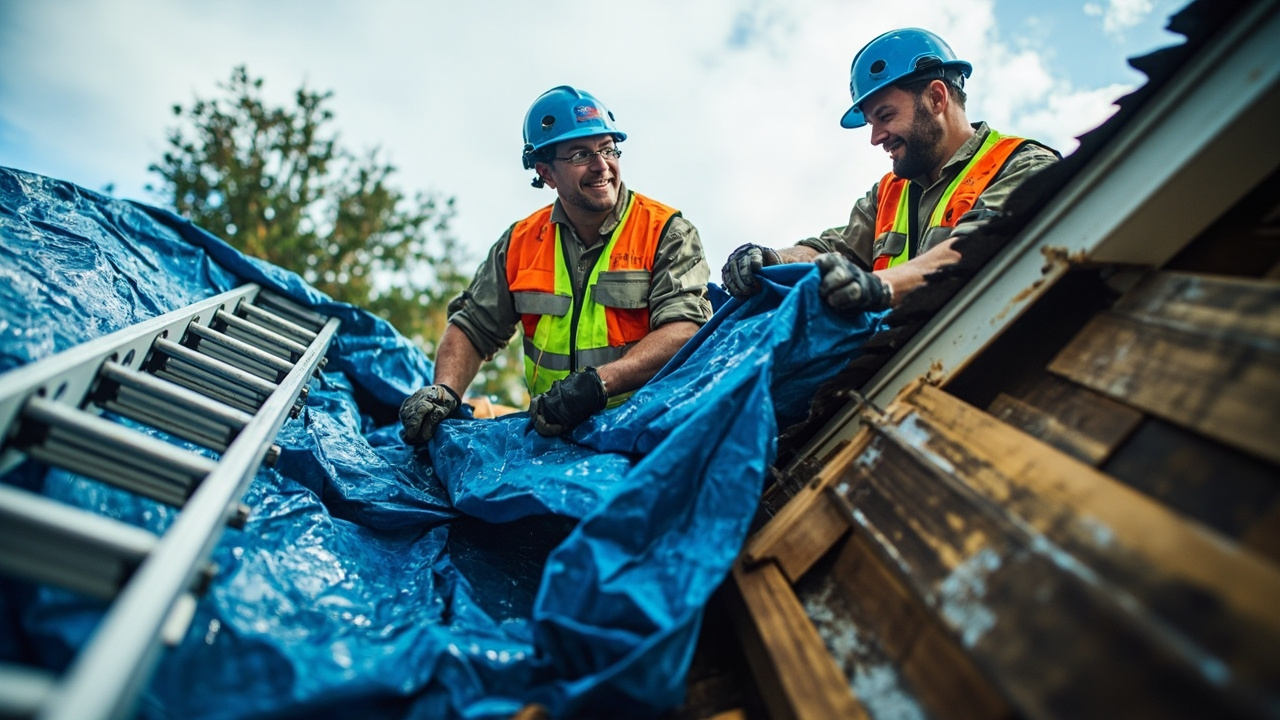
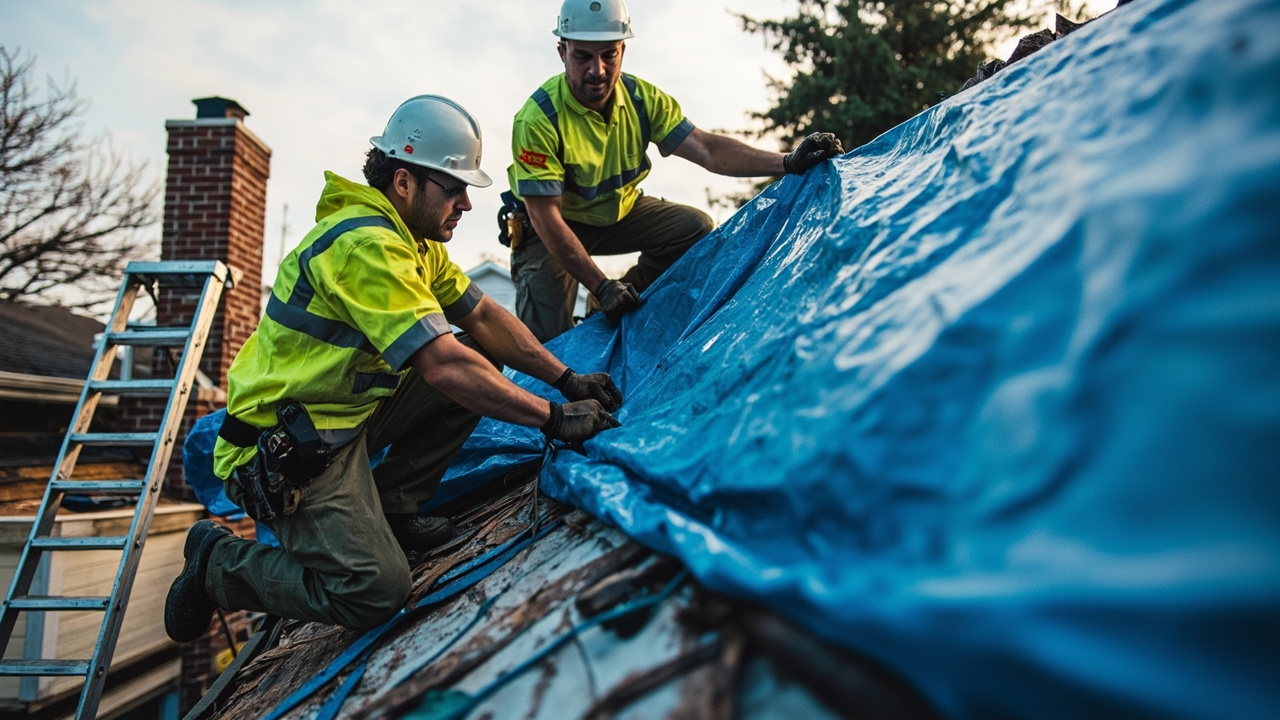
Richmond sits in a unique weather corridor where Gulf moisture collides with cold fronts moving down from the Appalachians. This creates explosive thunderstorm development with minimal warning. The James River valley acts as a natural wind tunnel, funneling storm systems directly through the metro area with intensified wind speeds. Neighborhoods in the river lowlands like Shockoe Bottom and Manchester experience particularly intense weather events. When these systems hit, roof damage happens fast. Shingles designed for 90 mph winds fail at 110 mph. Emergency roof leak tarping becomes the only defense against catastrophic interior water damage when these storms strike outside business hours.
Richmond's historic preservation districts add another layer of complexity to emergency roof work. Many homes in The Fan and Church Hill have architectural features that require specialized tarping approaches. Crew members need to understand how to secure tarps on slate roofs, tile roofs, and historic flat-seam metal roofing without causing additional damage to irreplaceable materials. Local building inspectors in Richmond also have specific expectations for temporary weather protection on historic properties. Working with a restoration company that understands these local requirements means your emergency tarping protects your home without creating compliance problems when you move to permanent repairs.


