





Menu

Cupping or Buckling Wood Floors in Richmond – Expert Diagnosis and Permanent Water Damage Repair

When warped hardwood flooring appears in your Richmond home, you need specialists who understand moisture migration in Virginia's climate and can restore structural stability before subfloor damage spreads.

Slider Image 1
Slider Image 2
Slider Image 3
Slider Image 4
Slider Image 5
Slider Image 7
Slider Image 8
Slider Image 9
Slider Image 10
Slider Image 11

Why Richmond Wood Floors Cup and Buckle After Water Exposure

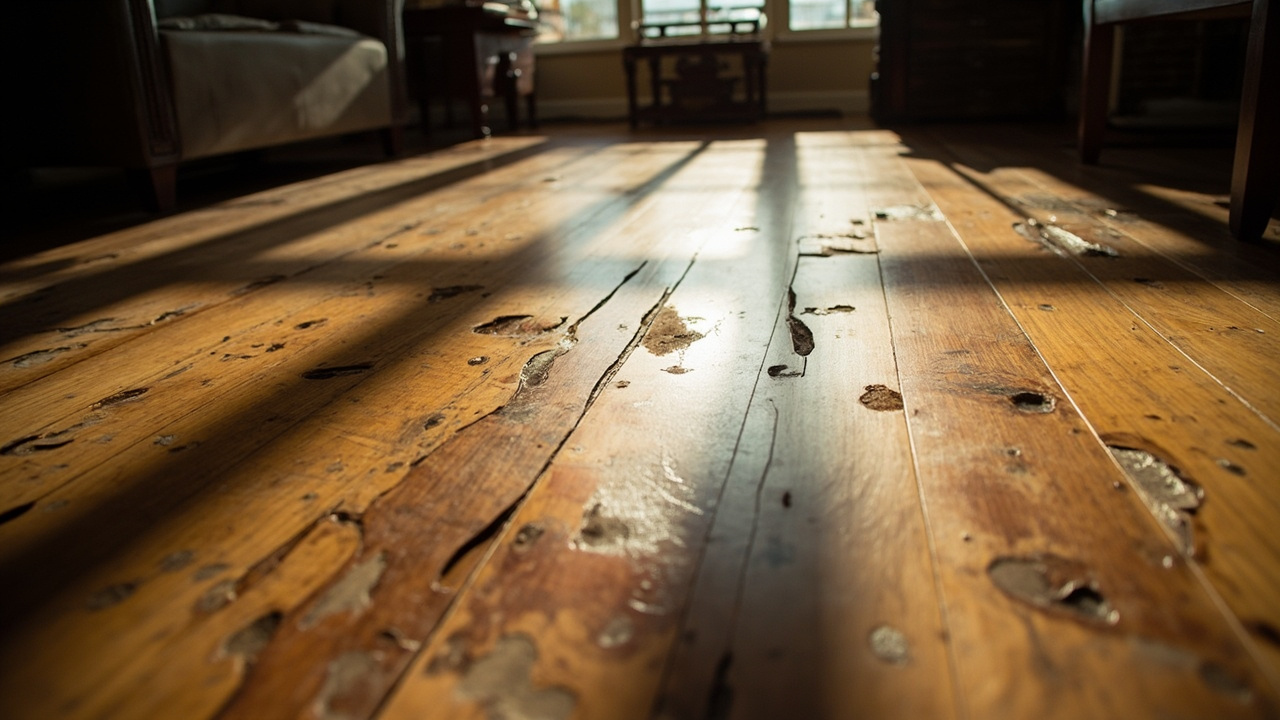
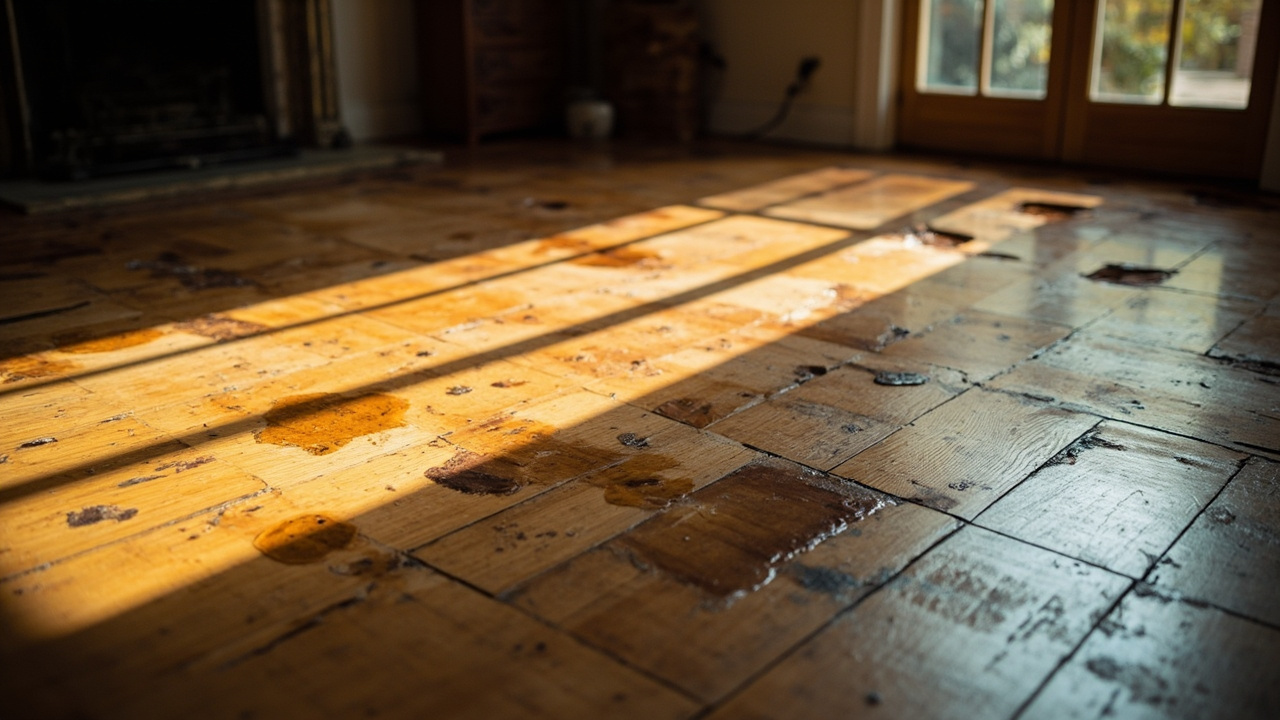
You walk into your living room and see waves across what was once a flat hardwood surface. The swollen wood planks bulge at the center or edges have lifted, creating ridges you can trip over. This is not cosmetic damage. Your floor is telling you water infiltrated the wood grain and disrupted the cellular structure.

Richmond's position along the James River and humid subtropical climate creates persistent moisture stress. Summer humidity regularly climbs above 70 percent, especially in neighborhoods near Bryan Park or along the river corridor. When this outdoor moisture combines with indoor water events like slab leaks, failed washing machine hoses, or HVAC condensate line failures, hardwood becomes a sponge.

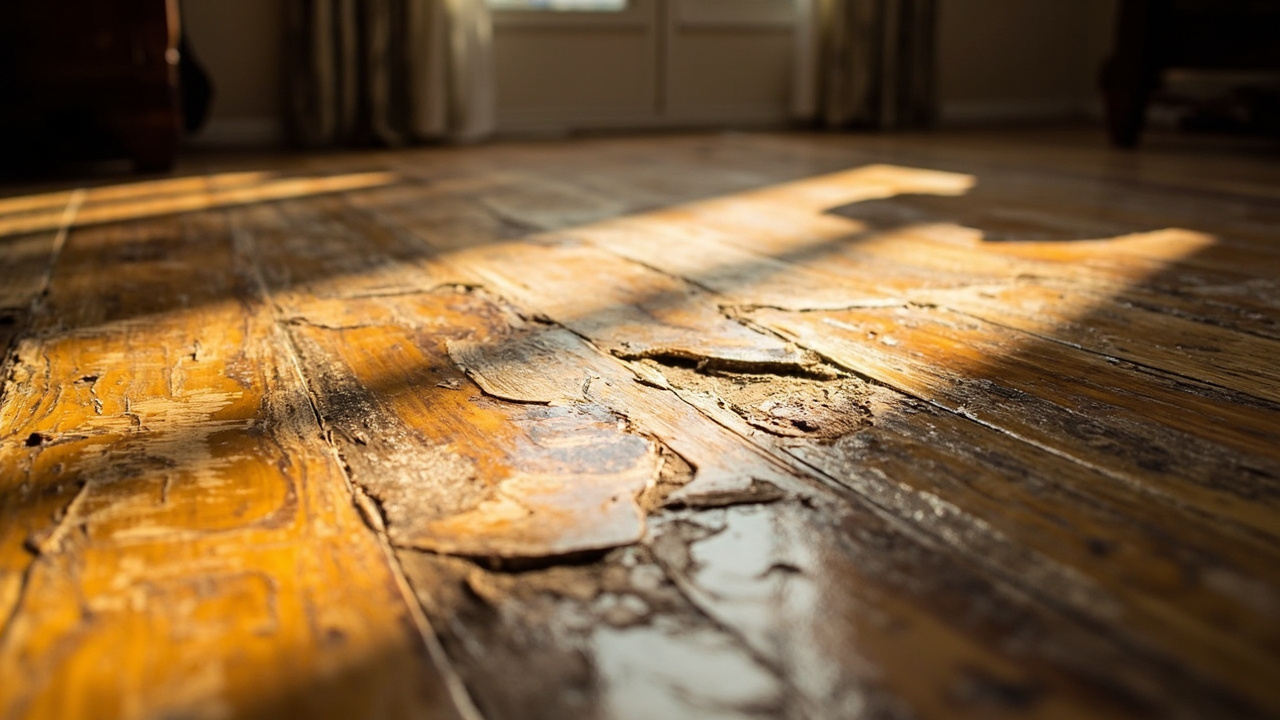
Cupping occurs when the bottom of the plank absorbs more moisture than the top, causing edges to lift while the center stays anchored. Buckling happens when the entire plank swells, breaks free from the subfloor, and creates peaking hardwood joints that tent upward. Both conditions signal active moisture below the surface.

In Richmond's older Fan District and Museum District homes, original hardwood sits over pier and beam foundations with crawl spaces. Poor vapor barriers in these spaces allow ground moisture to wick upward. In newer West End construction with slab foundations, plumbing leaks beneath the concrete create pressure that drives water into the wood from below.

Lifting floorboards and raised wood floor edges are not problems you sand away. The moisture source must be located, the subfloor inspected for rot or mold, and the drying process controlled to avoid further splitting or permanent deformation. Ignoring warped hardwood flooring leads to subfloor decay and joist damage that costs exponentially more to repair.

Why Richmond Wood Floors Cup and Buckle After Water Exposure
How We Isolate Moisture Sources and Restore Structural Integrity

How We Isolate Moisture Sources and Restore Structural Integrity

We do not guess at moisture sources. We use pin-type and pinless moisture meters to map moisture content across the affected floor area and penetrate readings into the subfloor. Hardwood should measure between 6 and 9 percent moisture content. Readings above 12 percent indicate active water intrusion. Readings above 20 percent signal saturation that requires immediate intervention.

Thermal imaging cameras reveal temperature differentials that expose hidden plumbing leaks, failed vapor barriers, or HVAC drain line failures behind walls or beneath slabs. In Richmond's brick veneer homes common to Bon Air and Lakeside, we check weep holes and foundation drainage because exterior water can migrate inward through masonry.

Once we locate the source, we stop the water. Then we assess the subfloor. Plywood or OSB subfloors that show delamination, soft spots, or black staining from mold growth must be removed and replaced. Tongue and groove pine subfloors common in pre-1950s Richmond homes can often be dried and salvaged if caught early.

Drying cupped or buckled floors requires low-grain refrigerant dehumidifiers, not box fans. We target 30 to 50 percent relative humidity in the drying zone and monitor daily moisture readings. Drying too fast causes checking and splitting. Drying too slow allows mold colonization. We control the process with precision.

Horizon Water Damage Restoration Richmond uses drying mats that create negative pressure zones directly against the floor surface, pulling moisture out through the wood grain. Air movers positioned at 45-degree angles accelerate evaporation without over-drying the top surface. When moisture content returns to 6 to 9 percent and equilibrates across the plank thickness, we reassess whether the floor can be sanded flat or requires replacement.

What Happens During Warped Floor Restoration

Cupping or Buckling Wood Floors in Richmond – Expert Diagnosis and Permanent Water Damage Repair
01

Moisture Mapping and Source Identification

We take moisture readings across the entire floor area and into the subfloor using calibrated meters. Thermal imaging identifies hidden leaks in walls, slabs, or crawl spaces. We document baseline moisture levels and mark wet zones with floor tape. You receive a moisture map showing exactly where the problem originates and how far the saturation extends beneath the visible surface.
02

Controlled Drying and Subfloor Assessment

We deploy low-grain dehumidifiers and drying mats that extract moisture from the wood without warping it further. Air movers create laminar airflow across the surface. We monitor humidity levels and wood moisture content twice daily. If subfloor damage is present, we remove affected sections and treat for mold. Drying continues until moisture content stabilizes at 6 to 9 percent across all planks.
03

Structural Evaluation and Restoration

Once dry, we reassess the floor for permanent deformation. Minor cupping can be sanded flat after acclimation. Severe buckling or peaking hardwood joints require plank replacement. We match wood species, grain pattern, and finish. Subfloor repairs are completed before reinstallation. You receive documentation of final moisture readings and a stabilized floor that will not re-cup if the moisture source is eliminated.

Why Richmond Homeowners Trust Local Water Damage Specialists

Richmond's housing stock spans 200 years. A Church Hill row house built in 1890 has different subfloor construction than a 1970s split-level in Bon Air or a 2015 townhome in Scott's Addition. We know the difference between pier and beam crawl spaces, post-tensioned slab foundations, and basement installations. This knowledge determines how we dry the structure.

Horizon Water Damage Restoration Richmond has restored floors in homes across the Fan District, Museum District, and surrounding counties. We understand that homes near the James River or adjacent to Byrd Park face higher ambient humidity. We know that Richmond's clay soil causes foundation settlement that can crack plumbing lines beneath slabs.

We work directly with your insurance adjuster to document the loss. Most homeowners policies cover sudden and accidental water damage, including the cost to dry and restore hardwood floors. We provide detailed moisture logs, thermal images, and photo documentation that supports your claim. We also identify pre-existing conditions like prior water stains or old repairs to avoid coverage disputes.

Local building codes in Richmond and surrounding Henrico, Chesterfield, and Hanover counties require proper moisture barriers in crawl spaces and beneath slab installations. When we replace subfloors, we install 6-mil polyethylene vapor barriers and ensure proper ventilation or encapsulation. This prevents future moisture intrusion.

You need a team that recognizes the early signs of secondary damage. Mold begins colonizing wood surfaces within 48 to 72 hours of water exposure. We treat affected areas with antimicrobial solutions and verify clearance with post-remediation air sampling if necessary. Trust is earned through transparency. You see the readings, you understand the process, and you make informed decisions about repair versus replacement.

What You Can Expect When You Call for Floor Restoration

Same-Day Emergency Response

Water damage does not wait. We dispatch within two hours of your call and arrive with moisture detection equipment and industrial drying tools. Our trucks carry thermal cameras, moisture meters, dehumidifiers, air movers, and drying mats. We begin the assessment immediately and start the drying process the same day. Quick intervention reduces the severity of cupping and buckling, often saving floors that would otherwise require full replacement.

Comprehensive Moisture Assessment

We map moisture across the floor surface and penetrate readings into the subfloor and joists. Thermal imaging reveals hidden leaks behind walls or beneath slabs that are not visible to the eye. You receive a written assessment that explains the moisture source, the extent of saturation, and the projected drying timeline. We also inspect for mold growth and document any secondary damage to baseboards, drywall, or insulation.

Precision Drying and Restoration

We control humidity levels and monitor wood moisture content daily until equilibrium is reached. Our goal is to return the floor to its pre-loss condition without causing additional splitting, checking, or permanent warping. If sanding and refinishing restores the surface, we coordinate that work. If plank replacement is necessary, we match species, grade, and finish. You receive a floor that looks and performs as it did before the water event.

Post-Restoration Monitoring and Moisture Control

After drying and restoration, we provide recommendations to prevent recurrence. This includes crawl space encapsulation, improved drainage around the foundation, or repairs to plumbing and HVAC systems. We offer follow-up moisture checks at 30 and 90 days to verify the floor remains stable. You also receive guidance on maintaining indoor humidity levels between 30 and 50 percent to protect your investment long term.

Frequently Asked Questions

You Have Questions,
We Have Answers

What is the difference between wood buckling and cupping? +

Cupping occurs when the edges of wood planks are higher than the center, creating a concave shape. This happens when moisture penetrates the bottom of the board, causing expansion. Buckling is more severe. The wood pulls away from the subfloor entirely, creating raised sections or peaks. Richmond's high humidity and summer storms often cause cupping first. If moisture continues or floods occur, buckling follows. Cupping typically affects individual boards. Buckling can lift entire floor sections. Both require moisture removal and professional assessment to prevent permanent damage.

What does cupping look like on a wood floor? +

Cupped wood floors have visible curves across each plank. Run your hand perpendicular to the boards. You will feel raised edges with a dip in the center. The floor looks wavy or washboard-like. In Richmond homes, cupping often appears near exterior doors, bathrooms, or basements where moisture intrusion is common. Severe cupping creates noticeable gaps between plank edges. Light reflects differently across the uneven surface. You may hear hollow sounds when walking over affected areas. Early cupping is subtle. Advanced cases show dramatic height differences between edges and centers.

What does a buckled hardwood floor look like? +

Buckled hardwood floors show dramatic warping where planks lift completely off the subfloor. You will see raised peaks, tenting, or entire sections pulled away from the base. The floor feels unstable underfoot. Gaps appear between boards. Some planks may crack from the stress. In Richmond, buckling often follows water heater failures, pipe bursts, or flooding from hurricanes. The damage looks more severe than cupping. Boards may overlap or twist. Walking across buckled floors creates loud creaking or cracking sounds. The visual distortion is obvious from across the room.

Will my cupped wood floors flatten? +

Sometimes. If you remove the moisture source quickly, minor cupping may reverse as wood dries. Richmond's climate variability helps. Cooler, drier months can aid natural flattening. However, this takes weeks or months. Severe cupping rarely flattens completely without intervention. The wood fibers compress during swelling. They do not always return to original shape. Professional water extraction and controlled drying improve outcomes. Waiting without action risks permanent deformation. Mold growth becomes likely after 48 hours. Do not assume floors will self-correct. Get moisture readings from a professional immediately.

Can cupped hardwood floors be repaired? +

Yes, but the approach depends on severity. Minor cupping may resolve with proper drying and humidity control. Moderate cases often require sanding and refinishing after the wood stabilizes. Severe cupping may need board replacement. Richmond's humidity makes moisture control critical before any repair. You must identify and fix the water source first. Professionals use moisture meters to confirm the wood has returned to acceptable levels. Rushing repairs while moisture remains causes recurring problems. Some floors need subfloor work if water damage extends below the surface. Structural issues require more extensive intervention.

Will buckled hardwood floors go back to normal? +

Rarely. Buckling indicates severe moisture damage and structural failure. The boards have separated from the subfloor. Even after drying, they typically stay deformed. Richmond homeowners facing buckling from floods or major leaks usually need board replacement. The fasteners have pulled loose. The wood fibers are permanently damaged. Attempting to force buckled boards flat risks cracking. Subfloor damage often accompanies buckling. Mold growth beneath buckled sections is common. Professional restoration involves removing affected boards, treating the subfloor, and installing new flooring. Waiting worsens the problem and increases costs.

Is hardwood floor cupping normal? +

No. Cupping signals a moisture problem. While minor seasonal changes in Richmond humidity can cause slight expansion, visible cupping is not normal. It means water is penetrating your floors from below, above, or through the edges. Common causes include plumbing leaks, poor ventilation, crawl space moisture, or exterior water intrusion. Ignoring cupping leads to worse damage. The wood continues absorbing moisture. Mold grows. Structural issues develop. Address the root cause immediately. Normal hardwood floors remain flat with only minimal seasonal gaps between boards during winter.

Can you fix cupped wood? +

Yes, with professional intervention. Fixing cupped wood requires identifying the moisture source, extracting water, and controlling humidity. Richmond homes often need dehumidifiers or crawl space encapsulation. After the wood dries and stabilizes, professionals assess whether sanding and refinishing will work or if replacement is needed. Light cupping responds well to refinishing. Deep cupping may require replacing boards. Do not sand wet or actively cupping floors. You will remove too much material. Let the wood acclimate for several weeks. Moisture meters confirm when repair is safe. Rushing causes poor results and wasted money.

Will my cupped wood floors flatten reddit? +

Reddit anecdotes vary because outcomes depend on damage severity and response speed. Some users report flattening after months. Others needed full replacement. Richmond's climate adds complexity. High summer humidity slows drying. You cannot rely on hope. Professional water extraction and dehumidification give the best chance for natural flattening. Waiting without action allows mold growth and permanent damage. Moisture meters provide objective data, not guesses. If cupping persists beyond eight weeks after drying, the damage is likely permanent. Professional assessment beats crowdsourced advice for expensive floors.

How to tell if a floor is buckling? +

Buckling floors show visible peaks, raised sections, or boards pulling away from the subfloor. Walk across the area. You will feel instability or bounce. Look for gaps between planks or boards overlapping. Buckling creates noticeable height changes you can see from different angles. In Richmond homes, check areas near water heaters, under sinks, or along exterior walls after storms. Shine a flashlight at a low angle. Shadows reveal elevation changes. Buckling feels and sounds different than solid flooring. You may hear cracking or popping when weight shifts. Address buckling immediately.

How Richmond's Humidity and Clay Soil Accelerate Floor Damage

Richmond sits in a humid subtropical zone where outdoor dew points regularly exceed 65 degrees from May through September. This moisture penetrates homes through foundation vents, crawl spaces, and poorly sealed basements. When indoor humidity climbs above 60 percent, hardwood begins absorbing moisture from the air. Combine this with Richmond's expansive clay soil, which swells and contracts with seasonal moisture changes, and you create conditions where foundation slabs crack and plumbing lines shift. These subsurface failures deliver water directly beneath your flooring, causing rapid swelling and buckling.

Horizon Water Damage Restoration Richmond has worked in every neighborhood from Carytown to Highland Springs. We understand the construction methods used in different eras and how local soil conditions affect foundation stability. Our technicians are trained in Virginia-specific moisture control practices and work with local building inspectors to ensure all repairs meet code. When you choose a local provider, you benefit from experience with Richmond's unique challenges and relationships with trusted subcontractors for flooring, plumbing, and foundation work.

Water Damage Restoration Services in The Richmond Area

Horizon Water Damage Restoration proudly serves the greater Richmond area and surrounding communities. Our strategic location allows us to respond quickly and efficiently to your water damage emergencies, no matter where you are. We are committed to being a local, reliable presence for our neighbors. View our service area on the map below to see how we can reach you and provide the swift, expert service you need.

Address:
Horizon Water Damage Restoration Richmond, 1840 W Broad St, Richmond, VA, 23220

Additional Services We Offer

Our news updates

Latest Articles & News from The Blogs

Investigating a Suddenly High Richmond Water Bill (Where to Look for Hidden Leaks) A sudden spike in your water bill…

Investigating a Suddenly High Richmond Water Bill (Where to Look for Hidden Leaks)

Investigating a Suddenly High Richmond Water Bill (Where to Look for Hidden Leaks) A sudden spike in your water bill…

Should You Close Your Crawl Space Vents During the Humid Virginia Summer Months?

Should You Close Your Crawl Space Vents During the Humid Virginia Summer Months? Richmond’s summer humidity often exceeds 80% and…

What Bubbling Paint on Your Ceiling Actually Says About Your Roof or Plumbing

What Bubbling Paint on Your Ceiling Actually Says About Your Roof or Plumbing Bubbling paint on your ceiling is more…

Contact Us

Waiting makes cupping worse and allows mold to colonize the wood. Call Horizon Water Damage Restoration Richmond at (804) 602-2644 right now. We respond the same day with the equipment and expertise to save your hardwood floors.