



Mechanicsville sits in the coastal plain of Virginia where clay-heavy soils, seasonal humidity, and aging infrastructure create perfect conditions for water intrusion. The area's high water table means basements and crawl spaces stay damp year-round, especially in older neighborhoods near Hanover Courthouse and along the Chickahominy River watershed. Summer thunderstorms drop inches of rain in minutes, overwhelming gutters and finding every crack in your foundation.
Winter brings freeze-thaw cycles that burst pipes in attics and exterior walls. Many Mechanicsville homes were built in the 1970s and 1980s with original plumbing that's reaching end of life. Corroded supply lines fail without warning, flooding finished basements and damaging hardwood floors. The humid Virginia climate accelerates mold growth within 24 to 48 hours of water exposure, turning a manageable cleanup into a full remediation project.
Properties near Cold Harbor or close to Route 360 often experience drainage problems because of how developments were graded decades ago. Water pools against foundations during heavy rain, seeping through block walls and creating chronic moisture problems. Without fast response and proper drying equipment, water damage leads to structural rot, electrical hazards, and indoor air quality issues that affect your family's health.
When water floods your home, you need a crew that shows up fast with the right equipment and insurance expertise. Horizon Water Damage Restoration Richmond has served Mechanicsville and Hanover County for years, building our reputation on rapid response times and thorough documentation. We understand how Virginia's humidity complicates drying timelines and know which insurance adjusters work in this area.
Our technicians live in the Richmond metro and reach Mechanicsville properties in under an hour, even at 3 AM. We arrive in fully stocked trucks with commercial-grade extraction units, industrial dehumidifiers, air movers, and moisture detection equipment. While other companies subcontract work or make you wait until morning, we handle water emergencies the moment you call. Speed matters because water wicks through drywall, soaks insulation, and penetrates subfloors within hours.
We work with every major insurance carrier and know exactly how to document damage for maximum claim approval. Our team photographs everything, logs moisture readings, and creates detailed scope reports that adjusters trust. We handle the paperwork so you can focus on your family instead of fighting with insurance companies. Most restoration companies overcharge or drag out jobs to inflate claims. We price fairly and finish as quickly as possible because we know you want your life back to normal.
Our process follows IICRC standards for water damage restoration, which means proper containment, controlled drying, and antimicrobial treatment when needed. We don't cut corners or leave moisture hidden behind walls. Every job gets thermal imaging to find water migration paths and daily moisture monitoring until readings confirm complete dryness.

Water spreads fast and causes more damage every hour. We reach Mechanicsville properties within 60 minutes, day or night, with extraction equipment and industrial drying systems ready to deploy immediately. Our rapid response stops water migration and reduces your total restoration costs.

We handle all communication with your insurance carrier, document every step with photos and moisture readings, and bill directly so you avoid upfront costs. Our detailed reports meet adjuster requirements and help maximize your claim approval for complete restoration coverage.
Our team holds active IICRC certifications in water damage restoration and applied structural drying. We follow industry standards for moisture mapping, containment barriers, and antimicrobial treatment. Proper training means we dry your property completely and prevent mold growth that causes health problems.
We know Mechanicsville's clay soils, drainage patterns, and common construction methods. Local knowledge means we anticipate hidden water migration in crawl spaces and understand how Virginia humidity affects drying times. We work with the building challenges specific to this area.
Water damage takes many forms and requires different restoration approaches. A burst pipe in your finished basement needs different equipment than a slow roof leak that's been dripping for weeks. Horizon Water Damage Restoration Richmond handles every category of water intrusion, from clean water supply line failures to contaminated sewage backups that require biohazard protocols.
Our service range covers emergency water extraction, structural drying, content cleaning, mold remediation, and complete reconstruction. We're a single point of contact from the moment water invades until your property is fully restored. No subcontractors or handoffs to different companies. One crew handles your entire project, which speeds up timelines and keeps communication clear.
We categorize water damage based on contamination level and urgency. Category 1 clean water from supply lines gets handled differently than Category 3 black water from sewage or flooding. Our team assesses contamination risk, determines proper safety protocols, and uses appropriate cleaning methods for affected materials. This systematic approach protects your health and ensures nothing gets missed during cleanup and drying.
When water floods your property, immediate extraction prevents secondary damage and reduces restoration costs. We deploy truck-mounted extractors and portable pumps to remove standing water from basements, crawl spaces, and flooded rooms. Our crews work around the clock to extract water, remove soaked materials, and set up drying equipment before moisture spreads to unaffected areas. Fast mitigation stops water from wicking up walls and soaking into structural framing.
Removing visible water is just the first step. Moisture trapped in walls, subfloors, and insulation causes mold growth and structural decay. We use industrial dehumidifiers, air movers, and moisture meters to dry your property completely. Daily monitoring tracks moisture levels in affected materials until readings confirm safe dry standards. Proper drying takes 3 to 5 days in Virginia's humid climate and prevents long-term problems.
Mold colonizes damp materials within 48 hours in Mechanicsville's humid environment. If water damage sits untreated or drying happens too slowly, mold spreads across drywall, insulation, and framing. We contain affected areas, remove contaminated materials, treat surfaces with antimicrobial solutions, and verify clearance with air quality testing. Remediation protects your family from respiratory irritants and prevents structural damage from continued mold growth.
Mechanicsville's location in the Virginia coastal plain creates specific water damage vulnerabilities. High humidity, clay soils with poor drainage, and aging residential infrastructure mean water finds ways into basements, crawl spaces, and attics. Understanding these common problems helps you recognize early warning signs before minor leaks become major restoration projects.
Properties in established neighborhoods near Atlee and Pole Green often deal with foundation cracks from soil settlement. Clay expands when wet and contracts when dry, creating pressure against foundation walls that opens gaps for water seepage. New developments near Cold Harbor face drainage issues because grading directs runoff toward homes instead of away. These regional factors make water intrusion more likely across Hanover County.
The humid Virginia climate accelerates secondary damage. What starts as a small leak quickly becomes a mold problem if not dried properly. Homeowners who delay calling professionals end up with larger bills because moisture spreads unseen through wall cavities and under flooring. Recognizing these common issues helps you act fast when water threatens your property.
Aging copper and galvanized pipes corrode from the inside, weakening until water pressure causes catastrophic failure. Supply lines in attics freeze during cold snaps and burst when temperatures rise. A single failed pipe floods multiple rooms with hundreds of gallons before you can shut off the main valve.
Heavy rain overwhelms gutters and pools against foundations, seeping through cracks in block walls. Failed sump pumps allow groundwater to rise through basement floors. Clay soils hold water against your foundation, creating hydrostatic pressure that forces moisture through concrete. Crawl spaces stay damp year-round without proper vapor barriers.
Missing shingles, damaged flashing, and clogged gutters let water enter attics during storms. Leaks often go unnoticed until water stains appear on ceilings or insulation becomes soaked. Attic moisture drips onto drywall and wicks down wall cavities, spreading damage to multiple floors before you discover the source.
Water heaters rust through and dump 40 to 50 gallons across basement floors. Washing machine hoses burst under constant pressure and flood laundry rooms. Dishwashers develop seal failures that leak slowly behind cabinets, rotting subfloors before you notice. Refrigerator ice maker lines crack and drip inside walls for weeks.
Water damage creates chaos and stress. You need clear information about what happens next and realistic timelines for getting your property back to normal. When you call Horizon Water Damage Restoration Richmond, we walk you through our entire process so you know what to expect at each stage.
Our approach prioritizes stopping damage immediately, then methodically drying and restoring your property. We communicate daily with updates on moisture readings, equipment adjustments, and timeline expectations. You'll never wonder what's happening or when work will finish. Transparency builds trust, and trust matters when strangers are working in your home during a crisis.
We treat your property with respect and protect undamaged areas from contamination during our work. Containment barriers keep dust and debris isolated to affected zones. We move and protect furniture, cover floors with protective materials, and clean up completely when equipment comes out. Professional restoration means more than just drying wet materials. It means caring about your home as much as you do.
We arrive within an hour to assess damage extent, identify water sources, and stop active intrusion. Our technician uses moisture meters and thermal imaging to map affected areas and determine contamination category. You get a detailed explanation of damage scope, restoration steps required, and estimated timeline. We contact your insurance company immediately to start the claim process and get authorization for emergency mitigation work.
We provide daily updates on drying progress with moisture readings that show how your property is responding to equipment. You'll know exactly when materials reach safe dry standards and when reconstruction can begin. We answer questions clearly without technical jargon and explain any complications that arise. Your project manager stays accessible by phone and returns messages within an hour during business hours.
Once drying completes, we handle all reconstruction from drywall replacement to flooring installation. Our crews match existing finishes and paint so repairs blend seamlessly with undamaged areas. Final verification includes moisture testing to confirm safe levels and a walkthrough where we address any concerns. We provide documentation for your records showing all work completed and materials returned to pre-loss condition.
Speed and thoroughness matter equally in water restoration. We follow a systematic three-phase approach that stops damage fast, dries structures completely, and restores your property to pre-loss condition. This process works for every water damage scenario from small leaks to major flooding.
We extract standing water immediately with truck-mounted pumps and portable extractors. Soaked carpets get pulled and padding removed. Baseboards come off to allow airflow behind walls. We document all damage with photos and moisture readings for your insurance claim. Affected contents move to dry areas or climate-controlled storage if necessary. The goal is removing water and wet materials before moisture spreads further.
Industrial dehumidifiers and air movers run continuously to pull moisture from walls, subfloors, and framing. We check readings twice daily and adjust equipment placement to optimize drying. Antimicrobial treatment prevents mold growth on damp surfaces. This phase takes 3 to 7 days depending on affected material types and Virginia's ambient humidity. Drying continues until moisture meters confirm all materials reach safe dry standards.
Once drying verifies complete, reconstruction begins. We install new drywall, insulation, flooring, and baseboards to match existing finishes. Painting, trim work, and final details restore your property to pre-loss condition. All work meets Virginia building codes. We handle permits if structural repairs require inspections. Final walkthrough ensures you're satisfied with completed restoration before our crews leave your property.
Professional water damage restoration follows specific technical standards established by the Institute of Inspection Cleaning and Restoration Certification. These protocols ensure complete drying, proper contamination handling, and safe restoration practices. Understanding these standards helps you recognize quality restoration work versus shortcuts that create future problems.
Water damage gets classified into three categories based on contamination level. Category 1 involves clean water from supply lines and poses minimal health risks. Category 2 gray water from appliances or toilet overflows contains contaminants that require careful handling. Category 3 black water from sewage or flooding carries significant health hazards and demands full biohazard protocols including material removal and antimicrobial treatment.
Drying standards require measuring moisture content in affected materials and comparing readings to baseline levels in unaffected areas. Hardwood flooring should measure below 12 percent moisture content. Drywall needs to reach below 1 percent on a moisture meter scale. Concrete and subfloors dry more slowly and may need two weeks to reach acceptable readings. Professional restoration companies document these readings daily to prove complete drying before reconstruction begins.
Virginia's humid climate complicates drying because ambient humidity stays high year-round. Dehumidifiers must run continuously to create vapor pressure gradients that pull moisture from materials. Air movers increase surface evaporation rates. This combination of dehumidification and air movement speeds drying from weeks to days. Without proper equipment and monitoring, hidden moisture remains trapped in wall cavities and causes mold growth months after flooding occurs. Thermal imaging cameras detect temperature variations that indicate moisture hidden behind finished surfaces, allowing technicians to target drying efforts effectively.
Water damage gets classified by contamination level (Category 1 through 3) and evaporation rate (Class 1 through 4). Classification determines safety protocols, material handling procedures, and drying equipment required. Category 3 black water requires protective gear and antimicrobial treatment. Class 4 specialty drying addresses materials like hardwood and plaster that release moisture slowly.
Restoration costs depend on water volume, affected square footage, contamination category, and material types damaged. Hardwood floors cost more to dry than carpet. Category 3 water requires material removal instead of drying in place. Multi-story water migration increases costs because damage spreads vertically. Insurance typically covers sudden water damage but excludes long-term seepage from deferred maintenance.
Complete structural drying takes 3 to 7 days in Virginia's humid environment with proper equipment. Concrete slabs and subfloors take longer than drywall and framing. Ambient humidity above 60 percent slows evaporation rates. Professional monitoring tracks moisture levels twice daily and adjusts equipment to optimize drying. Rushing reconstruction before materials dry completely causes mold growth and structural problems.
Insurance adjusters require detailed photo documentation, moisture reading logs, and equipment placement records to approve claims. Professional restoration companies provide daily reports showing drying progress and material removal justification. Proper documentation maximizes claim approval and speeds reimbursement. Detailed scope reports must match industry standards for pricing and procedures to avoid disputes with carriers.
Educational video explaining the professional water damage restoration process for Mechanicsville, Virginia properties. Covers emergency water extraction procedures, structural drying standards, moisture monitoring protocols, and complete restoration timelines. Discusses IICRC water damage categories, proper dehumidification techniques, antimicrobial treatment, and insurance documentation requirements. Addresses common water damage causes in Mechanicsville including burst pipes, basement flooding, roof leaks, and appliance failures specific to Virginia's humid climate and clay soil conditions.
Horizon Water Damage Restoration Richmond serves all of Mechanicsville and surrounding Hanover County communities with the same rapid response and professional service. Our central location means we reach properties throughout the region quickly, even during off-hours when other companies make you wait until morning.
We regularly work in established neighborhoods around Atlee Station and Pole Green Road where homes were built in the 1970s and 1980s. These properties often have original plumbing reaching end of life and basements that flood during heavy rain. The area's clay soils and high water table make foundation seepage common, especially in older homes near Hanover Courthouse. We know the construction methods used in these developments and anticipate where water hides in crawl spaces and behind finished basement walls.
Properties near Cold Harbor and along the Route 360 corridor face drainage challenges from how subdivisions were graded decades ago. Water pools against foundations during storms, creating chronic moisture problems that homeowners battle for years. Our team understands these regional drainage patterns and recommends exterior solutions that prevent repeated flooding. We've worked with insurance adjusters who cover Hanover County properties and know which carriers require specific documentation formats.
The newer developments around Rutland and near Lee-Davis High School have different water damage risks. Modern construction uses oriented strand board sheathing that deteriorates quickly when wet. These homes need faster response times because materials absorb water rapidly. We also serve commercial properties along Chamberlayne Road and businesses in the Mechanicsville shopping districts. Water damage in retail spaces requires after-hours work to minimize business interruption. Our crews work nights and weekends to keep stores open during restoration.
Rural properties toward Hanover and Doswell face unique challenges with well water systems and septic fields. Pump failures cause flooding, and septic backups require Category 3 water protocols. We bring appropriate equipment and safety gear for these contaminated water situations. Distance from municipal services means these properties need self-contained restoration equipment that doesn't rely on local water or power.
Whether your property sits in the heart of Mechanicsville or in surrounding Hanover County communities, we provide the same professional service and rapid response. Local knowledge helps us work efficiently and anticipate the specific water damage challenges your property faces based on age, location, and construction type.
Water damage restoration pricing in Mechanicsville VA depends on several factors. The extent of damage affects the final bill. A small leak in one room differs from whole-house flooding. Water classification matters too. Clean water from a supply line differs from contaminated sewage backup. The affected materials play a role. Drywall replacement differs from hardwood floor restoration. Most companies offer free inspections to assess your situation. They provide detailed estimates before starting work. Your insurance policy often covers restoration expenses. Contact multiple local companies to understand your specific situation and budget accordingly.
Water damage restoration timelines in Mechanicsville vary based on damage severity. Minor water incidents take two to three days. This includes water extraction, drying, and cleanup. Moderate damage extends the timeline to five to seven days. Extensive flooding or structural damage needs one to two weeks or more. Drying time depends on humidity levels and airflow. Mechanicsville's climate affects evaporation rates. Mold remediation adds extra days to the process. Material replacement extends timelines further. Professional companies use industrial equipment to speed up drying. They monitor moisture levels throughout the process to ensure complete restoration.
Most homeowners insurance policies in Mechanicsville VA cover sudden and accidental water damage. Burst pipes, appliance malfunctions, and storm damage typically qualify for coverage. Your policy usually excludes flood damage from natural disasters. You need separate flood insurance for rising water events. Gradual damage from neglected maintenance often gets denied. Leaks you ignored for months fall into this category. Review your policy declarations to understand your coverage limits and deductibles. Document all damage with photos and videos. Contact your insurance agent immediately after discovering water damage. They guide you through the claims process and explain your specific coverage.
Water damage restoration pricing in Mechanicsville VA depends on several factors. The extent of damage affects the final bill. A small leak in one room differs from whole-house flooding. Water classification matters too. Clean water from a supply line differs from contaminated sewage backup. The affected materials play a role. Drywall replacement differs from hardwood floor restoration. Most companies offer free inspections to assess your situation. They provide detailed estimates before starting work. Your insurance policy often covers restoration expenses. Contact multiple local companies to understand your specific situation and budget accordingly.
Water damage restoration timelines in Mechanicsville vary based on damage severity. Minor water incidents take two to three days. This includes water extraction, drying, and cleanup. Moderate damage extends the timeline to five to seven days. Extensive flooding or structural damage needs one to two weeks or more. Drying time depends on humidity levels and airflow. Mechanicsville's climate affects evaporation rates. Mold remediation adds extra days to the process. Material replacement extends timelines further. Professional companies use industrial equipment to speed up drying. They monitor moisture levels throughout the process to ensure complete restoration.
Most homeowners insurance policies in Mechanicsville VA cover sudden and accidental water damage. Burst pipes, appliance malfunctions, and storm damage typically qualify for coverage. Your policy usually excludes flood damage from natural disasters. You need separate flood insurance for rising water events. Gradual damage from neglected maintenance often gets denied. Leaks you ignored for months fall into this category. Review your policy declarations to understand your coverage limits and deductibles. Document all damage with photos and videos. Contact your insurance agent immediately after discovering water damage. They guide you through the claims process and explain your specific coverage.
Water damage in your Mechanicsville home shows several warning signs. Discoloration appears on walls, ceilings, or floors as yellow or brown stains. Peeling or bubbling paint indicates moisture behind surfaces. Warped or buckled flooring signals water absorption underneath. Musty odors suggest hidden moisture or mold growth. Visible mold appears as black, green, or white patches. Your water bill increases without explanation. You hear dripping sounds behind walls. Soft or spongy drywall indicates saturation. Check for dampness around windows, doors, and foundations. Address these signs immediately to prevent extensive damage and health risks.
Call a water damage restoration company in Mechanicsville immediately after discovering water damage. Water spreads quickly through porous materials like drywall, insulation, and flooring. Within 24 hours, mold begins growing in damp conditions. Structural damage worsens as materials absorb more moisture. Quick action saves your belongings and reduces restoration expenses. Professional companies respond 24/7 to emergencies. They begin water extraction within hours of your call. The faster you act, the better your chances of complete restoration. Even small leaks deserve immediate attention. Waiting turns minor problems into major renovation projects. Speed makes the difference between simple cleanup and extensive repairs.
Small water incidents allow for DIY cleanup in Mechanicsville homes. You handle minor spills, small leaks, and contained water spots yourself. Use fans, dehumidifiers, and towels to dry affected areas. Professional help becomes necessary for larger problems. Flooded basements, burst pipes, and sewage backups require expert equipment. Contaminated water poses health risks you should not handle alone. Professionals use industrial extractors, air movers, and moisture meters. They detect hidden water in walls and under floors. Mold growth requires specialized treatment. Insurance claims often need professional documentation. Your health and safety should determine your decision.
Mold grows after water damage in Mechanicsville homes when conditions align. Moisture creates the primary requirement for mold growth. Porous materials like drywall, wood, and carpet hold water. Warm temperatures between 77 and 86 degrees promote rapid mold development. Mechanicsville's humid climate accelerates this process. Mold spores exist everywhere, waiting for moisture. They colonize within 24 to 48 hours of water exposure. Poor ventilation traps humidity inside your home. Organic materials like wood and paper provide food for mold. Hidden moisture behind walls allows undetected growth. Complete drying within 24 hours prevents mold establishment.
Most water damage restoration companies in Mechanicsville work directly with insurance providers. They understand claim processes and documentation requirements. Many companies offer direct billing to your insurance carrier. This arrangement simplifies payment for you. Restoration firms photograph and document all damage for your claim. They provide detailed estimates to insurance adjusters. Some companies have preferred vendor relationships with major insurance carriers. This status streamlines approvals and communication. Ask potential companies about their insurance experience before hiring. They should explain how they handle claims and what you pay upfront. Working with insurance-experienced companies reduces your stress during restoration.
The water damage restoration process in Mechanicsville VA follows specific steps. First, professionals inspect your property to assess damage extent. They identify water sources and stop active leaks. Next, they extract standing water using powerful pumps and vacuums. They remove saturated materials like carpet padding and damaged drywall. Industrial fans and dehumidifiers dry remaining structures. Moisture meters track progress until readings reach normal levels. Technicians clean and sanitize affected areas to prevent mold. They treat surfaces with antimicrobial solutions. Finally, they restore your property by replacing materials and repainting. The entire process includes continuous monitoring and documentation.
Choose a water damage restoration company in Mechanicsville by checking credentials first. Look for companies with IICRC certification in water damage restoration. This shows professional training and industry standards. Verify they offer 24/7 emergency response for urgent situations. Read online reviews from local customers on multiple platforms. Ask for references from recent Mechanicsville projects. Confirm they carry proper business credentials. Check their experience with your type of damage. Ask about their equipment and drying methods. Get written estimates from three companies to compare services. Choose a company offering thorough documentation for insurance claims. Trust your instincts about professionalism and communication.
Water damage in your Mechanicsville home shows several warning signs. Discoloration appears on walls, ceilings, or floors as yellow or brown stains. Peeling or bubbling paint indicates moisture behind surfaces. Warped or buckled flooring signals water absorption underneath. Musty odors suggest hidden moisture or mold growth. Visible mold appears as black, green, or white patches. Your water bill increases without explanation. You hear dripping sounds behind walls. Soft or spongy drywall indicates saturation. Check for dampness around windows, doors, and foundations. Address these signs immediately to prevent extensive damage and health risks.
Call a water damage restoration company in Mechanicsville immediately after discovering water damage. Water spreads quickly through porous materials like drywall, insulation, and flooring. Within 24 hours, mold begins growing in damp conditions. Structural damage worsens as materials absorb more moisture. Quick action saves your belongings and reduces restoration expenses. Professional companies respond 24/7 to emergencies. They begin water extraction within hours of your call. The faster you act, the better your chances of complete restoration. Even small leaks deserve immediate attention. Waiting turns minor problems into major renovation projects. Speed makes the difference between simple cleanup and extensive repairs.
Small water incidents allow for DIY cleanup in Mechanicsville homes. You handle minor spills, small leaks, and contained water spots yourself. Use fans, dehumidifiers, and towels to dry affected areas. Professional help becomes necessary for larger problems. Flooded basements, burst pipes, and sewage backups require expert equipment. Contaminated water poses health risks you should not handle alone. Professionals use industrial extractors, air movers, and moisture meters. They detect hidden water in walls and under floors. Mold growth requires specialized treatment. Insurance claims often need professional documentation. Your health and safety should determine your decision.
Mold grows after water damage in Mechanicsville homes when conditions align. Moisture creates the primary requirement for mold growth. Porous materials like drywall, wood, and carpet hold water. Warm temperatures between 77 and 86 degrees promote rapid mold development. Mechanicsville's humid climate accelerates this process. Mold spores exist everywhere, waiting for moisture. They colonize within 24 to 48 hours of water exposure. Poor ventilation traps humidity inside your home. Organic materials like wood and paper provide food for mold. Hidden moisture behind walls allows undetected growth. Complete drying within 24 hours prevents mold establishment.
Most water damage restoration companies in Mechanicsville work directly with insurance providers. They understand claim processes and documentation requirements. Many companies offer direct billing to your insurance carrier. This arrangement simplifies payment for you. Restoration firms photograph and document all damage for your claim. They provide detailed estimates to insurance adjusters. Some companies have preferred vendor relationships with major insurance carriers. This status streamlines approvals and communication. Ask potential companies about their insurance experience before hiring. They should explain how they handle claims and what you pay upfront. Working with insurance-experienced companies reduces your stress during restoration.
The water damage restoration process in Mechanicsville VA follows specific steps. First, professionals inspect your property to assess damage extent. They identify water sources and stop active leaks. Next, they extract standing water using powerful pumps and vacuums. They remove saturated materials like carpet padding and damaged drywall. Industrial fans and dehumidifiers dry remaining structures. Moisture meters track progress until readings reach normal levels. Technicians clean and sanitize affected areas to prevent mold. They treat surfaces with antimicrobial solutions. Finally, they restore your property by replacing materials and repainting. The entire process includes continuous monitoring and documentation.
Choose a water damage restoration company in Mechanicsville by checking credentials first. Look for companies with IICRC certification in water damage restoration. This shows professional training and industry standards. Verify they offer 24/7 emergency response for urgent situations. Read online reviews from local customers on multiple platforms. Ask for references from recent Mechanicsville projects. Confirm they carry proper business credentials. Check their experience with your type of damage. Ask about their equipment and drying methods. Get written estimates from three companies to compare services. Choose a company offering thorough documentation for insurance claims. Trust your instincts about professionalism and communication.
Horizon Water Damage Restoration proudly serves the greater Richmond area and surrounding communities. Our strategic location allows us to respond quickly and efficiently to your water damage emergencies, no matter where you are. We are committed to being a local, reliable presence for our neighbors. View our service area on the map below to see how we can reach you and provide the swift, expert service you need.
Address:
Mechanicsville, VA, 23111
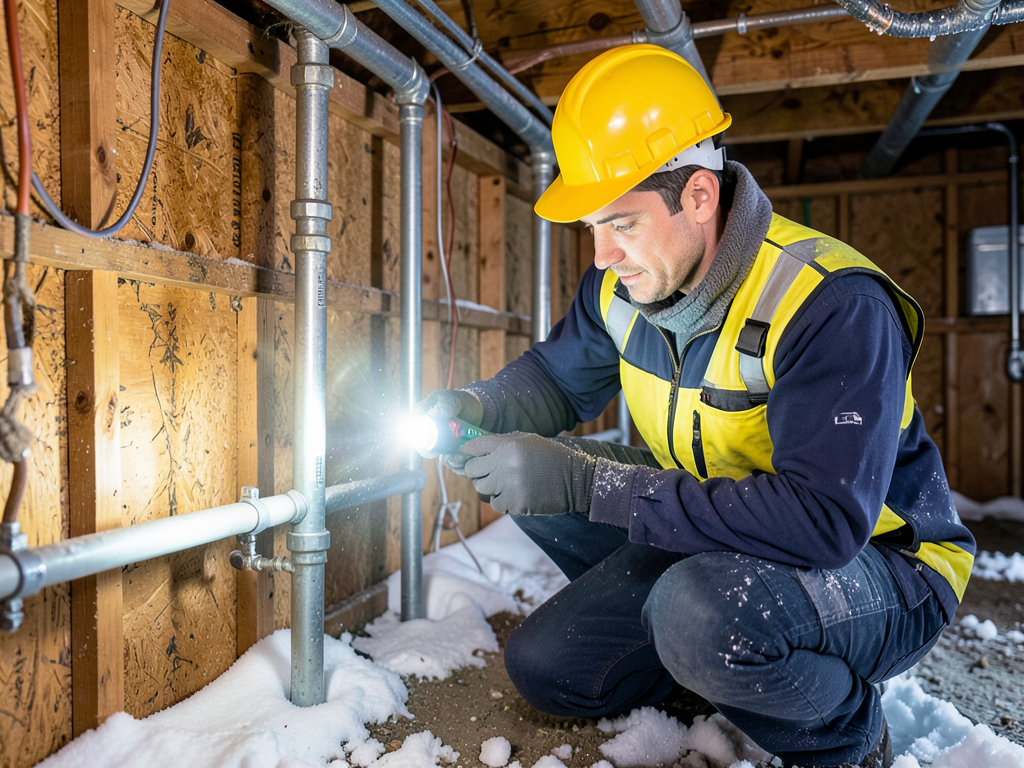
Keeping Your Pipes from Freezing When the Power Goes Out During a Richmond Winter Storm When winter storms hit Richmond and the power goes out, frozen pipes can turn into a homeowner's nightmare. The combination…

Investigating a Suddenly High Richmond Water Bill (Where to Look for Hidden Leaks) A sudden…

Should You Close Your Crawl Space Vents During the Humid Virginia Summer Months? Richmond’s summer…

What Bubbling Paint on Your Ceiling Actually Says About Your Roof or Plumbing Bubbling paint…
Water damage spreads every hour you wait. Call Horizon Water Damage Restoration Richmond now at (804) 602-2644 for immediate response to your Mechanicsville property. Our crews are ready 24/7 to extract water, dry structures, and stop damage from getting worse.