
Keeping Your Pipes from Freezing When the Power Goes Out During a Richmond Winter Storm
When winter storms hit Richmond and the power goes out, frozen pipes can turn into a homeowner’s nightmare. The combination of subfreezing temperatures and no electric heat creates the perfect conditions for pipes to burst, causing thousands of dollars in water damage. This guide provides proven strategies to protect your plumbing when you’re without power during a Richmond winter storm. How to Get Rapid Water Extraction in the Museum District.
Richmond’s historic homes, particularly those in neighborhoods like The Fan and Church Hill, face unique challenges during power outages. Many of these homes have crawl spaces with exposed pipes, aging plumbing systems, and poor insulation. Understanding these vulnerabilities is the first step to preventing disaster.
Immediate Emergency Steps (No Power Required)
When the power goes out during a freeze, you have a critical window to protect your pipes before they freeze solid. These steps require no electricity and can save your plumbing system.
- Locate Your Main Water Shut-Off Valve
Find the valve where water enters your home. In Richmond homes, this is often in the basement, crawl space, or near the water meter. Turn it clockwise to shut off water flow completely. 24/7 Emergency Water Removal Services in Richmond VA.
- Open All Faucets to Drain Remaining Water
Open both hot and cold taps throughout your house. This includes outdoor spigots. Gravity will help drain water from pipes, reducing pressure and preventing bursts. Commercial Water Damage Restoration for Downtown Richmond Businesses.
- Flush Toilets and Drain Water Heaters
Flush toilets to empty tanks and bowls. For water heaters, turn off the power or gas supply first, then connect a garden hose to the drain valve and run it outside.
- Insulate Exposed Pipes with Available Materials
Wrap pipes with towels, blankets, or newspapers. Secure with duct tape or string. Focus on pipes in unheated areas like crawl spaces, garages, and exterior walls.
Call (804) 602-2644 immediately if you suspect frozen pipes or discover a burst. Our emergency response team is available 24/7 throughout Richmond and surrounding areas.
Why Power Outages Increase Pipe Burst Risks in Richmond Homes
Richmond’s climate creates specific vulnerabilities during winter storms. The city experiences occasional Arctic blasts that can drop temperatures into the teens or single digits. When these cold snaps coincide with power outages, the risk multiplies.
Richmond’s older neighborhoods, particularly in The Fan District and Museum District, were built before modern insulation standards. Many homes have uninsulated crawl spaces where pipes run along exterior walls. During a power outage, these areas can drop to freezing temperatures within hours.
The physics of pipe freezing explains the danger. Water expands approximately 9% when it freezes. This expansion creates tremendous pressure inside pipes, often exceeding 2,000 pounds per square inch. Copper pipes typically burst at around 3,000 PSI, while PEX pipes can withstand slightly more pressure but still fail under extreme conditions.
Richmond’s specific vulnerabilities include:
- Historic homes with original plumbing systems
- Crawl spaces with poor ventilation and insulation
- Well water systems that lose pressure when pumps fail
- Older homes with pipes running through exterior walls
According to Virginia Uniform Statewide Building Code (USBC) Section 2801, modern plumbing installations require specific insulation standards, but many Richmond homes predate these requirements.
Advanced Protection: Insulation and Sealing
Proper insulation can make the difference between intact pipes and a flooded home. Here’s what works when the power is out: Who to Call Right Now for a Flooded Basement in Short Pump.
| Insulation Type | R-Value per Inch | Best Use Case |
|---|---|---|
| Fiberglass Pipe Wrap | 3.0-4.0 | Straight pipe runs, accessible areas |
| Foam Pipe Sleeves | 4.0-5.0 | Quick installation, moderate protection |
| Reflective Foil Insulation | 1.0-2.0 | Supplemental protection, radiant heat |
| Heat Tape (Battery-Operated) | N/A | Critical areas, backup power source |
For Richmond’s climate, aim for R-4 insulation on exposed pipes. This provides approximately 4 hours of additional protection when temperatures drop below 20°F.
Sealing air leaks is equally important. Use spray foam insulation to seal gaps where pipes enter your home. Common entry points include:
- Where plumbing penetrates exterior walls
- Foundation vents in crawl spaces
- Areas around electrical wiring penetrations
- Seams in crawl space access doors
Expanding foam sealant costs about $5-8 per can and provides excellent air sealing. Apply it liberally around pipe penetrations, but avoid blocking necessary ventilation in attics and crawl spaces.
Non-Electric Heat Sources for Pipe Protection
When electricity fails, alternative heat sources become critical for preventing frozen pipes. These methods require careful attention to safety but can provide crucial protection.
Catalytic propane heaters offer flameless heat and can operate for 8-12 hours on a standard 1-pound propane cylinder. Models like the Mr. Heater Buddy produce 4,000-9,000 BTUs and include oxygen depletion sensors for safety. Position these heaters near vulnerable pipes, maintaining at least 18 inches of clearance from combustible materials.
Battery-operated heat tape provides continuous low-level heat to pipes. Look for products rated for outdoor use with built-in thermostats. A 50-foot roll typically requires eight D-cell batteries and can operate for 48-72 hours, depending on temperature settings.
Chemical hand warmers, while not designed for pipe protection, can provide localized heat. Place them in strategic locations around pipes in enclosed spaces. Each warmer lasts 8-10 hours and can raise the temperature of a small area by 10-15 degrees.
Hot water bottles filled with boiling water from a camp stove or fireplace can provide temporary heat. Wrap bottles in towels and place them near pipes. Refill every 3-4 hours as they cool.
Never use open flames or charcoal grills indoors to heat pipes. These create carbon monoxide hazards and fire risks that far outweigh the benefits of preventing frozen pipes.
Richmond-Specific Vulnerabilities and Solutions
Richmond’s geography and building patterns create specific challenges during winter storms. The city’s location in the Virginia Piedmont means it experiences both humid summers and occasional severe winter weather.
The Fan District, with its historic row houses, presents unique challenges. Many homes share common walls, and when one unit loses heat, adjacent units can also experience temperature drops. The brick construction common in these neighborhoods provides some thermal mass but offers minimal insulation value.
North Side Richmond homes often have pier-and-beam foundations that create crawl spaces particularly vulnerable to freezing. These spaces typically have vents that allow cold air to circulate freely around pipes. During a power outage, these vents should be temporarily blocked with rigid foam insulation or plywood.
Chesterfield County’s newer developments face different challenges. Many homes rely on well water systems with electric pumps. When power fails, these systems lose pressure, and pipes can drain completely, leaving them vulnerable to freezing. Installing a manual drain valve at the lowest point in your plumbing system allows you to empty pipes quickly during outages.
According to the Richmond Department of Public Utilities, the city’s water infrastructure includes pipes dating back to the 1920s in some neighborhoods. These older pipes are more susceptible to freezing and bursting than modern materials. EPA guidelines.
What to Do if You Suspect a Pipe is Already Frozen
Discovering frozen pipes requires immediate action to prevent bursting. Here’s how to assess and address the situation safely.
Signs of frozen pipes include:
- No water flow from faucets
- Visible frost on exposed pipes
- Bulging pipes
- Unusual sounds when turning on faucets
If you identify frozen pipes, locate the blockage by checking which fixtures work and which don’t. The frozen section will be between the last working fixture and the first non-working one.
To thaw pipes safely without electricity:
- Open the faucet connected to the frozen pipe to allow water to flow when thawing begins
- Apply heat using a hair dryer, heat lamp, or portable propane heater
- Work from the faucet toward the frozen area to push water out as it thaws
- Apply heat slowly to prevent pipe damage from rapid temperature changes
Never use open flames, propane torches, or electrical devices when standing in water. These create electrocution and fire hazards.
If you cannot locate the frozen section or if multiple pipes are affected, call (804) 602-2644 for professional assistance. Our technicians use specialized equipment to thaw pipes safely and can identify potential problem areas before they cause damage.
Secondary Damage Prevention and Insurance Considerations
Even with the best prevention efforts, pipes can still burst during severe winter storms. Understanding secondary damage and insurance coverage helps you respond effectively.
Water damage from burst pipes falls into different categories based on contamination levels. Category 1 water is clean and poses minimal health risks. Category 2 contains significant contamination, while Category 3 is grossly contaminated with pathogens or chemicals.
Secondary damage from burst pipes includes:
- Mold growth within 24-48 hours in Richmond’s humid climate
- Structural damage to drywall, flooring, and framing
- Electrical system damage from water exposure
- Insulation damage that reduces future energy efficiency
Most standard homeowner insurance policies cover sudden and accidental water damage from burst pipes. However, damage from frozen pipes may be excluded if the home was unoccupied or if reasonable precautions weren’t taken.
Document everything if pipes burst:
- Take photos and videos of all damage immediately
- Save receipts for emergency repairs and temporary housing
- Keep damaged materials for insurance adjuster inspection
- Maintain a detailed log of all communications with your insurance company
Professional water damage restoration companies like Horizon Water Damage Restoration Richmond can work directly with insurance companies to streamline the claims process and ensure proper documentation.
Emergency Restoration Services in Richmond, VA
When prevention fails and pipes burst, immediate professional response prevents secondary damage and reduces restoration costs. Our emergency services cover the entire Richmond metropolitan area, including: Emergency Board-Up Services.
- Richmond City proper
- Henrico County
- Chesterfield County
- Hanover County
- Short Pump and Glen Allen
- Midlothian and Bon Air
Our emergency response includes:
- 24/7 availability with average response time under 60 minutes
- Water extraction using commercial-grade equipment
- Structural drying with industrial air movers and dehumidifiers
- Mold prevention treatments
- Content protection and restoration
- Direct insurance billing
We understand Richmond’s specific building patterns and can navigate the unique challenges of historic homes, modern constructions, and everything in between. Our technicians are IICRC certified and trained in the latest water damage restoration techniques.
Don’t wait until disaster strikes. Call (804) 602-2644 today to schedule a winter preparedness inspection. We’ll identify vulnerable pipes, recommend specific insulation improvements, and create an emergency response plan for your home.
If you’re facing an active emergency, pick up the phone and call (804) 602-2644 before the next storm hits. Every minute counts when water is flooding your home.
Frequently Asked Questions
How long does it take for pipes to freeze when the power goes out?
Pipes can begin freezing within 3-6 hours when temperatures drop below 20°F. In unheated crawl spaces or exterior walls, freezing can occur in as little as 2 hours during severe cold snaps.
Should I turn off my water heater during a power outage in winter?
Yes, turn off both the power supply and the cold water inlet valve to your water heater. This prevents damage to the heating elements and reduces pressure in your plumbing system.
What temperature should I keep my home at to prevent frozen pipes?
Maintain at least 55°F throughout your home, including unused rooms. Open cabinet doors under sinks to allow warm air circulation around pipes.
How can I tell if my pipes are frozen without electricity?
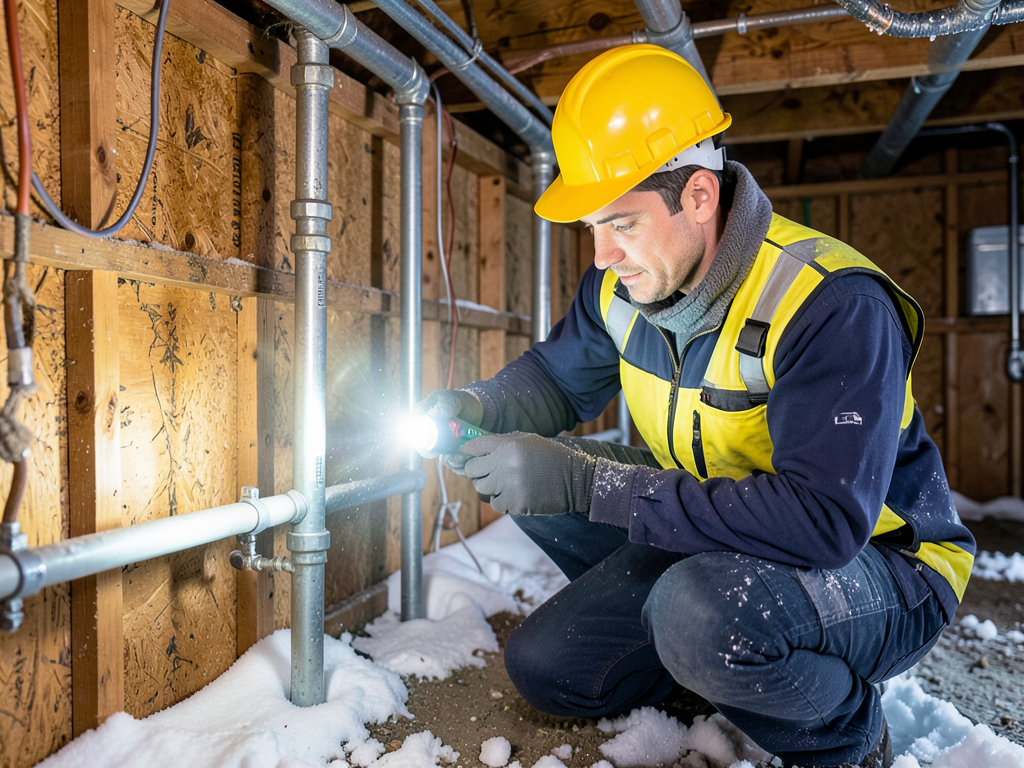
Check for lack of water flow, visible frost on pipes, bulging sections, or unusual sounds when turning on faucets. Use a flashlight to inspect exposed pipes in crawl spaces and basements.
Is it safe to use a generator to power heat tape during a winter outage?
Yes, but use proper outdoor-rated extension cords and keep the generator at least 20 feet from your home. Never operate a generator indoors due to carbon monoxide risks.
How much does professional pipe insulation cost in Richmond?
Professional pipe insulation typically costs $1-3 per linear foot, depending on pipe size and insulation type. Crawl space insulation projects range from $500-2,000 based on home size and accessibility.
What should I do if my pipes burst during a storm?
Immediately shut off your main water valve, turn off electricity to affected areas if safe, and call (804) 602-2644 for emergency water damage restoration services. Document all damage for insurance purposes.
How long does water damage restoration take after a burst pipe?
Initial water extraction and drying typically takes 3-5 days. Complete restoration, including repairs and reconstruction, can take 2-6 weeks depending on damage extent and material availability.
Can I claim water damage from frozen pipes on my insurance?
Most policies cover sudden and accidental water damage, but coverage for frozen pipes varies. Review your policy or consult with your insurance agent about specific coverage details.
How often should I have my plumbing inspected for winter readiness?
Schedule annual winterization inspections before November. Homes over 20 years old or in historic districts should be inspected every 2-3 years for developing vulnerabilities. For more information, visit FEMA disaster preparedness.
{
“@context”: “https://schema.org”,
“@type”: “BlogPosting”,
“headline”: “Keeping Your Pipes from Freezing When the Power Goes Out During a Richmond Winter Storm”,
“description”: “Prevent frozen pipes during Richmond winter power outages with expert tips on insulation, draining systems, and emergency heating methods to protect your home.”,
“wordCount”: 2155,
“datePublished”: “2026-06-11T12:43:00.000Z”,
“dateModified”: “2026-06-11T12:43:00.000Z”,
“inLanguage”: “en-US”,
“mainEntityOfPage”: {
“@type”: “WebPage”,
“@id”: “https://horizonwaterdamagerestorationrichmond.com”
},
“publisher”: {
“@type”: “LocalBusiness”,
“name”: “Horizon Water Damage Restoration Richmond”,
“url”: “https://horizonwaterdamagerestorationrichmond.com”
},
“author”: {
“@type”: “Organization”,
“name”: “Horizon Water Damage Restoration Richmond”,
“url”: “https://horizonwaterdamagerestorationrichmond.com”
},
“image”: {
“@type”: “ImageObject”,
“url”: “https://horizonwaterdamagerestorationrichmond.com/wp-content/uploads/2026/03/keeping-your-pipes-from-freezing-when-the-power-go-1.png”
}
}
{
“@context”: “https://schema.org”,
“@type”: “LocalBusiness”,
“name”: “Horizon Water Damage Restoration Richmond”,
“url”: “https://horizonwaterdamagerestorationrichmond.com”,
“address”: {
“@type”: “PostalAddress”,
“addressLocality”: “Richmond”
},
“areaServed”: {
“@type”: “City”,
“name”: “Richmond”
}
}
{
“@context”: “https://schema.org”,
“@type”: “FAQPage”,
“mainEntity”: [
{
“@type”: “Question”,
“name”: “How long does it take for pipes to freeze when the power goes out?”,
“acceptedAnswer”: {
“@type”: “Answer”,
“text”: “Pipes can begin freezing within 3-6 hours when temperatures drop below 20°F. In unheated crawl spaces or exterior walls, freezing can occur in as little as 2 hours during severe cold snaps.”
}
},
{
“@type”: “Question”,
“name”: “Should I turn off my water heater during a power outage in winter?”,
“acceptedAnswer”: {
“@type”: “Answer”,
“text”: “Yes, turn off both the power supply and the cold water inlet valve to your water heater. This prevents damage to the heating elements and reduces pressure in your plumbing system.”
}
},
{
“@type”: “Question”,
“name”: “What temperature should I keep my home at to prevent frozen pipes?”,
“acceptedAnswer”: {
“@type”: “Answer”,
“text”: “Maintain at least 55°F throughout your home, including unused rooms. Open cabinet doors under sinks to allow warm air circulation around pipes.”
}
},
{
“@type”: “Question”,
“name”: “How can I tell if my pipes are frozen without electricity?”,
“acceptedAnswer”: {
“@type”: “Answer”,
“text”: “Check for lack of water flow, visible frost on pipes, bulging sections, or unusual sounds when turning on faucets. Use a flashlight to inspect exposed pipes in crawl spaces and basements.”
}
},
{
“@type”: “Question”,
“name”: “Is it safe to use a generator to power heat tape during a winter outage?”,
“acceptedAnswer”: {
“@type”: “Answer”,
“text”: “Yes, but use proper outdoor-rated extension cords and keep the generator at least 20 feet from your home. Never operate a generator indoors due to carbon monoxide risks.”
}
},
{
“@type”: “Question”,
“name”: “How much does professional pipe insulation cost in Richmond?”,
“acceptedAnswer”: {
“@type”: “Answer”,
“text”: “Professional pipe insulation typically costs $1-3 per linear foot, depending on pipe size and insulation type. Crawl space insulation projects range from $500-2,000 based on home size and accessibility.”
}
},
{
“@type”: “Question”,
“name”: “What should I do if my pipes burst during a storm?”,
“acceptedAnswer”: {
“@type”: “Answer”,
“text”: “Immediately shut off your main water valve, turn off electricity to affected areas if safe, and call (804) 602-2644 for emergency water damage restoration services. Document all damage for insurance purposes.”
}
},
{
“@type”: “Question”,
“name”: “Can I claim water damage from frozen pipes on my insurance?”,
“acceptedAnswer”: {
“@type”: “Answer”,
“text”: “Most policies cover sudden and accidental water damage, but coverage for frozen pipes varies. Review your policy or consult with your insurance agent about specific coverage details.”
}
},
{
“@type”: “Question”,
“name”: “How often should I have my plumbing inspected for winter readiness?”,
“acceptedAnswer”: {
“@type”: “Answer”,
“text”: “Schedule annual winterization inspections before November. Homes over 20 years old or in historic districts should be inspected every 2-3 years for developing vulnerabilities. For more information, visit FEMA disaster preparedness.”
}
}
]
}
{
“@context”: “https://schema.org”,
“@type”: “HowTo”,
“name”: “Emergency Pipe Protection Steps”,
“step”: [
{
“@type”: “HowToStep”,
“position”: 1,
“name”: “Locate Your Main Water Shut-Off Valve”,
“text”: “Find the valve where water enters your home. In Richmond homes, this is often in the basement, crawl space, or near the water meter. Turn it clockwise to shut off water flow completely. 24/7 Emergency Water Removal Services in Richmond VA.”
},
{
“@type”: “HowToStep”,
“position”: 2,
“name”: “Open All Faucets to Drain Remaining Water”,
“text”: “Open both hot and cold taps throughout your house. This includes outdoor spigots. Gravity will help drain water from pipes, reducing pressure and preventing bursts. Commercial Water Damage Restoration for Downtown Richmond Businesses.”
},
{
“@type”: “HowToStep”,
“position”: 3,
“name”: “Flush Toilets and Drain Water Heaters”,
“text”: “Flush toilets to empty tanks and bowls. For water heaters, turn off the power or gas supply first, then connect a garden hose to the drain valve and run it outside.”
},
{
“@type”: “HowToStep”,
“position”: 4,
“name”: “Insulate Exposed Pipes with Available Materials”,
“text”: “Wrap pipes with towels, blankets, or newspapers. Secure with duct tape or string. Focus on pipes in unheated areas like crawl spaces, garages, and exterior walls.”
}
],
“image”: “https://horizonwaterdamagerestorationrichmond.com/wp-content/uploads/2026/03/keeping-your-pipes-from-freezing-when-the-power-go-1.png”
}
{
“@context”: “https://schema.org”,
“@type”: “BreadcrumbList”,
“itemListElement”: [
{
“@type”: “ListItem”,
“position”: 1,
“name”: “Home”,
“item”: “https://horizonwaterdamagerestorationrichmond.com”
},
{
“@type”: “ListItem”,
“position”: 2,
“name”: “Blog”,
“item”: “https://horizonwaterdamagerestorationrichmond.com/blog”
},
{
“@type”: “ListItem”,
“position”: 3,
“name”: “Keeping Your Pipes from Freezing When the Power Goes Out During a Richmond Winter Storm”
}
]
}
{
“@context”: “https://schema.org”,
“@type”: “Service”,
“serviceType”: “Water Damage Restoration”,
“provider”: {
“@type”: “LocalBusiness”,
“name”: “Horizon Water Damage Restoration Richmond”,
“url”: “https://horizonwaterdamagerestorationrichmond.com”
},
“areaServed”: {
“@type”: “City”,
“name”: “Richmond”
},
“description”: “Prevent frozen pipes during Richmond winter power outages with expert tips on insulation, draining systems, and emergency heating methods to protect your home.”
}