







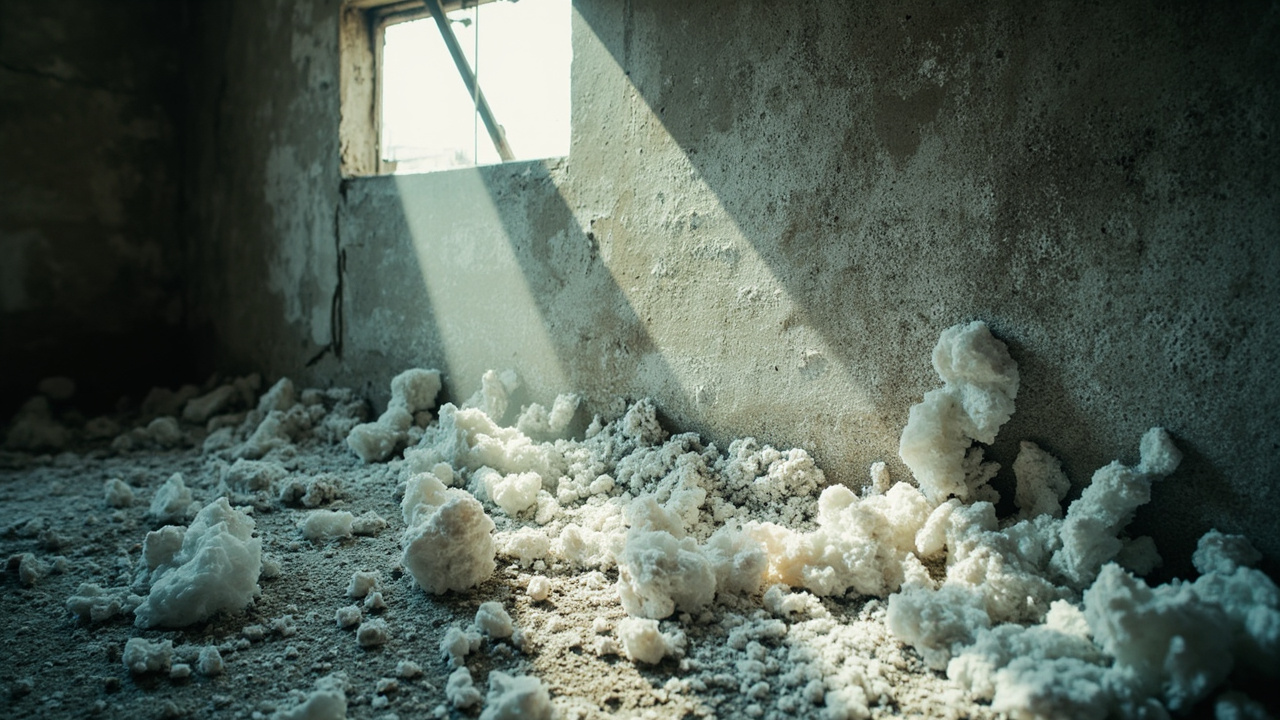
Richmond sits on Virginia Piedmont clay soil, which has low permeability. When heavy rain falls, the clay cannot absorb water quickly, so moisture accumulates against foundation walls. This hydrostatic pressure forces water through concrete pores and cracks, carrying dissolved mineral salts to the surface. Neighborhoods with older homes, particularly those built before modern waterproofing standards, face chronic efflorescence problems. The crystalline deposits you see on basement walls or garage floors signal that water is moving through your concrete under pressure. Richmond's average annual rainfall of 44 inches, combined with clay soil that holds moisture for days after rain events, creates persistent conditions for efflorescence formation.
Solving efflorescence in Richmond requires understanding local soil mechanics and building practices. Homes in historic districts like Church Hill and the Museum District often have stone or brick foundations with minimal waterproofing. Newer construction in the West End and Short Pump typically uses poured concrete, but poor grading during development can still create drainage problems. Horizon Water Damage Restoration Richmond has worked throughout the metro area, and we know how local conditions affect concrete moisture control. Our solutions account for Richmond's soil type, rainfall patterns, and construction styles. You get a repair designed for long-term performance in this specific environment.


