





Menu

Hardwood Floor Water Damage in Richmond – Expert Restoration Before Cupping and Mold Take Hold

Horizon Water Damage Restoration Richmond specializes in saving water damaged wood floors with advanced drying protocols that prevent irreversible cupping, warping, and subfloor decay common to Richmond's humid climate.

Slider Image 1
Slider Image 2
Slider Image 3
Slider Image 4
Slider Image 5
Slider Image 7
Slider Image 8
Slider Image 9
Slider Image 10
Slider Image 11

Why Richmond Hardwood Floors Fail After Water Exposure

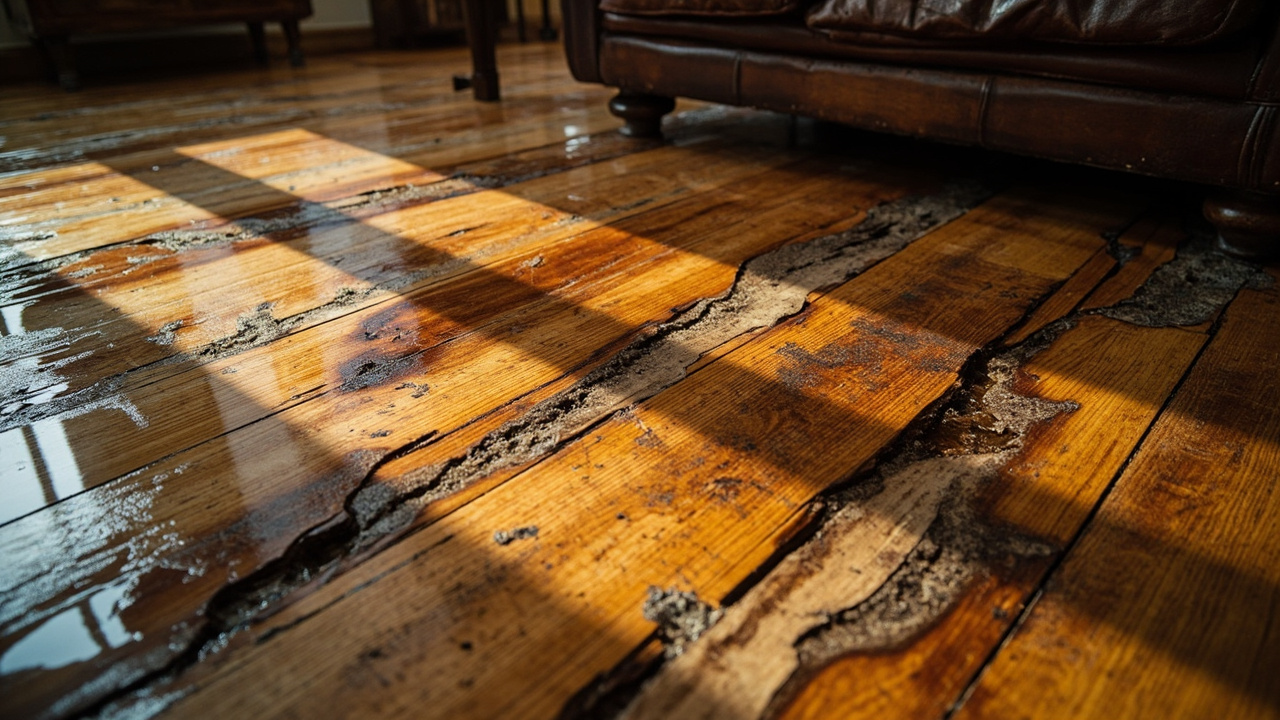
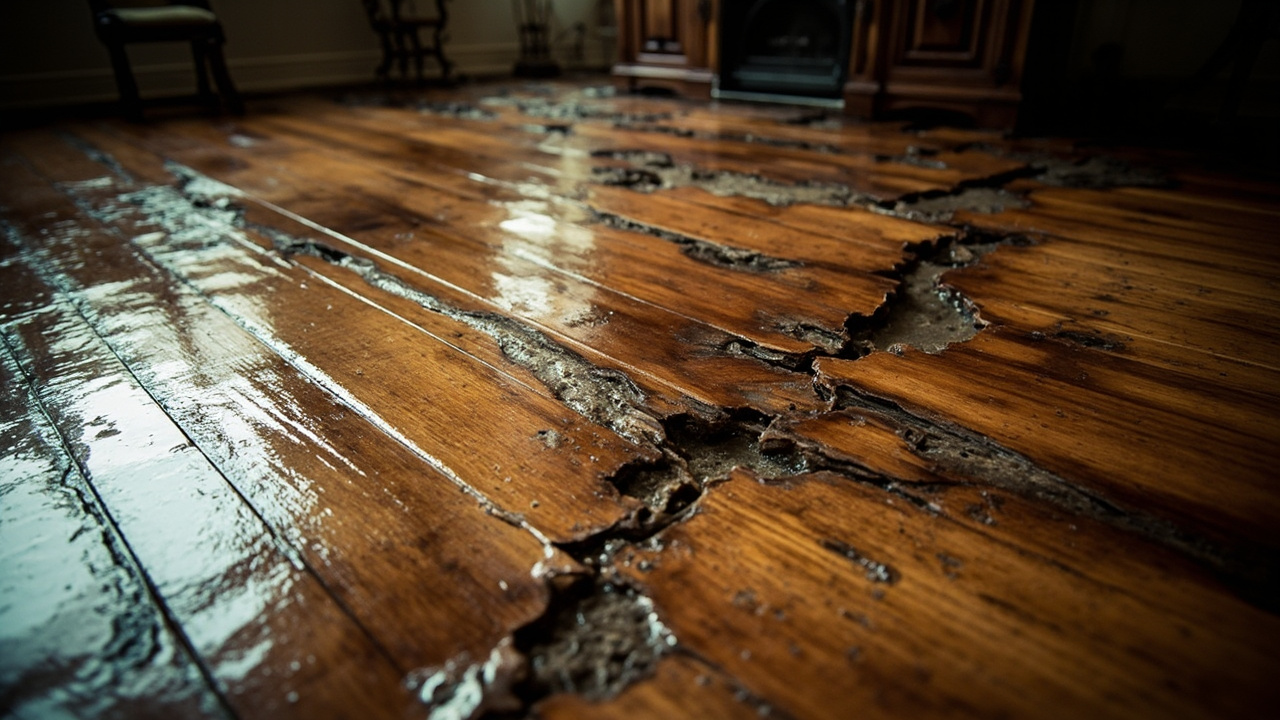
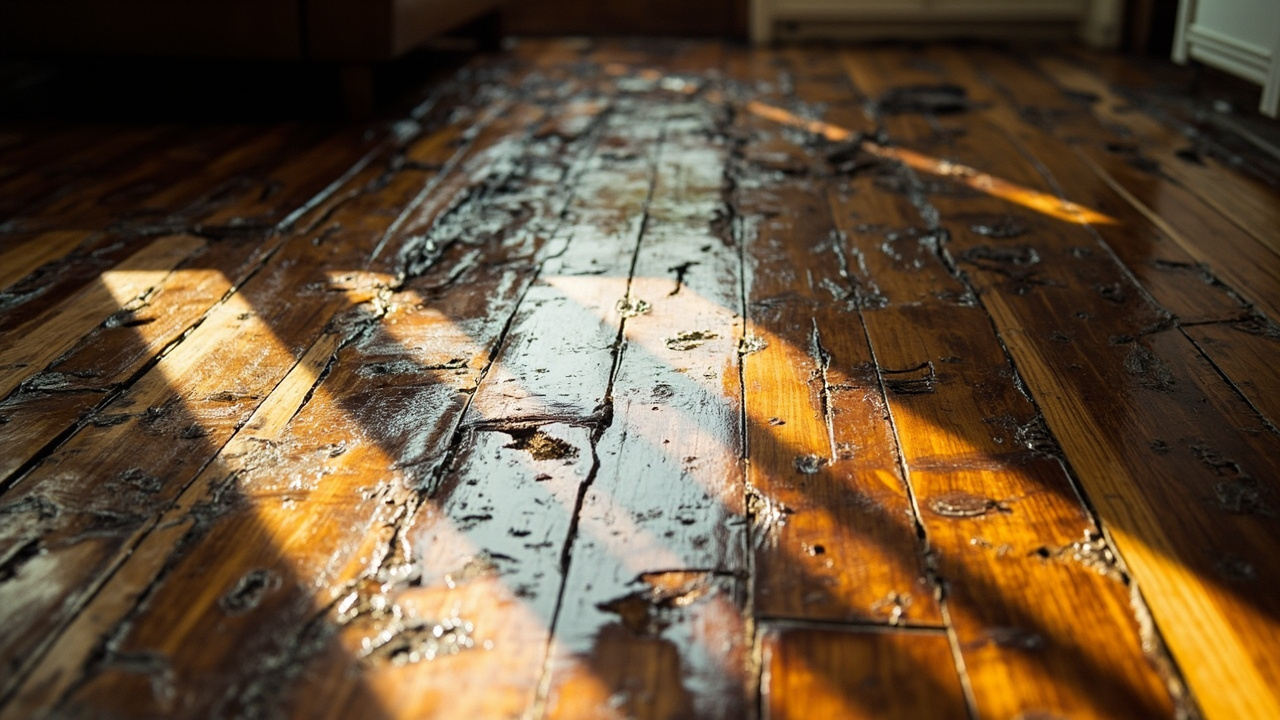
Richmond's humid subtropical climate creates a perfect storm for hardwood floor water damage. When water penetrates wet hardwood flooring, the elevated moisture levels in our air slow evaporation and accelerate cupping and crowning. You see the planks lifting at the edges. You feel the soft spots underfoot. The smell starts within 48 hours.

Water damaged wood floors fail in Richmond because most homeowners wait too long. They assume fans and open windows will handle it. They do not. Richmond's average humidity hovers near 70 percent in summer. That moisture content keeps the wood swollen. The longer wet hardwood flooring sits without professional intervention, the more the grain swells perpendicular to the plank direction. This is hardwood floor cupping, and it warps the structural integrity permanently.

The James River and proximity to wetlands mean Richmond homes deal with groundwater intrusion and sump pump failures regularly. Historic neighborhoods like the Fan and Museum District feature original oak and pine flooring. These older planks absorb water faster than modern engineered options. When a pipe bursts or a washing machine overflows, the water seeps between the tongue and groove joints, saturating the subfloor. Drying hardwood floors requires more than surface work. You need subfloor moisture mapping, controlled dehumidification, and wood floor water damage repair techniques that address the layers most people never see.

If you ignore the problem, you replace the floor. If you act within 24 to 48 hours, you save it.

Why Richmond Hardwood Floors Fail After Water Exposure
How We Dry and Restore Water Damaged Wood Floors

How We Dry and Restore Water Damaged Wood Floors

Drying hardwood floors is not a fan and dehumidifier job. It requires moisture gradient management and controlled evaporation to prevent secondary damage. We use penetrating moisture meters to measure wood moisture content at multiple depths. Surface readings mean nothing if the subfloor is saturated at 40 percent moisture content.

Our process starts with source elimination. We stop the water, extract standing moisture with truck-mounted extractors, and document the affected square footage. Then we map the moisture profile. Hardwood floor cupping happens when the bottom of the plank dries slower than the top. We reverse this by creating airflow beneath the flooring using mat drying systems or injecti-dry systems that pull moisture from the subfloor up and out.

We monitor daily. Wood floor water damage repair requires patience. Rapid drying causes cracking and splitting. Slow drying causes mold colonization. We balance airflow, temperature, and dehumidification to hit the target drying rate. Most wet hardwood flooring takes five to ten days to reach equilibrium moisture content. We do not pull equipment until the wood stabilizes below 12 percent moisture content.

If cupping has already started, we dry the floor completely, then wait. Wood has memory. Sometimes cupping self-corrects as the plank reaches equilibrium with ambient humidity. If it does not, we sand and refinish after 30 days of stabilization. Trying to sand cupped floors too early locks in the deformation. Horizon Water Damage Restoration Richmond follows IICRC S500 standards for water damaged wood floors, which means we do not guess. We measure, document, and execute based on science.

What Happens During Your Hardwood Floor Restoration

Hardwood Floor Water Damage in Richmond – Expert Restoration Before Cupping and Mold Take Hold
01

Emergency Water Extraction

We arrive within two hours of your call and remove all standing water using truck-mounted extraction systems. We pull up area rugs, move furniture, and document the moisture profile using thermal imaging and penetrating moisture meters. You get a written scope that maps moisture levels across every affected plank and joist. This baseline data drives the drying strategy and prevents disputes with insurance adjusters later.
02

Controlled Drying Protocol

We install air movers, dehumidifiers, and subfloor drying equipment tailored to your floor construction. Solid hardwood requires different airflow patterns than engineered planks. We monitor moisture content twice daily and adjust equipment placement to prevent over-drying or uneven evaporation. Richmond's humidity means we run commercial dehumidifiers continuously. You see daily progress reports with updated moisture readings. Most floors stabilize in seven to ten days if we catch the damage early.
03

Final Inspection and Refinishing

Once moisture content drops below 12 percent and stabilizes for 72 hours, we remove equipment and assess the floor. Minor cupping often self-corrects. If warping remains, we wait 30 days before sanding to let the wood fully acclimate. We coordinate with trusted refinishing contractors if needed, or we leave the floor ready for your chosen finisher. You get documentation showing pre-loss and post-drying moisture levels for insurance purposes.

Why Richmond Homeowners Trust Local Hardwood Floor Experts

Richmond's housing stock is split between historic properties and modern construction. That means hardwood floor water damage repair looks different in a 1920s bungalow in Northside than in a 2015 build in Short Pump. Horizon Water Damage Restoration Richmond has worked in both. We know the difference between quarter-sawn oak and laminate engineered planks. We know which subfloor systems require vapor barriers and which ones need ventilation.

Local expertise matters because Richmond building codes require specific moisture mitigation steps in flood-prone areas near the James River and Chickahominy River watersheds. If your home is in a FEMA flood zone, your insurance adjuster will scrutinize the drying protocol. We document everything using industry-standard moisture logs and thermal imaging reports. You do not have to translate our process to your adjuster. Our reports speak their language.

We also understand the urgency. Water does not wait for business hours. We answer calls 24/7 and dispatch crews within two hours. Most national chains route calls to a regional call center in another state. You talk to us directly. We live here. We have dried floors in the Fan, Church Hill, Lakeside, and Glen Allen. We know the soil composition, the water table depth, and the typical failure points in Richmond construction.

Trust is built on results. We do not upsell services you do not need. If your floor is saveable, we save it. If replacement is the only option, we tell you before we start. Transparency matters when you are deciding whether to file an insurance claim or pay out of pocket.

What to Expect When You Call Horizon Water Damage Restoration Richmond

Rapid Response and Availability

We dispatch crews 24/7, including weekends and holidays. Most jobs start within two hours of your call. Speed matters because hardwood floor cupping accelerates after 24 hours of water exposure. We do not wait until Monday morning. We bring truck-mounted extraction equipment, moisture detection tools, and drying systems on the first visit. You get an initial assessment and moisture map within the first hour. Emergency response is not an upsell. It is standard protocol for wet hardwood flooring.

Comprehensive Moisture Assessment

We use penetrating moisture meters and thermal imaging cameras to map moisture at multiple depths. Surface readings do not tell the full story. We measure subfloor moisture content, check for trapped moisture in wall cavities, and identify hidden saturation behind baseboards. You receive a written report with photos, moisture readings, and a room-by-room breakdown. This documentation is critical for insurance claims. We explain what each reading means and what drying strategy we recommend. No guesswork. Just data.

Documented Drying and Restoration

You get daily moisture readings and progress reports throughout the drying process. We do not pull equipment until moisture content stabilizes below 12 percent for at least 72 hours. If sanding and refinishing are needed, we coordinate timing to prevent locking in deformation. The result is a floor that looks and performs like it did before the water damage. We leave the site clean, dry, and ready for the next step, whether that is refinishing or simply moving furniture back into place.

Insurance Coordination and Documentation

We work directly with your insurance adjuster and provide detailed moisture logs, thermal images, and equipment placement records. Most Richmond homeowners do not know what their policy covers. We help you understand deductibles, depreciation, and coverage limits before work starts. You get a line-item estimate that matches insurance industry standards. We do not inflate claims, and we do not leave out necessary steps to win the bid. You get honest documentation that helps you make informed decisions about filing a claim or paying out of pocket.

Frequently Asked Questions

You Have Questions,
We Have Answers

Can hardwood floors be repaired after water damage? +

Yes, hardwood floors can often be repaired after water damage, depending on severity and timing. If you catch the damage within 24-48 hours, you may save most boards through professional extraction and drying. Minor cupping or warping can correct itself as wood dries. Severe cases require board replacement or refinishing. Richmond's humid climate makes professional assessment critical. A restoration technician inspects the subfloor, checks moisture meters, and determines if boards are salvageable or need replacement. Quick action prevents permanent buckling, staining, and mold growth underneath. Do not wait. Water wicks through wood grain fast in Virginia's humidity.

What to do if water gets under hardwood floors? +

Immediately call a water damage restoration professional. Water trapped under hardwood floors spreads rapidly and causes buckling, mold, and subfloor rot. First, remove standing water using wet vacuums. Do not attempt to dry floors with heat sources like hair dryers, which warp wood. Professionals use moisture meters to measure subfloor saturation, then deploy air movers and dehumidifiers. In Richmond's older homes with crawl spaces, vapor barriers and subfloor ventilation are checked. Some cases require board removal to dry the subfloor properly. Document everything for insurance. Speed matters. Water under floors spreads fast in our humid climate.

What happens to hardwood floors when they get wet? +

Hardwood floors absorb water through gaps, edges, and grain. Within hours, boards begin to swell and cup. If water sits longer, boards crown, warp, or buckle as fibers expand unevenly. Staining and discoloration occur as tannins bleed out. The finish breaks down, losing adhesion. Underneath, moisture saturates the subfloor, weakening joists and creating conditions for mold growth. In Richmond's humidity, drying takes longer and mold risk increases. The longer water contacts wood, the deeper it penetrates. What starts as surface moisture becomes structural damage within 48 hours. Fast extraction is everything.

How to flatten a wood floor after water damage? +

You cannot flatten a buckled hardwood floor by force. If boards have crowned or cupped severely, professional drying and controlled dehumidification are required first. Remove the water source, then deploy commercial air movers and dehumidifiers to slowly reduce moisture content. This process takes days, not hours. Once moisture levels stabilize below 12 percent, boards may flatten naturally as fibers contract. Severely damaged boards need replacement. After drying, floors often require sanding and refinishing to restore flatness and appearance. Richmond's humidity slows drying. Professionals monitor moisture daily using pin and pinless meters to prevent over-drying and cracking.

How much does it cost to repair a water-damaged hardwood floor? +

Repair costs vary widely based on damage extent, square footage, and wood type. Minor drying and refinishing for a small area may run a few hundred dollars. Extensive damage requiring subfloor repair, board replacement, and refinishing costs significantly more. Factors include water category (clean, grey, or black water), exposure time, and mold presence. Richmond's older homes with unique flooring or crawl space access issues add complexity. Insurance typically covers sudden water damage but not neglect or gradual leaks. Get a professional assessment and moisture mapping before committing to repairs. Costs increase if mold remediation is needed.

Can mold grow under hardwood floors? +

Yes. Mold thrives in dark, moist environments, making the space under hardwood floors ideal for growth. If water saturates the subfloor and remains trapped for 24-48 hours, mold spores colonize quickly. Richmond's humid climate accelerates this. You may not see mold on the surface, but it spreads underneath on joists, insulation, and subflooring. Signs include musty odors, visible surface staining, or respiratory irritation. Professional mold testing and remediation are necessary. Do not ignore water damage. Mold under floors compromises indoor air quality and structural integrity. Drying within 24 hours drastically reduces mold risk.

Will a one-time water leak cause mold? +

Not always, but conditions matter. A one-time leak can cause mold if water is not extracted within 24-48 hours. Mold needs moisture, organic material, and time. Hardwood and subfloor materials provide food. If water sits under boards or soaks insulation in crawl spaces, mold begins growing. Richmond's high humidity accelerates colonization. A small leak under a fridge or washing machine may seem minor, but trapped moisture under floors creates the perfect environment. Fast extraction, thorough drying, and humidity control prevent mold. Do not assume it will dry on its own. Virginia's climate works against you.

How long does it take for water to dry under hardwood floors? +

Drying time depends on water volume, wood species, subfloor material, and ambient humidity. Surface moisture may evaporate in 24-48 hours with fans, but water trapped in subfloors or between joists takes 3-7 days or longer. Richmond's humidity slows evaporation. Professionals use industrial dehumidifiers and air movers to accelerate drying. Moisture meters track progress until levels drop below 12 percent. Thicker hardwoods like oak dry slower than pine. Never assume floors are dry based on feel. Hidden moisture causes delayed buckling and mold. Controlled drying prevents cracking and further warping.

Is there a way to reverse water damage on wood? +

Reversing water damage depends on severity and speed. Light surface water dried within hours may leave no trace after refinishing. Deeper damage that causes cupping or staining can sometimes be sanded out once wood dries fully. However, severe warping, buckling, black staining, or mold growth cannot be reversed. Affected boards require replacement. Richmond's humidity complicates drying. Wood that stays wet too long loses structural integrity. Subfloor damage is rarely reversible without replacement. The key is immediate action. Extract water fast, dry thoroughly, and assess moisture levels professionally. Prevention and speed are your only tools.

What pulls moisture out of wood floors? +

Professional restoration uses industrial dehumidifiers, air movers, and heat drying systems to pull moisture from wood floors. Dehumidifiers reduce ambient humidity, forcing moisture out of wood fibers. High-velocity air movers increase airflow across surfaces, accelerating evaporation. Heat mats or drying systems warm floors, speeding molecular movement. In Richmond's crawl spaces, vapor barriers and ventilation fans control subfloor moisture. Moisture is not pulled out instantly. Drying takes days of controlled conditions monitored by pin and pinless moisture meters. Do not use household fans or space heaters. Uneven drying causes cracking and further warping.

Why Richmond's Humidity Makes Hardwood Floor Water Damage Worse

Richmond averages 70 percent relative humidity from May through September. This makes drying hardwood floors significantly harder than in arid climates. When wet hardwood flooring sits in a humid environment, evaporation slows. The wood stays swollen longer, which accelerates hardwood floor cupping and increases the risk of mold colonization. Richmond homes near the James River or in low-lying areas like Shockoe Bottom face even higher ambient moisture levels. Without commercial dehumidification, water damaged wood floors can take weeks to dry, by which point the damage is often irreversible.

Richmond building codes require moisture mitigation strategies in flood-prone zones, and insurance adjusters in Virginia scrutinize drying protocols closely. Horizon Water Damage Restoration Richmond follows IICRC S500 standards and provides the documentation local adjusters expect. We understand Richmond construction methods, from the solid oak floors common in Fan District rowhouses to the engineered planks in newer Midlothian subdivisions. Choosing a local provider means you get someone who knows the regional building practices, the typical failure points, and the insurance landscape specific to Richmond.

Water Damage Restoration Services in The Richmond Area

Horizon Water Damage Restoration proudly serves the greater Richmond area and surrounding communities. Our strategic location allows us to respond quickly and efficiently to your water damage emergencies, no matter where you are. We are committed to being a local, reliable presence for our neighbors. View our service area on the map below to see how we can reach you and provide the swift, expert service you need.

Address:
Horizon Water Damage Restoration Richmond, 1840 W Broad St, Richmond, VA, 23220

Additional Services We Offer

Our news updates

Latest Articles & News from The Blogs

Investigating a Suddenly High Richmond Water Bill (Where to Look for Hidden Leaks) A sudden spike in your water bill…

Investigating a Suddenly High Richmond Water Bill (Where to Look for Hidden Leaks)

Investigating a Suddenly High Richmond Water Bill (Where to Look for Hidden Leaks) A sudden spike in your water bill…

Should You Close Your Crawl Space Vents During the Humid Virginia Summer Months?

Should You Close Your Crawl Space Vents During the Humid Virginia Summer Months? Richmond’s summer humidity often exceeds 80% and…

What Bubbling Paint on Your Ceiling Actually Says About Your Roof or Plumbing

What Bubbling Paint on Your Ceiling Actually Says About Your Roof or Plumbing Bubbling paint on your ceiling is more…

Contact Us

Water damaged wood floors worsen by the hour. Call Horizon Water Damage Restoration Richmond now at (804) 602-2644. We dispatch crews 24/7 and start drying your floors within two hours. Do not wait for cupping to set in.