



Bon Air sits in the humid subtropical climate zone of central Virginia, where seasonal flooding from the James River and severe thunderstorms create constant water intrusion risks. The area's mix of mid-century homes near Buford Road and newer construction along Robious Road means varying foundation types and drainage systems, each with unique vulnerabilities.
Clay-heavy soils throughout Bon Air retain moisture longer than sandy soils, creating hydrostatic pressure against basement walls and crawl spaces. When water enters through foundation cracks, poor grading, or failed sump pumps, it saturates wood framing and drywall within hours. The region's high summer humidity slows natural evaporation, giving mold spores the perfect environment to colonize within 24 to 48 hours.
Winter freeze-thaw cycles stress older plumbing systems in neighborhoods like Westham and Salisbury. Burst pipes during cold snaps flood attics and wall cavities, often going undetected until ceilings collapse or electrical systems short out. Spring storms overwhelm gutters and downspouts, pushing water into crawl spaces and finished basements.
Property owners near Rattlesnake Creek and Swift Creek face additional flood zone considerations that affect insurance coverage and restoration timelines. Quick action prevents secondary damage that turns a manageable cleanup into a complete structural rebuild. Every hour of standing water increases restoration costs and extends displacement time.
We built our reputation responding to water emergencies across Bon Air at three in the morning when other companies send you to voicemail. Our technicians live in Chesterfield County and arrive at your property within 60 minutes of your call, not the next business day. We dispatch from our Richmond facility with truck-mounted extraction units and commercial dehumidifiers already loaded, ready to stop damage progression immediately.
Every team member holds IICRC certification in Water Damage Restoration and Applied Structural Drying. We follow established protocols for moisture mapping, not guesswork about where water traveled through your walls. Our thermal imaging cameras detect hidden saturation behind baseboards and inside ceiling cavities that visual inspection misses. We document everything with photos and moisture readings because insurance adjusters demand proof of damage extent and proper mitigation.
We handle insurance communication directly. You get one point of contact who explains your coverage, submits documentation, and negotiates scope of work with your adjuster. Most homeowners have never filed a water damage claim and get overwhelmed by the paperwork and technical language. We remove that burden while you focus on getting your family back to normal.
Our pricing is transparent. You receive a detailed estimate breaking down labor, equipment, and materials before we start work. No hidden charges for after-hours service or weekend dispatch. We bill insurance directly when possible, and we offer flexible payment plans for out-of-pocket expenses. You will know what restoration costs before we extract the first gallon of water.

We dispatch immediately when you call, not when our schedule opens up. Our teams work in shifts to cover all hours, and we stock multiple extraction units to handle simultaneous emergencies. You get a callback within minutes confirming arrival time, and our technicians text when they are en route to your property.

Every technician completes industry-standard training in water damage restoration and structural drying. We follow established protocols for moisture detection, extraction techniques, and equipment placement. This certification ensures we dry your property correctly the first time and meet insurance company requirements for professional mitigation services.
We communicate directly with your insurance adjuster, submit required documentation, and negotiate scope of work on your behalf. You receive a dedicated project manager who handles all insurance paperwork and explains your coverage in plain language. We bill insurance companies directly when possible to minimize your out-of-pocket expenses.
Our teams know which Bon Air neighborhoods have clay soil drainage issues, which subdivisions use crawl space construction, and which areas face seasonal flooding from creek overflow. This local knowledge helps us assess damage faster and recommend permanent solutions to prevent future water intrusion in your specific location.
Water damage restoration requires more than mopping up puddles. Professional mitigation involves immediate water extraction, structural drying, antimicrobial treatment, and reconstruction of damaged materials. Each step follows specific protocols to prevent secondary damage like mold growth, wood rot, and electrical system compromise.
We provide complete water damage remediation from first response through final rebuild. Our services include emergency water removal, structural drying using commercial dehumidifiers and air movers, moisture monitoring with digital meters, sewage cleanup with proper disinfection, mold remediation, and full reconstruction of flooring, drywall, and cabinetry. You work with one company through the entire restoration process instead of coordinating multiple contractors.
Our approach separates into three critical service phases. Emergency mitigation stops damage progression within the first 24 hours. Structural drying removes all moisture from building materials over three to five days. Restoration rebuilds your property to pre-loss condition. Each phase requires specific equipment, expertise, and insurance documentation. We handle all three phases seamlessly so you return home or reopen your business as quickly as possible.
We respond immediately to stop water damage progression. Our teams arrive with truck-mounted extraction units that remove standing water in minutes, not hours. We relocate furniture to dry areas, pull saturated carpeting, and remove wet insulation before it collapses ceilings. Emergency board-up services protect properties with roof damage or broken windows. We document all damage with photos and moisture readings for insurance claims before we move any materials.
Water absorbed into walls, subfloors, and framing requires days of controlled drying using commercial dehumidifiers and air movers. We monitor moisture levels twice daily with digital meters, adjusting equipment placement as readings drop. Thermal imaging cameras detect hidden moisture pockets inside wall cavities. We create negative air pressure when needed to prevent cross-contamination. Drying continues until materials reach normal moisture content verified by meter readings.
Once drying is complete, we rebuild damaged areas to pre-loss condition. Our crews install new drywall, flooring, baseboards, and cabinetry to match existing finishes. We coordinate with licensed plumbers and electricians when water damages mechanical systems. You work with one contractor through the entire process instead of hiring separate companies for demolition, drying, and reconstruction. We handle permits, inspections, and final walkthroughs.
Bon Air homes face water intrusion from multiple sources throughout the year. Spring storms overwhelm drainage systems designed decades ago when these neighborhoods were built. Summer humidity prevents natural evaporation, keeping basements damp for weeks after minor seepage. Fall leaves clog gutters and downspouts, diverting roof runoff directly against foundation walls. Winter freezes crack aging water supply lines hidden inside walls.
The area's topography creates drainage challenges in valleys near Swift Creek and Robious Creek where water naturally collects during heavy rain. Properties built on slopes face runoff that erodes soil away from foundations, creating gaps where water enters. Older homes near Buford Road often have undersized sump pumps that cannot keep pace with groundwater intrusion during sustained rain events.
Each water source requires different extraction and drying approaches. Clean water from supply line breaks demands fast extraction but minimal antimicrobial treatment. Sewage backups require complete disinfection and disposal of porous materials. Storm flooding brings contaminated water that saturates insulation and creates long-term humidity problems. Understanding the water source determines proper cleanup protocols and affects insurance coverage decisions.
Clay-heavy soil retains water around foundations, creating hydrostatic pressure that forces groundwater through cracks and cold joints. Many Bon Air basements flood repeatedly because exterior drainage was never installed or has failed over time. We extract standing water, dry structural elements, and recommend permanent drainage solutions like French drains and foundation waterproofing to stop recurrent flooding.
Sudden temperature drops during Virginia winters freeze water lines in unheated attics and exterior walls. When pipes burst, water floods through ceilings and wall cavities before homeowners discover the leak. We respond immediately to shut off water supply, extract standing water, and set up drying equipment. Thermal imaging locates hidden moisture that causes mold growth if missed.
Washing machines, dishwashers, and water heaters eventually fail, dumping dozens of gallons across finished floors. Supply line connections corrode and burst without warning, flooding multiple rooms before anyone notices. We extract water quickly to prevent subfloor saturation and use commercial dehumidifiers to dry cabinets and wall cavities where water pools. Fast response prevents floor replacement.
Severe thunderstorms tear shingles off roofs and drive rain through damaged areas into attics and living spaces. Clogged gutters overflow during heavy rain, soaking soffits and seeping into wall cavities. We provide emergency board-up services to stop additional water intrusion, extract standing water, and dry structural materials. We coordinate with roofers to make permanent repairs.
Water emergencies create stress and confusion. You need clear answers about what happens next, how long restoration takes, and what your responsibilities are. Our process removes uncertainty by setting clear expectations from the first phone call through final walkthrough.
When you contact us, you speak with a trained emergency dispatcher who asks specific questions about your situation. We need to know the water source, affected areas, and whether you have standing water or just dampness. This information determines which equipment we load and how quickly we need to arrive. You receive a callback within minutes confirming dispatch time and technician arrival estimate.
Our project manager walks you through each restoration phase before we start work. You learn what equipment we will place, how long drying typically takes, and when reconstruction can begin. We explain your insurance coverage and what documentation we need from you. You get direct contact information for your project manager who answers questions throughout the restoration process, not a general office number where you leave messages.
Our technician inspects all affected areas within an hour of your call. We use moisture meters to determine water spread beyond visible damage. You receive an initial scope of work explaining what materials we can dry and what requires replacement. We start water extraction and emergency drying immediately to stop damage progression. All work begins only after you approve our estimate and understand insurance coverage.
We visit your property twice daily during the drying phase to check equipment and record moisture levels. You receive progress updates via text or phone call each day showing moisture reduction in affected materials. We adjust dehumidifier and air mover placement as areas reach dry standards. Your project manager answers questions about timeline and coordinates with your insurance adjuster on documentation requirements.
Once drying is verified complete, reconstruction begins on damaged areas. We install new materials to match existing finishes and handle any necessary repairs to plumbing or electrical systems. You conduct a final walkthrough to approve all work before we request final payment. We provide documentation of all work completed for your records and insurance company. Our warranty covers workmanship on all restoration services.
Water damage restoration follows a specific sequence. Skip steps or rush the process and you face mold growth, structural failure, and insurance claim problems. We follow industry protocols that ensure complete drying and proper documentation.
We assess damage extent using moisture meters and thermal imaging cameras to locate all affected areas. Our technicians document damage with photos and written notes for insurance claims. Truck-mounted extraction units remove standing water in minutes. We pull saturated carpeting, remove wet insulation, and relocate furniture to dry areas. Emergency board-up services protect properties from weather or security concerns.
Commercial dehumidifiers and air movers dry building materials over three to five days. We monitor moisture levels twice daily with digital meters, adjusting equipment placement as readings drop. Antimicrobial treatment prevents mold growth on surfaces exposed to contaminated water. Drying continues until all materials reach normal moisture content verified by meter readings that meet industry standards.
We rebuild damaged areas using new drywall, flooring, baseboards, and cabinetry matched to existing finishes. Licensed contractors handle plumbing and electrical repairs when needed. Final walkthrough confirms all work meets your approval before we request payment. You receive complete documentation of all restoration work for your records and insurance company.
Professional water damage restoration follows established protocols developed by the Institute of Inspection, Cleaning and Restoration Certification. These standards define proper extraction techniques, drying timelines, and moisture verification methods that prevent secondary damage and ensure insurance claim approval.
Virginia contractors must follow specific guidelines when handling contaminated water. Category 3 water from sewage backups or flooding requires complete removal of porous materials like insulation, drywall, and carpeting that cannot be properly disinfected. Category 2 water from appliance overflows needs antimicrobial treatment but allows drying of structural materials. Category 1 water from supply line breaks is considered clean but still requires fast extraction to prevent mold growth.
Structural drying requires maintaining specific temperature and humidity levels using commercial dehumidifiers and air movers. We target relative humidity below 60 percent and air temperature above 70 degrees to achieve optimal evaporation rates. Wood framing must reach 15 percent moisture content or lower before we seal it behind new drywall. Concrete must drop below 4.5 percent on a moisture meter before new flooring installation.
Insurance companies require detailed documentation of all moisture readings, equipment placement, and daily monitoring visits. We photograph damage before starting work, record initial moisture levels in all affected materials, and document moisture reduction throughout the drying process. This paperwork proves we followed proper protocols and justifies the restoration timeline and costs to adjusters who review every claim for appropriate scope of work.
Mold remediation in Virginia requires containment of affected areas using plastic sheeting and negative air pressure to prevent spore spread. We use HEPA air scrubbers that filter particles as small as 0.3 microns. Contaminated materials go into sealed bags before removal from the property. Post-remediation testing verifies spore counts return to normal background levels before we remove containment barriers.
All water damage technicians must complete IICRC training in Water Damage Restoration and Applied Structural Drying. This certification teaches proper moisture detection, extraction techniques, equipment placement, and documentation requirements. Insurance companies often require IICRC certification before approving mitigation costs on claims. Certification ensures technicians follow industry standards rather than guessing about drying methods.
Water damage restoration costs depend on water volume, contamination level, affected square footage, and materials requiring replacement. Category 3 sewage water costs more to clean than Category 1 supply line breaks because of disposal requirements. Hardwood floor drying costs less than replacement but requires days of monitoring. Insurance covers most restoration costs after deductibles, but coverage depends on loss cause and policy limits.
Structural drying typically takes three to five days depending on building materials and water saturation levels. Wood framing dries faster than concrete. Drywall dries faster than plaster. High outdoor humidity slows evaporation rates. Insurance companies expect reasonable timelines based on moisture readings, not arbitrary deadlines. Rushing the process leads to trapped moisture and mold growth within sealed walls.
Water damage restoration contractors in Virginia must carry general liability insurance and workers compensation coverage. Many also carry pollution liability insurance for mold remediation work. Contractors handling reconstruction over $1,000 need a Virginia Class A or Class C contractor license. Verify licensing through the Virginia Department of Professional and Occupational Regulation before hiring any restoration company.
Professional water damage restoration overview covering emergency response protocols, structural drying techniques, and complete restoration timelines for Bon Air properties. Video explains water extraction methods, moisture monitoring procedures, and insurance coordination for homeowners facing flooding, burst pipes, or storm damage. Content includes IICRC-certified drying standards and realistic timelines for returning properties to pre-loss condition.
Horizon Water Damage Restoration Richmond serves the entire Bon Air community and surrounding Chesterfield County areas. We respond to emergencies throughout the Westham neighborhood where mid-century homes on slabs face appliance overflow challenges. The Salisbury area sees frequent basement seepage during spring storms due to lower elevation near Swift Creek. Properties along Buford Road deal with aging plumbing systems that fail during winter freezes.
We serve the Stonebridge community where newer construction includes finished basements vulnerable to sump pump failures. The Bon Air Historic District contains older homes with crawl space construction that requires specialized drying techniques. Residents near Robious Road contact us for roof leak damage after severe thunderstorms tear shingles from aging roofs.
Our service area extends throughout greater Richmond including the Midlothian corridor along Route 60 where commercial properties face water heater failures and storm flooding. We respond to emergencies in Brandermill where lakefront properties deal with unique drainage challenges. The Woodlake neighborhood calls us for burst pipe emergencies in multi-story homes with complex plumbing systems.
Properties near the James River in south Chesterfield face flood zone considerations that affect restoration timelines and insurance coverage. We work regularly in Moseley where rural properties on wells experience supply line failures far from municipal water connections. The Hallsborough area sees water intrusion from poor lot grading that directs storm runoff toward homes rather than away.
We maintain fast response times across all Bon Air ZIP codes because our technicians live locally and understand the area's geography. Distance from our Richmond facility to any Bon Air property is under 15 minutes, allowing us to arrive quickly when every minute counts. We know which neighborhoods have recurring drainage problems, which subdivisions used specific construction methods, and which areas face seasonal flooding from creek overflow. This local knowledge helps us assess damage faster and recommend solutions that prevent future water intrusion at your specific location.
Most water damage restoration projects in Bon Air take 3 to 5 days to complete. Small incidents like a leaking pipe need 1 to 2 days. Major flooding from storms or sewage backups require 7 to 10 days. The timeline depends on water category, affected area size, and material damage extent. Your restoration team will assess your property and provide a specific timeframe. Drying alone takes 2 to 4 days using industrial equipment. Reconstruction adds extra time if drywall or flooring needs replacement.
Water damage restoration expenses in Bon Air vary based on damage severity and affected square footage. Minor leaks affecting one room differ from whole-house flooding situations. The water source matters too. Clean water from supply lines versus contaminated sewage affects treatment requirements. Your insurance coverage often reduces your out-of-pocket expenses significantly. Get multiple written estimates from local companies. Most providers offer free inspections and work directly with your insurance adjuster to determine covered costs.
Most homeowners insurance policies cover sudden and accidental water damage in Bon Air. Burst pipes, appliance malfunctions, and storm damage typically receive coverage. Insurance excludes gradual damage from poor maintenance or neglect. Flood damage requires separate flood insurance through the National Flood Insurance Program. Review your policy details and contact your insurance agent immediately after water damage occurs. Documentation with photos helps your claim. Your adjuster will determine covered restoration services based on your specific policy terms.
Most water damage restoration projects in Bon Air take 3 to 5 days to complete. Small incidents like a leaking pipe need 1 to 2 days. Major flooding from storms or sewage backups require 7 to 10 days. The timeline depends on water category, affected area size, and material damage extent. Your restoration team will assess your property and provide a specific timeframe. Drying alone takes 2 to 4 days using industrial equipment. Reconstruction adds extra time if drywall or flooring needs replacement.
Water damage restoration expenses in Bon Air vary based on damage severity and affected square footage. Minor leaks affecting one room differ from whole-house flooding situations. The water source matters too. Clean water from supply lines versus contaminated sewage affects treatment requirements. Your insurance coverage often reduces your out-of-pocket expenses significantly. Get multiple written estimates from local companies. Most providers offer free inspections and work directly with your insurance adjuster to determine covered costs.
Most homeowners insurance policies cover sudden and accidental water damage in Bon Air. Burst pipes, appliance malfunctions, and storm damage typically receive coverage. Insurance excludes gradual damage from poor maintenance or neglect. Flood damage requires separate flood insurance through the National Flood Insurance Program. Review your policy details and contact your insurance agent immediately after water damage occurs. Documentation with photos helps your claim. Your adjuster will determine covered restoration services based on your specific policy terms.
Choose a water damage restoration company in Bon Air with 24/7 emergency response availability. Check online reviews and ask neighbors for recommendations. Verify the company has trained technicians and uses professional-grade equipment. Ask about their experience with your specific damage type. Request references from recent local projects. A reputable company provides free inspections and detailed written estimates. They should communicate clearly about the restoration process and timeline. Look for companies experienced in working with insurance claims to streamline your reimbursement process.
Water damage signs in your Bon Air home include visible staining on ceilings and walls. You might notice peeling paint or bubbling wallpaper. Warped or buckling flooring indicates moisture underneath. Musty odors suggest hidden water accumulation. Check for soft spots in floors or walls when you press on them. Higher than normal water bills point to hidden leaks. Mold growth appears as dark spots in corners and along baseboards. Listen for dripping sounds behind walls or under floors.
You might stay home during minor water damage restoration in Bon Air. Small projects affecting one room allow normal living in other areas. Extensive damage requiring multiple rooms often means temporary relocation. Safety concerns include exposed electrical systems, structural instability, and mold contamination. Your restoration team will assess habitability based on damage severity. Noise from industrial dryers and dehumidifiers runs continuously. Construction dust spreads during demolition and repairs. Ask your restoration company about safety and comfort considerations for your specific situation.
Call for water damage restoration in Bon Air immediately after you notice water intrusion. Every hour increases damage severity and restoration complexity. Mold begins growing within 24 to 48 hours in wet conditions. Water spreads quickly through porous materials like drywall and insulation. Prompt response prevents secondary damage and reduces overall restoration needs. Most restoration companies in Bon Air offer 24/7 emergency services. Stop the water source if possible and document damage with photos before professionals arrive.
Water damage restoration in Bon Air follows a structured process. First, technicians inspect and assess the damage extent. They extract standing water using pumps and vacuums. Industrial air movers and dehumidifiers dry affected materials over several days. Teams remove damaged materials like soaked drywall or flooring. Technicians clean and sanitize all surfaces to prevent contamination. They monitor moisture levels daily until structures reach normal readings. Finally, reconstruction replaces removed materials and restores your home to pre-damage condition.
Water damage restoration includes mold remediation when needed in Bon Air homes. Technicians treat visible mold during the cleaning process. They use antimicrobial solutions on affected surfaces. Industrial equipment eliminates moisture that supports mold growth. Removing wet materials eliminates contaminated building components. Prevention comes from thorough drying and humidity control. Extensive mold infestations need specialized remediation beyond standard restoration. Your restoration team will identify mold presence during initial assessment and recommend appropriate treatment for your situation.
Most water damage restoration companies in Bon Air work directly with insurance providers. They document damage with photos and detailed reports for your claim. Many companies communicate with adjusters throughout the restoration process. They provide itemized estimates matching insurance requirements. Some offer direct billing to insurance companies after approval. This service simplifies your financial responsibility to just the deductible amount. Working with insurance-experienced restoration companies speeds up claim processing and reduces your paperwork burden. Ask about insurance coordination when choosing a restoration provider.
Choose a water damage restoration company in Bon Air with 24/7 emergency response availability. Check online reviews and ask neighbors for recommendations. Verify the company has trained technicians and uses professional-grade equipment. Ask about their experience with your specific damage type. Request references from recent local projects. A reputable company provides free inspections and detailed written estimates. They should communicate clearly about the restoration process and timeline. Look for companies experienced in working with insurance claims to streamline your reimbursement process.
Water damage signs in your Bon Air home include visible staining on ceilings and walls. You might notice peeling paint or bubbling wallpaper. Warped or buckling flooring indicates moisture underneath. Musty odors suggest hidden water accumulation. Check for soft spots in floors or walls when you press on them. Higher than normal water bills point to hidden leaks. Mold growth appears as dark spots in corners and along baseboards. Listen for dripping sounds behind walls or under floors.
You might stay home during minor water damage restoration in Bon Air. Small projects affecting one room allow normal living in other areas. Extensive damage requiring multiple rooms often means temporary relocation. Safety concerns include exposed electrical systems, structural instability, and mold contamination. Your restoration team will assess habitability based on damage severity. Noise from industrial dryers and dehumidifiers runs continuously. Construction dust spreads during demolition and repairs. Ask your restoration company about safety and comfort considerations for your specific situation.
Call for water damage restoration in Bon Air immediately after you notice water intrusion. Every hour increases damage severity and restoration complexity. Mold begins growing within 24 to 48 hours in wet conditions. Water spreads quickly through porous materials like drywall and insulation. Prompt response prevents secondary damage and reduces overall restoration needs. Most restoration companies in Bon Air offer 24/7 emergency services. Stop the water source if possible and document damage with photos before professionals arrive.
Water damage restoration in Bon Air follows a structured process. First, technicians inspect and assess the damage extent. They extract standing water using pumps and vacuums. Industrial air movers and dehumidifiers dry affected materials over several days. Teams remove damaged materials like soaked drywall or flooring. Technicians clean and sanitize all surfaces to prevent contamination. They monitor moisture levels daily until structures reach normal readings. Finally, reconstruction replaces removed materials and restores your home to pre-damage condition.
Water damage restoration includes mold remediation when needed in Bon Air homes. Technicians treat visible mold during the cleaning process. They use antimicrobial solutions on affected surfaces. Industrial equipment eliminates moisture that supports mold growth. Removing wet materials eliminates contaminated building components. Prevention comes from thorough drying and humidity control. Extensive mold infestations need specialized remediation beyond standard restoration. Your restoration team will identify mold presence during initial assessment and recommend appropriate treatment for your situation.
Most water damage restoration companies in Bon Air work directly with insurance providers. They document damage with photos and detailed reports for your claim. Many companies communicate with adjusters throughout the restoration process. They provide itemized estimates matching insurance requirements. Some offer direct billing to insurance companies after approval. This service simplifies your financial responsibility to just the deductible amount. Working with insurance-experienced restoration companies speeds up claim processing and reduces your paperwork burden. Ask about insurance coordination when choosing a restoration provider.
Horizon Water Damage Restoration proudly serves the greater Richmond area and surrounding communities. Our strategic location allows us to respond quickly and efficiently to your water damage emergencies, no matter where you are. We are committed to being a local, reliable presence for our neighbors. View our service area on the map below to see how we can reach you and provide the swift, expert service you need.
Address:
Bon Air, VA, 23235
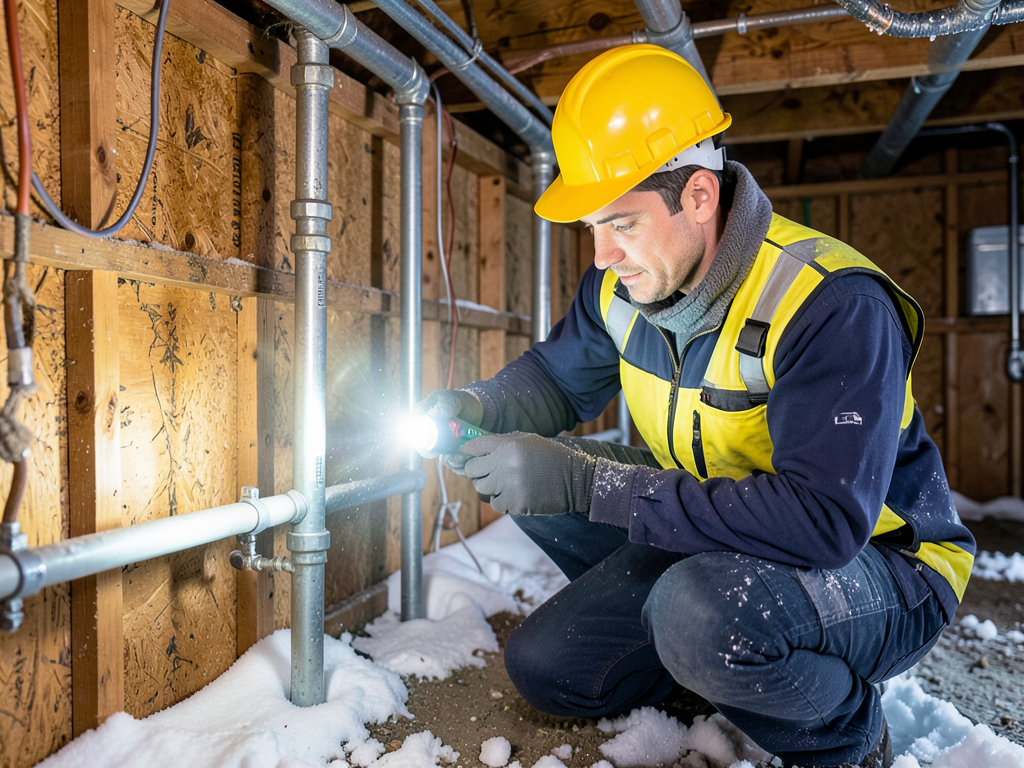
Keeping Your Pipes from Freezing When the Power Goes Out During a Richmond Winter Storm When winter storms hit Richmond and the power goes out, frozen pipes can turn into a homeowner's nightmare. The combination…

Investigating a Suddenly High Richmond Water Bill (Where to Look for Hidden Leaks) A sudden…

Should You Close Your Crawl Space Vents During the Humid Virginia Summer Months? Richmond’s summer…

What Bubbling Paint on Your Ceiling Actually Says About Your Roof or Plumbing Bubbling paint…
Water damage spreads every minute. Our certified technicians are ready to respond 24/7 across Bon Air. We arrive within 60 minutes, extract water immediately, and work directly with your insurance company. Call (804) 602-2644 now to stop the damage and start your restoration.