




Richmond sits at the fall line where the Piedmont meets the coastal plain, creating unique flooding challenges that make water damage a constant threat to area homeowners. The James River winds through the city, and when tropical storms push up from the Atlantic or heavy spring rains saturate the ground, neighborhoods from Church Hill to the Fan District see basement flooding and foundation seepage.
The clay-heavy soils common throughout Henrico and Chesterfield counties don't absorb water well. When storms dump rain on Richmond, that water has nowhere to go except into crawl spaces and against foundation walls. Older homes in historic districts like Oregon Hill and Jackson Ward often have stone foundations that leak during heavy rain, while newer subdivisions near Short Pump deal with poor grading that channels water toward homes.
Richmond's humid subtropical climate means high moisture levels year-round. When water gets inside your walls from a pipe burst or roof leak, that humidity accelerates mold growth. You have 24 to 48 hours to extract water and dry structural materials before mold colonies establish. The combination of frequent storms, clay soil, aging infrastructure, and high humidity makes professional water removal and structural drying essential for Richmond homeowners facing any water intrusion.
Horizon Water Damage Restoration Richmond operates with one principle: respond immediately and restore completely. When you call our emergency line, you reach a live dispatcher who sends a crew to your location within 60 minutes, not an answering service that takes messages. Our technicians carry truck-mounted extraction units capable of removing thousands of gallons per hour, plus thermal imaging equipment that finds hidden moisture in walls and subfloors that traditional meters miss.
We've restored homes across Richmond since establishing our local presence, working in every neighborhood from Byrd Park to Battery Park. Our crews know the construction methods used in Richmond's historic homes and understand how water moves through balloon-frame walls common in Fan District houses. We know which Richmond homes have crawl spaces that flood during heavy rain and which subdivisions near the Chickahominy River face recurring groundwater issues.
Every restoration project follows IICRC S500 standards for water damage remediation. Our technicians document moisture readings at initial contact, throughout the drying process, and at final clearance to prove your structure meets dry standards. We photograph every stage of restoration for your insurance claim and provide detailed estimates that match your policy requirements. Most Richmond insurance adjusters know our work and trust our documentation.
We don't subcontract any phase of restoration. The crew that extracts your water also handles structural drying, antimicrobial treatment, and reconstruction. One team manages your entire project from emergency call to final walkthrough, which means faster completion and clear accountability. You work with the same project manager throughout restoration instead of getting transferred between departments or contractors.

Our dispatch center sends crews to Richmond locations within one hour of your emergency call. We maintain equipment caches throughout the metro area so technicians arrive with truck-mounted extractors, air movers, and dehumidifiers ready to deploy. Fast response prevents secondary damage that doubles restoration costs and timelines.

We handle all communication with your insurance carrier, document every phase of restoration with photos and moisture readings, and provide estimates formatted to match your policy requirements. Our documentation meets adjuster standards, which speeds claim approval and gets you back in your home faster without claim disputes or coverage gaps.
Every crew member holds current IICRC Water Restoration Technician certification and completes ongoing training in structural drying, microbial remediation, and advanced extraction techniques. Our certification ensures your restoration follows industry standards that insurance companies recognize and that protect your home from improper drying that causes future mold problems.
We've worked in every Richmond neighborhood and understand local construction methods, from balloon-frame homes in Church Hill to slab foundations in western Henrico. Our crews know how Richmond's clay soil affects foundation drainage, which areas flood during storms, and how to restore historic homes without damaging original materials or architectural details.
Water damage hits Richmond homes in different ways, and each situation requires specific equipment and techniques to prevent permanent damage. A burst supply line floods your home with clean water that requires immediate extraction but minimal antimicrobial treatment. A sewage backup introduces category three water contaminated with bacteria that demands complete sanitization and disposal of porous materials. Storm flooding brings muddy groundwater that deposits sediment and contaminants throughout your home.
Horizon Water Damage Restoration Richmond responds to every water emergency with the right equipment and protocols. We assess water category, measure moisture levels in structural materials, and create a drying plan that prevents mold growth and secondary damage. Our services span emergency water removal, structural drying and dehumidification, contents restoration, antimicrobial treatment, and complete reconstruction. Each service follows IICRC standards and adapts to your specific damage scenario.
We divide restoration into three core service categories based on water source, contamination level, and structural impact. Emergency water removal handles active flooding and prevents damage spread. Structural drying and dehumidification removes moisture from building materials using commercial equipment and prevents mold colonization. Reconstruction and restoration rebuilds damaged areas and returns your home to pre-loss condition. Most Richmond water damage projects require all three service categories to achieve complete restoration.
Emergency water removal stops active flooding and prevents water from spreading to unaffected areas of your Richmond home. Our crews use truck-mounted extractors to remove standing water from flooring, submersible pumps to drain basements and crawl spaces, and weighted extraction tools to pull water from carpets and padding. We move furniture to dry areas, remove wet contents for cleaning, and extract water from walls using specialized injection systems. Speed determines how much damage occurs, which is why we respond within 60 minutes and begin extraction immediately upon arrival.
Structural drying removes moisture trapped inside walls, subfloors, and framing materials after water extraction. We place commercial air movers to create airflow across wet surfaces and position refrigerant dehumidifiers to pull moisture from the air. Our technicians use thermal imaging cameras to find hidden moisture and track drying progress with daily moisture readings. Richmond's high humidity slows natural drying, so professional dehumidification is essential. We continue drying until moisture meters confirm your structure meets dry standards, typically three to five days depending on materials affected and initial moisture levels.
Complete restoration rebuilds areas damaged beyond drying and returns your Richmond home to pre-loss condition. We remove drywall and insulation that stayed wet too long, replace subfloors damaged by prolonged exposure, and rebuild walls using materials that match your existing finishes. Our reconstruction team handles everything from installing new hardwood flooring to repainting entire rooms. We coordinate with your insurance adjuster throughout reconstruction to ensure all covered repairs get approved. One team manages your entire project from water extraction through final walkthrough, which eliminates coordination problems between emergency response and reconstruction contractors.
Richmond's location at the fall line creates flooding risks that other Virginia cities don't face. When tropical storms move inland or spring thunderstorms stall over central Virginia, the James River rises fast and neighborhoods near the river see flooding. Areas in the flood plain like Shockoe Bottom have flooded repeatedly throughout Richmond's history. But you don't need to live near the river to face water damage.
Richmond's clay soil doesn't absorb water well, so heavy rain saturates the ground quickly and pushes groundwater into basements and crawl spaces. Homes built on hillsides in areas like Church Hill see water run down slopes and pool against foundations. Poor lot grading in newer subdivisions channels rainwater toward homes instead of away. These drainage problems cause chronic basement flooding that many Richmond homeowners battle after every heavy storm.
Inside your home, aging plumbing creates burst pipe risks that increase as Richmond's housing stock ages. Many Fan District and Museum District homes still have original galvanized supply lines that corrode from the inside and fail without warning. Water heaters last 10 to 12 years before tanks rust through and dump 40 to 50 gallons across your floor. Washing machine hoses crack and spray water until someone shuts off the supply. These common failures cause significant water damage when they happen while you're at work or on vacation.
Clay soil throughout Richmond prevents rainwater from soaking into the ground, pushing groundwater against foundation walls and into basements during storms. Crawl spaces fill with standing water that damages floor joists and creates mold problems. We extract standing water, dry structural materials, and install vapor barriers to prevent recurring moisture problems in Richmond crawl spaces.
Supply line failures dump hundreds of gallons into your Richmond home before you discover the leak. Burst pipes flood multiple rooms, soak drywall and insulation, and damage flooring throughout your home. We respond immediately to burst pipe calls, extract water from all affected areas, and dry your structure before mold grows in wall cavities and subfloors.
Tropical storms and severe thunderstorms bring heavy rain that overwhelms Richmond roofs and finds every weak point in your roof system. Water enters through damaged shingles, around chimney flashing, and at roof valleys. Attic insulation soaks up water and transfers moisture to ceilings. We extract water, dry insulation and framing, and coordinate with roofers to fix leak sources.
Sewer line blockages cause sewage to back up through floor drains and toilets, flooding Richmond basements with contaminated water that requires complete sanitization. Category three water contains bacteria and pathogens that make affected areas unsafe. We extract sewage, remove contaminated materials, sanitize all surfaces, and restore your basement to safe, livable condition following strict remediation protocols.
Water damage creates chaos and stress, especially when flooding happens at night or while you're away from home. You need a restoration company that responds fast, communicates clearly, and handles everything from emergency water removal through final reconstruction. Horizon Water Damage Restoration Richmond manages your entire project with transparent communication, daily updates, and clear timelines so you know exactly what to expect.
When you call our emergency line, you reach a live dispatcher who gathers information about your damage and sends a crew to your Richmond location immediately. Our response truck arrives with extraction equipment, moisture meters, and thermal imaging cameras ready to deploy. The crew chief inspects your property, explains what happened and what needs to happen next, and begins water removal. You receive a detailed estimate before any work starts beyond emergency mitigation.
Throughout restoration, your project manager contacts you daily with progress updates and answers questions about timeline, insurance, or reconstruction details. We take photos at every stage to document moisture levels, drying progress, and completed work. You receive copies of all documentation for your records and insurance claim. Our goal is to eliminate surprises and keep you informed from first contact through final walkthrough.
We dispatch crews to Richmond locations within 60 minutes of your call and begin water extraction immediately. Our technicians inspect your property to identify water source, assess damage severity, and measure moisture levels in structural materials. You receive a complete damage assessment and detailed estimate before we proceed beyond emergency mitigation. We explain what work your insurance covers and what falls outside policy limits so you can make informed decisions about your restoration.
Your project manager contacts you every day with progress updates, answers questions about timeline and process, and coordinates with your insurance adjuster to keep your claim moving. We document every phase of restoration with photos and moisture readings that prove we're following proper drying protocols. You receive copies of all documentation for your records. We don't leave you guessing about what's happening in your home or when you can move back in.
We don't consider your project complete until you're satisfied with every detail of restoration. After reconstruction finishes, we conduct a final walkthrough where you inspect all work and confirm everything meets your expectations. We address any concerns immediately and don't request final payment until you approve completed work. Our warranty covers all restoration work, and we remain available if you have questions or issues after project completion.
We follow a structured restoration process that prioritizes emergency response, prevents secondary damage, and restores your Richmond home completely. Every project moves through three distinct phases that build on each other to achieve complete restoration.
Our crew arrives at your Richmond property within 60 minutes of your emergency call with truck-mounted extractors and commercial drying equipment. We stop active water flow, extract standing water from all affected areas, and move furniture and contents to dry locations. Emergency mitigation prevents damage from spreading to unaffected rooms and stops secondary damage from progressing. We document initial moisture levels, photograph all damage, and create a detailed scope of work that guides your entire restoration project.
After water extraction, we position commercial air movers and refrigerant dehumidifiers throughout affected areas to dry structural materials. Our technicians monitor moisture levels twice daily using moisture meters and thermal imaging cameras to track drying progress. We adjust equipment placement based on readings to ensure even drying across all materials. Richmond's high humidity requires aggressive dehumidification to prevent mold growth. Drying continues until moisture meters confirm your structure meets dry standards established by IICRC guidelines.
Once your structure is completely dry, our reconstruction team rebuilds areas damaged beyond repair. We remove wet drywall and insulation, replace damaged subfloors and framing, and install new materials that match your existing finishes. Our crew handles everything from drywall installation through final paint and trim work. We restore your Richmond home to pre-loss condition with one team managing every phase from water extraction through final walkthrough, eliminating coordination problems between multiple contractors.
Professional water damage restoration follows specific standards established by the Institute of Inspection Cleaning and Restoration Certification. These standards protect your Richmond home from improper drying that causes mold growth, structural damage, and failed insurance claims. Understanding remediation protocols helps you recognize quality restoration and avoid contractors who skip critical steps to finish fast.
IICRC S500 standards require moisture mapping at initial assessment, during drying, and at project completion. Technicians measure moisture content in all affected materials using penetrating moisture meters and non-invasive sensors. These readings establish baseline moisture levels and track drying progress. Your structure meets dry standard when moisture readings match unaffected reference areas. Stopping drying before materials reach dry standard causes mold growth and structural problems.
Water categories determine cleaning and disposal protocols. Category one water from supply lines requires extraction and drying. Category two water from washing machine overflows or toilet tanks contains contaminants that require antimicrobial treatment. Category three water from sewage backups or flood water demands complete sanitization and disposal of porous materials that can't be cleaned. Using wrong protocols for water category creates health hazards and liability issues.
Richmond's humid climate affects drying time significantly. Summer humidity above 70 percent slows evaporation and requires more dehumidification capacity than drier climates need. Professional restoration uses psychrometry to calculate vapor pressure and determine exact dehumidification requirements. Portable dehumidifiers from hardware stores can't generate the air changes per hour needed to dry structures in Richmond's humidity. Commercial equipment removes moisture 10 to 20 times faster than residential units.
Insurance companies expect restoration contractors to follow IICRC standards and provide detailed documentation proving proper procedures. Claims adjusters review moisture logs, equipment logs, and photos to verify appropriate remediation occurred. Documentation gaps or protocol violations give insurers reason to deny coverage or reduce settlement amounts. Professional restoration provides the documentation your carrier requires to approve your claim without dispute.
All water damage restoration must follow IICRC S500 standards for water damage remediation. These standards establish moisture monitoring protocols, drying timelines, equipment requirements, and safety procedures that protect your home and health. Our technicians hold current IICRC Water Restoration Technician certification and document compliance with S500 standards throughout your project. Insurance companies require S500 compliance for claim approval.
Water damage restoration costs depend on water category, affected square footage, materials damaged, and drying time required. Clean water from supply lines costs less to remediate than contaminated sewage backup. Hardwood floors and finished basements require more equipment and time to dry than concrete slabs. Most Richmond homeowners insurance policies cover water damage restoration minus your deductible when damage results from sudden failures, not maintenance neglect.
Structural drying takes three to five days in most Richmond homes when proper equipment and protocols are used. Materials like hardwood flooring and plaster walls take longer to dry than drywall and carpet. Richmond's summer humidity extends drying time compared to winter months. We monitor moisture levels twice daily and continue drying until readings confirm your structure meets dry standards, regardless of how long that takes.
Virginia requires water damage restoration contractors to hold Class A or Class C contractor licenses for reconstruction work exceeding specific dollar amounts. All legitimate restoration companies carry general liability insurance and workers compensation coverage that protects you from liability if workers get injured on your property. We maintain all required Virginia licenses and insurance coverage. Always verify contractor credentials before allowing work to begin on your Richmond home.
This video explains the professional water damage restoration process for Richmond VA homeowners facing flooding, burst pipes, or storm damage. Learn about emergency water extraction, structural drying techniques, IICRC standards, and complete restoration timelines. Covers Richmond-specific challenges including clay soil drainage issues, historic home restoration, basement flooding, and humidity effects on drying. Shows commercial equipment, thermal imaging moisture detection, and reconstruction processes. Horizon Water Damage Restoration Richmond provides 24/7 emergency response throughout Richmond metro area including Church Hill, Fan District, Short Pump, Henrico County, and Chesterfield County.
Horizon Water Damage Restoration Richmond serves the entire Richmond metro area with 24/7 emergency response to water damage, flooding, and storm damage calls. Our coverage area spans from Church Hill and Shockoe Bottom east to Sandston and the Richmond International Airport, west through the Fan District and Museum District to Short Pump and Innsbrook, north into Henrico County neighborhoods like Lakeside and Highland Springs, and south across the James River into Chesterfield County communities along Midlothian Turnpike and Hull Street Road.
We respond to water damage calls throughout Richmond's historic urban core where aging infrastructure and older construction methods create unique restoration challenges. Fan District homes with balloon-frame walls require different drying techniques than modern construction because water travels freely through wall cavities from attic to basement. Oregon Hill properties near the James River face flood risks during tropical storms and spring high water. Shockoe Bottom businesses in the flood plain need rapid commercial water extraction when the river overtops its banks.
West End neighborhoods around Regency Mall, Tuckahoe, and Westhampton see water damage from burst pipes, failed water heaters, and appliance overflows common to residential properties. These suburban areas feature ranch homes and split-levels from the 1960s and 1970s with plumbing systems reaching the end of their service life. We've restored hundreds of homes in these communities and understand the construction methods and materials used in mid-century Richmond housing.
Henrico County areas north of Richmond like Mechanicsville, Glen Allen, and Laurel present different challenges. Newer construction features modern plumbing and building codes, but rapid development sometimes means poor lot grading that channels storm water toward homes. Subdivisions near Virginia Center Commons and in the Innsbrook office park area call us for basement flooding during heavy rain events. We work throughout these communities to solve chronic drainage issues while restoring water damage.
South of the James River, Chesterfield County neighborhoods from Bon Air to Brandermill face similar water damage risks. Clay soil throughout the region prevents proper drainage, and homes built on hillsides or at the bottom of slopes collect runoff during storms. The Midlothian area sees its share of burst pipe emergencies and appliance failures. We serve these communities with the same rapid response and professional restoration we provide throughout Richmond.
Our Richmond location allows us to reach most emergency calls within 30 to 45 minutes, even during rush hour traffic on I-64, I-95, or the Downtown Expressway. We maintain equipment caches strategically positioned throughout the metro area so crews arrive with truck-mounted extractors and commercial drying equipment ready to deploy. Whether you're in a Church Hill rowhouse, a Short Pump subdivision, or a Bon Air split-level, Horizon Water Damage Restoration Richmond responds fast with the right equipment and expertise to stop damage and restore your property completely.
Water damage restoration in Richmond involves removing water, drying affected areas, and repairing structural damage to your property. Professional teams use industrial equipment to extract standing water and moisture from walls, floors, and ceilings. The process includes inspection, water removal, dehumidification, sanitization, and restoration work. Richmond's humid climate and proximity to waterways make properties vulnerable to flooding, burst pipes, and storm damage. Fast response prevents mold growth, which starts within 24-48 hours. Restoration teams work with your insurance company to document damage and streamline claims processing for faster recovery.
Water damage restoration in Richmond typically takes 3-7 days for standard cases. Simple water extraction and drying might finish in 72 hours. Extensive flooding or structural damage extends the timeline to several weeks. The process moves through distinct phases. Water extraction happens first, usually within hours. Drying and dehumidification take 3-5 days depending on humidity levels and affected materials. Final repairs and reconstruction add more time based on damage severity. Richmond's high humidity slows drying times compared to drier climates. Professional equipment speeds up the process significantly compared to air-drying alone.
Start by stopping the water source if safe to do so. Turn off your main water valve for pipe bursts. Move furniture and valuables to dry areas. Remove standing water with towels or a wet vacuum if the amount is manageable. Open windows for ventilation if weather permits. Take photos and videos of all damage for insurance documentation. Contact your insurance company immediately to report the claim. Call a professional restoration company within the first few hours. Do not use regular household fans on wet carpets, as this spreads contamination. Avoid entering rooms with electrical hazards or structural damage.
Water damage restoration in Richmond involves removing water, drying affected areas, and repairing structural damage to your property. Professional teams use industrial equipment to extract standing water and moisture from walls, floors, and ceilings. The process includes inspection, water removal, dehumidification, sanitization, and restoration work. Richmond's humid climate and proximity to waterways make properties vulnerable to flooding, burst pipes, and storm damage. Fast response prevents mold growth, which starts within 24-48 hours. Restoration teams work with your insurance company to document damage and streamline claims processing for faster recovery.
Water damage restoration in Richmond typically takes 3-7 days for standard cases. Simple water extraction and drying might finish in 72 hours. Extensive flooding or structural damage extends the timeline to several weeks. The process moves through distinct phases. Water extraction happens first, usually within hours. Drying and dehumidification take 3-5 days depending on humidity levels and affected materials. Final repairs and reconstruction add more time based on damage severity. Richmond's high humidity slows drying times compared to drier climates. Professional equipment speeds up the process significantly compared to air-drying alone.
Start by stopping the water source if safe to do so. Turn off your main water valve for pipe bursts. Move furniture and valuables to dry areas. Remove standing water with towels or a wet vacuum if the amount is manageable. Open windows for ventilation if weather permits. Take photos and videos of all damage for insurance documentation. Contact your insurance company immediately to report the claim. Call a professional restoration company within the first few hours. Do not use regular household fans on wet carpets, as this spreads contamination. Avoid entering rooms with electrical hazards or structural damage.
Your homeowner's insurance typically covers sudden and accidental water damage in Richmond. Burst pipes, appliance malfunctions, and storm damage usually qualify for coverage. Insurance generally excludes gradual damage from neglected maintenance or flooding from external sources. Standard policies require separate flood insurance for river or storm surge flooding. Your policy pays for water removal, drying, repairs, and temporary housing if needed. Document everything with photos and keep receipts for emergency repairs. Deductibles apply before coverage begins. Review your policy to understand coverage limits and exclusions. Most Richmond restoration companies work directly with insurance adjusters to simplify claims.
Water damage creates three main risks in Richmond homes. Mold grows within 24-48 hours in wet conditions, causing respiratory problems and allergic reactions. Structural damage weakens wood framing, drywall, and foundations, creating safety hazards. Contaminated water from sewage backups or flooding introduces bacteria, viruses, and parasites. Wet electrical systems pose electrocution and fire risks. Standing water attracts pests and mosquitoes. Prolonged moisture damages personal belongings and creates persistent odors. Richmond's warm, humid climate accelerates these problems compared to drier regions. Professional restoration addresses health hazards through proper sanitization and containment procedures during cleanup.
Richmond properties face water damage from multiple sources year-round. Hurricanes and tropical storms bring flooding and wind-driven rain from June through November. Burst pipes occur during winter cold snaps when temperatures drop unexpectedly. Aging infrastructure and old plumbing increase leak risks in historic Richmond neighborhoods. Appliance failures from water heaters, washing machines, and dishwashers happen without warning. Roof leaks develop from storm damage or aging materials. Sewer backups affect low-lying areas during heavy rainfall. Foundation cracks allow groundwater intrusion. HVAC condensation lines clog and overflow. High humidity promotes condensation problems in poorly ventilated spaces.
Professional restoration teams use specialized equipment unavailable to homeowners. Industrial water extractors remove thousands of gallons quickly. Commercial dehumidifiers and air movers dry structures faster than household fans. Moisture meters detect hidden water in walls and subfloors. Thermal imaging cameras identify wet areas invisible to the eye. Professionals understand building materials and proper drying techniques for each surface type. They follow industry standards for safety and sanitization. Teams work 24/7 to prevent secondary damage. Experience with insurance claims speeds up your reimbursement process. Professionals prevent common mistakes like inadequate drying, which leads to mold growth and structural problems later.
Prevent water damage by maintaining your Richmond home year-round. Inspect your roof twice annually for missing shingles or damaged flashing. Clean gutters and downspouts every spring and fall to ensure proper drainage. Check appliance hoses and connections for wear or leaks. Replace washing machine hoses every five years. Install water alarms near water heaters, under sinks, and in basements. Insulate pipes in unheated areas to prevent freezing. Test your sump pump before rainy seasons. Seal foundation cracks and ensure proper grading around your home. Monitor water bills for unexplained increases indicating hidden leaks. Schedule annual plumbing inspections.
Water damage falls into three categories based on contamination level. Category 1 clean water comes from supply lines, rainwater, or melting snow. This water poses no immediate health risk if dried quickly. Category 2 gray water contains some contaminants from sources like washing machines, dishwashers, or toilet overflow without feces. This water requires careful handling and sanitization. Category 3 black water is highly contaminated from sewage backups, flooding, or standing water with bacterial growth. Black water demands professional handling with protective equipment and extensive sanitization. Richmond's flood-prone areas often experience Category 3 damage requiring specialized restoration protocols.
Mold prevention starts immediately after water damage occurs in Richmond. Professional teams extract water within hours to prevent mold colonization. Industrial dehumidifiers reduce indoor humidity below 50 percent. Air movers create continuous airflow across wet surfaces to speed evaporation. Teams remove porous materials like carpet padding and wet insulation where mold grows easily. Antimicrobial treatments sanitize affected areas. Moisture meters confirm complete drying before reconstruction begins. HEPA air scrubbers capture airborne mold spores during cleanup. Proper ventilation and humidity control prevent future mold problems. Richmond's climate makes professional mold prevention essential during water damage restoration.
Your homeowner's insurance typically covers sudden and accidental water damage in Richmond. Burst pipes, appliance malfunctions, and storm damage usually qualify for coverage. Insurance generally excludes gradual damage from neglected maintenance or flooding from external sources. Standard policies require separate flood insurance for river or storm surge flooding. Your policy pays for water removal, drying, repairs, and temporary housing if needed. Document everything with photos and keep receipts for emergency repairs. Deductibles apply before coverage begins. Review your policy to understand coverage limits and exclusions. Most Richmond restoration companies work directly with insurance adjusters to simplify claims.
Water damage creates three main risks in Richmond homes. Mold grows within 24-48 hours in wet conditions, causing respiratory problems and allergic reactions. Structural damage weakens wood framing, drywall, and foundations, creating safety hazards. Contaminated water from sewage backups or flooding introduces bacteria, viruses, and parasites. Wet electrical systems pose electrocution and fire risks. Standing water attracts pests and mosquitoes. Prolonged moisture damages personal belongings and creates persistent odors. Richmond's warm, humid climate accelerates these problems compared to drier regions. Professional restoration addresses health hazards through proper sanitization and containment procedures during cleanup.
Richmond properties face water damage from multiple sources year-round. Hurricanes and tropical storms bring flooding and wind-driven rain from June through November. Burst pipes occur during winter cold snaps when temperatures drop unexpectedly. Aging infrastructure and old plumbing increase leak risks in historic Richmond neighborhoods. Appliance failures from water heaters, washing machines, and dishwashers happen without warning. Roof leaks develop from storm damage or aging materials. Sewer backups affect low-lying areas during heavy rainfall. Foundation cracks allow groundwater intrusion. HVAC condensation lines clog and overflow. High humidity promotes condensation problems in poorly ventilated spaces.
Professional restoration teams use specialized equipment unavailable to homeowners. Industrial water extractors remove thousands of gallons quickly. Commercial dehumidifiers and air movers dry structures faster than household fans. Moisture meters detect hidden water in walls and subfloors. Thermal imaging cameras identify wet areas invisible to the eye. Professionals understand building materials and proper drying techniques for each surface type. They follow industry standards for safety and sanitization. Teams work 24/7 to prevent secondary damage. Experience with insurance claims speeds up your reimbursement process. Professionals prevent common mistakes like inadequate drying, which leads to mold growth and structural problems later.
Prevent water damage by maintaining your Richmond home year-round. Inspect your roof twice annually for missing shingles or damaged flashing. Clean gutters and downspouts every spring and fall to ensure proper drainage. Check appliance hoses and connections for wear or leaks. Replace washing machine hoses every five years. Install water alarms near water heaters, under sinks, and in basements. Insulate pipes in unheated areas to prevent freezing. Test your sump pump before rainy seasons. Seal foundation cracks and ensure proper grading around your home. Monitor water bills for unexplained increases indicating hidden leaks. Schedule annual plumbing inspections.
Water damage falls into three categories based on contamination level. Category 1 clean water comes from supply lines, rainwater, or melting snow. This water poses no immediate health risk if dried quickly. Category 2 gray water contains some contaminants from sources like washing machines, dishwashers, or toilet overflow without feces. This water requires careful handling and sanitization. Category 3 black water is highly contaminated from sewage backups, flooding, or standing water with bacterial growth. Black water demands professional handling with protective equipment and extensive sanitization. Richmond's flood-prone areas often experience Category 3 damage requiring specialized restoration protocols.
Mold prevention starts immediately after water damage occurs in Richmond. Professional teams extract water within hours to prevent mold colonization. Industrial dehumidifiers reduce indoor humidity below 50 percent. Air movers create continuous airflow across wet surfaces to speed evaporation. Teams remove porous materials like carpet padding and wet insulation where mold grows easily. Antimicrobial treatments sanitize affected areas. Moisture meters confirm complete drying before reconstruction begins. HEPA air scrubbers capture airborne mold spores during cleanup. Proper ventilation and humidity control prevent future mold problems. Richmond's climate makes professional mold prevention essential during water damage restoration.
Horizon Water Damage Restoration proudly serves the greater Richmond area and surrounding communities. Our strategic location allows us to respond quickly and efficiently to your water damage emergencies, no matter where you are. We are committed to being a local, reliable presence for our neighbors. View our service area on the map below to see how we can reach you and provide the swift, expert service you need.
Address:
Richmond, VA, 23223
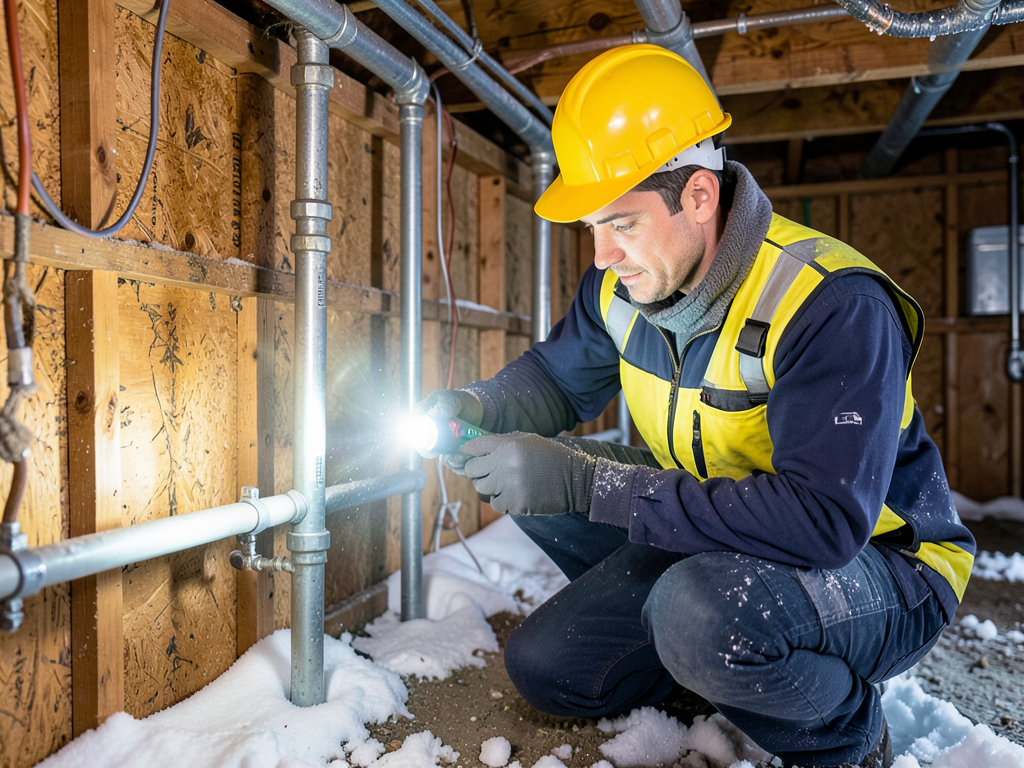
Keeping Your Pipes from Freezing When the Power Goes Out During a Richmond Winter Storm When winter storms hit Richmond and the power goes out, frozen pipes can turn into a homeowner's nightmare. The combination…

Investigating a Suddenly High Richmond Water Bill (Where to Look for Hidden Leaks) A sudden…

Should You Close Your Crawl Space Vents During the Humid Virginia Summer Months? Richmond’s summer…

What Bubbling Paint on Your Ceiling Actually Says About Your Roof or Plumbing Bubbling paint…
Water damage gets worse every minute. Stop the damage and start restoration now. Call Horizon Water Damage Restoration Richmond at (804) 602-2644 for immediate dispatch. Our crews respond 24/7 with commercial extraction equipment and start removing water within 60 minutes.