





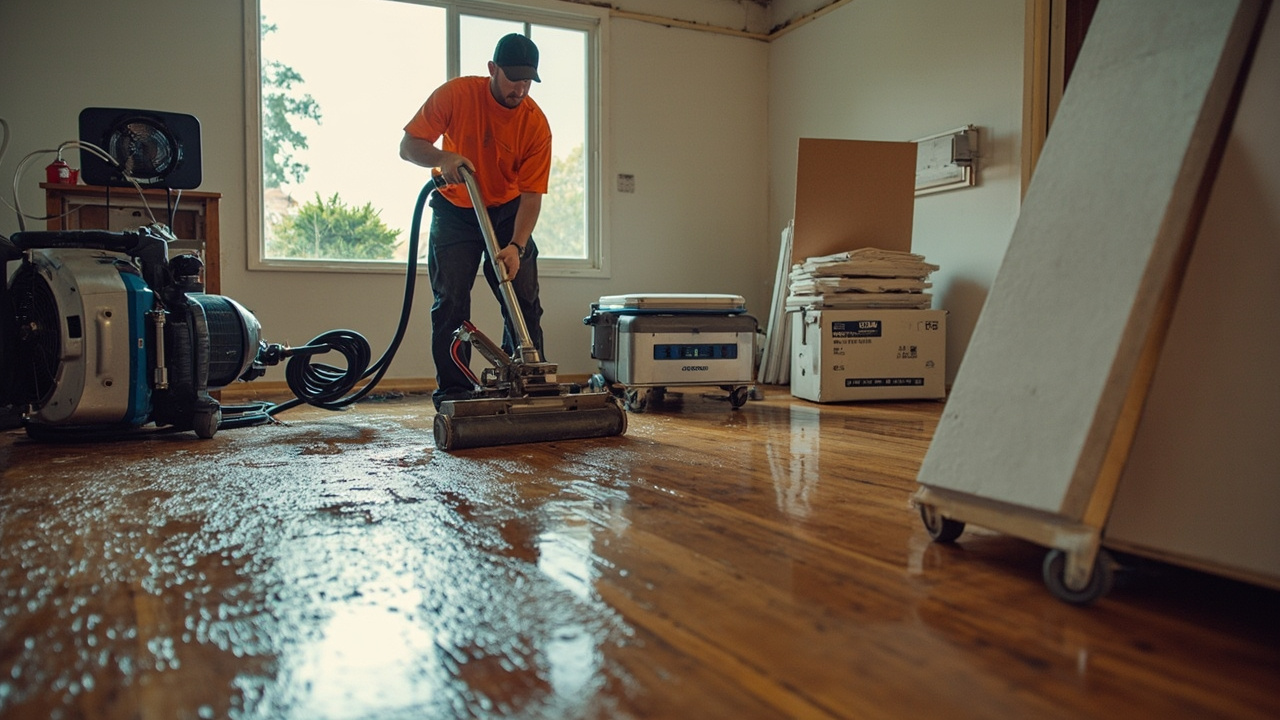
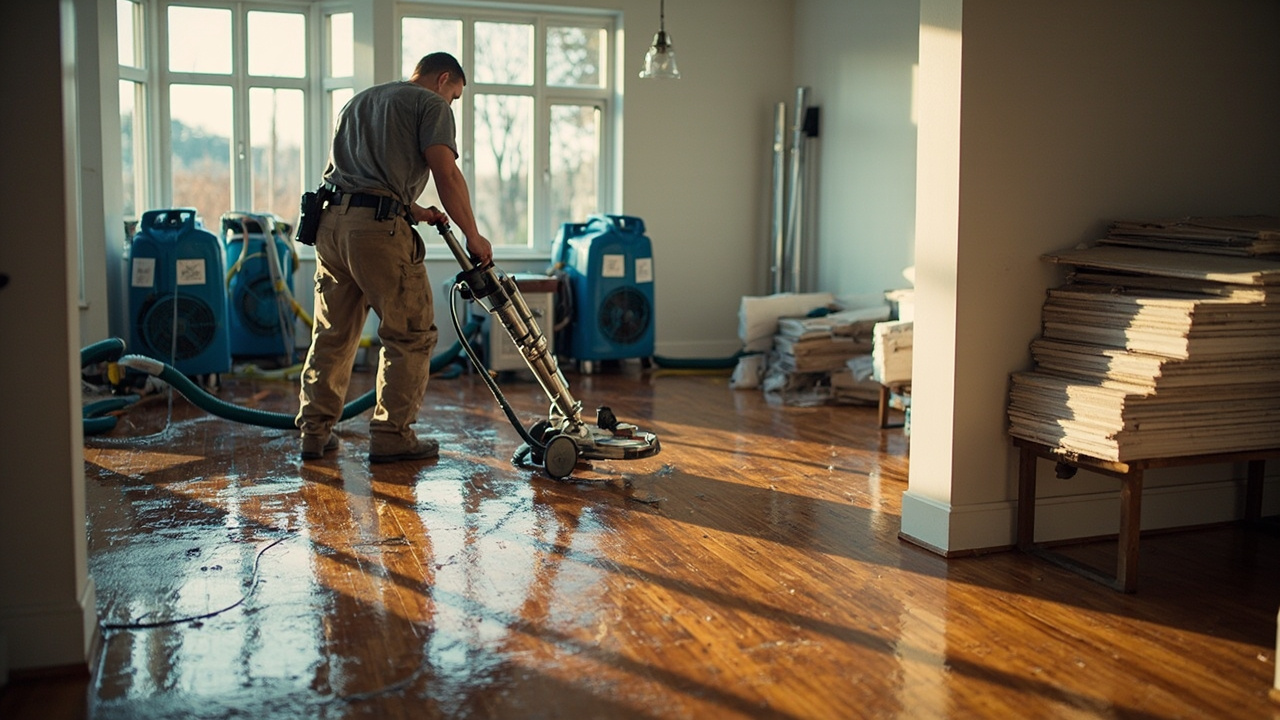
Richmond's location along the James River creates elevated humidity that accelerates secondary water damage. The metro area averages 72 percent relative humidity during summer months, which means wet building materials never fully air dry without mechanical intervention. Properties in low-lying areas like Shockoe Bottom face recurring flood risks when the James River crests during tropical systems. The water damage mitigation vs restoration timeline becomes compressed because Richmond's climate allows mold to establish colonies within 24 to 48 hours of water intrusion. This makes the difference between water mitigation and restoration timing critical. Delayed mitigation transforms minor water cleanup into major reconstruction projects requiring extensive remediation.
Richmond property owners benefit from working with water damage professionals who understand local construction methods and environmental challenges. Our technicians recognize how Richmond's historic brick structures retain moisture differently than modern frame construction. We account for the clay soil common throughout Henrico and Chesterfield counties that causes foundation movement and creates entry points for groundwater. We understand Richmond building codes that govern structural repairs and mold remediation. This local expertise ensures proper mitigation protocols that prevent recurring problems. The difference between water cleanup and water repair becomes clear when you work with professionals who know Richmond properties and can identify risks that out-of-area contractors miss.


