




Hopewell sits at the confluence of the James and Appomattox Rivers, making flood risk a constant threat for properties near City Point and the historic waterfront district. The clay-heavy soil throughout Prince George County holds water against foundations, creating hydrostatic pressure that forces groundwater through basement walls and crawl spaces. Homes in established neighborhoods like Brandon Hills and areas near the Hopewell Reservoir face aging cast iron plumbing that corrodes from the inside, rupturing without warning and flooding finished basements within minutes.
The humid Virginia climate keeps relative humidity above 60% for most of the year, which means wet building materials in your attic, walls, or crawl space will develop mold colonies within 48 to 72 hours if not properly dried. Hopewell experiences severe thunderstorms during spring and summer that overwhelm outdated stormwater systems, backing sewage into lower-level drains. Winter freeze-thaw cycles split exterior hose bibs and uninsulated pipes in attics, causing thousands of gallons to pour into living spaces before homeowners realize what happened. The regional water table rises during wet seasons, pushing moisture through slab foundations and creating permanent dampness that destroys flooring and promotes microbial growth.
We built our reputation in Hopewell by showing up fast and finishing the job completely. While other companies send estimators first, we dispatch trained technicians with truck-mounted extraction equipment ready to start water removal immediately. Our crews know the difference between a quick surface dry and proper structural drying because we use moisture meters, thermal cameras, and hygrometers to verify every material reaches safe moisture content before we call the job complete. That prevents the mold callbacks and lingering odors that plague rushed restoration work.
Our technicians hold IICRC certifications in Water Damage Restoration and Applied Structural Drying, which means they understand the science of evaporation rates, vapor pressure, and psychrometrics that determine how long your specific building materials need to dry under measured conditions. We document everything with photos, moisture readings, and detailed notes because we know insurance adjusters require proof of pre-existing damage versus storm damage, and we know how to present that evidence to maximize your claim approval. We handle contents pack-out, climate-controlled storage, and detailed inventory so your belongings stay protected while we rebuild.
Our project managers communicate daily about drying progress, reconstruction timelines, and any issues that arise. We do not disappear between demolition and rebuild like restoration companies that subcontract everything. You get one crew, one point of contact, and one company responsible for taking your property from flooded disaster to fully restored. We serve Hopewell property owners with the same urgency we would want if water was pouring into our own homes.

Our crews arrive within one hour with truck-mounted extraction units and portable generators to start water removal immediately. We do not send estimators first. We send technicians ready to work. Fast response stops secondary damage to hardwood floors, drywall, and structural framing. Every minute water sits, damage spreads. We stop it fast.

We document every detail of your water damage with photos, moisture maps, and equipment logs that insurance adjusters need to approve claims. Our estimators speak the language of Xactimate and understand how to justify emergency mitigation costs. We handle the paperwork and fight for full coverage so you can focus on getting back to normal.
Our water damage technicians hold certifications from the Institute of Inspection, Cleaning and Restoration Certification in Water Damage Restoration and Applied Structural Drying. That training ensures proper drying techniques, mold prevention protocols, and structural stabilization methods. Certification separates professionals from amateurs who create bigger problems through improper drying and hidden moisture.
We handle everything from initial water extraction through final reconstruction under one roof. No subcontractors. No waiting between demo and rebuild. Our crews perform structural drying, mold remediation, demolition, plumbing repairs, and complete reconstruction. You get one timeline, one point of contact, and one company accountable for returning your property to pre-loss condition.
Water damage hits properties in different ways, and proper restoration requires matching the right equipment and techniques to the specific source and category of water. A burst supply line requires different treatment than sewage backup. Storm flooding demands different protocols than a slow roof leak. We provide complete water damage remediation services tailored to your exact situation, from emergency extraction to structural rebuild.
Our service range covers every phase of water damage recovery. We start with emergency water removal using truck-mounted extractors that pull thousands of gallons per hour from carpet, tile, and concrete. We follow extraction with structural drying using commercial dehumidifiers and air movers positioned based on psychrometric calculations. We handle contaminated water with proper disinfection protocols. We rebuild damaged areas using moisture-resistant materials and proper construction techniques. Whether you face a plumbing failure, weather event, or appliance malfunction, we have the equipment and training to restore your property completely.
When water floods your property, immediate extraction prevents secondary damage to flooring, walls, and contents. Our crews arrive with truck-mounted extraction units capable of removing thousands of gallons per hour from carpet, tile, hardwood, and concrete. We use submersible pumps for standing water and weighted extraction wands for deep carpet saturation. Fast water removal stops wicking into drywall, prevents hardwood cupping, and reduces drying time. We extract until moisture meters show minimal remaining water content, then transition to structural drying equipment.
Proper structural drying requires measuring moisture content in all affected materials and creating airflow patterns that maximize evaporation. We position commercial dehumidifiers and high-velocity air movers based on the specific materials, room layout, and moisture readings. Our technicians monitor progress daily with moisture meters and thermal cameras, adjusting equipment placement to target remaining wet spots. We dry wall cavities, subfloors, and structural framing to safe levels verified by calibrated instruments. Rushing this phase causes mold growth, odors, and material failure months later.
Sewage backups and contaminated floodwater require specialized handling to protect your health. Our crews wear protective equipment and follow OSHA protocols for removing category 3 water containing bacteria, viruses, and parasites. We extract contaminated water, remove porous materials that cannot be sanitized, and apply EPA-registered antimicrobial treatments to all affected surfaces. We dispose of contaminated materials properly and clean salvageable contents using hospital-grade disinfectants. Sewage cleanup demands proper training and equipment to eliminate health hazards completely.
Hopewell properties face unique water damage risks from the regional climate, soil conditions, and aging infrastructure. The humid Virginia weather keeps moisture levels high year-round, which accelerates material deterioration and mold growth. Clay soil creates drainage problems that direct water toward foundations. Older homes contain outdated plumbing systems that fail without warning. Understanding these common issues helps property owners recognize problems early and respond quickly to minimize damage.
Storm events overwhelm drainage systems and cause flooding in low-lying areas near the rivers. Plumbing failures happen most often during winter freeze-thaw cycles and summer heat when water pressure fluctuates. Foundation moisture problems develop gradually from poor grading and gutter systems. Each situation requires immediate professional response to prevent damage from spreading through walls, floors, and structural components.
Frozen pipes rupture during winter cold snaps, and corroded supply lines fail without warning in older Hopewell homes. A single burst pipe releases hundreds of gallons into walls, ceilings, and floors before you can shut off the main valve. The water saturates insulation, drywall, and flooring within minutes. Fast response limits damage and prevents mold growth in wall cavities.
Severe thunderstorms dump inches of rain in hours, overwhelming stormwater systems and flooding basements across Hopewell. Properties near the James and Appomattox Rivers face periodic flooding during heavy rain events. Floodwater contains contaminants from streets, sewers, and soil that require proper disinfection. Standing water must be extracted immediately to prevent structural damage and dangerous mold growth.
Clay soil holds water against foundations, creating hydrostatic pressure that forces moisture through concrete and into basements. Poor grading and clogged gutters direct roof runoff toward foundation walls. Crawl spaces develop standing water from inadequate drainage and vapor barriers. This constant moisture damages floor joists, promotes mold growth, and creates musty odors throughout the home.
Water heaters fail after 10 to 15 years, rupturing tanks and flooding basements with 40 to 80 gallons. Washing machine supply hoses burst under constant pressure. Dishwashers leak from failed door seals and cracked drain lines. These failures happen when you are away from home, allowing water to run for hours before discovery. The damage spreads through flooring and walls rapidly.
The moment you call our emergency line, we dispatch the nearest available crew to your Hopewell property. You speak directly with our operations coordinator who captures critical details about your water damage source, affected areas, and immediate safety concerns. We do not send estimators to assess and schedule later. We send trained technicians with extraction equipment ready to start work immediately. Your property gets attention within 60 minutes, not tomorrow morning.
Our goal is to stop the panic and start the solution. Water damage feels overwhelming, but we have handled hundreds of similar situations. We know the steps, the timeline, and the equipment needed to return your property to normal. We communicate clearly about what happens next, how long each phase takes, and what you need to do with your insurance company. You get answers, action, and accountability from the first phone call through final walkthrough.
Our crew arrives within 60 minutes with truck-mounted extraction equipment, dehumidifiers, and air movers. We start water removal immediately while assessing the full extent of damage. We stop additional water intrusion by tarping roofs, boarding openings, or shutting off supply lines. We move furniture to dry areas and protect contents from further damage. We take detailed photos and moisture readings to document pre-mitigation conditions for your insurance claim. Emergency mitigation happens first, paperwork happens second.
Our project manager contacts you daily with drying progress updates, timeline changes, and next steps. We document everything with photos, moisture logs, and equipment placement diagrams that insurance adjusters require. We provide detailed estimates in Xactimate format that matches insurance company systems. We explain what your policy covers, what requires upgrades, and what out-of-pocket costs to expect. You never wonder what is happening or when work will resume. We answer calls and texts promptly.
We handle the entire restoration from emergency extraction through final paint and trim. No subcontractors delay your timeline. Our crews perform demolition, structural drying, mold remediation, plumbing repairs, framing, drywall, flooring, and finish work. We match existing materials and finishes to blend repairs seamlessly. Before we call the job complete, you walk through every room to verify quality and completeness. We do not leave until you are satisfied with the final result.
We follow a proven three-phase process that prioritizes emergency mitigation, thorough drying, and complete restoration. This approach prevents secondary damage while ensuring your property returns to pre-loss condition.
We start by removing all standing water with truck-mounted extractors and submersible pumps. Our technicians pull water from carpet, tile, hardwood, and concrete until moisture meters show minimal remaining saturation. We extract water from wall cavities through small access holes to prevent drywall wicking. We remove soaked insulation, padding, and porous materials that cannot be dried. Fast extraction stops damage from spreading and reduces total drying time significantly.
We position commercial dehumidifiers and air movers to create optimal drying conditions based on affected materials and room layout. Our technicians monitor moisture levels daily with calibrated meters, adjusting equipment placement to target remaining wet areas. We dry wall cavities, subfloors, and framing to safe moisture content verified by multiple readings. This phase typically requires three to seven days depending on materials and saturation level. Rushing causes mold growth and structural problems.
Once drying is complete and verified, we rebuild all damaged areas using quality materials and proper construction techniques. Our crews install new drywall, flooring, trim, and paint to match existing finishes. We handle plumbing repairs, electrical work, and structural framing as needed. We coordinate inspections and obtain necessary permits. The reconstruction phase duration depends on damage extent, but we maintain steady progress with daily on-site work until completion.
Professional water damage restoration follows standards established by the Institute of Inspection, Cleaning and Restoration Certification and the American National Standards Institute. These standards classify water damage by contamination level and material saturation to determine proper restoration protocols. Category 1 water comes from sanitary sources like supply lines and poses minimal health risk if handled quickly. Category 2 water contains some contamination from appliances or toilet overflow and requires disinfection. Category 3 water includes sewage, flooding, and grossly contaminated sources that demand specialized handling and disposal of porous materials.
Virginia's humid climate creates challenging drying conditions that affect restoration timelines. The IICRC S500 Standard for Water Damage Restoration requires technicians to calculate grains per pound and relative humidity to determine proper dehumidification capacity. Water evaporates from wet materials into surrounding air, but humid air cannot absorb much additional moisture. Commercial dehumidifiers remove moisture from the air, lowering relative humidity so materials can continue releasing water through evaporation. This process requires precise equipment sizing based on affected square footage, outdoor conditions, and material types.
Proper structural drying addresses all affected building assemblies, not just visible surfaces. Water wicks vertically through drywall and horizontally through wall cavities, saturating insulation and framing. Technicians must verify moisture content in wall studs, subfloors, and ceiling joists using invasive moisture meters that penetrate surfaces. The goal is reducing moisture content below 15% in wood framing and below 1% in concrete before reconstruction begins. Skipping this verification causes mold growth, wood rot, and material failure after walls are closed. Insurance companies require documentation showing materials reached safe moisture levels before approving payment for reconstruction work.
The IICRC categorizes water damage by contamination level and assigns classes based on evaporation rate and affected materials. Category 3 water requires antimicrobial treatment and disposal of porous materials. Class 3 and 4 damage affects entire rooms and structural assemblies, requiring extensive drying equipment. Proper classification determines equipment needs, safety protocols, and restoration costs. Misclassification leads to inadequate treatment and health hazards.
Water damage restoration costs depend on affected square footage, water category, material types, and drying duration. Emergency extraction and equipment rental represent initial costs. Demolition and disposal add labor and dump fees. Materials for reconstruction vary based on quality matching. Hidden damage to electrical systems, HVAC ducts, and structural framing increases scope. Insurance coverage depends on cause, policy limits, and deductible amounts.
Structural drying in humid Virginia conditions typically requires four to seven days for standard construction. Concrete, plaster, and hardwood need extended drying time. Summer humidity slows evaporation and requires additional dehumidification capacity. Multilevel homes with water migrating through floors need ten to fourteen days. Rushing drying causes trapped moisture, mold growth, and failed reconstruction. Daily monitoring with calibrated instruments verifies progress and determines equipment adjustment needs.
Water damage reconstruction in Hopewell requires building permits for structural work, electrical modifications, and plumbing repairs. The Virginia Uniform Statewide Building Code mandates specific standards for moisture barriers, insulation R-values, and mold-resistant materials in water-damaged areas. Licensed contractors must pull permits and schedule inspections before closing walls. Insurance companies require permit documentation to release final payment. Unpermitted work creates liability issues and sale complications.
This video explains the professional water damage restoration process used by Horizon Water Damage Restoration Richmond for properties in Hopewell, Virginia. Topics covered include emergency water extraction techniques, structural drying protocols for humid climates, moisture monitoring requirements, insurance documentation procedures, and complete reconstruction methods. Viewers learn what happens during each phase of water damage remediation from initial emergency response through final restoration. The video demonstrates equipment used for water removal and drying while explaining IICRC standards for proper water damage cleanup.
Horizon Water Damage Restoration Richmond serves the entire Hopewell area including the historic downtown district near the Appomattox River waterfront, residential neighborhoods around Brandon Hills and Archers Hill, and commercial properties along Route 10 and the Route 36 corridor. We respond quickly to water damage calls throughout Prince George County from the City Point Historic District where older homes face aging plumbing systems to newer developments west of Interstate 295 where modern construction still experiences appliance failures and storm damage.
Properties near the James River and Appomattox River confluence face elevated flood risk during heavy rain events when stormwater systems overwhelm quickly. The established neighborhoods between Hopewell High School and Riverview Cemetery contain homes built between the 1940s and 1970s with cast iron drain lines prone to corrosion and rupture. Basement flooding is common in areas with high water tables and clay soil that prevents proper drainage. The residential areas around Beacon Hill Golf Course and north toward Chester experience similar foundation moisture problems from inadequate grading and gutters directing water toward homes rather than away.
Commercial properties along Cavalier Square shopping district and industrial facilities near the DuPont plant require specialized water damage response for larger square footage and complex building systems. Our crews have experience with commercial extraction equipment, industrial dehumidification, and coordinating restoration work around business operations to minimize downtime. We understand that businesses lose revenue every day they remain closed, so we prioritize fast mitigation and efficient reconstruction timelines.
We maintain service coverage throughout Prince George County including communities along Route 156 toward Petersburg and Route 10 toward Chester. Our dispatch center routes the closest available crew to your location for fastest response time regardless of where you are in the Hopewell area. Whether you face residential flooding in established neighborhoods near the rivers or commercial water damage in newer development zones, we have the equipment and training to handle your specific situation. We know the local soil conditions, common plumbing problems, and weather patterns that create water damage risks across different parts of Hopewell and Prince George County.
Most water damage restoration teams in Hopewell VA offer 24/7 emergency response. Professional companies aim to arrive at your property within 60 to 90 minutes of your call. Quick response matters because water spreads fast and causes more damage with each passing hour. When you contact a restoration service, they dispatch a team immediately to assess the situation. Time is critical in preventing secondary damage like mold growth and structural issues. Always call right away when you notice water damage.
The restoration process starts with a thorough inspection to assess damage severity. Technicians extract standing water using pumps and vacuums. Next, they deploy industrial dehumidifiers and air movers to dry affected areas. They remove damaged materials like drywall, insulation, and flooring when needed. Technicians clean and sanitize surfaces to prevent mold growth. They monitor moisture levels daily using specialized meters. Finally, they rebuild and restore your home to pre-damage condition. The process follows industry standards to ensure complete drying and proper restoration.
Water damage restoration expenses vary widely based on several factors. The extent of damage, water category, and affected square footage all influence the final bill. Minor incidents affecting one room differ significantly from whole-house flooding. Clean water damage costs less to address than sewage contamination. Structure repairs, mold remediation, and content restoration add to expenses. Most restoration companies offer free inspections and detailed estimates before starting work. Get quotes from multiple providers to compare services and pricing for your specific situation.
Most water damage restoration teams in Hopewell VA offer 24/7 emergency response. Professional companies aim to arrive at your property within 60 to 90 minutes of your call. Quick response matters because water spreads fast and causes more damage with each passing hour. When you contact a restoration service, they dispatch a team immediately to assess the situation. Time is critical in preventing secondary damage like mold growth and structural issues. Always call right away when you notice water damage.
The restoration process starts with a thorough inspection to assess damage severity. Technicians extract standing water using pumps and vacuums. Next, they deploy industrial dehumidifiers and air movers to dry affected areas. They remove damaged materials like drywall, insulation, and flooring when needed. Technicians clean and sanitize surfaces to prevent mold growth. They monitor moisture levels daily using specialized meters. Finally, they rebuild and restore your home to pre-damage condition. The process follows industry standards to ensure complete drying and proper restoration.
Water damage restoration expenses vary widely based on several factors. The extent of damage, water category, and affected square footage all influence the final bill. Minor incidents affecting one room differ significantly from whole-house flooding. Clean water damage costs less to address than sewage contamination. Structure repairs, mold remediation, and content restoration add to expenses. Most restoration companies offer free inspections and detailed estimates before starting work. Get quotes from multiple providers to compare services and pricing for your specific situation.
Most homeowners insurance policies cover sudden and accidental water damage. This includes burst pipes, appliance failures, and storm damage. Your policy excludes gradual damage from neglect or lack of maintenance. Flood damage requires separate flood insurance through FEMA. Review your policy to understand your coverage limits and deductibles. Document everything with photos and detailed records. Contact your insurance company immediately after discovering water damage. Many restoration companies work directly with insurers and help navigate the claims process for you.
Small water damage projects take three to five days to complete. Larger incidents affecting multiple rooms need one to two weeks. Extensive flooding requiring major reconstruction takes several weeks or months. The timeline depends on damage severity, affected square footage, and materials involved. Drying time varies based on humidity levels and ventilation. Your technicians monitor moisture levels daily until readings reach normal ranges. Weather conditions and material availability affect reconstruction timelines. Your restoration company provides a detailed timeline after the initial assessment.
Look for IICRC certification when choosing a restoration company. The Institute of Inspection Cleaning and Restoration Certification sets industry standards for water damage restoration. IICRC-certified technicians complete specialized training in water extraction, drying, and structural repairs. Check for EPA Lead-Safe certification if your home was built before 1978. Verify the company holds proper business credentials with local authorities. Ask about ongoing training programs for their staff. Certified professionals follow proven protocols and use proper equipment. These qualifications ensure your home receives professional, effective restoration services.
Yes, water damage leads to mold growth quickly in Hopewell's humid environment. Mold spores begin colonizing within 24 to 48 hours after water exposure. High humidity levels in Virginia accelerate mold development. Hidden moisture in walls, floors, and ceilings creates ideal conditions for mold. Professional restoration prevents mold by removing water quickly and drying thoroughly. Technicians use moisture meters to find hidden water. They apply antimicrobial treatments to affected surfaces. Proper ventilation and dehumidification keep your home dry after restoration completes.
Professional teams use industrial-grade water extractors and submersible pumps to remove standing water. High-powered air movers create airflow to speed evaporation. Commercial dehumidifiers remove moisture from the air. Moisture meters and thermal imaging cameras detect hidden water in walls and floors. Air scrubbers with HEPA filters clean airborne contaminants. Technicians use hygrometers to measure humidity levels throughout the drying process. Specialized cleaning equipment sanitizes affected surfaces. Professional-grade equipment works faster and more effectively than household tools for complete restoration.
Start by verifying IICRC certification and checking online reviews from local customers. Ask about emergency response times and availability. Get detailed written estimates from at least three companies. Compare their drying processes and equipment quality. Ask about their experience with insurance claims if needed. Request references from recent Hopewell clients. Evaluate their communication style and professionalism during initial contact. Choose a company with local experience who understands Hopewell's climate challenges. Avoid companies demanding full payment upfront. Select a restoration service committed to thorough documentation and transparency.
Watch for musty odors indicating hidden moisture or mold growth. Discoloration on walls, ceilings, or floors signals water intrusion. Peeling or bubbling paint suggests moisture trapped behind surfaces. Warped or buckled flooring indicates water damage underneath. Unexplained increases in water bills point to hidden leaks. Soft or spongy spots on walls mean prolonged water exposure. Visible mold growth confirms ongoing moisture problems. Listen for dripping sounds inside walls. Feel for damp spots on carpets or unusual humidity in specific rooms.
Most homeowners insurance policies cover sudden and accidental water damage. This includes burst pipes, appliance failures, and storm damage. Your policy excludes gradual damage from neglect or lack of maintenance. Flood damage requires separate flood insurance through FEMA. Review your policy to understand your coverage limits and deductibles. Document everything with photos and detailed records. Contact your insurance company immediately after discovering water damage. Many restoration companies work directly with insurers and help navigate the claims process for you.
Small water damage projects take three to five days to complete. Larger incidents affecting multiple rooms need one to two weeks. Extensive flooding requiring major reconstruction takes several weeks or months. The timeline depends on damage severity, affected square footage, and materials involved. Drying time varies based on humidity levels and ventilation. Your technicians monitor moisture levels daily until readings reach normal ranges. Weather conditions and material availability affect reconstruction timelines. Your restoration company provides a detailed timeline after the initial assessment.
Look for IICRC certification when choosing a restoration company. The Institute of Inspection Cleaning and Restoration Certification sets industry standards for water damage restoration. IICRC-certified technicians complete specialized training in water extraction, drying, and structural repairs. Check for EPA Lead-Safe certification if your home was built before 1978. Verify the company holds proper business credentials with local authorities. Ask about ongoing training programs for their staff. Certified professionals follow proven protocols and use proper equipment. These qualifications ensure your home receives professional, effective restoration services.
Yes, water damage leads to mold growth quickly in Hopewell's humid environment. Mold spores begin colonizing within 24 to 48 hours after water exposure. High humidity levels in Virginia accelerate mold development. Hidden moisture in walls, floors, and ceilings creates ideal conditions for mold. Professional restoration prevents mold by removing water quickly and drying thoroughly. Technicians use moisture meters to find hidden water. They apply antimicrobial treatments to affected surfaces. Proper ventilation and dehumidification keep your home dry after restoration completes.
Professional teams use industrial-grade water extractors and submersible pumps to remove standing water. High-powered air movers create airflow to speed evaporation. Commercial dehumidifiers remove moisture from the air. Moisture meters and thermal imaging cameras detect hidden water in walls and floors. Air scrubbers with HEPA filters clean airborne contaminants. Technicians use hygrometers to measure humidity levels throughout the drying process. Specialized cleaning equipment sanitizes affected surfaces. Professional-grade equipment works faster and more effectively than household tools for complete restoration.
Start by verifying IICRC certification and checking online reviews from local customers. Ask about emergency response times and availability. Get detailed written estimates from at least three companies. Compare their drying processes and equipment quality. Ask about their experience with insurance claims if needed. Request references from recent Hopewell clients. Evaluate their communication style and professionalism during initial contact. Choose a company with local experience who understands Hopewell's climate challenges. Avoid companies demanding full payment upfront. Select a restoration service committed to thorough documentation and transparency.
Watch for musty odors indicating hidden moisture or mold growth. Discoloration on walls, ceilings, or floors signals water intrusion. Peeling or bubbling paint suggests moisture trapped behind surfaces. Warped or buckled flooring indicates water damage underneath. Unexplained increases in water bills point to hidden leaks. Soft or spongy spots on walls mean prolonged water exposure. Visible mold growth confirms ongoing moisture problems. Listen for dripping sounds inside walls. Feel for damp spots on carpets or unusual humidity in specific rooms.
Horizon Water Damage Restoration proudly serves the greater Richmond area and surrounding communities. Our strategic location allows us to respond quickly and efficiently to your water damage emergencies, no matter where you are. We are committed to being a local, reliable presence for our neighbors. View our service area on the map below to see how we can reach you and provide the swift, expert service you need.
Address:
Hopewell, VA, 23860
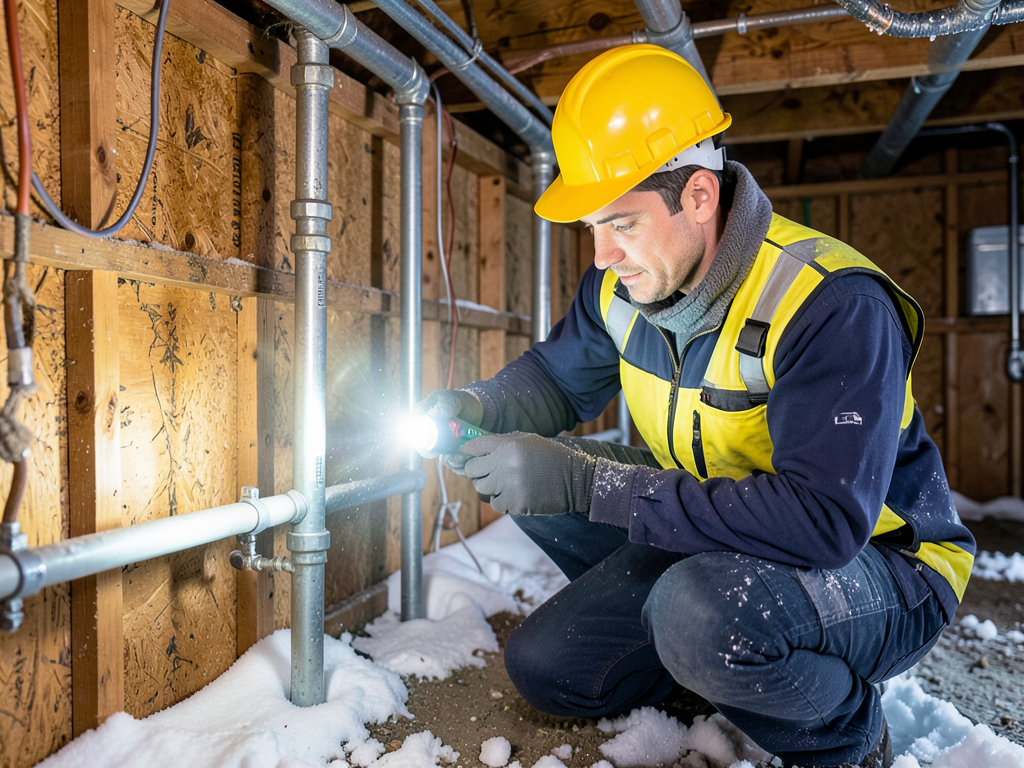
Keeping Your Pipes from Freezing When the Power Goes Out During a Richmond Winter Storm When winter storms hit Richmond and the power goes out, frozen pipes can turn into a homeowner's nightmare. The combination…

Investigating a Suddenly High Richmond Water Bill (Where to Look for Hidden Leaks) A sudden…

Should You Close Your Crawl Space Vents During the Humid Virginia Summer Months? Richmond’s summer…

What Bubbling Paint on Your Ceiling Actually Says About Your Roof or Plumbing Bubbling paint…
Water damage spreads fast. Every minute counts. Call us now at (804) 602-2644 for immediate dispatch to your Hopewell property. Our crews respond within 60 minutes with industrial extraction equipment ready to stop the damage. We work directly with your insurance company and handle everything from emergency water removal through complete reconstruction.