




Midlothian sits in Chesterfield County where clay-heavy soils, aging infrastructure, and Virginia's humid subtropical climate create a perfect storm for water intrusion. The same clay that defines our region expands when wet and contracts when dry, cracking foundations and basement walls in neighborhoods like Brandermill and Woodlake. Spring storms dump heavy rainfall that overwhelms outdated drainage systems, while summer humidity keeps moisture levels high enough to trigger mold growth within 48 hours of any water event.
Homes near Swift Creek and the Falling Creek watershed face flooding risks during severe weather, while properties built in the 1980s and 1990s often have original plumbing that fails without warning. When a pipe bursts at 2 AM or your sump pump quits during a thunderstorm, water spreads through drywall, insulation, and subflooring faster than most homeowners realize. The longer water sits, the more expensive restoration becomes. Midlothian's elevation changes and soil composition mean water does not drain naturally, it pools in crawl spaces and seeps through foundation walls, creating damage that compounds by the hour.
When water is actively damaging your home, you need a restoration company that answers immediately and arrives equipped to handle the full scope of mitigation. Horizon Water Damage Restoration Richmond has served Chesterfield County for years, building a reputation for rapid response and complete water removal that prevents secondary damage. We maintain relationships with every major insurance carrier operating in Midlothian, which means we document damage correctly the first time and communicate directly with adjusters to move your claim forward without delays.
Our technicians hold IICRC certifications in water damage restoration and applied structural drying, not weekend crash courses. We invest in commercial-grade equipment including truck-mounted extractors, low-grain refrigerant dehumidifiers, and FLIR thermal cameras that detect moisture inside walls and ceilings before it creates mold colonies. When we arrive at your Midlothian property, we bring everything needed to extract standing water, remove saturated materials, and deploy enough air movers and dehumidifiers to dry your structure completely within 3-5 days.
We do not subcontract the hard work or disappear once equipment is placed. Our project managers visit your property daily to take moisture readings, adjust drying equipment, and answer questions about the restoration timeline. We understand how disruptive water damage is to your family, which is why we focus on getting you back into safe, dry living space as quickly as possible while protecting your home from long-term structural damage.

Water damage happens at the worst possible times. Our emergency line is answered by trained dispatchers day and night, not voicemail. We deploy technicians to Midlothian properties within 60 minutes of your call with truck-mounted extraction equipment ready to stop water damage immediately. Speed prevents mold, saves your belongings, and reduces total restoration costs.

We work with your insurance carrier from first contact through final invoice. Our technicians photograph and document all damage using industry-standard protocols that adjusters trust. We provide detailed estimates, communicate directly with claims departments, and handle the paperwork that overwhelms homeowners during water emergencies. You focus on your family while we manage the claim process.
Every technician on our crew holds current IICRC certification in water damage restoration and applied structural drying. This training teaches the science of moisture migration, proper equipment placement, and drying protocols that prevent secondary damage. Certification matters because improper drying leads to mold growth, warped floors, and structural problems that appear months after the initial water event.
We know Midlothian's building styles, soil conditions, and common failure points because we have restored hundreds of homes across Chesterfield County. Our technicians understand how water behaves in split-level homes near Robious Road and why basement flooding is common in properties near Swift Creek. Local knowledge means faster diagnosis and more effective mitigation customized to your specific property type.
Water damage restoration involves multiple disciplines working together to return your property to pre-loss condition. At Horizon Water Damage Restoration Richmond, we handle every phase of the mitigation and restoration process under one roof, from emergency water extraction through final reconstruction. This integrated approach eliminates the delays and communication breakdowns that happen when homeowners coordinate multiple contractors during an already stressful situation.
Our service range covers all water damage scenarios that affect Midlothian homes, whether you are dealing with a sudden catastrophic flood, a slow leak that has compromised your structure over time, or sewage backup that creates health hazards. We deploy different equipment, techniques, and safety protocols depending on the water source and contamination level. Clean water from supply lines requires different handling than gray water from appliances or black water from sewer backups. Our technicians assess the water category on arrival and implement the appropriate extraction and sanitization procedures to protect your family's health while salvaging as much of your property as possible.
When water is actively flooding your home, immediate extraction prevents damage from spreading to unaffected areas. Our truck-mounted pumps remove thousands of gallons per hour from basements, crawl spaces, and living areas. We extract water from carpets, padding, and subflooring using weighted wands that pull moisture from deep within materials. Our technicians identify the water source, stop the flow if possible, and begin extraction within minutes of arrival. Fast water removal saves hardwood floors, prevents drywall from wicking moisture upward, and stops contamination from spreading throughout your home.
After extraction removes standing water, structural drying eliminates moisture trapped inside walls, ceilings, and building cavities. We deploy commercial air movers and low-grain refrigerant dehumidifiers in calculated patterns based on moisture readings and psychrometric calculations. Our technicians use thermal imaging cameras to map wet areas invisible to the naked eye and moisture meters to track drying progress in wood framing, drywall, and insulation. We monitor humidity levels and adjust equipment daily until all materials reach their dry standard. Proper structural drying prevents mold growth, stops wood rot, and protects your home's structural integrity.
Once your structure is completely dry, restoration brings your home back to pre-loss condition. Our reconstruction crew handles everything from replacing drywall and insulation to reinstalling flooring, trim, and cabinets. We match existing finishes, repair structural framing damaged by water exposure, and coordinate with plumbers or electricians when systems need replacement. Keeping restoration in-house means one point of contact, faster completion, and seamless coordination between drying and rebuilding phases. You get your home back without managing multiple contractors or explaining the damage history repeatedly to different companies.
Midlothian's location in the Virginia Piedmont creates specific water intrusion patterns that differ from coastal flooding or mountain runoff scenarios. Our clay soils do not drain water naturally, which means rainfall accumulates around foundations and in crawl spaces rather than percolating through the ground. Homes built before modern drainage standards often lack proper grading, functional gutters, or adequate sump pump systems. When spring storms arrive or summer thunderstorms dump two inches of rain in an hour, these drainage deficiencies turn into active flooding inside homes.
The age of Midlothian's housing stock also creates predictable failure points. Subdivisions built in the 1980s and 1990s have reached the lifespan where water heaters fail, washing machine hoses burst, and supply line connections corrode through. These failures happen without warning and dump hundreds of gallons inside finished living spaces before homeowners discover the problem. Understanding these common scenarios helps homeowners recognize early warning signs and respond quickly when water damage occurs.
Clay soil expands during wet periods and pushes against foundation walls, creating hydrostatic pressure that forces water through cracks and joints. Basement seepage often appears after heavy rain and leads to chronic moisture problems, musty odors, and mold growth in below-grade living spaces. Without proper waterproofing and drainage correction, seepage returns with every storm and compromises your foundation's structural integrity over time.
Aging copper pipes, corroded fittings, and worn appliance hoses fail suddenly and flood homes with clean water under full pressure. A single burst supply line can dump 10 gallons per minute into your home, soaking floors, walls, and belongings before you can shut off the main valve. These failures often happen overnight or while families are away, giving water hours to spread throughout the structure before discovery.
Midlothian receives approximately 44 inches of rain annually, with intense thunderstorms that overwhelm drainage systems and cause flash flooding in low-lying areas. Properties near Swift Creek, Falling Creek, and other tributaries face flood risk during severe weather. Even homes outside flood zones experience water intrusion when gutters fail, grading directs water toward foundations, or sump pumps cannot keep pace with rainfall volume.
Water heaters last 8-12 years before tanks corrode and fail. Washing machines, dishwashers, and refrigerator ice makers all have supply lines and internal components that wear out and leak. These appliance failures typically occur in finished living spaces where water damages flooring, cabinetry, and drywall quickly. The combination of pressurized water and delayed discovery makes appliance failures one of the most expensive categories of residential water damage.
Water emergencies create chaos and panic. Seeing water spread across your floors or drip through your ceiling triggers immediate stress about damage costs, insurance coverage, and how long restoration will take. When you contact Horizon Water Damage Restoration Richmond, our first priority is stopping the damage and bringing order to the situation. You will speak with a trained dispatcher who asks specific questions about the water source, affected areas, and how long water has been present. This information helps us deploy the right equipment and crew for your specific scenario.
Our technicians arrive at your Midlothian property within 60 minutes of dispatch during most water emergencies. They introduce themselves, assess the damage scope, and explain the mitigation process before starting work. You will know what equipment we are deploying, why each piece matters, how long drying will take, and what to expect during the restoration timeline. We believe informed homeowners make better decisions during stressful situations, which is why we explain the science behind structural drying and answer questions about insurance coverage, content handling, and temporary living arrangements if needed.
Our emergency line is answered 24/7 by dispatchers who understand water damage urgency. When you call, we gather essential information about your situation and deploy a crew immediately. Technicians arrive with extraction equipment, moisture meters, and thermal cameras to assess the full damage scope. We photograph and document all affected areas for insurance purposes, identify the water source, and create a detailed mitigation plan. You receive a written estimate before major work begins so you understand the restoration scope and timeline from day one.
Structural drying requires constant monitoring and adjustment to achieve complete moisture removal. Our technicians visit your property every day to take moisture readings in affected materials, check equipment operation, and modify air mover and dehumidifier placement based on drying progress. We track temperature, humidity, and grain depression to calculate drying efficiency. You receive daily updates on progress, estimated completion dates, and any concerns discovered during monitoring. This hands-on approach catches problems early and prevents the mold growth that occurs when drying equipment runs without professional supervision.
Insurance claims require detailed documentation to secure fair settlement. We photograph all damage before, during, and after restoration. Our technicians maintain detailed drying logs showing daily moisture readings and equipment operation. We provide itemized estimates that break down extraction, drying, content handling, and restoration costs using Xactimate pricing that adjusters recognize and trust. Our project managers communicate directly with your insurance carrier, answer adjuster questions, and provide additional documentation when requested. You get copies of all reports, photos, and correspondence so you understand exactly how your claim is progressing.
We follow a systematic restoration process developed through years of water damage mitigation experience. This three-phase approach ensures complete moisture removal, prevents secondary damage, and returns your property to pre-loss condition efficiently.
The first 24 hours determine total damage cost. We arrive fast, extract standing water using truck-mounted pumps and weighted extraction wands, and remove saturated materials that cannot be saved. Our technicians identify the water source, stop active flooding if possible, and stabilize your property to prevent damage from spreading. We deploy initial drying equipment including air movers and dehumidifiers, then document all affected areas with photos and moisture readings for insurance purposes. This phase focuses on stopping damage progression and creating conditions for effective structural drying.
After extraction removes visible water, drying equipment eliminates moisture trapped inside building materials. We calculate equipment needs based on affected square footage, materials involved, and ambient conditions. Our technicians position commercial air movers and low-grain refrigerant dehumidifiers to create optimal drying conditions, then visit daily to take moisture readings in walls, floors, and structural framing. We adjust equipment placement based on these readings and track drying progress using psychrometric calculations. This phase typically requires 3-5 days but varies depending on materials affected and how long water was present before mitigation started.
Once all materials reach their dry standard, reconstruction returns your home to pre-loss condition. Our crew replaces drywall, insulation, flooring, trim, and any structural components damaged beyond repair. We match existing finishes and coordinate with plumbers, electricians, or HVAC contractors when mechanical systems need replacement or repair. Keeping reconstruction in-house eliminates the delays that occur when homeowners hire separate contractors unfamiliar with the mitigation history. You get your home back faster with seamless coordination between drying and rebuilding phases.
Water damage restoration is not just removing visible water and pointing fans at wet areas. Professional mitigation requires understanding moisture physics, psychrometrics, and how different building materials absorb and release water vapor. The Institute of Inspection Cleaning and Restoration Certification establishes industry standards for water damage restoration that guide equipment selection, drying protocols, and safety procedures. These standards exist because improper drying leads to hidden moisture pockets that create mold colonies, wood rot, and structural failure months after the initial water event.
Virginia's humid climate complicates structural drying because ambient air already contains significant moisture. During summer months, outdoor humidity regularly exceeds 70 percent, which means standard ventilation does not create the vapor pressure differential needed for effective drying. Professional restoration requires low-grain refrigerant dehumidifiers that remove moisture from the air regardless of outside conditions, creating an indoor environment dry enough to pull moisture from saturated materials. These dehumidifiers work with commercial air movers positioned to create continuous airflow across wet surfaces, accelerating evaporation and transporting moisture-laden air to dehumidification equipment.
Proper restoration also requires understanding water categories and contamination levels. Clean water from supply lines needs different handling than gray water from appliances or black water containing sewage. Category 3 water requires antimicrobial treatment, specialized containment, and often disposal of porous materials that cannot be effectively sanitized. Our technicians assess water category on arrival and implement appropriate safety protocols to protect your family from biological hazards and chemical contaminants that spread during flooding.
Thermal imaging technology has transformed water damage assessment by revealing moisture invisible to the naked eye. FLIR cameras detect temperature differences created by evaporative cooling, allowing technicians to map wet areas behind walls and inside ceiling cavities without destructive investigation. This technology finds hidden moisture that would otherwise create mold problems and identifies the full damage scope before reconstruction begins. Combined with pin-type and non-invasive moisture meters, thermal imaging provides the data needed to dry structures completely rather than relying on visual inspection that misses moisture trapped inside building assemblies.
The IICRC establishes science-based standards for water damage restoration including proper extraction techniques, equipment placement formulas, and drying documentation requirements. Certified technicians complete hands-on training in moisture physics, psychrometric calculations, and structural drying principles. This education teaches the relationship between temperature, humidity, and drying efficiency. Certification ensures technicians understand why proper drying matters and how to achieve complete moisture removal rather than just running equipment until a property looks dry.
Water damage costs vary based on affected square footage, materials involved, water category, and how long water was present before mitigation started. Hardwood floors cost more to dry than vinyl tile. Category 3 sewage requires specialized handling and often material disposal. Water that sits for 48 hours creates mold that adds remediation costs. Equipment needs scale with project size, with larger losses requiring more air movers and dehumidifiers to achieve drying within acceptable timelines.
Most residential water damage requires 3-5 days of continuous drying equipment operation to reach dry standard. Concrete and dense materials take longer than drywall and wood framing. Winter drying may take longer because cold temperatures slow evaporation. Technicians cannot accelerate drying by adding more equipment beyond calculated needs based on affected materials and cubic footage. Rushing the process leaves hidden moisture that creates problems later. Proper restoration prioritizes complete drying over speed to protect long-term structural integrity.
Most homeowner policies cover sudden and accidental water damage from burst pipes, appliance failures, and storm-related flooding if you maintain flood insurance. Coverage typically includes emergency mitigation, structural drying, content restoration, and repairs needed to return your property to pre-loss condition. Policies exclude damage from deferred maintenance and gradual leaks. Insurance companies require detailed documentation including photos, moisture readings, and itemized estimates. Working with restoration companies experienced in insurance claims ensures proper documentation and faster claim resolution.
This video explains professional water damage restoration processes for Midlothian VA homeowners. Learn about emergency water extraction, structural drying techniques, IICRC certification standards, and realistic restoration timelines. The video covers how Virginia's humid climate affects drying, what equipment professionals use to remove hidden moisture, and how proper documentation supports insurance claims. Viewers will understand why rapid response matters, how thermal imaging finds water inside walls, and what complete mitigation involves from initial extraction through final reconstruction.
Horizon Water Damage Restoration Richmond proudly serves the entire Midlothian area and surrounding communities throughout Chesterfield County. Our central location allows rapid response to water emergencies across the region, from established neighborhoods along Robious Road to newer developments near Woolridge Road and the Powhite Parkway corridor. We maintain service vehicles stocked with extraction equipment and drying tools positioned to reach any Midlothian property within 60 minutes of dispatch.
The Brandermill community, with its lakefront properties and mature homes built in the 1980s, faces unique water damage challenges including aging plumbing systems and basement moisture from proximity to Swift Creek Reservoir. Our technicians have restored dozens of properties in this master-planned community and understand the architectural styles, construction methods, and common failure points specific to Brandermill homes. Similarly, the Woodlake area's mix of townhomes and single-family properties built around the same era requires specialized knowledge of shared wall construction and crawl space access that differs from newer subdivisions.
Properties along the Midlothian Turnpike corridor and near Courthouse Road often sit in older sections of Chesterfield County where drainage infrastructure has not kept pace with development density. These areas experience flash flooding during severe thunderstorms when rainfall overwhelms storm sewers and detention ponds. We respond frequently to water intrusion calls from this central Midlothian district, where commercial and residential properties sit in close proximity and water damage can affect both property types during the same weather event.
The Salisbury neighborhood and surrounding developments near Hull Street Road include many split-level and bi-level homes with walk-out basements that create specific water intrusion patterns during heavy rain. Water flows downhill and collects against foundation walls, finding entry through window wells, bulkhead doors, and foundation cracks exacerbated by clay soil expansion. Our crews understand these architectural vulnerabilities and bring specialized equipment including submersible pumps and floor mat extraction systems designed for below-grade flooding scenarios.
We also serve growing communities in western Midlothian near the Powhatan County line, where newer construction sits on larger lots with different drainage patterns than older, more densely developed areas. These properties often include finished basements and lower-level living spaces that suffer extensive damage when sump pumps fail or supply lines burst in mechanical rooms. Distance from the urban center does not delay our response time because we position service vehicles strategically throughout Chesterfield County to maintain coverage across our entire service area.
Whether your property sits near Swift Creek Mill Theatre in the heart of Midlothian, along the wooded lots near the James River in southern Chesterfield County, or anywhere throughout the greater Midlothian area, Horizon Water Damage Restoration Richmond delivers the same rapid response and expert mitigation that has built our reputation across the region.
Water damage restoration typically takes 3 to 5 days for minor damage in Midlothian homes. Extensive flooding or structural damage extends the timeline to 1 to 2 weeks. The process includes water extraction, drying, dehumidification, and repairs. Your specific timeline depends on water category, affected square footage, and material types. Class 1 damage dries faster than Class 4 damage involving hardwood or plaster. Professionals use moisture meters to confirm complete drying before reconstruction begins. Weather conditions in Midlothian affect drying times during humid summer months.
Restoration expenses in Midlothian vary based on damage severity, water category, and affected areas. Clean water incidents typically cost less than sewage backups. Your final expense depends on square footage, materials requiring replacement, and necessary antimicrobial treatments. Most Midlothian homeowners pay different amounts for water extraction versus complete reconstruction. Get written estimates from three local companies before starting work. Your insurance policy determines your out-of-pocket expenses. Document all damage with photos and keep receipts for potential reimbursement.
Most homeowners insurance policies cover sudden and accidental water damage in Midlothian homes. Burst pipes, appliance leaks, and storm damage typically qualify for coverage. Flood damage requires separate flood insurance through FEMA. Gradual damage from neglected maintenance gets denied. Your policy includes specific exclusions and deductibles. Contact your insurance agent within 24 hours of discovering damage. Document everything before cleanup begins. Insurance adjusters need photos, videos, and professional estimates. Review your policy annually to understand your coverage limits and requirements.
Water damage restoration typically takes 3 to 5 days for minor damage in Midlothian homes. Extensive flooding or structural damage extends the timeline to 1 to 2 weeks. The process includes water extraction, drying, dehumidification, and repairs. Your specific timeline depends on water category, affected square footage, and material types. Class 1 damage dries faster than Class 4 damage involving hardwood or plaster. Professionals use moisture meters to confirm complete drying before reconstruction begins. Weather conditions in Midlothian affect drying times during humid summer months.
Restoration expenses in Midlothian vary based on damage severity, water category, and affected areas. Clean water incidents typically cost less than sewage backups. Your final expense depends on square footage, materials requiring replacement, and necessary antimicrobial treatments. Most Midlothian homeowners pay different amounts for water extraction versus complete reconstruction. Get written estimates from three local companies before starting work. Your insurance policy determines your out-of-pocket expenses. Document all damage with photos and keep receipts for potential reimbursement.
Most homeowners insurance policies cover sudden and accidental water damage in Midlothian homes. Burst pipes, appliance leaks, and storm damage typically qualify for coverage. Flood damage requires separate flood insurance through FEMA. Gradual damage from neglected maintenance gets denied. Your policy includes specific exclusions and deductibles. Contact your insurance agent within 24 hours of discovering damage. Document everything before cleanup begins. Insurance adjusters need photos, videos, and professional estimates. Review your policy annually to understand your coverage limits and requirements.
Check for IICRC certification, which confirms proper training in water restoration techniques. Read reviews on Google and Better Business Bureau for Midlothian companies. Ask for references from recent local customers. Verify the company offers 24/7 emergency response and arrives within 60 minutes. Request written estimates detailing all services and equipment used. Confirm they handle insurance claims directly. Choose companies with advanced moisture detection equipment and commercial-grade dryers. Local Midlothian companies understand regional issues like high humidity and common plumbing problems in older neighborhoods.
You need to evaluate safety conditions before staying home during restoration. Minor water damage in one room allows you to occupy other areas. Extensive flooding, sewage contamination, or mold growth requires temporary relocation. Your restoration team assesses structural stability and air quality. Loud equipment runs 24/7 during initial drying, making sleep difficult. Children and pets face greater health risks from moisture and contaminants. Most Midlothian homeowners leave for 3 to 7 days during major restorations. Your insurance policy often covers temporary housing expenses during uninhabitable conditions.
Watch for musty odors in closets, basements, and crawl spaces throughout your Midlothian home. Discolored patches on ceilings and walls indicate leaks above. Warped or buckling flooring suggests moisture underneath. Peeling paint or bubbling wallpaper means water trapped behind surfaces. Feel for soft spots in drywall or spongy areas in wood. Check for increased humidity levels above 60 percent. Look for water stains around windows, doors, and plumbing fixtures. Mold growth appears as black, green, or white spots in corners and along baseboards.
Call immediately after discovering water damage in your Midlothian home. Water spreads rapidly through flooring, walls, and belongings within minutes. Structural damage begins within 24 hours as materials absorb moisture. Mold spores germinate within 48 to 72 hours in damp conditions. Each hour of delay increases restoration expenses and permanent damage. Professional extraction within the first hour prevents secondary damage. Evening and weekend emergencies require immediate response. Turn off water sources if safe, then contact a restoration company. Quick action saves your belongings and reduces health risks.
Water damage restoration includes mold remediation when necessary for Midlothian properties. Technicians identify mold during initial inspection using moisture meters and visual assessment. Small mold patches get treated with antimicrobial solutions during cleanup. Extensive mold growth requires separate remediation following EPA guidelines. Teams remove contaminated materials, treat affected areas, and use HEPA filtration. Addressing the moisture source prevents future mold growth. Some companies specialize in mold remediation as a separate service. Your restoration estimate should specify mold treatment if present during inspection.
Professional teams use commercial-grade extraction units to remove standing water quickly from Midlothian homes. Air movers create airflow to accelerate evaporation from surfaces. Industrial dehumidifiers pull moisture from air and materials. Moisture meters and thermal cameras detect hidden water in walls and floors. Air scrubbers with HEPA filters remove contaminants and odors. Technicians use injection drying systems for hardwood floors and wall cavities. Truck-mounted extraction equipment handles severe flooding. Antimicrobial sprayers treat affected areas to prevent mold. All equipment meets IICRC standards for water damage restoration.
Inspect and maintain plumbing fixtures, supply lines, and water heaters annually in your Midlothian home. Replace washing machine hoses every five years with reinforced steel-braided versions. Install water detection alarms near appliances, water heaters, and sump pumps. Clean gutters and downspouts twice yearly to direct water away from foundations. Grade your yard to slope away from your home. Seal basement walls and install proper drainage systems. Insulate pipes in unheated areas to prevent freezing during winter. Monitor your water bill for unexplained increases indicating hidden leaks.
Check for IICRC certification, which confirms proper training in water restoration techniques. Read reviews on Google and Better Business Bureau for Midlothian companies. Ask for references from recent local customers. Verify the company offers 24/7 emergency response and arrives within 60 minutes. Request written estimates detailing all services and equipment used. Confirm they handle insurance claims directly. Choose companies with advanced moisture detection equipment and commercial-grade dryers. Local Midlothian companies understand regional issues like high humidity and common plumbing problems in older neighborhoods.
You need to evaluate safety conditions before staying home during restoration. Minor water damage in one room allows you to occupy other areas. Extensive flooding, sewage contamination, or mold growth requires temporary relocation. Your restoration team assesses structural stability and air quality. Loud equipment runs 24/7 during initial drying, making sleep difficult. Children and pets face greater health risks from moisture and contaminants. Most Midlothian homeowners leave for 3 to 7 days during major restorations. Your insurance policy often covers temporary housing expenses during uninhabitable conditions.
Watch for musty odors in closets, basements, and crawl spaces throughout your Midlothian home. Discolored patches on ceilings and walls indicate leaks above. Warped or buckling flooring suggests moisture underneath. Peeling paint or bubbling wallpaper means water trapped behind surfaces. Feel for soft spots in drywall or spongy areas in wood. Check for increased humidity levels above 60 percent. Look for water stains around windows, doors, and plumbing fixtures. Mold growth appears as black, green, or white spots in corners and along baseboards.
Call immediately after discovering water damage in your Midlothian home. Water spreads rapidly through flooring, walls, and belongings within minutes. Structural damage begins within 24 hours as materials absorb moisture. Mold spores germinate within 48 to 72 hours in damp conditions. Each hour of delay increases restoration expenses and permanent damage. Professional extraction within the first hour prevents secondary damage. Evening and weekend emergencies require immediate response. Turn off water sources if safe, then contact a restoration company. Quick action saves your belongings and reduces health risks.
Water damage restoration includes mold remediation when necessary for Midlothian properties. Technicians identify mold during initial inspection using moisture meters and visual assessment. Small mold patches get treated with antimicrobial solutions during cleanup. Extensive mold growth requires separate remediation following EPA guidelines. Teams remove contaminated materials, treat affected areas, and use HEPA filtration. Addressing the moisture source prevents future mold growth. Some companies specialize in mold remediation as a separate service. Your restoration estimate should specify mold treatment if present during inspection.
Professional teams use commercial-grade extraction units to remove standing water quickly from Midlothian homes. Air movers create airflow to accelerate evaporation from surfaces. Industrial dehumidifiers pull moisture from air and materials. Moisture meters and thermal cameras detect hidden water in walls and floors. Air scrubbers with HEPA filters remove contaminants and odors. Technicians use injection drying systems for hardwood floors and wall cavities. Truck-mounted extraction equipment handles severe flooding. Antimicrobial sprayers treat affected areas to prevent mold. All equipment meets IICRC standards for water damage restoration.
Inspect and maintain plumbing fixtures, supply lines, and water heaters annually in your Midlothian home. Replace washing machine hoses every five years with reinforced steel-braided versions. Install water detection alarms near appliances, water heaters, and sump pumps. Clean gutters and downspouts twice yearly to direct water away from foundations. Grade your yard to slope away from your home. Seal basement walls and install proper drainage systems. Insulate pipes in unheated areas to prevent freezing during winter. Monitor your water bill for unexplained increases indicating hidden leaks.
Horizon Water Damage Restoration proudly serves the greater Richmond area and surrounding communities. Our strategic location allows us to respond quickly and efficiently to your water damage emergencies, no matter where you are. We are committed to being a local, reliable presence for our neighbors. View our service area on the map below to see how we can reach you and provide the swift, expert service you need.
Address:
Midlothian, VA, 23113
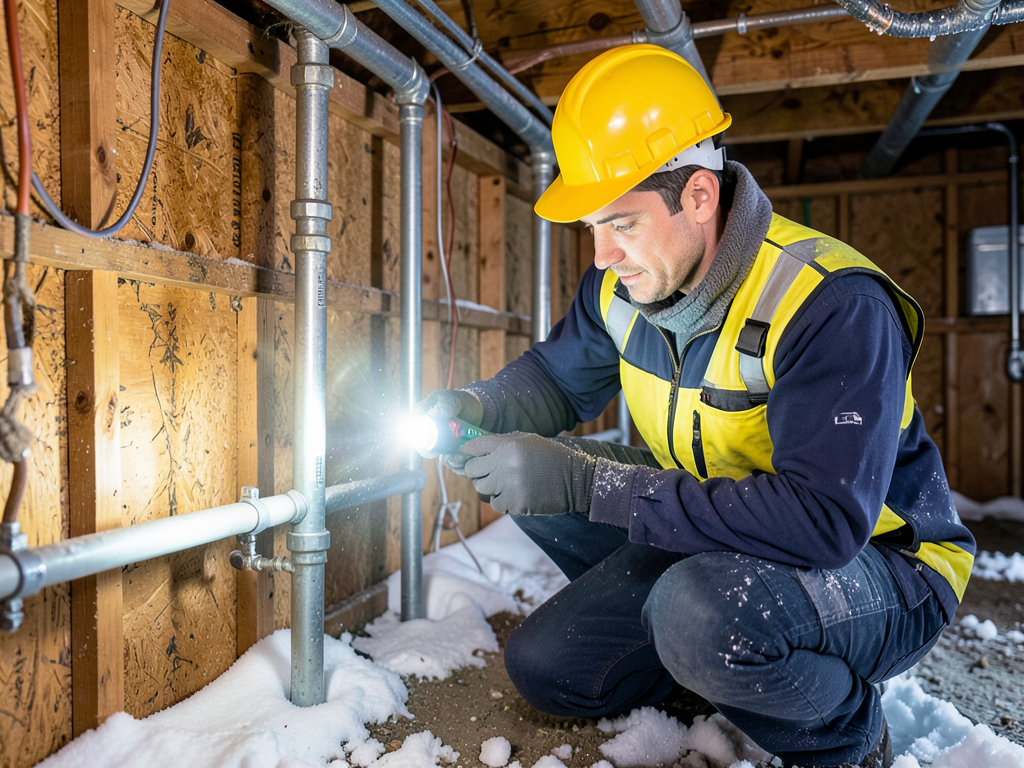
Keeping Your Pipes from Freezing When the Power Goes Out During a Richmond Winter Storm When winter storms hit Richmond and the power goes out, frozen pipes can turn into a homeowner's nightmare. The combination…

Investigating a Suddenly High Richmond Water Bill (Where to Look for Hidden Leaks) A sudden…

Should You Close Your Crawl Space Vents During the Humid Virginia Summer Months? Richmond’s summer…

What Bubbling Paint on Your Ceiling Actually Says About Your Roof or Plumbing Bubbling paint…
Every hour counts when water is damaging your Midlothian home. Our emergency line is answered 24/7, and technicians deploy immediately with industrial extraction equipment. Call (804) 602-2644 now to stop the damage and start professional restoration that saves your property and speeds insurance claims.