How Long the Structural Drying Process Actually Takes in Virginia Humidity
Virginia’s humid climate means structural drying takes longer than national averages. Most Richmond homes require 72 to 120 hours of professional drying, but factors like water category, material type, and seasonal humidity can extend that timeline to 5-7 days or more. The science of psychrometry shows that removing moisture from building materials requires more than just airflow—it demands precise temperature control and low-grain refrigerant (LGR) dehumidification to prevent secondary damage like mold growth. How to Get Rapid Water Extraction in the Museum District.
Understanding Water Damage Categories and Their Impact on Drying Time
Water damage falls into three categories that directly affect how long drying takes. Category 1 clean water from a broken pipe dries fastest because it contains no contaminants. Category 2 grey water from washing machines or dishwashers requires more aggressive treatment due to organic matter. Category 3 black water from sewage or flooding needs complete removal of affected materials in many cases, extending the entire restoration timeline. 24/7 Emergency Water Removal Services in Richmond VA.
The IICRC S500 standard classifies water damage into four classes based on absorption rates. Class 1 affects only part of a room with minimal absorption. Class 2 impacts entire rooms with wicking up walls 12-24 inches. Class 3 involves saturation from overhead sources. Class 4 represents specialty drying situations with materials like hardwood or concrete that hold moisture deeply. IICRC S500 water damage restoration standard.
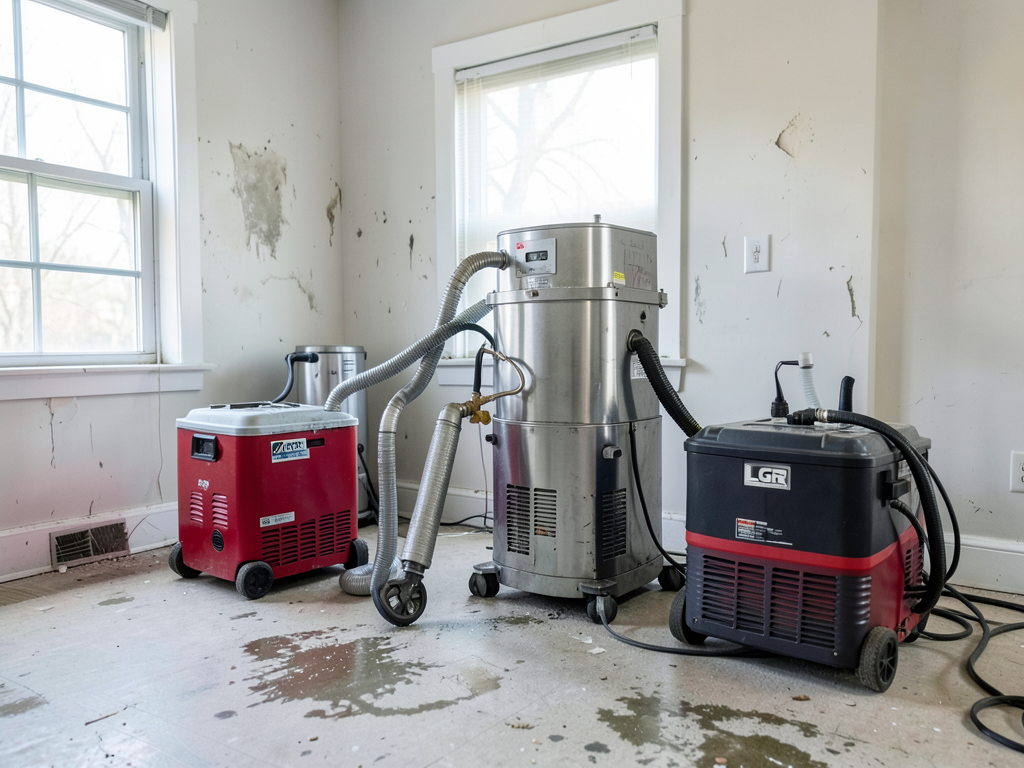
Image shows a moisture meter reading on a water-damaged wall, demonstrating the diagnostic process used to determine drying progress. Commercial Water Damage Restoration for Downtown Richmond Businesses.
The Professional 4-Step Structural Drying Process
Professional structural drying follows a systematic approach that residential fans cannot replicate. The process begins with water extraction using truck-mounted or portable extraction units that remove 400-500 gallons per hour. This step alone can reduce drying time by 30-50% compared to air drying.. Read more about Comparing Local Water Restoration Quotes Without Getting Scammed.
Next comes air movement. Industrial air movers create 3,000+ CFM airflow that evaporates surface moisture. These units are strategically placed at 45-degree angles to walls, creating a vortex effect that pulls moisture from materials. Standard box fans move only 200-300 CFM and cannot achieve the same evaporation rates.
Dehumidification represents the critical third step. LGR dehumidifiers remove 20-30 gallons of water per day from the air, maintaining relative humidity below 40%. This prevents moisture from redepositing into materials—a common failure with DIY approaches where humidity remains trapped in the structure. Sump Pump Failure Cleanup and Repair in Bon Air.
The final step involves continuous monitoring using moisture meters and thermal imaging cameras. Technicians map moisture content across walls, floors, and ceilings, documenting when materials return to normal equilibrium moisture content (EMC). This typically ranges from 12-16% for wood framing in Virginia’s climate.. Read more about Why Using a Household Fan is Never Enough to Dry Out a Wet Room.
Virginia Climate Factors That Extend Drying Times
Richmond’s humid subtropical climate creates unique challenges for structural drying. Summer relative humidity often exceeds 85%, compared to the 40-50% optimal range for drying. This means dehumidifiers must work 2-3 times harder to achieve the same results as in drier climates.
The James River basin geography contributes to these conditions. Low-lying areas near the river experience higher water tables, creating upward moisture migration through concrete slabs and foundation walls. Homes in neighborhoods like The Fan and Church Hill often sit on clay-rich soils that retain moisture for weeks after rainfall.
Seasonal variations significantly impact drying times. Summer thunderstorms can saturate ground moisture levels, making it harder for dehumidifiers to maintain low humidity. Winter polar vortex events create freeze-thaw cycles that cause pipes to burst, and cold temperatures reduce evaporation rates even with heating equipment running.
Historic Richmond architecture presents additional challenges. Pre-1950s homes with plaster walls and lath construction absorb water like sponges but release it slowly. The multiple layers of material create capillary action that draws moisture deep into walls, requiring specialized drying techniques and extended timeframes.
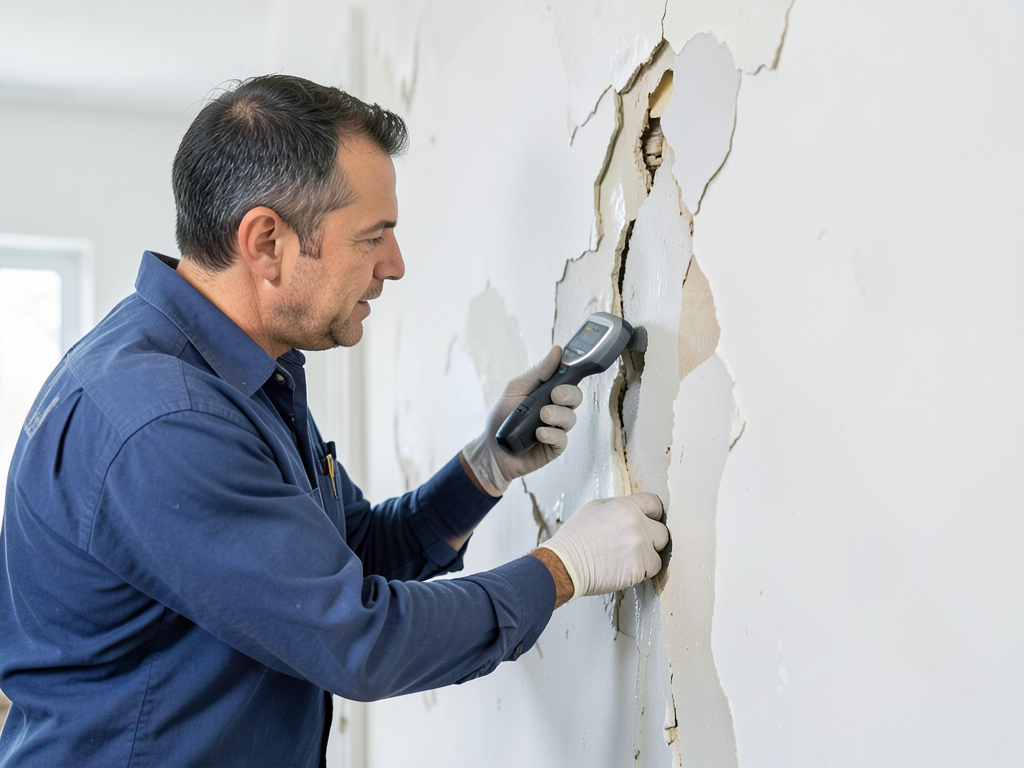
Photo shows industrial LGR dehumidifiers and air movers operating in a water-damaged Richmond home, demonstrating professional equipment scale.
Material-Specific Drying Time Comparisons
Different building materials require vastly different drying approaches and timeframes. The table below shows typical drying times for common materials under Virginia conditions with professional equipment.
| Material Type | Initial Moisture Content | Target EMC | Professional Drying Time | DIY Drying Time |
|---|---|---|---|---|
| Gypsum Drywall | 40-50% | 12-14% | 24-48 hours | 4-7 days |
| Hardwood Flooring | 20-25% | 6-9% | 72-120 hours | 7-14 days |
| Carpet & Pad | 70-80% | 5-7% | 24-36 hours | 5-10 days |
| Concrete Slab | 15-25% | 6-8% | 96-168 hours | 2-4 weeks |
| Plaster Walls | 30-40% | 12-16% | 48-72 hours | 7-14 days |
Secondary Damage Prevention: Why Speed Matters
Every hour of delayed drying increases secondary damage risk exponentially. Mold begins colonizing damp materials within 24-48 hours under Virginia’s humidity conditions. The EPA recommends keeping indoor humidity below 60% to prevent mold growth, but professional restoration targets 30-40% during drying. EPA mold prevention guidelines.
Structural integrity degrades when materials remain wet. Wood framing can develop rot within 72 hours of saturation. Plywood delaminates when moisture content exceeds 20% for extended periods. Metal fasteners begin corroding within days of water exposure.
Electrical systems pose serious hazards when water-damaged. Circuit breakers can fail to trip properly when wet, creating fire risks. Outlet receptacles may short circuit when moisture wicks up wall cavities. Professional drying includes electrical safety inspections to identify compromised systems.
Insurance claim complications arise when drying is delayed. Most Virginia homeowners policies require prompt mitigation to prevent additional damage. Documentation of the drying process, including moisture mapping and temperature/humidity logs, becomes crucial for claim approval.. Read more about The Difference Between Mitigation and Restoration (And Why You Need Both).
DIY vs Professional Equipment: The Critical Differences
Retail fans and dehumidifiers cannot match professional equipment performance. A standard box fan moves 200-300 CFM while industrial air movers move 3,000+ CFM. This difference means professional equipment can evaporate water 10-15 times faster.
Consumer dehumidifiers remove 20-30 pints of water per day. LGR dehumidifiers used by professionals remove 100-150 pints daily, even in high humidity conditions. This capacity difference becomes critical when dealing with Category 2 or 3 water damage.
Moisture detection capabilities differ dramatically. Professional moisture meters can detect water content within materials to 3/4 inch depth. Thermal imaging cameras identify moisture patterns behind walls without destructive testing. DIY approaches rely on visual inspection and touch, missing hidden moisture that causes future problems.
Monitoring equipment provides continuous data logging. Professional restoration teams track temperature, relative humidity, and moisture content every hour. This documentation proves drying completeness to insurance companies and ensures no hidden moisture remains.
Seasonal Drying Time Variations in Richmond
Summer presents the greatest drying challenges. July and August humidity levels often exceed 85%, requiring larger dehumidifier fleets and extended run times. Hurricane season brings additional complications when storm surge or heavy rainfall saturates ground moisture levels.
Winter creates different challenges. Cold temperatures reduce evaporation rates even with heating equipment. Frozen pipes can cause Category 3 water damage when they thaw, releasing contaminated water throughout structures. Professional drying in winter requires heat drying equipment to maintain optimal evaporation temperatures.
Spring and fall offer moderate conditions but bring their own risks. Spring thunderstorms cause flash flooding in low-lying Richmond areas. Fall hurricane remnants can deliver tropical moisture that overwhelms local drainage systems.
Historic district homes face year-round challenges. Older construction lacks modern vapor barriers, allowing moisture migration through walls. Many pre-1940s homes have balloon framing that creates continuous cavities for moisture travel between floors.
Insurance Documentation and Claims Process
Virginia insurance companies require specific documentation for water damage claims. Moisture mapping showing affected areas, daily drying logs with temperature and humidity readings, and photographic documentation of the damage progression all support claim approval.
The Commonwealth of Virginia requires licensed contractors for water damage restoration exceeding $1,000. This includes proper disposal of contaminated materials and adherence to EPA lead-safe practices for homes built before 1978.
Time sensitivity affects coverage. Most policies require mitigation efforts within 24-48 hours to prevent additional damage. Delayed response can result in claim denial for secondary damage that could have been prevented with prompt professional intervention.
Documentation should include material sampling when Category 2 or 3 water is involved. Laboratory testing may be required to verify contamination levels and determine appropriate disposal methods under Virginia Department of Environmental Quality regulations.. Read more about Can You Really Save Wet Drywall or Should You Rip it Out?.
Frequently Asked Questions
How can I tell if my home is completely dry after water damage?
Professional moisture meters and thermal imaging are the only reliable methods to verify complete drying. Visual inspection and touch cannot detect moisture trapped behind walls or under flooring. Certified technicians use calibrated equipment to ensure materials return to normal equilibrium moisture content.
Can I speed up the drying process by turning up the heat?
Heat alone cannot replace proper dehumidification. While warmer temperatures increase evaporation rates, high humidity prevents moisture from leaving materials. Professional drying requires balanced temperature and humidity control to achieve optimal results without causing secondary damage.
What happens if I stop the drying process too early?
Stopping early often leads to mold growth within 24-48 hours, structural damage to wood framing, and persistent odors. Hidden moisture can cause materials to fail months later, resulting in costly repairs not covered by insurance as secondary damage.
How does Virginia’s humidity affect drying compared to other states?
Virginia’s high humidity means drying takes 30-50% longer than in arid states. Professional equipment must work harder to maintain low humidity levels, and seasonal variations create additional challenges not found in more stable climates.
Should I remove wet materials myself or wait for professionals?
Category 1 clean water can be handled with caution, but Category 2 or 3 water requires professional handling due to contamination risks. Improper removal can spread contamination and create health hazards. When in doubt, wait for professional assessment.
Technician using thermal imaging camera to detect hidden moisture in wall cavities, demonstrating advanced diagnostic capabilities unavailable to DIY approaches.
Call for Professional Structural Drying Assessment
Virginia’s unique climate and building characteristics make professional structural drying essential for preventing long-term damage. The combination of high humidity, historic architecture, and seasonal weather patterns creates conditions where DIY approaches often fail, leading to mold growth, structural deterioration, and costly repairs.
Don’t risk your home’s integrity by attempting to dry water damage yourself. Professional restoration teams use industrial-grade equipment, follow IICRC S500 standards, and provide documentation required by insurance companies. The initial assessment is free, and prompt action can save thousands in secondary damage repairs.
Pick up the phone and call (804) 602-2644 today to schedule your professional structural drying assessment. Our certified technicians are available 24/7 for emergency response throughout Richmond and surrounding areas. Every hour counts when water threatens your home’s structure and your family’s health. Emergency Board-Up Services.
{
“@context”: “https://schema.org”,
“@type”: “BlogPosting”,
“headline”: “How Long the Structural Drying Process Actually Takes in Virginia Humidity”,
“description”: “Find out how Virginia’s humidity impacts structural drying times after water damage. Learn about IICRC standards, drying equipment, and what affects your Richmond home’s drying timeline.”,
“wordCount”: 1763,
“datePublished”: “2026-03-22T15:35:00.000Z”,
“dateModified”: “2026-03-22T15:35:00.000Z”,
“inLanguage”: “en-US”,
“mainEntityOfPage”: {
“@type”: “WebPage”,
“@id”: “https://horizonwaterdamagerestorationrichmond.com”
},
“publisher”: {
“@type”: “LocalBusiness”,
“name”: “Horizon Water Damage Restoration Richmond”,
“url”: “https://horizonwaterdamagerestorationrichmond.com”
},
“author”: {
“@type”: “Organization”,
“name”: “Horizon Water Damage Restoration Richmond”,
“url”: “https://horizonwaterdamagerestorationrichmond.com”
},
“image”: {
“@type”: “ImageObject”,
“url”: “https://horizonwaterdamagerestorationrichmond.com/wp-content/uploads/2026/03/how-long-the-structural-drying-process-actually-ta-1.png”
}
}
{
“@context”: “https://schema.org”,
“@type”: “LocalBusiness”,
“name”: “Horizon Water Damage Restoration Richmond”,
“url”: “https://horizonwaterdamagerestorationrichmond.com”,
“address”: {
“@type”: “PostalAddress”,
“addressLocality”: “Richmond”
},
“areaServed”: {
“@type”: “City”,
“name”: “Richmond”
}
}
{
“@context”: “https://schema.org”,
“@type”: “FAQPage”,
“mainEntity”: [
{
“@type”: “Question”,
“name”: “How can I tell if my home is completely dry after water damage?”,
“acceptedAnswer”: {
“@type”: “Answer”,
“text”: “Professional moisture meters and thermal imaging are the only reliable methods to verify complete drying. Visual inspection and touch cannot detect moisture trapped behind walls or under flooring. Certified technicians use calibrated equipment to ensure materials return to normal equilibrium moisture content.”
}
},
{
“@type”: “Question”,
“name”: “Can I speed up the drying process by turning up the heat?”,
“acceptedAnswer”: {
“@type”: “Answer”,
“text”: “Heat alone cannot replace proper dehumidification. While warmer temperatures increase evaporation rates, high humidity prevents moisture from leaving materials. Professional drying requires balanced temperature and humidity control to achieve optimal results without causing secondary damage.”
}
},
{
“@type”: “Question”,
“name”: “What happens if I stop the drying process too early?”,
“acceptedAnswer”: {
“@type”: “Answer”,
“text”: “Stopping early often leads to mold growth within 24-48 hours, structural damage to wood framing, and persistent odors. Hidden moisture can cause materials to fail months later, resulting in costly repairs not covered by insurance as secondary damage.”
}
},
{
“@type”: “Question”,
“name”: “How does Virginia’s humidity affect drying compared to other states?”,
“acceptedAnswer”: {
“@type”: “Answer”,
“text”: “Virginia’s high humidity means drying takes 30-50% longer than in arid states. Professional equipment must work harder to maintain low humidity levels, and seasonal variations create additional challenges not found in more stable climates.”
}
}
]
}
{
“@context”: “https://schema.org”,
“@type”: “BreadcrumbList”,
“itemListElement”: [
{
“@type”: “ListItem”,
“position”: 1,
“name”: “Home”,
“item”: “https://horizonwaterdamagerestorationrichmond.com”
},
{
“@type”: “ListItem”,
“position”: 2,
“name”: “Blog”,
“item”: “https://horizonwaterdamagerestorationrichmond.com/blog”
},
{
“@type”: “ListItem”,
“position”: 3,
“name”: “How Long the Structural Drying Process Actually Takes in Virginia Humidity”
}
]
}
{
“@context”: “https://schema.org”,
“@type”: “Service”,
“serviceType”: “Water Damage Restoration”,
“provider”: {
“@type”: “LocalBusiness”,
“name”: “Horizon Water Damage Restoration Richmond”,
“url”: “https://horizonwaterdamagerestorationrichmond.com”
},
“areaServed”: {
“@type”: “City”,
“name”: “Richmond”
},
“description”: “Find out how Virginia’s humidity impacts structural drying times after water damage. Learn about IICRC standards, drying equipment, and what affects your Richmond home’s drying timeline.”
}