
The Unique Challenges of Water Leaks in Converted Manchester Lofts
Water damage in converted Manchester lofts presents unique restoration challenges that require specialized expertise. The exposed brick walls, concrete floors, and heavy timber beams that give these industrial spaces their character also create complex moisture problems when leaks occur. High ceilings trap humidity, open floor plans allow water to travel unpredictably, and the original construction materials behave differently than modern drywall and carpet. Understanding these specific challenges is the first step toward effective restoration. Water damage restoration standards.
Manchester’s historic industrial buildings were never designed for residential living. The brick-and-beam construction that now defines Richmond’s trendy loft scene creates moisture traps that standard restoration methods cannot address. When water infiltrates these spaces, it seeps into porous brick, wicks up timber beams, and pools in concrete subfloors. The James River flood zone and Richmond’s humid climate compound these issues, creating perfect conditions for mold growth within 24-48 hours of a leak. Richmond building codes.
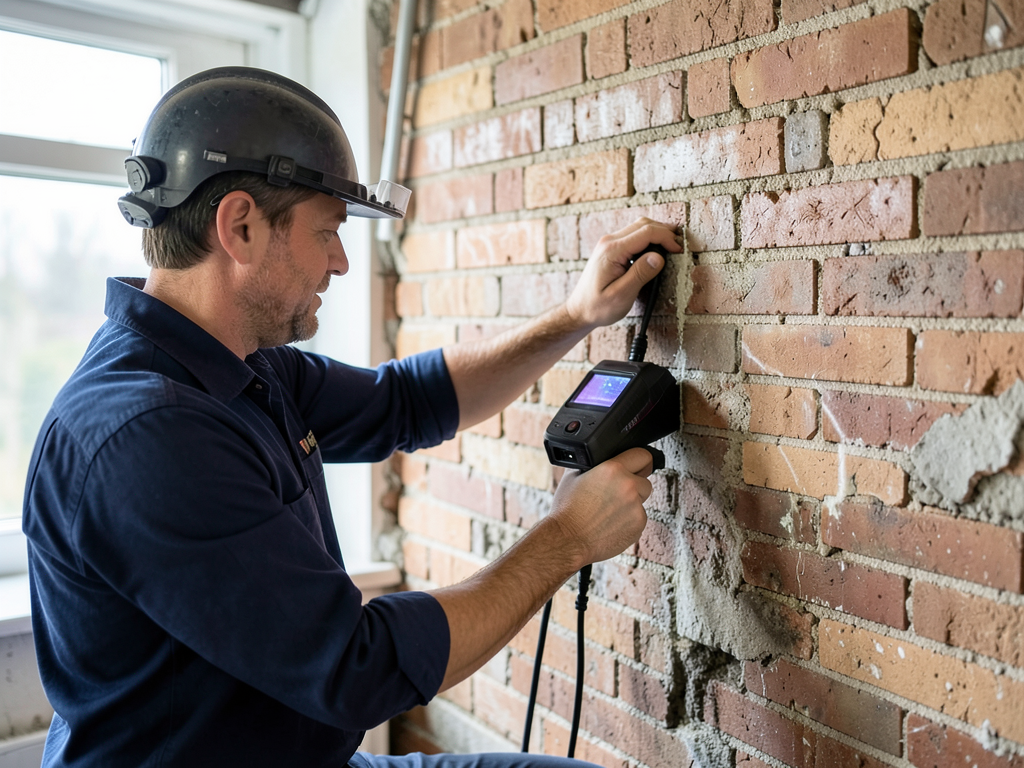
The most critical factor in loft water damage is time. Every hour water sits increases restoration costs and structural damage. The exposed nature of loft construction means water damage is immediately visible, but the real problems often hide within brick cavities and concrete cores. Professional restoration requires specialized equipment like LGR dehumidifiers, HEPA air scrubbers, and thermal imaging cameras to detect moisture in these unique building materials. EPA mold guidelines.
Understanding the specific challenges of Manchester loft restoration helps property owners make informed decisions during a crisis. The following sections detail the immediate steps to take, the unique structural challenges, common causes of leaks in these buildings, our specialized drying process, and insurance coordination specific to Richmond’s loft market.
Immediate Steps for Richmond Loft Owners
When water damage strikes your Manchester loft, quick action prevents extensive structural damage and mold growth. The first priority is safety. Exposed brick walls and high ceilings create unique hazards. Water can short out industrial-style lighting fixtures mounted on exposed beams, and wet brick floors become extremely slippery. Before entering a flooded loft, check for electrical hazards and structural instability. Who to Call Right Now for a Flooded Basement in Short Pump.
Locate your main water shutoff valve immediately. In many converted Manchester lofts, the main valve may be in a shared utility area rather than inside your unit. You may need to coordinate with building management or neighboring units to access it. If you cannot find the valve quickly, call a plumber who can shut off the building’s main supply. How to Get Rapid Water Extraction in the Museum District.
Document the damage thoroughly with photos and videos before beginning cleanup. This documentation proves invaluable for insurance claims and helps restoration professionals assess the scope of work. Pay special attention to water levels on exposed brick walls, as water marks on brick can indicate how high moisture has wicked up the surface. Sump Pump Failure Cleanup and Repair in Bon Air.
Remove valuable items from the affected area immediately. Water-damaged electronics, artwork, and furniture can often be salvaged if moved quickly to a dry area. However, avoid moving items through standing water if there’s any chance of electrical hazards in the area. 24/7 Emergency Water Removal Services in Richmond VA.
Open windows and doors to promote air circulation if weather permits. However, Richmond’s humid climate means outdoor air may not help much with drying. Professional-grade dehumidifiers are typically necessary to remove moisture effectively from loft spaces.
Call (804) 602-2644 immediately for professional assessment. Loft water damage requires specialized equipment and expertise that general contractors or property management companies often lack. The longer you wait, the more extensive and expensive the restoration becomes. Commercial Water Damage Restoration for Downtown Richmond Businesses.
Unique Challenges of Loft Water Damage
Manchester lofts present restoration challenges that standard residential properties do not face. The exposed brick walls that give these spaces character also create moisture problems. Unlike drywall, brick is highly porous and can absorb significant amounts of water. This water doesn’t just sit on the surface—it penetrates deep into the brick structure, requiring specialized drying techniques.. Read more about Emergency Water Cleanup and Industrial Drying for Breweries in Scott’s Addition.
The efflorescence that appears on wet brick is more than cosmetic damage. When water moves through brick, it carries dissolved salts to the surface. As the water evaporates, these salts crystallize, creating white, powdery deposits. While efflorescence itself isn’t harmful, it indicates significant moisture penetration that can lead to brick deterioration and mold growth in the wall cavities.
Concrete subfloors in loft buildings present another unique challenge. Unlike wood subfloors that can be dried relatively quickly, concrete acts like a moisture sponge. Water can penetrate several inches into concrete, and the material’s density means it releases moisture very slowly. Standard drying methods often cannot remove moisture from concrete subfloors effectively, requiring specialized LGR dehumidification and sometimes concrete drying mats.
Heavy timber beams and posts are beautiful but problematic when wet. Water causes wood to swell, warp, and potentially rot. In loft buildings, these beams are often structural elements, meaning damage can compromise the building’s integrity. Additionally, the large surface area of exposed beams provides ample space for mold growth if not dried properly.
High ceilings create additional drying challenges. Warm, moist air rises and becomes trapped at ceiling level, creating humidity pockets that standard dehumidifiers cannot reach. Professional restoration requires specialized equipment to circulate air effectively in these tall spaces and remove moisture from upper areas.
The open floor plans common in lofts allow water to travel farther than in compartmentalized apartments. Water can flow freely across concrete floors, potentially affecting multiple areas of the unit or even neighboring units. This means what appears to be a small leak can actually impact a much larger area than initially visible.
Manchester’s location in Richmond’s flood zone adds another layer of complexity. The area’s proximity to the James River and low elevation mean that flood water often contains contaminants that require Category 3 water damage protocols. This includes sewage, chemicals, and other hazardous materials that require specialized cleanup procedures.
Common Causes in Richmond Lofts
Understanding the common causes of water damage in Manchester lofts helps property owners prevent future incidents. Aging industrial piping is a primary culprit. Many converted lofts retain the original plumbing from their industrial past, which was never designed for continuous residential use. Galvanized steel pipes corrode from the inside out, creating weak points that can burst without warning.
Roof leaks in converted warehouses pose significant risks to loft units. Industrial buildings often have flat or low-slope roofs that accumulate water, especially during Richmond’s heavy summer thunderstorms. When these roofs were converted to residential use, the added weight of HVAC equipment, rooftop decks, and snow loads can stress aging roofing materials beyond their limits.
Neighbor-overflow issues are particularly common in multi-unit loft buildings. A leak in one unit can travel through shared walls, floors, and ceilings, affecting multiple units before becoming visible. This is especially problematic in buildings with open floor plans where water can flow freely between units.
HVAC condensation problems plague many loft conversions. Industrial buildings often have oversized HVAC systems that were never properly balanced for residential use. These systems can produce excessive condensation that overwhelms drainage systems, leading to water damage in ceilings, walls, and floors.
Foundation and basement seepage affects ground-floor loft units more severely than upper units. Manchester’s location near the James River and its heavy clay soil create conditions where groundwater can seep through foundation walls, especially during heavy rains or when the river is high.
Appliance failures cause significant damage in loft spaces. High-efficiency washing machines, dishwashers, and water heaters in loft units can fail catastrophically, releasing large volumes of water quickly. The open nature of loft spaces means this water can spread rapidly before being noticed.
Fire sprinkler system malfunctions, while rare, can cause extensive water damage. Many converted lofts retain industrial fire suppression systems that may not function properly in residential settings. A single sprinkler head failure can release hundreds of gallons of water.
Understanding these common causes helps property owners implement preventive measures. Regular plumbing inspections, HVAC maintenance, and roof assessments can prevent many of these issues before they cause significant damage.
Our Specialized Drying Process
Restoring water-damaged lofts requires a specialized approach that addresses the unique challenges of industrial construction materials. Our process begins with comprehensive moisture mapping using thermal imaging cameras and moisture meters. These tools detect water hidden within brick walls, concrete floors, and timber beams that visual inspection cannot reveal.
The first phase involves water extraction using commercial-grade pumps and extractors. For loft spaces, we use specialized attachments designed for uneven surfaces like brick and concrete. Standard carpet wands are ineffective on these surfaces and can actually damage exposed brick.
Demolition, when necessary, follows a preservation-first approach. We remove only materials that cannot be salvaged, carefully preserving exposed brick and timber elements that define loft character. When demolition is required, we use HEPA-filtered equipment to prevent dust and debris from spreading throughout the open space.
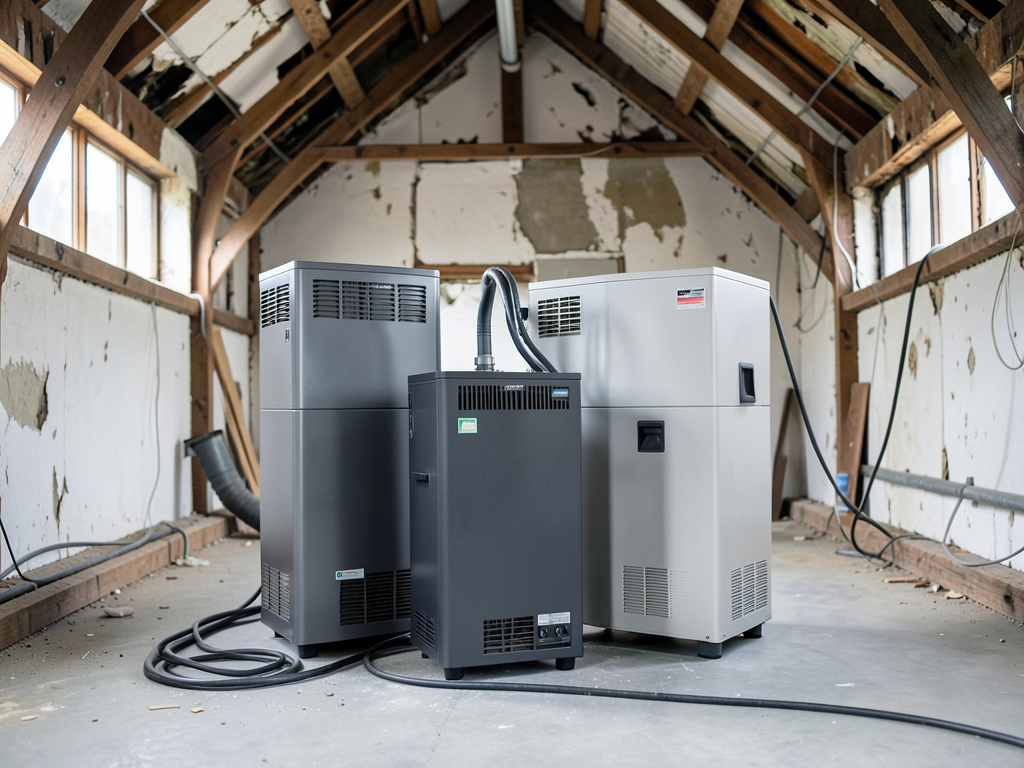
Structural drying in lofts requires industrial-grade equipment. We deploy LGR (Low Grain Refrigerant) dehumidifiers that can remove moisture from dense materials like brick and concrete. These units are significantly more powerful than standard dehumidifiers and can achieve the low humidity levels necessary for effective drying.
Air movement in loft spaces requires strategic planning. We use a combination of axial fans for large open areas and centrifugal air movers for targeted drying of specific materials. The high ceilings in lofts often require additional equipment to ensure proper air circulation throughout the entire space.
HEPA air filtration is critical in loft restoration. The demolition and drying processes can stir up dust and debris that would normally be contained by walls and doors. Our HEPA air scrubbers continuously filter the air, removing particulates and preventing cross-contamination between affected and unaffected areas.
Moisture monitoring continues throughout the drying process. We use penetrating and non-penetrating moisture meters to track progress and ensure materials reach appropriate dryness levels. Brick and concrete often require moisture content below standard levels to prevent future problems.
The final phase involves antimicrobial treatment to prevent mold growth. Richmond’s humid climate means that even small amounts of residual moisture can lead to mold problems within days. We use EPA-registered antimicrobials that are safe for use around exposed brick and timber while providing long-lasting protection.
Throughout the process, we maintain detailed documentation for insurance purposes. This includes moisture readings, photos of the damage and restoration progress, and detailed reports of all work performed. This documentation helps ensure proper insurance coverage and provides a record for future reference.
Insurance Coordination for Richmond Residents
Navigating insurance claims for loft water damage in Richmond requires understanding the unique aspects of these properties. Many loft owners carry specialty insurance policies designed for historic or converted properties. These policies often have specific provisions for industrial materials like exposed brick and timber that standard homeowners insurance may not cover.
Renter’s insurance for loft apartments typically covers personal property but not the building structure. This means renters are responsible for their belongings but not the exposed brick walls or concrete floors. However, renters may still need to coordinate with property management and their insurance company to ensure proper restoration of the unit’s structure.
Historic district considerations affect insurance claims for lofts in Manchester. The area’s designation as a historic industrial district means that restoration work must often meet specific preservation standards. This can affect both the scope of work and the cost, which insurance companies need to understand when processing claims.
Multi-unit building considerations complicate loft insurance claims. When a leak affects multiple units, determining responsibility can be complex. Building insurance may cover common areas and structural elements, while individual unit insurance covers interior finishes and personal property. Our team works with all parties to ensure proper coordination.
Documenting damage thoroughly is critical for insurance claims. We provide detailed reports including moisture mapping, damage assessments, and restoration plans. This documentation helps insurance adjusters understand the extent of damage and the necessity of specialized restoration techniques for loft properties.
Cost considerations for loft restoration often exceed standard water damage repairs. The specialized equipment, techniques, and materials required for exposed brick and concrete drying can increase restoration costs. We work with insurance companies to explain these costs and ensure proper coverage.
Time sensitivity affects insurance claims significantly. The longer restoration is delayed, the more extensive and expensive the damage becomes. Many insurance policies have provisions for emergency services, and we help coordinate these services to minimize damage and maximize coverage.
Building code compliance is another insurance consideration. Richmond’s building codes have specific requirements for historic properties and converted industrial buildings. Our restoration work always meets or exceeds these requirements, which is important for insurance approval and future property value.
We handle insurance coordination throughout the restoration process. This includes initial claim filing, ongoing communication with adjusters, and final documentation for claim closure. Our experience with Richmond loft properties helps ensure smooth claims processing and proper restoration outcomes.
Frequently Asked Questions
How long does loft water damage restoration typically take?
Restoration timelines vary based on damage extent, but most loft water damage projects take 3-7 days for complete drying and restoration. Brick and concrete materials require longer drying times than standard building materials, and high humidity in Richmond can extend these timelines.
Can I stay in my loft during restoration?
This depends on the damage extent and your unit’s layout. For minor damage affecting a small area, you may be able to stay. However, extensive water damage often requires vacating the unit due to noise, equipment, and potential health hazards from mold or contaminated water.
Will my exposed brick be damaged during restoration?
Professional restoration should not damage exposed brick. We use specialized techniques designed specifically for brick and other industrial materials. In fact, improper DIY restoration often causes more damage than the original water incident.
How much does loft water damage restoration cost?
Costs vary widely based on damage extent, materials affected, and required restoration techniques. Basic water extraction might start around $1,000, while extensive restoration involving brick and concrete drying can exceed $10,000. Insurance often covers these costs when properly documented.
Do I need special insurance for my loft apartment?
Standard homeowners or renter’s insurance may not fully cover loft-specific issues like exposed brick restoration or industrial material drying. Consider specialty insurance designed for historic properties or converted industrial buildings for comprehensive coverage.
How can I prevent water damage in my loft?
Regular maintenance is key. Have plumbing inspected annually, ensure HVAC systems are properly maintained, check roof conditions regularly, and install water leak detection systems. Also, know the location of your building’s main water shutoff valve.
What should I do if I discover water damage at night?
Call (804) 602-2644 immediately for 24/7 emergency response. Water damage worsens by the hour, and quick professional intervention can save thousands in restoration costs. Our team is available around the clock for Manchester loft emergencies.
Conclusion
Water damage in converted Manchester lofts requires specialized knowledge, equipment, and techniques that general restoration companies often lack. The unique challenges of exposed brick, concrete floors, and heavy timber beams demand professional expertise to ensure proper restoration while preserving the character that makes these spaces special.
Richmond’s humid climate, flood zone location, and the age of many converted industrial buildings create conditions where water damage can quickly escalate from a minor inconvenience to a major structural problem. The open floor plans and high ceilings that define loft living also allow water to spread rapidly and hide in hard-to-reach areas.
Professional restoration isn’t just about drying visible water—it’s about understanding how moisture behaves in industrial materials and using the right equipment to remove it completely. This includes specialized LGR dehumidifiers, thermal imaging cameras, and HEPA air scrubbers that can address the unique challenges of loft construction.
Time is your most critical factor when water damage occurs. Every hour water sits increases restoration costs and the likelihood of mold growth. Don’t wait for the damage to become visible or for your property management company to respond. Professional intervention within the first 24 hours can save thousands in restoration costs and prevent long-term structural damage.
If you’re experiencing water damage in your Manchester loft, don’t take chances with your property or your health. The specialized nature of loft restoration means that DIY approaches or general contractors often cause more harm than good. Professional restoration ensures your space is properly dried, sanitized, and restored to its original condition.
Call (804) 602-2644 today to schedule your inspection. Our team specializes in Richmond loft water damage restoration and understands the unique challenges these spaces present. We’ll assess your damage, explain our restoration process, and work with your insurance company to ensure proper coverage. Don’t let water damage compromise your investment—get professional help now.
Pick up the phone and call (804) 602-2644 before the next storm hits. Water damage waits for no one, but professional restoration can save your loft and your peace of mind. We’re ready to help 24/7, because we know that loft emergencies don’t keep business hours.
{
“@context”: “https://schema.org”,
“@type”: “BlogPosting”,
“headline”: “The Unique Challenges of Water Leaks in Converted Manchester Lofts”,
“description”: “Expert restoration for Manchester loft water damage. Learn about unique brick drying, concrete moisture removal, and specialized equipment for converted industrial spaces.”,
“wordCount”: 2846,
“datePublished”: “2026-03-28T09:51:00.000Z”,
“dateModified”: “2026-03-28T09:51:00.000Z”,
“inLanguage”: “en-US”,
“mainEntityOfPage”: {
“@type”: “WebPage”,
“@id”: “https://horizonwaterdamagerestorationrichmond.com”
},
“publisher”: {
“@type”: “LocalBusiness”,
“name”: “Horizon Water Damage Restoration Richmond”,
“url”: “https://horizonwaterdamagerestorationrichmond.com”
},
“author”: {
“@type”: “Organization”,
“name”: “Horizon Water Damage Restoration Richmond”,
“url”: “https://horizonwaterdamagerestorationrichmond.com”
},
“image”: {
“@type”: “ImageObject”,
“url”: “https://horizonwaterdamagerestorationrichmond.com/wp-content/uploads/2026/03/the-unique-challenges-of-water-leaks-in-converted-1.png”
}
}
{
“@context”: “https://schema.org”,
“@type”: “LocalBusiness”,
“name”: “Horizon Water Damage Restoration Richmond”,
“url”: “https://horizonwaterdamagerestorationrichmond.com”,
“address”: {
“@type”: “PostalAddress”,
“addressLocality”: “Richmond”
},
“areaServed”: {
“@type”: “City”,
“name”: “Richmond”
}
}
{
“@context”: “https://schema.org”,
“@type”: “FAQPage”,
“mainEntity”: [
{
“@type”: “Question”,
“name”: “How long does loft water damage restoration typically take?”,
“acceptedAnswer”: {
“@type”: “Answer”,
“text”: “Restoration timelines vary based on damage extent, but most loft water damage projects take 3-7 days for complete drying and restoration. Brick and concrete materials require longer drying times than standard building materials, and high humidity in Richmond can extend these timelines.”
}
},
{
“@type”: “Question”,
“name”: “Can I stay in my loft during restoration?”,
“acceptedAnswer”: {
“@type”: “Answer”,
“text”: “This depends on the damage extent and your unit’s layout. For minor damage affecting a small area, you may be able to stay. However, extensive water damage often requires vacating the unit due to noise, equipment, and potential health hazards from mold or contaminated water.”
}
},
{
“@type”: “Question”,
“name”: “Will my exposed brick be damaged during restoration?”,
“acceptedAnswer”: {
“@type”: “Answer”,
“text”: “Professional restoration should not damage exposed brick. We use specialized techniques designed specifically for brick and other industrial materials. In fact, improper DIY restoration often causes more damage than the original water incident.”
}
},
{
“@type”: “Question”,
“name”: “How much does loft water damage restoration cost?”,
“acceptedAnswer”: {
“@type”: “Answer”,
“text”: “Costs vary widely based on damage extent, materials affected, and required restoration techniques. Basic water extraction might start around $1,000, while extensive restoration involving brick and concrete drying can exceed $10,000. Insurance often covers these costs when properly documented.”
}
},
{
“@type”: “Question”,
“name”: “Do I need special insurance for my loft apartment?”,
“acceptedAnswer”: {
“@type”: “Answer”,
“text”: “Standard homeowners or renter’s insurance may not fully cover loft-specific issues like exposed brick restoration or industrial material drying. Consider specialty insurance designed for historic properties or converted industrial buildings for comprehensive coverage.”
}
},
{
“@type”: “Question”,
“name”: “How can I prevent water damage in my loft?”,
“acceptedAnswer”: {
“@type”: “Answer”,
“text”: “Regular maintenance is key. Have plumbing inspected annually, ensure HVAC systems are properly maintained, check roof conditions regularly, and install water leak detection systems. Also, know the location of your building’s main water shutoff valve.”
}
},
{
“@type”: “Question”,
“name”: “What should I do if I discover water damage at night?”,
“acceptedAnswer”: {
“@type”: “Answer”,
“text”: “Call (804) 602-2644 immediately for 24/7 emergency response. Water damage worsens by the hour, and quick professional intervention can save thousands in restoration costs. Our team is available around the clock for Manchester loft emergencies.”
}
}
]
}
{
“@context”: “https://schema.org”,
“@type”: “BreadcrumbList”,
“itemListElement”: [
{
“@type”: “ListItem”,
“position”: 1,
“name”: “Home”,
“item”: “https://horizonwaterdamagerestorationrichmond.com”
},
{
“@type”: “ListItem”,
“position”: 2,
“name”: “Blog”,
“item”: “https://horizonwaterdamagerestorationrichmond.com/blog”
},
{
“@type”: “ListItem”,
“position”: 3,
“name”: “The Unique Challenges of Water Leaks in Converted Manchester Lofts”
}
]
}
{
“@context”: “https://schema.org”,
“@type”: “Service”,
“serviceType”: “Water Damage Restoration”,
“provider”: {
“@type”: “LocalBusiness”,
“name”: “Horizon Water Damage Restoration Richmond”,
“url”: “https://horizonwaterdamagerestorationrichmond.com”
},
“areaServed”: {
“@type”: “City”,
“name”: “Richmond”
},
“description”: “Expert restoration for Manchester loft water damage. Learn about unique brick drying, concrete moisture removal, and specialized equipment for converted industrial spaces.”
}