Questions You Must Ask Before Hiring a Richmond Restoration Crew
Water damage in Richmond homes moves fast. Within 24 hours, moisture can penetrate drywall, warp hardwood floors, and create conditions for toxic mold growth. The humid subtropical climate here means secondary damage escalates quicker than in drier regions. Before you hire any restoration company, you need to ask specific questions that separate qualified professionals from contractors who might cut corners. How to Get Rapid Water Extraction in the Museum District.
Start with these seven critical questions that protect your property and your family’s health.
Question 1: Are You IICRC Certified and Licensed in Virginia?
Water damage restoration isn’t just about extracting water. It requires understanding psychrometry, the science of moisture movement through materials. The Institute of Inspection Cleaning and Restoration Certification (IICRC) S500 standard governs proper water damage procedures. A certified technician knows the difference between Category 1 clean water from a broken supply line versus Category 3 black water from sewage backups. IICRC S500 Water Damage Restoration Standard.
Virginia requires contractors to hold specific licenses. For water damage work exceeding $1,000, the contractor must have a Class A or Class B license from the Virginia Department of Professional and Occupational Regulation. Ask to see both the IICRC certification card and the Virginia contractor’s license. Legitimate companies keep these documents on every truck. Virginia Department of Professional and Occupational Regulation.
Red flag: Companies that dodge licensing questions or show expired certifications. In Richmond’s historic districts like The Fan or Church Hill, improper restoration can violate preservation guidelines and create liability issues.. Read more about Professional Rug Cleaning and Restoration After a Flood in The Fan.
Question 2: What’s Your Response Time to Richmond Addresses?
Water damage is a race against the clock. The first 48 hours determine whether you’re looking at simple drying or extensive reconstruction. A qualified Richmond restoration crew should guarantee arrival within 60 minutes for emergency calls. 24/7 Emergency Water Removal Services in Richmond VA.
Ask specifically about their staging areas. Companies based in Mechanicsville might take 45 minutes to reach Short Pump but over 90 minutes to get to Southside Richmond. Local crews maintain equipment depots across Henrico, Chesterfield, and the city to minimize response times.
Consider Richmond’s unique geography. The James River flood plain affects response routes during heavy rains. Combined sewer overflow systems in older neighborhoods can back up into basements within minutes of flash flooding. Your restoration crew needs local knowledge of these infrastructure challenges.. Read more about Protecting High End Finishes During a Remodel in Westhampton.
Question 3: How Do You Handle Insurance Claims and Documentation?
Insurance companies require specific documentation for water damage claims. The restoration company should provide moisture mapping, digital documentation of damage progression, and detailed drying logs. These aren’t optional extras; they’re required by insurance adjusters to approve your claim. Commercial Water Damage Restoration for Downtown Richmond Businesses.
Ask if they work directly with insurance companies. Many Richmond restoration crews have established relationships with major insurers and can handle billing directly. This means you pay only your deductible while they coordinate with the adjuster.
Request a sample documentation packet. It should include before-and-after photos, moisture readings from multiple locations, and a written scope of work. Without this documentation, you might face disputes over what damage existed before restoration began.. Read more about A Homeowner Guide to Reading and Understanding Restoration Estimates.
Question 4: What Equipment Do You Use and Why?
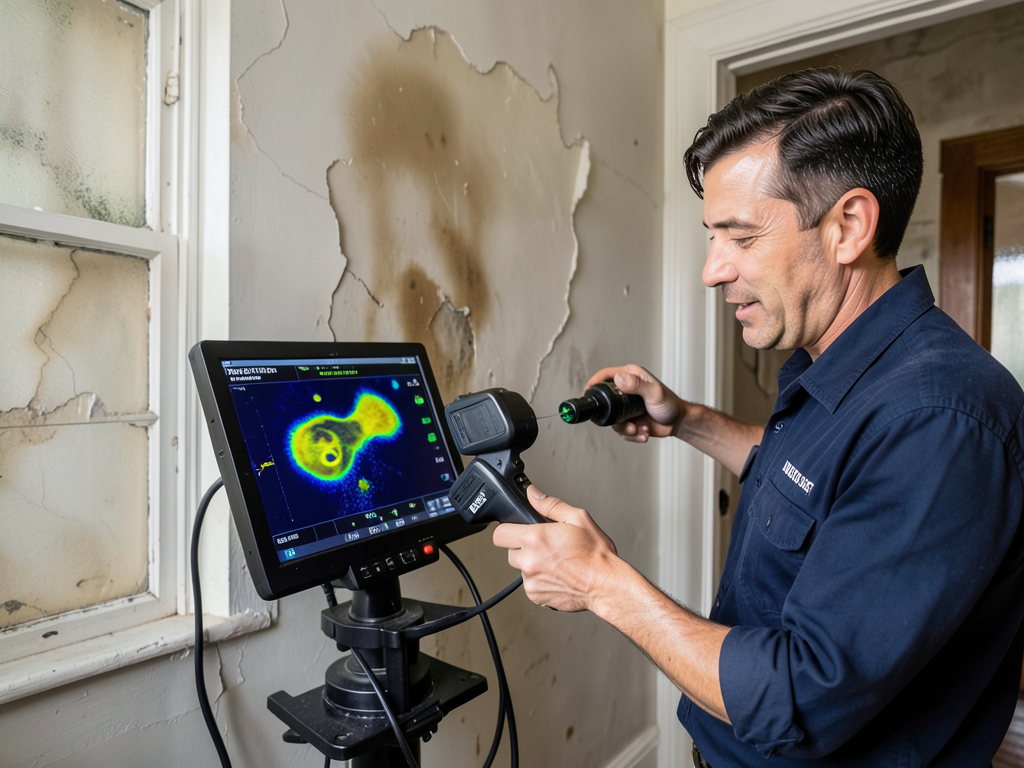
Professional restoration requires industrial-grade equipment, not rental store fans. Ask about their drying technology. Modern crews use thermal imaging cameras to detect moisture behind walls without destructive testing. They employ LGR (low-grain refrigerant) dehumidifiers that remove more moisture per hour than standard units.. Read more about Why We Use Thermal Imaging to Find Hidden Water in Richmond Walls.
The equipment setup matters. For a typical Richmond home, you might need 1 dehumidifier per 300-400 square feet of affected area. The crew should calculate this based on your specific situation, not use a one-size-fits-all approach.
Ask about air scrubbers. These HEPA-filtered machines remove mold spores and other particulates from the air during drying. In Richmond’s humid climate, airborne contaminants multiply quickly. Proper air filtration prevents cross-contamination to unaffected areas of your home.
Question 5: How Do You Address Richmond’s Specific Climate Challenges?
Richmond’s humid subtropical climate creates unique restoration challenges. The average relative humidity exceeds 70% during summer months. This means drying times increase significantly compared to arid regions. A crew unfamiliar with local conditions might declare a job complete while hidden moisture remains.. Read more about The Hidden Risks of Hiring an Unlicensed Handyman for Water Leak Repairs in Richmond.
Ask about their approach to historic homes. Richmond’s Fan District and Church Hill neighborhoods contain homes built before 1950 with plaster walls, original hardwood floors, and balloon framing. These materials absorb and release moisture differently than modern construction. The restoration process must account for these differences.
Consider the James River’s impact. Homes within the 100-year flood plain face additional risks from groundwater intrusion. The crew should understand local flood maps and how river stage levels affect basement water tables.. Read more about Who is Responsible for Water Damage in a Rented Richmond Apartment?.
Question 6: What’s Your Process for Mold Prevention and Detection?
Mold can begin growing within 24-48 hours of water exposure. The restoration crew must have a proactive approach to prevention, not just reactive cleanup. Ask about their antimicrobial treatments and whether they test for mold presence before starting work. Sump Pump Failure Cleanup and Repair in Bon Air.
Request information about their mold remediation protocols. The IICRC S520 standard outlines specific procedures for different contamination levels. Category 3 water damage requires more aggressive treatment than clean water incidents.
Ask if they use third-party mold testing. Independent verification ensures the job was completed properly. Some Richmond restoration companies partner with local environmental testing firms for unbiased results.
Question 7: Can You Provide Local References and Recent Project Examples?
Every water damage situation is unique, but local experience matters tremendously. Ask for references from Richmond homeowners who had similar issues. A crew that successfully dried a flooded basement in Bon Air understands the specific challenges of that neighborhood’s soil composition and drainage patterns. Who to Call Right Now for a Flooded Basement in Short Pump.
Request before-and-after photos of recent Richmond projects. These should show the actual work performed, not stock images. Look for examples of historic home restoration, crawl space drying, and multi-level water damage scenarios.
Check online reviews specifically mentioning Richmond addresses or neighborhoods. Generic five-star reviews without location details might not reflect local performance.
Understanding the Restoration Timeline and What to Expect
Water damage restoration follows a predictable sequence, but the duration varies based on several factors. Here’s what happens when you call a qualified Richmond restoration crew.
- Emergency Contact and Assessment
Within 60 minutes of your call, technicians arrive with moisture meters, thermal cameras, and extraction equipment. They assess the damage category and create a restoration plan. This initial evaluation determines whether you’re dealing with clean water from a supply line or contaminated water from sewage backup.
- Water Extraction and Removal
Using truck-mounted extraction units, the crew removes standing water. These industrial pumps can extract thousands of gallons per hour. The process includes removing damaged materials that cannot be salvaged, such as soaked carpet padding or saturated drywall.
- Drying and Dehumidification
Industrial air movers and dehumidifiers run continuously. The crew monitors moisture levels twice daily using penetrating moisture meters. Richmond’s humidity means drying might take 3-5 days versus 2-3 days in drier climates.
- Cleaning and Sanitizing
Affected surfaces receive antimicrobial treatments. The crew cleans salvageable items and documents everything for insurance purposes. This phase includes odor removal using ozone generators or hydroxyl machines.
- Restoration and Reconstruction
Once drying confirms complete moisture removal, reconstruction begins. This might include replacing drywall, refinishing hardwood floors, or rebuilding damaged structures. The crew coordinates with your insurance adjuster throughout this process.
Richmond-Specific Water Damage Scenarios
Different Richmond neighborhoods face distinct water damage challenges. Understanding these helps you ask more targeted questions when hiring restoration crews.
Historic District Considerations
Homes in The Fan, Church Hill, and Jackson Ward often have balloon framing, where wall studs run continuously from foundation to roof. This construction style allows water to travel vertically through walls, causing hidden damage. Restoration crews must open walls at multiple levels to ensure complete drying.
Plaster walls in historic homes absorb moisture like sponges. Unlike modern drywall that shows visible water damage, plaster might appear intact while harboring moisture behind the surface. Thermal imaging becomes essential for proper assessment.
Suburban Development Issues
Newer developments in Short Pump and Midlothian often have engineered wood flooring and luxury vinyl plank. These materials react differently to moisture than traditional hardwood. Engineered wood can delaminate when wet, while vinyl plank might trap moisture underneath, creating hidden mold growth.
Many suburban homes have finished basements with drop ceilings. Water can travel through ceiling grid systems, affecting multiple rooms before becoming visible. Restoration crews need to understand these construction methods to prevent secondary damage.
James River Flood Plain Challenges
Properties near the James River face unique risks during heavy rains. The river’s flood stage at the Westham gauge affects groundwater levels throughout Richmond. Homes in low-lying areas might experience basement seepage even without direct rainfall.
Combined sewer overflow systems in older Richmond neighborhoods can back up into basements during heavy storms. This creates Category 3 contamination requiring specialized cleanup procedures and personal protective equipment.
Cost Factors and Insurance Considerations
Water damage restoration costs vary widely based on several factors. Understanding these helps you evaluate quotes and avoid unexpected expenses.
| Factor | Impact on Cost | Typical Range |
|---|---|---|
| Water Category | Category 3 requires more extensive cleanup | $4-8 per square foot |
| Response Time | Secondary damage increases costs | $1,000-5,000 additional |
| Historic Materials | Specialized restoration techniques required | $2-4 per square foot premium |
| Insurance Coordination | Direct billing can reduce out-of-pocket costs | Variable, often 0-20% savings |
Homeowners insurance typically covers sudden and accidental water damage but excludes gradual damage or maintenance issues. A qualified restoration crew helps document the sudden nature of your loss to support your claim.
Ask about payment options. Some Richmond restoration companies offer financing for large claims or work with insurance companies on payment plans. Understanding these options before work begins prevents financial stress during an already difficult time.
Red Flags to Watch For
Beyond the seven questions above, watch for these warning signs when evaluating restoration companies.
- Refusal to provide licensing information or proof of insurance
- Pressure to sign contracts immediately without assessment
- Quotes significantly lower than other companies (might indicate corner-cutting)
- Lack of local references or examples of Richmond work
- Unwillingness to coordinate with your insurance company
Be particularly cautious of storm chasers who arrive after major weather events. These out-of-town contractors might not understand Richmond’s building codes or insurance requirements.
Making Your Final Decision
After asking the seven critical questions and evaluating responses, consider these final factors when choosing your Richmond restoration crew.
Trust your instincts about communication style. During a crisis, you need a crew that explains processes clearly and keeps you informed. Avoid companies that use technical jargon without explanation or seem dismissive of your concerns.
Verify their availability. Water damage doesn’t follow business hours. The best restoration crew for your needs should offer 24/7 emergency response with live operators, not automated systems.
Consider their equipment fleet. A company with multiple trucks and equipment can handle larger jobs and maintain faster response times across Richmond’s metro area.
Finally, ask about their warranty or guarantee. Reputable companies stand behind their work with written guarantees covering both workmanship and equipment performance.
Don’t Wait Until It’s Too Late
Water damage in Richmond homes requires immediate professional attention. The humid climate means secondary damage escalates rapidly, turning a manageable situation into a major reconstruction project.
If you’re facing water damage right now, don’t waste time comparing companies. Call (804) 602-2644 immediately. Our IICRC-certified technicians are standing by with local knowledge of Richmond’s unique challenges and the equipment to handle any water damage scenario.
Even if you’re just researching for future reference, save our number now. When water starts pouring through your ceiling or your basement floods during the next heavy rain, you’ll be glad you have a trusted Richmond restoration crew ready to respond.
Time matters in water damage restoration. Every hour of delay increases the risk of mold growth, structural damage, and insurance claim complications. Make the call now and protect your Richmond home from the devastating effects of water damage.
Frequently Asked Questions
How quickly should I call a restoration company after water damage?
Call within the first hour of discovering water damage. The first 24-48 hours are critical for preventing secondary damage and mold growth. Most Richmond restoration companies offer 24/7 emergency response.
Will my homeowners insurance cover water damage restoration?
Most policies cover sudden and accidental water damage but exclude gradual damage or maintenance issues. Category 3 water damage from sewage backups is typically covered. Your restoration company should help document the claim.
How long does the water damage restoration process take?
The timeline varies based on damage extent and materials affected. Extraction takes 1-2 days, drying typically requires 3-5 days in Richmond’s humid climate, and reconstruction adds additional time. Your restoration crew should provide a specific timeline after assessment.
Can I stay in my home during restoration?
It depends on the damage extent and affected areas. For Category 1 clean water damage limited to one area, you might stay home. Category 3 contamination or extensive drying operations usually require temporary relocation for safety.
What should I do while waiting for the restoration crew to arrive?
Stop the water source if possible, turn off electricity to affected areas, and move valuable items to dry locations. Avoid walking through standing water due to electrical hazards. Take photos for insurance purposes but don’t begin cleanup yourself.
How much does water damage restoration cost in Richmond?
Costs range from $1,000 for minor clean water incidents to $10,000+ for extensive Category 3 damage. Factors include water category, affected materials, and response time. Most companies provide free assessments and work with insurance companies.
Do I need permits for water damage repairs?
Major reconstruction work requires permits from the City of Richmond or surrounding counties. Your restoration contractor should handle permitting as part of the restoration process. Ask about this during your initial consultation.
You may also find this helpful. Recovering Your Electronics and Hard Drives After a Major Home Flood.
{
“@context”: “https://schema.org”,
“@type”: “BlogPosting”,
“headline”: “Questions You Must Ask Before Hiring a Richmond Restoration Crew”,
“description”: “Before hiring a water restoration company in Richmond, ask these 7 critical questions to protect your property and ensure proper cleanup. Call (804) 602-2644 now.”,
“wordCount”: 2318,
“datePublished”: “2026-04-23T13:42:00.000Z”,
“dateModified”: “2026-04-23T13:42:00.000Z”,
“inLanguage”: “en-US”,
“mainEntityOfPage”: {
“@type”: “WebPage”,
“@id”: “https://horizonwaterdamagerestorationrichmond.com”
},
“publisher”: {
“@type”: “LocalBusiness”,
“name”: “Horizon Water Damage Restoration Richmond”,
“url”: “https://horizonwaterdamagerestorationrichmond.com”
},
“author”: {
“@type”: “Organization”,
“name”: “Horizon Water Damage Restoration Richmond”,
“url”: “https://horizonwaterdamagerestorationrichmond.com”
},
“image”: {
“@type”: “ImageObject”,
“url”: “https://horizonwaterdamagerestorationrichmond.com/wp-content/uploads/2026/03/questions-you-must-ask-before-hiring-a-richmond-re-1.png”
}
}
{
“@context”: “https://schema.org”,
“@type”: “LocalBusiness”,
“name”: “Horizon Water Damage Restoration Richmond”,
“url”: “https://horizonwaterdamagerestorationrichmond.com”,
“address”: {
“@type”: “PostalAddress”,
“addressLocality”: “Richmond”
},
“areaServed”: {
“@type”: “City”,
“name”: “Richmond”
}
}
{
“@context”: “https://schema.org”,
“@type”: “FAQPage”,
“mainEntity”: [
{
“@type”: “Question”,
“name”: “Question 1: Are You IICRC Certified and Licensed in Virginia?”,
“acceptedAnswer”: {
“@type”: “Answer”,
“text”: “Water damage restoration isn’t just about extracting water. It requires understanding psychrometry, the science of moisture movement through materials. The Institute of Inspection Cleaning and Restoration Certification (IICRC) S500 standard governs proper water damage procedures. A certified technician knows the difference between Category 1 clean water from a broken supply line versus Category 3 black water from sewage backups. IICRC S500 Water Damage Restoration Standard.”
}
},
{
“@type”: “Question”,
“name”: “Question 2: What’s Your Response Time to Richmond Addresses?”,
“acceptedAnswer”: {
“@type”: “Answer”,
“text”: “Water damage is a race against the clock. The first 48 hours determine whether you’re looking at simple drying or extensive reconstruction. A qualified Richmond restoration crew should guarantee arrival within 60 minutes for emergency calls. 24/7 Emergency Water Removal Services in Richmond VA.”
}
},
{
“@type”: “Question”,
“name”: “Question 3: How Do You Handle Insurance Claims and Documentation?”,
“acceptedAnswer”: {
“@type”: “Answer”,
“text”: “Insurance companies require specific documentation for water damage claims. The restoration company should provide moisture mapping, digital documentation of damage progression, and detailed drying logs. These aren’t optional extras; they’re required by insurance adjusters to approve your claim. Commercial Water Damage Restoration for Downtown Richmond Businesses.”
}
},
{
“@type”: “Question”,
“name”: “Question 4: What Equipment Do You Use and Why?”,
“acceptedAnswer”: {
“@type”: “Answer”,
“text”: “Professional restoration requires industrial-grade equipment, not rental store fans. Ask about their drying technology. Modern crews use thermal imaging cameras to detect moisture behind walls without destructive testing. They employ LGR (low-grain refrigerant) dehumidifiers that remove more moisture per hour than standard units.”
}
},
{
“@type”: “Question”,
“name”: “Question 5: How Do You Address Richmond’s Specific Climate Challenges?”,
“acceptedAnswer”: {
“@type”: “Answer”,
“text”: “Richmond’s humid subtropical climate creates unique restoration challenges. The average relative humidity exceeds 70% during summer months. This means drying times increase significantly compared to arid regions. A crew unfamiliar with local conditions might declare a job complete while hidden moisture remains.”
}
},
{
“@type”: “Question”,
“name”: “Question 6: What’s Your Process for Mold Prevention and Detection?”,
“acceptedAnswer”: {
“@type”: “Answer”,
“text”: “Mold can begin growing within 24-48 hours of water exposure. The restoration crew must have a proactive approach to prevention, not just reactive cleanup. Ask about their antimicrobial treatments and whether they test for mold presence before starting work. Sump Pump Failure Cleanup and Repair in Bon Air.”
}
},
{
“@type”: “Question”,
“name”: “Question 7: Can You Provide Local References and Recent Project Examples?”,
“acceptedAnswer”: {
“@type”: “Answer”,
“text”: “Every water damage situation is unique, but local experience matters tremendously. Ask for references from Richmond homeowners who had similar issues. A crew that successfully dried a flooded basement in Bon Air understands the specific challenges of that neighborhood’s soil composition and drainage patterns. Who to Call Right Now for a Flooded Basement in Short Pump.”
}
},
{
“@type”: “Question”,
“name”: “How quickly should I call a restoration company after water damage?”,
“acceptedAnswer”: {
“@type”: “Answer”,
“text”: “Call within the first hour of discovering water damage. The first 24-48 hours are critical for preventing secondary damage and mold growth. Most Richmond restoration companies offer 24/7 emergency response.”
}
},
{
“@type”: “Question”,
“name”: “Will my homeowners insurance cover water damage restoration?”,
“acceptedAnswer”: {
“@type”: “Answer”,
“text”: “Most policies cover sudden and accidental water damage but exclude gradual damage or maintenance issues. Category 3 water damage from sewage backups is typically covered. Your restoration company should help document the claim.”
}
},
{
“@type”: “Question”,
“name”: “How long does the water damage restoration process take?”,
“acceptedAnswer”: {
“@type”: “Answer”,
“text”: “The timeline varies based on damage extent and materials affected. Extraction takes 1-2 days, drying typically requires 3-5 days in Richmond’s humid climate, and reconstruction adds additional time. Your restoration crew should provide a specific timeline after assessment.”
}
},
{
“@type”: “Question”,
“name”: “Can I stay in my home during restoration?”,
“acceptedAnswer”: {
“@type”: “Answer”,
“text”: “It depends on the damage extent and affected areas. For Category 1 clean water damage limited to one area, you might stay home. Category 3 contamination or extensive drying operations usually require temporary relocation for safety.”
}
},
{
“@type”: “Question”,
“name”: “What should I do while waiting for the restoration crew to arrive?”,
“acceptedAnswer”: {
“@type”: “Answer”,
“text”: “Stop the water source if possible, turn off electricity to affected areas, and move valuable items to dry locations. Avoid walking through standing water due to electrical hazards. Take photos for insurance purposes but don’t begin cleanup yourself.”
}
},
{
“@type”: “Question”,
“name”: “How much does water damage restoration cost in Richmond?”,
“acceptedAnswer”: {
“@type”: “Answer”,
“text”: “Costs range from $1,000 for minor clean water incidents to $10,000+ for extensive Category 3 damage. Factors include water category, affected materials, and response time. Most companies provide free assessments and work with insurance companies.”
}
},
{
“@type”: “Question”,
“name”: “Do I need permits for water damage repairs?”,
“acceptedAnswer”: {
“@type”: “Answer”,
“text”: “Major reconstruction work requires permits from the City of Richmond or surrounding counties. Your restoration contractor should handle permitting as part of the restoration process. Ask about this during your initial consultation.”
}
}
]
}
{
“@context”: “https://schema.org”,
“@type”: “HowTo”,
“name”: “Water Damage Restoration Process”,
“step”: [
{
“@type”: “HowToStep”,
“position”: 1,
“name”: “Emergency Contact and Assessment”,
“text”: “Within 60 minutes of your call, technicians arrive with moisture meters, thermal cameras, and extraction equipment. They assess the damage category and create a restoration plan. This initial evaluation determines whether you’re dealing with clean water from a supply line or contaminated water from sewage backup.”
},
{
“@type”: “HowToStep”,
“position”: 2,
“name”: “Water Extraction and Removal”,
“text”: “Using truck-mounted extraction units, the crew removes standing water. These industrial pumps can extract thousands of gallons per hour. The process includes removing damaged materials that cannot be salvaged, such as soaked carpet padding or saturated drywall.”
},
{
“@type”: “HowToStep”,
“position”: 3,
“name”: “Drying and Dehumidification”,
“text”: “Industrial air movers and dehumidifiers run continuously. The crew monitors moisture levels twice daily using penetrating moisture meters. Richmond’s humidity means drying might take 3-5 days versus 2-3 days in drier climates.”
},
{
“@type”: “HowToStep”,
“position”: 4,
“name”: “Cleaning and Sanitizing”,
“text”: “Affected surfaces receive antimicrobial treatments. The crew cleans salvageable items and documents everything for insurance purposes. This phase includes odor removal using ozone generators or hydroxyl machines.”
},
{
“@type”: “HowToStep”,
“position”: 5,
“name”: “Restoration and Reconstruction”,
“text”: “Once drying confirms complete moisture removal, reconstruction begins. This might include replacing drywall, refinishing hardwood floors, or rebuilding damaged structures. The crew coordinates with your insurance adjuster throughout this process.”
}
],
“image”: “https://horizonwaterdamagerestorationrichmond.com/wp-content/uploads/2026/03/questions-you-must-ask-before-hiring-a-richmond-re-1.png”
}
{
“@context”: “https://schema.org”,
“@type”: “BreadcrumbList”,
“itemListElement”: [
{
“@type”: “ListItem”,
“position”: 1,
“name”: “Home”,
“item”: “https://horizonwaterdamagerestorationrichmond.com”
},
{
“@type”: “ListItem”,
“position”: 2,
“name”: “Blog”,
“item”: “https://horizonwaterdamagerestorationrichmond.com/blog”
},
{
“@type”: “ListItem”,
“position”: 3,
“name”: “Questions You Must Ask Before Hiring a Richmond Restoration Crew”
}
]
}
{
“@context”: “https://schema.org”,
“@type”: “Service”,
“serviceType”: “Water Damage Restoration”,
“provider”: {
“@type”: “LocalBusiness”,
“name”: “Horizon Water Damage Restoration Richmond”,
“url”: “https://horizonwaterdamagerestorationrichmond.com”
},
“areaServed”: {
“@type”: “City”,
“name”: “Richmond”
},
“description”: “Before hiring a water restoration company in Richmond, ask these 7 critical questions to protect your property and ensure proper cleanup. Call (804) 602-2644 now.”
}