What to Do When Your Swimming Pool Overflows Into the House
A swimming pool overflow is not just a backyard inconvenience—it’s a home emergency that can flood your living space with thousands of gallons of chemically-treated water. In Richmond’s humid climate, this water can soak into walls, floors, and insulation within minutes, creating the perfect conditions for mold growth and structural damage. If your pool has breached your home, every second counts. How to Get Rapid Water Extraction in the Museum District.
The first priority is safety. Pool water contains chlorine, pH balancers, and other chemicals that can irritate skin and lungs. More critically, if the overflow has reached electrical outlets or appliances, there’s a serious shock hazard. Before taking any action, turn off the power at your main breaker if water has reached any electrical sources. 24/7 Emergency Water Removal Services in Richmond VA.
Once it’s safe, begin by containing the spread. Use towels, sandbags, or plastic sheeting to create barriers that prevent the water from migrating to other rooms. Then, document everything. Take clear photos and videos of all affected areas before any cleanup begins—this documentation is essential for insurance claims. Sump Pump Failure Cleanup and Repair in Bon Air.
Pool water is classified as Category 2 or 3 water damage under IICRC S500 standards, meaning it’s contaminated with chemicals and possibly microorganisms. Unlike clean rainwater, pool water requires specialized extraction and decontamination procedures to prevent long-term damage to your home’s structure and indoor air quality. IICRC water damage standards.

Call (804) 602-2644 immediately for 24/7 emergency water extraction in Richmond. Our certified technicians arrive within 60 minutes with industrial-grade equipment to begin the restoration process.
Emergency Water Extraction Steps
Professional water extraction from a pool flood requires industrial equipment that homeowners don’t typically own. The process begins with powerful truck-mounted extractors that can remove up to 20 gallons of water per minute. These machines use specialized wands to reach under cabinets, into wall cavities, and across various flooring types. Commercial Water Damage Restoration for Downtown Richmond Businesses.
The extraction process follows a specific sequence. First, technicians use weighted extraction tools on carpeted areas to compress the pad and remove trapped water. Next, they employ squeegee wands on hard surfaces like tile and hardwood to push water toward the extraction point. For basements or areas with standing water deeper than an inch, submersible pumps may be used before the extraction process begins.. Read more about Calling a Plumber vs a Water Restoration Expert (Who Does What During a Flood).
Time is critical during extraction. Water that sits for more than 24-48 hours in Richmond’s humid environment begins to support microbial growth. Our teams work continuously, often removing hundreds of gallons before moving to the drying phase.
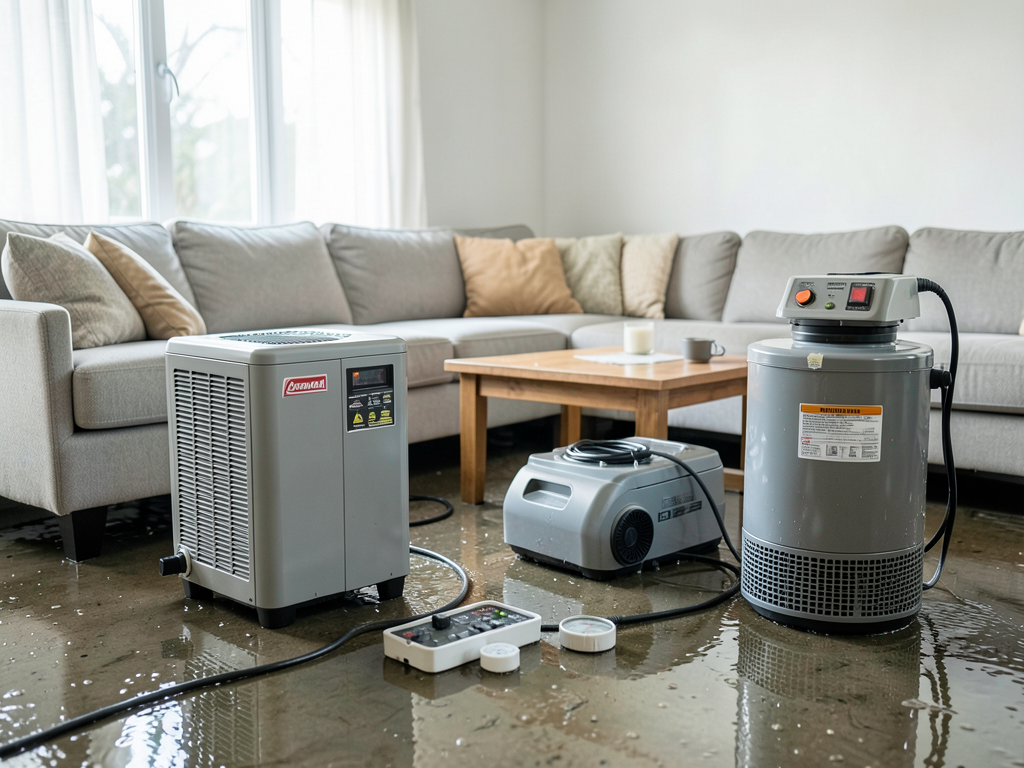
Structural Drying and Dehumidification Process
After water removal, the structural drying phase begins. This isn’t simply setting up fans—it’s a science-based process that follows psychrometric principles to remove moisture from building materials. Industrial dehumidifiers are placed throughout the affected area, capable of removing 20-30 gallons of moisture from the air daily.
The drying strategy varies by material. Hardwood floors require specialized floor drying mats connected to vacuum systems that extract moisture from between boards without causing warping. Drywall may need to be drilled at the base to allow air circulation within wall cavities. Insulation, if saturated, often requires removal since it loses its insulating properties when wet and can harbor mold.
Moisture meters are used throughout the process to track progress. Technicians take readings at different depths—surface, core, and comparative readings from unaffected areas—to ensure materials return to normal moisture content levels, typically below 16% for wood framing and below 12% for drywall.
Why Pool Water Damage Requires Special Treatment
Pool water contains chemicals that create unique restoration challenges. Chlorine, while a disinfectant, can react with building materials and create harmful byproducts. The pH level of pool water, typically between 7.2 and 7.8, differs from the neutral pH of most building materials, potentially causing accelerated degradation.
When pool water contacts metal surfaces like ductwork, electrical boxes, or plumbing, it can initiate corrosion processes. The high salt content in saltwater pools creates additional concerns, as salt attracts moisture and can continue to cause damage long after the initial flood.
Professional restoration includes chemical neutralization. Technicians may apply pH-balancing solutions to affected surfaces and use specialized cleaning agents designed to break down organic contaminants without damaging building materials. This step is crucial for preventing long-term deterioration and ensuring the home returns to a safe, healthy condition.
Insurance Claims for Pool Flood Damage
Navigating insurance claims after a pool flood can be complex. Standard homeowners insurance typically covers sudden, accidental water damage but may exclude damage from flooding or gradual leaks. The key is demonstrating that the overflow was sudden and unavoidable rather than due to neglect.
Document everything meticulously. Your restoration company should provide detailed reports including moisture mapping, material assessments, and photographic documentation. These reports become critical evidence for your insurance adjuster. Keep all receipts for temporary accommodations if you must vacate the home during restoration.
Many Richmond homeowners find that working with a restoration company experienced in insurance coordination streamlines the claims process. These professionals understand what adjusters look for and can often identify coverage areas homeowners might miss.
Preventing Future Pool Overflows
After restoration, preventing future incidents becomes a priority. Richmond’s heavy summer thunderstorms can overwhelm pool drainage systems. Installing overflow drains, ensuring proper grading around the pool deck, and maintaining clear drainage paths can prevent water from entering your home during the next storm.
Regular maintenance of pool equipment also prevents failures. Check pump timers, inspect valves for proper operation, and ensure automatic fill systems are functioning correctly. Consider installing water level sensors that can alert you to rising water levels before they become a problem.
Richmond’s Climate Factors in Pool Flood Recovery
Richmond’s humid subtropical climate significantly impacts pool flood restoration timelines. The average relative humidity of 70-75% means moisture evaporates more slowly than in drier climates. This extended drying time increases the window for mold development, making professional dehumidification even more critical.
Summer thunderstorms, common in Richmond from May through September, can dump several inches of rain in hours. If your pool’s overflow system isn’t properly maintained, this water can quickly overwhelm capacity and enter your home. Understanding these seasonal patterns helps in both prevention and restoration planning.
Frequently Asked Questions
How long does pool flood restoration take?
The timeline varies based on the extent of flooding, but most residential pool flood restorations in Richmond take 3-7 days. The water extraction phase typically completes within 24 hours, but structural drying can take several days depending on material saturation levels and humidity conditions.
Is pool water more damaging than clean water?
Yes. Pool water is considered Category 2 or 3 water damage because it contains chemicals, potential microorganisms, and can cause accelerated corrosion of metal components. It requires specialized treatment protocols that clean water damage doesn’t need.
Will my insurance cover pool overflow damage?
Coverage depends on your specific policy and the cause of the overflow. Sudden, accidental events are more likely to be covered than gradual leaks or maintenance-related failures. Review your policy or consult with your agent to understand your coverage limits.
Can I clean up pool flood water myself?
While you can begin initial containment, professional restoration is strongly recommended. Pool water requires proper extraction equipment, chemical neutralization, and monitoring to prevent secondary damage like mold growth or structural deterioration.
What should I do immediately after discovering pool water in my house?
Turn off electricity to affected areas, begin containing the water spread with barriers, document all damage with photos, and call a professional restoration company immediately. Time is critical in preventing secondary damage.
How much does pool flood restoration cost?
Costs vary widely based on the extent of damage, ranging from $2,000 to $15,000 or more for extensive flooding. Factors include the volume of water, affected materials, and required demolition or reconstruction.
Can pool flood water cause mold growth?
Absolutely. Richmond’s high humidity creates ideal conditions for mold growth within 24-48 hours of water exposure. Professional drying and dehumidification are essential to prevent mold colonization in wall cavities and under flooring.
Do I need to replace drywall after a pool flood?
Not always. Drywall can often be dried in place if addressed quickly and if moisture levels return to normal. However, drywall that has been saturated for extended periods or shows signs of swelling typically requires replacement.
How do I know when my home is completely dry?
Professional moisture meters are used to verify dryness. Technicians compare readings from affected areas to unaffected areas and track progress until materials reach standard moisture content levels for your climate and building materials.
Should I be concerned about electrical systems after a pool flood?
Yes. Pool water can corrode electrical components and create shock hazards. Have a licensed electrician inspect any electrical systems that were exposed to flood water before restoring power to affected areas.
What building materials are most vulnerable to pool water damage?
Materials that absorb water readily are most vulnerable: drywall, carpet padding, insulation, and hardwood flooring. These materials can swell, warp, or lose structural integrity when saturated with pool water.
How does Richmond’s clay soil affect pool flood situations?
Richmond’s heavy clay soil can complicate drainage around pools, potentially increasing overflow risks during heavy rains. The soil’s low permeability means water doesn’t drain quickly, which can contribute to hydrostatic pressure against foundations.
Act Now to Protect Your Richmond Home
Pool overflow into your home is a serious emergency that requires immediate professional attention. The combination of chemical contamination, potential electrical hazards, and Richmond’s humid climate creates conditions where damage can escalate rapidly. Every hour of delay increases restoration costs and the likelihood of secondary issues like mold growth. Emergency Board-Up Services.
Our certified restoration technicians understand the unique challenges of pool flood damage in Richmond’s climate. We arrive equipped with industrial-grade extraction and drying equipment, follow IICRC S500 standards for water damage restoration, and work directly with your insurance company to streamline the claims process.
Don’t let pool water destroy your home’s structure and your family’s health. Call (804) 602-2644 now for 24/7 emergency response. We’ll assess the damage, begin immediate water extraction, and develop a comprehensive restoration plan to return your home to safe, pre-flood condition.
Remember, the cost of professional restoration is far less than the expense of ignoring the problem and dealing with structural damage, mold remediation, and potential health issues months later. When pool water invades your home, you need experienced professionals who understand both the immediate emergency and the long-term implications of chemical contamination in your living space. For more information, visit EPA mold guidelines.
{
“@context”: “https://schema.org”,
“@type”: “BlogPosting”,
“headline”: “What to Do When Your Swimming Pool Overflows Into the House”,
“description”: “When pool water floods your Richmond home, act fast. Learn emergency steps, extraction methods, and how to protect your property from chemical damage.”,
“wordCount”: 1776,
“datePublished”: “2026-05-06T08:18:00.000Z”,
“dateModified”: “2026-05-06T08:18:00.000Z”,
“inLanguage”: “en-US”,
“mainEntityOfPage”: {
“@type”: “WebPage”,
“@id”: “https://horizonwaterdamagerestorationrichmond.com”
},
“publisher”: {
“@type”: “LocalBusiness”,
“name”: “Horizon Water Damage Restoration Richmond”,
“url”: “https://horizonwaterdamagerestorationrichmond.com”
},
“author”: {
“@type”: “Organization”,
“name”: “Horizon Water Damage Restoration Richmond”,
“url”: “https://horizonwaterdamagerestorationrichmond.com”
},
“image”: {
“@type”: “ImageObject”,
“url”: “https://horizonwaterdamagerestorationrichmond.com/wp-content/uploads/2026/03/what-to-do-when-your-swimming-pool-overflows-into-1.png”
}
}
{
“@context”: “https://schema.org”,
“@type”: “LocalBusiness”,
“name”: “Horizon Water Damage Restoration Richmond”,
“url”: “https://horizonwaterdamagerestorationrichmond.com”,
“address”: {
“@type”: “PostalAddress”,
“addressLocality”: “Richmond”
},
“areaServed”: {
“@type”: “City”,
“name”: “Richmond”
}
}
{
“@context”: “https://schema.org”,
“@type”: “FAQPage”,
“mainEntity”: [
{
“@type”: “Question”,
“name”: “How long does pool flood restoration take?”,
“acceptedAnswer”: {
“@type”: “Answer”,
“text”: “The timeline varies based on the extent of flooding, but most residential pool flood restorations in Richmond take 3-7 days. The water extraction phase typically completes within 24 hours, but structural drying can take several days depending on material saturation levels and humidity conditions.”
}
},
{
“@type”: “Question”,
“name”: “Is pool water more damaging than clean water?”,
“acceptedAnswer”: {
“@type”: “Answer”,
“text”: “Yes. Pool water is considered Category 2 or 3 water damage because it contains chemicals, potential microorganisms, and can cause accelerated corrosion of metal components. It requires specialized treatment protocols that clean water damage doesn’t need.”
}
},
{
“@type”: “Question”,
“name”: “Will my insurance cover pool overflow damage?”,
“acceptedAnswer”: {
“@type”: “Answer”,
“text”: “Coverage depends on your specific policy and the cause of the overflow. Sudden, accidental events are more likely to be covered than gradual leaks or maintenance-related failures. Review your policy or consult with your agent to understand your coverage limits.”
}
},
{
“@type”: “Question”,
“name”: “Can I clean up pool flood water myself?”,
“acceptedAnswer”: {
“@type”: “Answer”,
“text”: “While you can begin initial containment, professional restoration is strongly recommended. Pool water requires proper extraction equipment, chemical neutralization, and monitoring to prevent secondary damage like mold growth or structural deterioration.”
}
},
{
“@type”: “Question”,
“name”: “What should I do immediately after discovering pool water in my house?”,
“acceptedAnswer”: {
“@type”: “Answer”,
“text”: “Turn off electricity to affected areas, begin containing the water spread with barriers, document all damage with photos, and call a professional restoration company immediately. Time is critical in preventing secondary damage.”
}
},
{
“@type”: “Question”,
“name”: “How much does pool flood restoration cost?”,
“acceptedAnswer”: {
“@type”: “Answer”,
“text”: “Costs vary widely based on the extent of damage, ranging from $2,000 to $15,000 or more for extensive flooding. Factors include the volume of water, affected materials, and required demolition or reconstruction.”
}
},
{
“@type”: “Question”,
“name”: “Can pool flood water cause mold growth?”,
“acceptedAnswer”: {
“@type”: “Answer”,
“text”: “Absolutely. Richmond’s high humidity creates ideal conditions for mold growth within 24-48 hours of water exposure. Professional drying and dehumidification are essential to prevent mold colonization in wall cavities and under flooring.”
}
},
{
“@type”: “Question”,
“name”: “How do I know when my home is completely dry?”,
“acceptedAnswer”: {
“@type”: “Answer”,
“text”: “Professional moisture meters are used to verify dryness. Technicians compare readings from affected areas to unaffected areas and track progress until materials reach standard moisture content levels for your climate and building materials.”
}
},
{
“@type”: “Question”,
“name”: “Should I be concerned about electrical systems after a pool flood?”,
“acceptedAnswer”: {
“@type”: “Answer”,
“text”: “Yes. Pool water can corrode electrical components and create shock hazards. Have a licensed electrician inspect any electrical systems that were exposed to flood water before restoring power to affected areas.”
}
},
{
“@type”: “Question”,
“name”: “What building materials are most vulnerable to pool water damage?”,
“acceptedAnswer”: {
“@type”: “Answer”,
“text”: “Materials that absorb water readily are most vulnerable: drywall, carpet padding, insulation, and hardwood flooring. These materials can swell, warp, or lose structural integrity when saturated with pool water.”
}
},
{
“@type”: “Question”,
“name”: “How does Richmond’s clay soil affect pool flood situations?”,
“acceptedAnswer”: {
“@type”: “Answer”,
“text”: “Richmond’s heavy clay soil can complicate drainage around pools, potentially increasing overflow risks during heavy rains. The soil’s low permeability means water doesn’t drain quickly, which can contribute to hydrostatic pressure against foundations.”
}
}
]
}
{
“@context”: “https://schema.org”,
“@type”: “BreadcrumbList”,
“itemListElement”: [
{
“@type”: “ListItem”,
“position”: 1,
“name”: “Home”,
“item”: “https://horizonwaterdamagerestorationrichmond.com”
},
{
“@type”: “ListItem”,
“position”: 2,
“name”: “Blog”,
“item”: “https://horizonwaterdamagerestorationrichmond.com/blog”
},
{
“@type”: “ListItem”,
“position”: 3,
“name”: “What to Do When Your Swimming Pool Overflows Into the House”
}
]
}
{
“@context”: “https://schema.org”,
“@type”: “Service”,
“serviceType”: “Water Damage Restoration”,
“provider”: {
“@type”: “LocalBusiness”,
“name”: “Horizon Water Damage Restoration Richmond”,
“url”: “https://horizonwaterdamagerestorationrichmond.com”
},
“areaServed”: {
“@type”: “City”,
“name”: “Richmond”
},
“description”: “When pool water floods your Richmond home, act fast. Learn emergency steps, extraction methods, and how to protect your property from chemical damage.”
}