
Why Your Homeowners Association Might Be Liable for Water Damage in a Richmond Condo
Water damage in a Richmond condo can turn into a financial nightmare when you’re unsure who pays for repairs. Under Virginia law, your Homeowners Association may be responsible for the damage, but only if specific conditions are met. The key factors are where the water originated, what caused it, and how your HOA documents define “common elements” versus “unit improvements.” Understanding these distinctions can save you thousands in repair costs and help you navigate the claims process with confidence. Virginia Condominium Act.
Virginia Law Defines HOA Responsibility for Water Damage
Virginia’s Property Owners’ Association Act and Condominium Act establish the legal framework for HOA liability. The Virginia Condominium Act (VA Code § 55.1-1800 et seq.) specifically addresses water damage responsibility by distinguishing between common elements and individual units. Common elements typically include building exteriors, roofs, and shared plumbing systems, while unit improvements are the owner’s responsibility. How to Get Rapid Water Extraction in the Museum District.
The “origin of loss” rule is critical in Virginia. If a burst pipe in a common wall causes damage to multiple units, the HOA’s master insurance policy usually covers repairs to all affected areas. However, if the damage stems from your washing machine overflow or neglected plumbing within your unit, you’re financially responsible for the repairs.. Read more about Deciding Whether to File an Insurance Claim for a Small Leak in Your Henrico Home.
Key Documents That Determine Who Pays
Your HOA’s governing documents hold the answers to liability questions. These documents create the framework for responsibility and should be your first reference point after water damage occurs. 24/7 Emergency Water Removal Services in Richmond VA.
Declaration of Covenants, Conditions, and Restrictions (CC&Rs)
The CC&Rs define what constitutes common elements versus unit improvements. In Richmond’s older condo buildings, particularly those in the Fan District and Church Hill, CC&Rs often specify that original plumbing systems are common elements while upgraded fixtures remain the unit owner’s responsibility.. Read more about What to Do When a Fire Sprinkler Accidentally Goes Off in Your Richmond Apartment or Office.
HOA Bylaws and Insurance Requirements
Virginia HOAs must maintain specific insurance coverage under VA Code § 55.1-1956. The master policy typically covers common elements and original building components. However, many Richmond HOAs operate under “single entity” coverage, which excludes unit improvements made by owners.
Individual HO-6 Insurance Policies
Unit owners need their own HO-6 policy to cover personal property, unit improvements, and liability. Without this coverage, you could be financially responsible for damage to your upgraded kitchen cabinets or bathroom fixtures, even if the water originated from a common element. Commercial Water Damage Restoration for Downtown Richmond Businesses.
Common Water Damage Scenarios in Richmond Properties
Richmond’s unique climate and building characteristics create specific water damage patterns that affect HOA liability determinations.. Read more about How to Navigate a Water Damage Dispute with Your Richmond Landlord or Property Manager.
Roof Leaks During Virginia Storms
During Richmond’s summer thunderstorms, roof leaks can damage multiple units. If the roof is a common element (as most are in condo buildings), the HOA is responsible for repairs to ceilings, walls, and flooring damaged by the leak. However, damage to your personal belongings or upgraded fixtures may not be covered.
Richmond’s older buildings in the Museum District often have flat roofs that are particularly vulnerable to ponding water during heavy rains. The age of these roofs and their maintenance history can affect liability determinations.
Pipe Bursts During Virginia Freezes
Richmond experiences occasional “Polar Vortex” events that can cause pipes to freeze and burst. When a pipe in a common wall bursts and damages multiple units, the HOA’s master policy typically covers the structural repairs. However, if the pipe burst due to your failure to maintain heat while away, you might be held responsible. Sump Pump Failure Cleanup and Repair in Bon Air.
Sewer Backups in Older Richmond Neighborhoods
Richmond’s combined sewer overflow system in older neighborhoods like Jackson Ward can cause sewer backups during heavy rains. When municipal sewer lines back up into condo buildings, the liability often falls on the HOA if the backup originates from common sewer lines. However, if your individual plumbing caused the blockage, you’re responsible.
The Role of Negligence in Shifting Responsibility
Negligence can override the typical common element rules. Virginia law recognizes that failure to maintain can shift financial responsibility regardless of where the damage originated.
If your HOA failed to repair a known roof leak for months despite multiple complaints, they might be held liable for resulting water damage even if the roof is technically a common element. Conversely, if you ignored a slow leak in your bathroom for weeks, causing extensive mold damage, you could be responsible for all repairs.
Documentation is crucial for negligence claims. Keep records of maintenance requests, photographs of damage progression, and communications with your HOA management. These records can prove essential when determining liability.
Steps to Document Water Damage for Your HOA Claim
Proper documentation strengthens your position when filing a claim against your Richmond HOA. Follow these steps to protect your interests.
Immediate Response Actions
- Document the damage with photos and videos immediately, capturing the extent and location of water intrusion.
- Notify your HOA management in writing, citing the specific location and nature of the damage.
- Mitigate further damage by shutting off water sources if safe to do so.
- Keep all damaged items until the insurance adjuster completes their inspection.
Professional Assessment Requirements
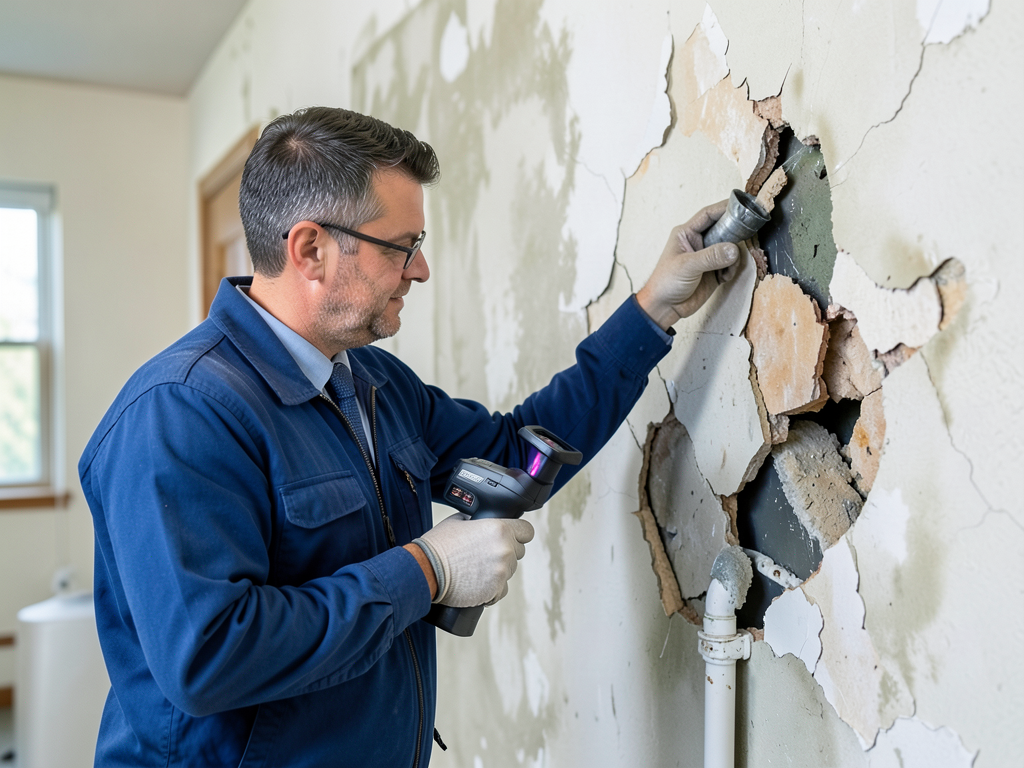
Professional water damage assessment is critical for establishing the scope of damage and its origin. A certified water damage restoration specialist can perform moisture mapping using thermal imaging cameras to identify the water’s path through walls and ceilings.
Moisture meters measure the percentage of moisture in different materials, helping establish whether the damage is active or historical. This distinction matters for insurance claims and liability determinations under Virginia law.
Building Code Compliance Documentation
Virginia’s Uniform Statewide Building Code (USBC) requires specific standards for water damage repairs. Documentation showing that repairs meet these standards strengthens your position with both the HOA and insurance companies.
For Richmond’s historic properties, additional documentation may be required to ensure repairs comply with local preservation guidelines. The Virginia Department of Historic Resources maintains specific requirements for alterations to historic buildings.
Understanding Insurance Coverage Models in Virginia HOAs
Virginia HOAs operate under different insurance coverage models that significantly impact water damage liability.
Single Entity Coverage
Under single entity coverage, the HOA’s master policy covers common elements and original building components but excludes any improvements made by unit owners. This is common in Richmond’s newer condo developments where owners frequently upgrade kitchens and bathrooms.
If water damage destroys your upgraded granite countertops installed after purchase, the HOA’s insurance won’t cover replacement costs under single entity coverage. Your HO-6 policy would need to cover these improvements.
All-In Coverage
All-in coverage is less common but provides more comprehensive protection. Under this model, the HOA’s master policy covers both original building components and unit improvements made by owners. This coverage eliminates the gap between what the master policy covers and what your personal policy covers.
Richmond HOAs considering switching from single entity to all-in coverage must vote to amend their governing documents and adjust insurance premiums accordingly.
Subrogation and Recovery Rights in Virginia
Subrogation allows insurance companies to pursue recovery from responsible parties after paying claims. Understanding this process helps you navigate water damage claims in Richmond condos.
If your unit suffers water damage from a neighbor’s overflowing bathtub, your insurance company might pay your claim and then pursue the neighbor’s insurance through subrogation. This process can recover your deductible and prevent premium increases.
Virginia law recognizes the right of insurance companies to subrogate claims, but the process can be complex when multiple parties and insurance policies are involved. A water damage restoration company familiar with Virginia insurance practices can help coordinate these efforts. Who to Call Right Now for a Flooded Basement in Short Pump.
Richmond-Specific Considerations for Water Damage
Richmond’s unique characteristics create specific challenges for HOA water damage liability determinations.
The city’s location along the James River exposes many properties to flood risks, particularly in low-lying areas near the river. The Federal Emergency Management Agency (FEMA) flood maps show that certain Richmond neighborhoods have higher flood risks, which can affect insurance requirements and liability determinations. FEMA flood maps.
Richmond’s humid subtropical climate creates year-round moisture challenges. High humidity levels can exacerbate water damage and create ideal conditions for mold growth within 24-48 hours of water intrusion. This rapid mold development can complicate liability determinations and increase repair costs.
The age of Richmond’s housing stock also matters. Many condos in neighborhoods like The Fan and Church Hill were built before modern building codes and may have outdated plumbing systems. The age and condition of these systems can affect liability when leaks occur.
Frequently Asked Questions
Who is responsible if a pipe bursts in a common wall between units?
Typically, the HOA is responsible for repairing the pipe and any damage to common elements or other units caused by the burst. However, damage to your personal property or improvements may not be covered unless you have appropriate insurance.
How quickly must an HOA respond to water damage reports?
Virginia law doesn’t specify exact response times, but HOAs must act reasonably to prevent further damage. Delays in addressing reported water issues can shift liability to the HOA if additional damage occurs due to their inaction.
Can I withhold HOA fees if they won’t pay for water damage repairs?
No. Virginia law prohibits withholding HOA fees as leverage. Instead, document the damage, file a claim with your insurance, and pursue legal remedies through the appropriate channels if the HOA denies responsibility.
Protecting Your Interests After Water Damage
Water damage in a Richmond condo requires immediate action to protect your property and legal rights. Understanding your HOA’s potential liability is the first step, but taking the right actions afterward determines your financial outcome.
Document everything, communicate in writing, and don’t make repairs until you understand the full scope of damage and who’s responsible for payment. Consider consulting with a water damage restoration company that understands Virginia HOA laws and can help navigate the insurance process.
Most importantly, review your HOA documents and insurance policies before damage occurs. Understanding your coverage and the HOA’s responsibilities can save you significant stress and expense when water damage strikes.
Call (804) 602-2644 today to schedule your inspection. Our team understands Richmond’s unique building challenges and Virginia’s specific HOA liability laws. We’ll help you document the damage, determine responsibility, and restore your property quickly and professionally.
Don’t wait until mold sets in or structural damage worsens. Pick up the phone and call (804) 602-2644 before the next storm hits. We’re available 24/7 to help Richmond condo owners navigate water damage emergencies and insurance claims. For more information, visit IICRC S500 Standard.
You may also find this helpful. What Rocketts Landing Residents Should Know About Rising Water and James River Flood Risks.
{
“@context”: “https://schema.org”,
“@type”: “BlogPosting”,
“headline”: “Why Your Homeowners Association Might Be Liable for Water Damage in a Richmond Condo”,
“description”: “Discover when your Richmond HOA is responsible for water damage repairs under Virginia law. Learn the difference between common elements and unit owner responsibility.”,
“wordCount”: 1772,
“datePublished”: “2026-05-16T13:06:00.000Z”,
“dateModified”: “2026-05-16T13:06:00.000Z”,
“inLanguage”: “en-US”,
“mainEntityOfPage”: {
“@type”: “WebPage”,
“@id”: “https://horizonwaterdamagerestorationrichmond.com”
},
“publisher”: {
“@type”: “LocalBusiness”,
“name”: “Horizon Water Damage Restoration Richmond”,
“url”: “https://horizonwaterdamagerestorationrichmond.com”
},
“author”: {
“@type”: “Organization”,
“name”: “Horizon Water Damage Restoration Richmond”,
“url”: “https://horizonwaterdamagerestorationrichmond.com”
},
“image”: {
“@type”: “ImageObject”,
“url”: “https://horizonwaterdamagerestorationrichmond.com/wp-content/uploads/2026/03/why-your-homeowners-association-might-be-liable-fo-1.png”
}
}
{
“@context”: “https://schema.org”,
“@type”: “LocalBusiness”,
“name”: “Horizon Water Damage Restoration Richmond”,
“url”: “https://horizonwaterdamagerestorationrichmond.com”,
“address”: {
“@type”: “PostalAddress”,
“addressLocality”: “Richmond”
},
“areaServed”: {
“@type”: “City”,
“name”: “Richmond”
}
}
{
“@context”: “https://schema.org”,
“@type”: “FAQPage”,
“mainEntity”: [
{
“@type”: “Question”,
“name”: “Who is responsible if a pipe bursts in a common wall between units?”,
“acceptedAnswer”: {
“@type”: “Answer”,
“text”: “Typically, the HOA is responsible for repairing the pipe and any damage to common elements or other units caused by the burst. However, damage to your personal property or improvements may not be covered unless you have appropriate insurance.”
}
},
{
“@type”: “Question”,
“name”: “How quickly must an HOA respond to water damage reports?”,
“acceptedAnswer”: {
“@type”: “Answer”,
“text”: “Virginia law doesn’t specify exact response times, but HOAs must act reasonably to prevent further damage. Delays in addressing reported water issues can shift liability to the HOA if additional damage occurs due to their inaction.”
}
},
{
“@type”: “Question”,
“name”: “Can I withhold HOA fees if they won’t pay for water damage repairs?”,
“acceptedAnswer”: {
“@type”: “Answer”,
“text”: “No. Virginia law prohibits withholding HOA fees as leverage. Instead, document the damage, file a claim with your insurance, and pursue legal remedies through the appropriate channels if the HOA denies responsibility.”
}
}
]
}
{
“@context”: “https://schema.org”,
“@type”: “BreadcrumbList”,
“itemListElement”: [
{
“@type”: “ListItem”,
“position”: 1,
“name”: “Home”,
“item”: “https://horizonwaterdamagerestorationrichmond.com”
},
{
“@type”: “ListItem”,
“position”: 2,
“name”: “Blog”,
“item”: “https://horizonwaterdamagerestorationrichmond.com/blog”
},
{
“@type”: “ListItem”,
“position”: 3,
“name”: “Why Your Homeowners Association Might Be Liable for Water Damage in a Richmond Condo”
}
]
}
{
“@context”: “https://schema.org”,
“@type”: “Service”,
“serviceType”: “Water Damage Restoration”,
“provider”: {
“@type”: “LocalBusiness”,
“name”: “Horizon Water Damage Restoration Richmond”,
“url”: “https://horizonwaterdamagerestorationrichmond.com”
},
“areaServed”: {
“@type”: “City”,
“name”: “Richmond”
},
“description”: “Discover when your Richmond HOA is responsible for water damage repairs under Virginia law. Learn the difference between common elements and unit owner responsibility.”
}