
Should You Close Your Crawl Space Vents During the Humid Virginia Summer Months?
Richmond’s summer humidity often exceeds 80% and creates a hidden moisture trap under your home. Warm moist air from the James River area enters cool crawl spaces and condenses on floor joists and insulation. This creates perfect conditions for mold growth and wood rot. The answer is yes but only as part of a complete moisture management system. Closing vents without proper vapor barriers or dehumidification can trap existing moisture and accelerate structural damage. A professional inspection can determine if your crawl space needs more than just closed vents to stay dry through Virginia’s humid season. Water Damage Restoration Colonial Heights.
The Science of Richmond Summer Humidity
Richmond sits in a humid subtropical climate zone where summer dew points regularly climb above 70 degrees Fahrenheit. When this warm moist air enters a crawl space cooled by the ground below it reaches its dew point and releases water vapor as liquid condensation. Floor joists and insulation act like cold glasses of water on a summer day collecting droplets that feed mold and rot. The problem worsens in older Richmond neighborhoods like The Fan District where historic homes often lack proper vapor barriers. A hygrometer reading above 60% relative humidity in your crawl space signals active condensation risk. How to Get Rapid Water Extraction in the Museum District.

Diagram showing warm humid air entering crawl space and condensing on cool floor joists creating moisture droplets.
The Myth of ‘Cross-Ventilation’
Building codes from the 1950s required crawl space vents believing fresh air would keep spaces dry. This advice fails in Richmond’s climate where outdoor humidity exceeds indoor levels for months. Opening vents during summer actually increases moisture by allowing more humid air to enter. The stack effect pulls this moisture upward through floor gaps and into your living space. Homes in Glen Allen and Midlothian experience this problem when afternoon thunderstorms spike humidity. Many Richmond homeowners notice musty odors and cupping hardwood floors without realizing their open vents are the source.. Read more about The Ideal Indoor Humidity Level to Prevent Mold Growth During a Humid Richmond Summer.
Signs Your Crawl Space is Failing This Summer
Musty odors in your home often indicate mold growing in the crawl space. These smells rise through the stack effect and concentrate in living areas. Cupping or buckling hardwood floors signal moisture absorption from below. High indoor humidity readings above 55% suggest crawl space air is infiltrating your home. Unexplained increases in cooling costs occur when your HVAC system fights moisture loads from below. Homes near the James River in areas like Manchester often show these signs first due to proximity to water sources. A flashlight inspection revealing white fuzzy mold or black spotting on floor joists confirms active growth. Commercial Water Damage Restoration for Downtown Richmond Businesses.
The Case for Crawl Space Encapsulation
Closing vents represents only the first step in moisture control. Professional encapsulation seals the entire crawl space with heavy-duty vapor barriers typically 12 to 20 mil thick. This process includes sealing all vents with airtight covers and installing a commercial-grade dehumidifier. The Virginia Uniform Statewide Building Code requires proper drainage and sump pump systems in encapsulated spaces. Homes in low-lying areas near the Fall Line benefit most from full encapsulation since groundwater often seeps through red clay soil. The upfront investment typically pays for itself through reduced energy costs and prevented structural repairs. EPA Mold Information.
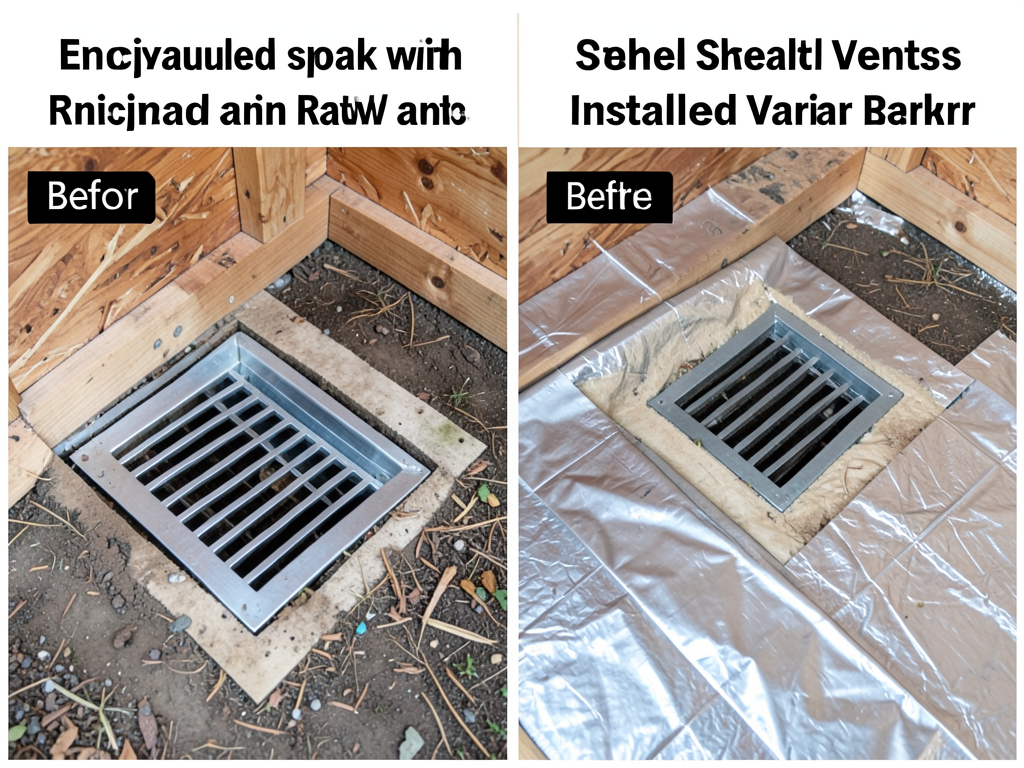
Photo showing crawl space before and after encapsulation with sealed vents and installed vapor barrier.
Local Richmond Regulations and Best Practices
The Virginia Uniform Statewide Building Code Section R408 mandates specific requirements for crawl space ventilation and moisture control. Homes in Richmond must meet these standards whether using traditional vents or encapsulation systems. The code requires a minimum 6 mil vapor barrier on ground surfaces and proper drainage to prevent standing water. Properties in historic districts like Church Hill must also comply with preservation guidelines when modifying exterior vents. Local building officials recommend professional assessment before making changes to ensure compliance and effectiveness. The International Residential Code Section R408 provides additional guidance on acceptable moisture control methods.
Step-by-Step Guide to Summer Crawl Space Preparation
Step 1: Inspect and Clean
Remove debris leaves and organic material that trap moisture. Check for standing water and address drainage issues. Look for signs of pest activity that indicate moisture problems.
Step 2: Test Humidity Levels
Use a hygrometer to measure current crawl space humidity. Readings above 60% indicate immediate action needed. Document baseline measurements for comparison after improvements.
Step 3: Seal Vents Properly
Install vent covers designed for airtight sealing not just decorative screens. Ensure all penetrations through foundation walls are sealed. Pay special attention to gaps around pipes and wiring.
Step 4: Install Moisture Barriers
Lay 6 mil minimum polyethylene sheeting over exposed soil extending up foundation walls. Overlap seams by 12 inches and seal with moisture-resistant tape. This prevents ground moisture from entering air space.
Step 5: Add Dehumidification
Install a crawl space rated dehumidifier sized for your space volume. Units should drain automatically to prevent bucket overflow. Set humidity target between 45-55% relative humidity.
Step 6: Monitor and Maintain
Check humidity readings weekly during peak summer months. Clean dehumidifier filters monthly. Inspect vapor barriers quarterly for tears or displacement.
Common Mistakes to Avoid
Simply closing vents without addressing underlying moisture sources creates a trap for existing humidity. Many Richmond homeowners make this error believing vents are the sole problem. Another mistake involves using thin plastic sheeting instead of proper vapor barriers that tear easily. Some attempt DIY encapsulation without proper drainage leading to water accumulation under barriers. Neglecting to address exterior drainage causes water to pool against foundation walls even with sealed vents. Finally failing to maintain dehumidifiers results in system failure during critical summer months when moisture loads peak. Sump Pump Failure Cleanup and Repair in Bon Air.
Energy Efficiency and Cost Savings
A properly sealed crawl space can reduce HVAC energy consumption by 15-20% according to Department of Energy studies. Your air conditioner works less when not fighting moisture loads from below. Homes in Short Pump and Mechanicsville report lower summer cooling bills after professional encapsulation. The reduced humidity also extends the life of HVAC equipment by decreasing runtime hours. Energy savings typically offset encapsulation costs within 3-5 years while preventing costly structural repairs. Some Richmond homeowners qualify for energy efficiency rebates when upgrading to sealed crawl space systems. Department of Energy Crawl Space Guide.
Health Implications and Indoor Air Quality
Up to 50% of the air you breathe on the first floor originates from the crawl space through the stack effect. Mold spores dust mites and other allergens travel upward through floor gaps. Richmond’s humid climate accelerates mold growth when moisture levels exceed 60% relative humidity. Children and elderly residents face higher risks from airborne mold toxins. Professional encapsulation creates a physical barrier preventing contaminated air from entering living spaces. Many homeowners report reduced allergy symptoms and improved breathing after addressing crawl space moisture issues.
When to Call a Professional
Standing water in your crawl space indicates drainage problems requiring immediate attention. Mold covering more than 10 square feet needs professional remediation per IICRC S520 standards. Persistent musty odors despite vent closure suggest hidden moisture sources. Structural damage like sagging floor joists requires assessment before any moisture control work. Homes built before 1980 may contain asbestos or lead requiring certified abatement professionals. If you lack proper safety equipment or experience working in confined spaces professional help prevents injury and ensures code compliance. Fire Damage Safety Checklist.
Photo of professional using moisture meter to test crawl space humidity levels and identify problem areas.
Frequently Asked Questions
Should I close my crawl space vents in summer?
Yes but only as part of a complete moisture management system. Simply closing vents without vapor barriers or dehumidification can trap existing moisture and cause more damage than leaving them open.
What humidity level is dangerous in a crawl space?
Humidity above 60% relative humidity creates conditions for mold growth and wood rot. Richmond’s summer climate often exceeds this threshold making active moisture control essential.
How much does crawl space encapsulation cost in Richmond?
Professional encapsulation typically ranges from $5,000 to $15,000 depending on crawl space size and necessary repairs. Homes in areas with high water tables like near the James River may require additional drainage systems increasing costs.
Can I seal my crawl space vents myself?
You can install vent covers but proper moisture control requires addressing underlying issues like drainage and ground moisture. DIY attempts often miss critical steps leading to trapped moisture and accelerated damage.
How long does professional crawl space work take?
Most professional encapsulation projects complete in 2-5 days depending on crawl space condition and necessary repairs. This includes cleaning, barrier installation, vent sealing, and dehumidifier setup.
Take Action Before Moisture Damages Your Home
Richmond’s humid summer months create perfect conditions for crawl space moisture problems that can destroy your home’s foundation and air quality. The science is clear warm humid air condenses on cool surfaces causing mold rot and structural damage. Simply closing vents provides minimal benefit without proper vapor barriers and dehumidification. Homes in neighborhoods from The Fan to Midlothian face the same risks when moisture goes unchecked. Professional inspection can identify your specific moisture sources and recommend effective solutions that comply with Virginia building codes. Don’t wait until you notice musty odors or see mold growing on your floor joists.
Call (804) 602-2644 today to schedule your crawl space inspection. Our certified technicians will assess your moisture levels and recommend solutions tailored to Richmond’s unique climate challenges. Pick up the phone and call (804) 602-2644 before the next summer storm pushes humidity even higher. Your home’s structural integrity and your family’s health depend on addressing crawl space moisture now not after damage occurs.
Learn more about emergency water damage services in Short Pump
Discover our 24/7 emergency water removal services
{
“@context”: “https://schema.org”,
“@type”: “BlogPosting”,
“headline”: “Should You Close Your Crawl Space Vents During the Humid Virginia Summer Months?”,
“description”: “Discover if closing crawl space vents in Richmond’s humid summer helps prevent moisture damage. Learn the science behind condensation and when to call for professional inspection.”,
“wordCount”: 1650,
“datePublished”: “2026-06-08T15:41:00.000Z”,
“dateModified”: “2026-06-08T15:41:00.000Z”,
“inLanguage”: “en-US”,
“mainEntityOfPage”: {
“@type”: “WebPage”,
“@id”: “https://horizonwaterdamagerestorationrichmond.com”
},
“publisher”: {
“@type”: “LocalBusiness”,
“name”: “Horizon Water Damage Restoration Richmond”,
“url”: “https://horizonwaterdamagerestorationrichmond.com”
},
“author”: {
“@type”: “Organization”,
“name”: “Horizon Water Damage Restoration Richmond”,
“url”: “https://horizonwaterdamagerestorationrichmond.com”
},
“image”: {
“@type”: “ImageObject”,
“url”: “https://horizonwaterdamagerestorationrichmond.com/wp-content/uploads/2026/03/should-you-close-your-crawl-space-vents-during-the-1.png”
}
}
{
“@context”: “https://schema.org”,
“@type”: “LocalBusiness”,
“name”: “Horizon Water Damage Restoration Richmond”,
“url”: “https://horizonwaterdamagerestorationrichmond.com”,
“address”: {
“@type”: “PostalAddress”,
“addressLocality”: “Richmond”
},
“areaServed”: {
“@type”: “City”,
“name”: “Richmond”
}
}
{
“@context”: “https://schema.org”,
“@type”: “FAQPage”,
“mainEntity”: [
{
“@type”: “Question”,
“name”: “Should I close my crawl space vents in summer?”,
“acceptedAnswer”: {
“@type”: “Answer”,
“text”: “Yes but only as part of a complete moisture management system. Simply closing vents without vapor barriers or dehumidification can trap existing moisture and cause more damage than leaving them open.”
}
},
{
“@type”: “Question”,
“name”: “What humidity level is dangerous in a crawl space?”,
“acceptedAnswer”: {
“@type”: “Answer”,
“text”: “Humidity above 60% relative humidity creates conditions for mold growth and wood rot. Richmond’s summer climate often exceeds this threshold making active moisture control essential.”
}
},
{
“@type”: “Question”,
“name”: “How much does crawl space encapsulation cost in Richmond?”,
“acceptedAnswer”: {
“@type”: “Answer”,
“text”: “Professional encapsulation typically ranges from $5,000 to $15,000 depending on crawl space size and necessary repairs. Homes in areas with high water tables like near the James River may require additional drainage systems increasing costs.”
}
},
{
“@type”: “Question”,
“name”: “Can I seal my crawl space vents myself?”,
“acceptedAnswer”: {
“@type”: “Answer”,
“text”: “You can install vent covers but proper moisture control requires addressing underlying issues like drainage and ground moisture. DIY attempts often miss critical steps leading to trapped moisture and accelerated damage.”
}
},
{
“@type”: “Question”,
“name”: “How long does professional crawl space work take?”,
“acceptedAnswer”: {
“@type”: “Answer”,
“text”: “Most professional encapsulation projects complete in 2-5 days depending on crawl space condition and necessary repairs. This includes cleaning, barrier installation, vent sealing, and dehumidifier setup.”
}
}
]
}
{
“@context”: “https://schema.org”,
“@type”: “BreadcrumbList”,
“itemListElement”: [
{
“@type”: “ListItem”,
“position”: 1,
“name”: “Home”,
“item”: “https://horizonwaterdamagerestorationrichmond.com”
},
{
“@type”: “ListItem”,
“position”: 2,
“name”: “Blog”,
“item”: “https://horizonwaterdamagerestorationrichmond.com/blog”
},
{
“@type”: “ListItem”,
“position”: 3,
“name”: “Should You Close Your Crawl Space Vents During the Humid Virginia Summer Months?”
}
]
}
{
“@context”: “https://schema.org”,
“@type”: “Service”,
“serviceType”: “Water Damage Restoration”,
“provider”: {
“@type”: “LocalBusiness”,
“name”: “Horizon Water Damage Restoration Richmond”,
“url”: “https://horizonwaterdamagerestorationrichmond.com”
},
“areaServed”: {
“@type”: “City”,
“name”: “Richmond”
},
“description”: “Discover if closing crawl space vents in Richmond’s humid summer helps prevent moisture damage. Learn the science behind condensation and when to call for professional inspection.”
}