
Can You Really Save Wet Drywall or Should You Rip it Out?
Wet drywall is a race against time. In Richmond’s humid climate, moisture can wick up wall cavities behind baseboards within hours of a leak, creating the perfect environment for mold growth. The decision to save or replace depends on three critical factors: the water category, the moisture content, and the time elapsed since exposure. Category 1 clean water from a broken pipe can sometimes be dried in place if caught within 24-48 hours, but Category 3 sewage or floodwater requires immediate removal regardless of drying potential. Understanding these distinctions can save you thousands in unnecessary demolition or prevent thousands more in mold remediation costs. How to Get Rapid Water Extraction in the Museum District.
The 48-Hour Rule That Changes Everything
Mold spores begin colonizing porous materials like gypsum board within 24-48 hours of water exposure. Richmond’s average summer humidity of 72% accelerates this process compared to drier regions. Once visible mold appears, the EPA mandates complete removal rather than cleaning, as dead spores still trigger allergic reactions. The clock starts ticking the moment water contacts drywall, not when you notice the damage. That slow leak behind your washing machine could have been saturating materials for days before creating visible signs. EPA Mold Guidelines.
3 Signs Drywall Must Be Replaced Immediately
Structural sagging indicates the gypsum core has lost integrity and cannot support its own weight. This typically occurs when moisture content exceeds 16%, causing the paper facing to delaminate from the core. Category 3 water contamination requires immediate removal regardless of dryness. This includes sewage backups, James River flooding, or water that has passed through contaminated materials. Visible mold growth, even if small, necessitates full removal rather than spot treatment. Mold extends beyond visible areas through microscopic hyphae that penetrate paper backing and can spread laterally through wall cavities. 24/7 Emergency Water Removal Services in Richmond VA.
The ‘Can I Save It?’ Checklist
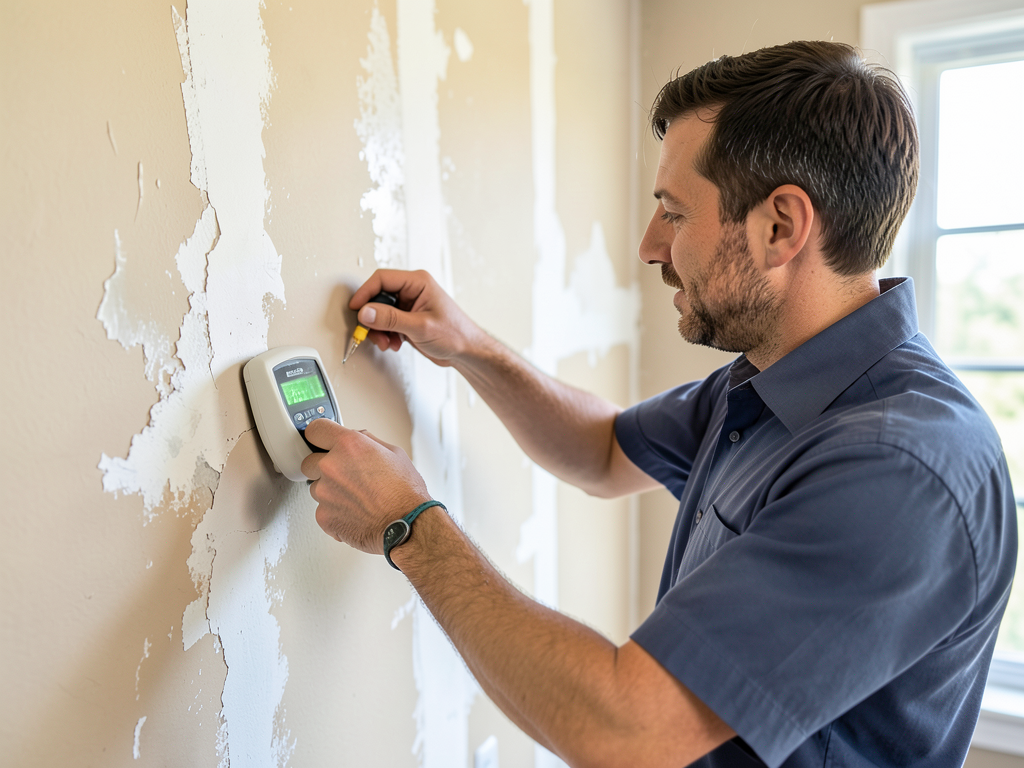
Start with the squish test. Press firmly on the drywall surface. If it feels soft or spongy, the core has absorbed water and likely needs replacement. Next, check for paint blistering or bubbling, which indicates moisture trapped between the paint and paper facing. Remove baseboards to inspect the bottom edge where water first contacts drywall. Dark staining or swelling here means moisture has wicked up the wall cavity. Finally, use a moisture meter. Readings above 12% moisture content in drywall indicate problematic saturation levels that may require removal. Commercial Water Damage Restoration for Downtown Richmond Businesses.
Category 1 vs. Category 3 Water: The Critical Difference
Category 1 water originates from clean sources like broken supply lines, rainwater, or appliance malfunctions. This water can often be dried in place if addressed within 24-48 hours using professional-grade dehumidification and air movement. Category 3 water, also called black water, contains sewage, bacteria, chemicals, or other contaminants. This includes Richmond sewer backups, which are common in the Shockoe Bottom area due to the city’s combined sewer overflow system. Category 3 contamination mandates complete removal and disposal of all affected materials, as cleaning cannot eliminate all pathogens.. Read more about The Difference Between Clean and Dirty Water (And Why it Matters for Your Health).
Professional Drying vs. DIY Replacement: When to Call (804) 602-2644
Professional drying equipment can extract moisture from wall cavities without demolition when caught early. High-capacity air movers create airflow that evaporates moisture, while commercial dehumidifiers remove water vapor from the air. This process typically requires 3-5 days with equipment running continuously. However, DIY fans and household dehumidifiers lack the power to adequately dry saturated materials. If you’re unsure about moisture levels or the water category, call (804) 602-2644 before making demolition decisions. We provide free moisture assessments and can determine if materials can be saved, potentially saving you thousands in replacement costs.. Read more about Everything You Should Know About Wet Attic Insulation and When to Toss It.
The 2-Foot Rule: Why Professionals Cut Above the Water Line
Water wicks up porous materials through capillary action, often traveling 12-24 inches above the visible water line. This wicking occurs because water molecules are attracted to the paper facing and gypsum core, pulling moisture upward against gravity. Professional water mitigation teams cut drywall at least 12 inches above the highest moisture reading, not just above visible damage. This ensures all contaminated material is removed and provides access for cleaning and treating the wall cavity. In Richmond’s older homes with plaster walls, this process becomes more complex due to the different material properties and potential asbestos in pre-1980s structures.. Read more about The Damage a Burst Washing Machine Hose Can Do in Just 30 Minutes.
Moisture Meter Readings That Matter
Non-penetrating moisture meters use electromagnetic signals to detect moisture through paint and drywall paper. Readings above 12% indicate problematic moisture levels that require intervention. Penetrating meters use metal probes to measure moisture at various depths within the material. Normal drywall reads between 5-8% moisture content. Readings above 16% suggest structural compromise, while readings above 20% indicate imminent failure. These measurements must be taken at multiple points along the wall, as moisture levels can vary significantly across a single water-damaged area. Sump Pump Failure Cleanup and Repair in Bon Air.
Insulation Contamination: The Hidden Problem
Water-damaged insulation loses its R-value and becomes a breeding ground for mold. Fiberglass insulation can sometimes be dried if it hasn’t compressed, but cellulose insulation must always be replaced when wet. The problem extends beyond the visible water line, as insulation in wall cavities often becomes saturated even when drywall appears only slightly damp. In Richmond’s older homes with balloon framing, water can travel between stories through wall cavities, saturating insulation throughout the wall system. This requires complete removal rather than spot treatment.. Read more about Comparing Local Water Restoration Quotes Without Getting Scammed.
Structural Safety: When Wet Drywall Compromises Integrity
Walls support ceiling joists and roof loads in many Richmond homes, particularly in the Fan District’s historic row houses. Wet drywall loses 50-70% of its compressive strength when moisture content exceeds 15%. This creates a safety hazard if the wall supports upper floors or if ceiling drywall becomes saturated. Signs of structural compromise include visible sagging, cracking sounds when pressure is applied, or doors that suddenly won’t close properly due to wall movement. These situations require immediate professional assessment and often necessitate temporary shoring before any removal work begins.
Insurance Claim Navigation for Richmond Homeowners
Most Richmond homeowner policies cover sudden water damage but exclude gradual leaks or flood damage. Document damage with photos before any cleanup begins, as insurance adjusters need to see the extent of damage. Keep all removed materials for adjuster inspection, as they determine coverage based on damage assessment. Category 3 water damage typically receives higher coverage allowances since it requires complete removal and disposal. Call (804) 602-2644 for emergency response, then notify your insurance company. We work directly with all major insurers and can help document damage for your claim.. Read more about Identifying Slow Leaks in Flat Roofs Common Around Sandston.
Richmond’s Climate Factor: Why Timing Matters More Here
Richmond’s humid subtropical climate creates unique challenges for water damage restoration. Average summer humidity levels of 72% mean materials stay wet longer, even with dehumidification running. The James River’s proximity affects local humidity patterns, with river valley areas experiencing higher moisture levels than elevated areas like Short Pump. This climate factor means the 48-hour mold window is more critical here than in drier regions. Professional drying in Richmond often requires higher-capacity equipment and longer run times compared to national averages.
Baseboard Removal: The First Diagnostic Step
Baseboards hide the most critical inspection area. Water typically enters through the floor and wicks upward, making the bottom 12 inches of drywall the first point of saturation. Remove baseboards carefully with a pry bar to inspect the drywall edge. Dark staining, swelling, or soft spots indicate moisture has traveled up the wall cavity. This inspection should occur even if the wall surface appears dry, as moisture can be trapped behind paint and paper facing. In Richmond’s older homes with plaster walls, this step reveals whether damage is limited to the paint layer or has penetrated deeper into the wall system.
Call (804) 602-2644 Before Making the Wrong Decision
Demolishing drywall unnecessarily costs homeowners thousands in replacement materials and labor. Conversely, failing to remove contaminated materials leads to mold growth that can cost ten times more to remediate. Our certified technicians use moisture meters, thermal imaging, and industry-standard protocols to make the right call. We provide free assessments 24/7 and can often save materials that homeowners assume must be replaced. Don’t let uncertainty lead to costly mistakes. Call (804) 602-2644 now for a professional evaluation of your water-damaged walls. Who to Call Right Now for a Flooded Basement in Short Pump.
Frequently Asked Questions
How long does it take for mold to grow in wet drywall?
Mold can begin growing in wet drywall within 24-48 hours under optimal conditions. Richmond’s high humidity accelerates this process compared to drier climates. Once visible mold appears, complete removal is required rather than cleaning.
Can I dry wet drywall with fans and dehumidifiers?
Household fans and dehumidifiers lack the power to adequately dry saturated drywall. Professional-grade equipment must run continuously for 3-5 days to extract moisture from wall cavities. Without proper equipment, DIY drying often leads to mold growth and structural damage.. Read more about Why Using a Household Fan is Never Enough to Dry Out a Wet Room.
What’s the difference between Category 1 and Category 3 water damage?
Category 1 water comes from clean sources like broken pipes and can sometimes be dried in place if caught within 24-48 hours. Category 3 water contains sewage or contaminants and requires complete removal regardless of dryness. Richmond’s combined sewer system makes Category 3 backups more common in older areas.
How do I know if my drywall has structural damage?
Press firmly on the drywall surface. If it feels soft, spongy, or shows visible sagging, the core has lost integrity. Moisture readings above 16% indicate structural compromise. Cracking sounds when pressure is applied suggest imminent failure requiring immediate professional assessment.
Will my insurance cover wet drywall replacement?
Most policies cover sudden water damage from clean sources but exclude gradual leaks and flood damage. Category 3 contamination typically receives higher coverage allowances. Document all damage with photos before cleanup and keep removed materials for adjuster inspection.
How far up the wall does water actually travel?
Water wicks up through capillary action, often traveling 12-24 inches above the visible water line. This occurs because water molecules are attracted to the paper facing and gypsum core. Professional teams cut at least 12 inches above the highest moisture reading to ensure complete removal of contaminated material.
What should I do immediately after discovering wet drywall?
Stop the water source if possible, remove any standing water, and begin drying with fans if available. Do not wait to call professionals, as every hour increases mold risk. Document damage with photos for insurance purposes. Call (804) 602-2644 for emergency assessment and to determine if materials can be saved. For more information, visit IICRC S500 Standards.
You may also find this helpful. Dealing with a Flooded Apartment or Loft in Scott’s Addition.
You may also find this helpful. Is Your Subfloor Ruined? Knowing When to Replace Wood After a Leak.
{
“@context”: “https://schema.org”,
“@type”: “BlogPosting”,
“headline”: “Can You Really Save Wet Drywall or Should You Rip it Out?”,
“description”: “Richmond homeowners need to know when wet drywall can be saved vs. replaced. Learn the 48-hour mold rule, moisture thresholds, and when to call (804) 602-2644 for emergency help.”,
“wordCount”: 1778,
“datePublished”: “2026-03-26T12:12:00.000Z”,
“dateModified”: “2026-03-26T12:12:00.000Z”,
“inLanguage”: “en-US”,
“mainEntityOfPage”: {
“@type”: “WebPage”,
“@id”: “https://horizonwaterdamagerestorationrichmond.com”
},
“publisher”: {
“@type”: “LocalBusiness”,
“name”: “Horizon Water Damage Restoration Richmond”,
“url”: “https://horizonwaterdamagerestorationrichmond.com”
},
“author”: {
“@type”: “Organization”,
“name”: “Horizon Water Damage Restoration Richmond”,
“url”: “https://horizonwaterdamagerestorationrichmond.com”
},
“image”: {
“@type”: “ImageObject”,
“url”: “https://horizonwaterdamagerestorationrichmond.com/wp-content/uploads/2026/03/can-you-really-save-wet-drywall-or-should-you-rip-1.png”
}
}
{
“@context”: “https://schema.org”,
“@type”: “LocalBusiness”,
“name”: “Horizon Water Damage Restoration Richmond”,
“url”: “https://horizonwaterdamagerestorationrichmond.com”,
“address”: {
“@type”: “PostalAddress”,
“addressLocality”: “Richmond”
},
“areaServed”: {
“@type”: “City”,
“name”: “Richmond”
}
}
{
“@context”: “https://schema.org”,
“@type”: “FAQPage”,
“mainEntity”: [
{
“@type”: “Question”,
“name”: “How long does it take for mold to grow in wet drywall?”,
“acceptedAnswer”: {
“@type”: “Answer”,
“text”: “Mold can begin growing in wet drywall within 24-48 hours under optimal conditions. Richmond’s high humidity accelerates this process compared to drier climates. Once visible mold appears, complete removal is required rather than cleaning.”
}
},
{
“@type”: “Question”,
“name”: “Can I dry wet drywall with fans and dehumidifiers?”,
“acceptedAnswer”: {
“@type”: “Answer”,
“text”: “Household fans and dehumidifiers lack the power to adequately dry saturated drywall. Professional-grade equipment must run continuously for 3-5 days to extract moisture from wall cavities. Without proper equipment, DIY drying often leads to mold growth and structural damage.”
}
},
{
“@type”: “Question”,
“name”: “What’s the difference between Category 1 and Category 3 water damage?”,
“acceptedAnswer”: {
“@type”: “Answer”,
“text”: “Category 1 water comes from clean sources like broken pipes and can sometimes be dried in place if caught within 24-48 hours. Category 3 water contains sewage or contaminants and requires complete removal regardless of dryness. Richmond’s combined sewer system makes Category 3 backups more common in older areas.”
}
},
{
“@type”: “Question”,
“name”: “How do I know if my drywall has structural damage?”,
“acceptedAnswer”: {
“@type”: “Answer”,
“text”: “Press firmly on the drywall surface. If it feels soft, spongy, or shows visible sagging, the core has lost integrity. Moisture readings above 16% indicate structural compromise. Cracking sounds when pressure is applied suggest imminent failure requiring immediate professional assessment.”
}
},
{
“@type”: “Question”,
“name”: “Will my insurance cover wet drywall replacement?”,
“acceptedAnswer”: {
“@type”: “Answer”,
“text”: “Most policies cover sudden water damage from clean sources but exclude gradual leaks and flood damage. Category 3 contamination typically receives higher coverage allowances. Document all damage with photos before cleanup and keep removed materials for adjuster inspection.”
}
},
{
“@type”: “Question”,
“name”: “How far up the wall does water actually travel?”,
“acceptedAnswer”: {
“@type”: “Answer”,
“text”: “Water wicks up through capillary action, often traveling 12-24 inches above the visible water line. This occurs because water molecules are attracted to the paper facing and gypsum core. Professional teams cut at least 12 inches above the highest moisture reading to ensure complete removal of contaminated material.”
}
},
{
“@type”: “Question”,
“name”: “What should I do immediately after discovering wet drywall?”,
“acceptedAnswer”: {
“@type”: “Answer”,
“text”: “Stop the water source if possible, remove any standing water, and begin drying with fans if available. Do not wait to call professionals, as every hour increases mold risk. Document damage with photos for insurance purposes. Call (804) 602-2644 for emergency assessment and to determine if materials can be saved. For more information, visit IICRC S500 Standards.”
}
}
]
}
{
“@context”: “https://schema.org”,
“@type”: “BreadcrumbList”,
“itemListElement”: [
{
“@type”: “ListItem”,
“position”: 1,
“name”: “Home”,
“item”: “https://horizonwaterdamagerestorationrichmond.com”
},
{
“@type”: “ListItem”,
“position”: 2,
“name”: “Blog”,
“item”: “https://horizonwaterdamagerestorationrichmond.com/blog”
},
{
“@type”: “ListItem”,
“position”: 3,
“name”: “Can You Really Save Wet Drywall or Should You Rip it Out?”
}
]
}
{
“@context”: “https://schema.org”,
“@type”: “Service”,
“serviceType”: “Water Damage Restoration”,
“provider”: {
“@type”: “LocalBusiness”,
“name”: “Horizon Water Damage Restoration Richmond”,
“url”: “https://horizonwaterdamagerestorationrichmond.com”
},
“areaServed”: {
“@type”: “City”,
“name”: “Richmond”
},
“description”: “Richmond homeowners need to know when wet drywall can be saved vs. replaced. Learn the 48-hour mold rule, moisture thresholds, and when to call (804) 602-2644 for emergency help.”
}