
Does Your Richmond Crawl Space Need Encapsulation to Prevent Wood Rot?
Richmond’s humid summers and heavy clay soil create a perfect storm for crawl space moisture problems. If you notice musty odors, sagging floors, or high humidity in your home, your crawl space might be harboring conditions that lead to wood rot and structural damage. The good news is that crawl space encapsulation can stop these issues before they cause expensive repairs.
Richmond homeowners face unique challenges because the area sits in a humid subtropical climate zone where summer humidity often exceeds 85 percent. This constant moisture exposure, combined with Virginia’s heavy red clay soil that retains water like a sponge, creates conditions where wood-destroying fungi thrive in dark crawl spaces. Without proper moisture control, your home’s floor joists, support beams, and subflooring can deteriorate silently for years before visible damage appears. How to Get Rapid Water Extraction in the Museum District.
The stack effect compounds the problem. As warm air rises through your home, it pulls air from your crawl space upward, bringing mold spores, dust mites, and musty odors into your living areas. Studies show that up to 50 percent of the air you breathe on the first floor comes from the crawl space below. This means moisture problems down there directly impact your indoor air quality and your family’s health.
According to the International Residential Code (IRC) Section R408, crawl spaces in humid climates require proper vapor barriers and moisture control systems to prevent structural damage. Richmond’s building codes specifically address these concerns because local inspectors have seen the costly damage that unchecked moisture causes in older homes throughout the Fan District, Church Hill, and West End neighborhoods.. Read more about Why New Homes in Magnolia Green Often Have Drainage Issues.
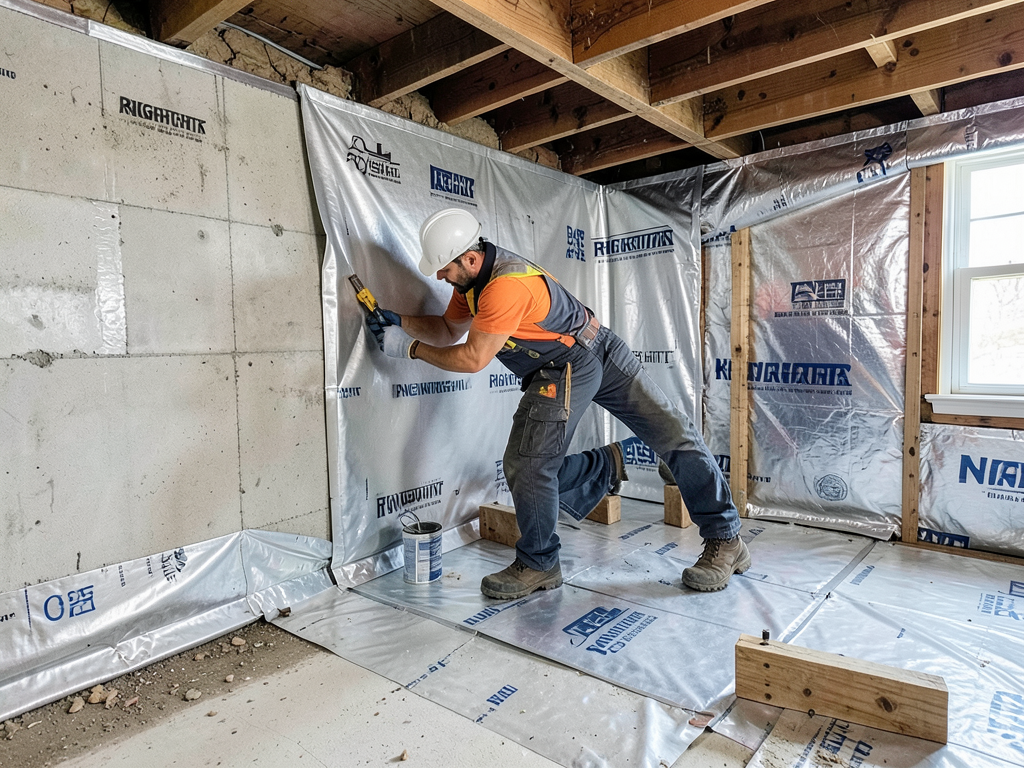
Modern crawl space encapsulation involves installing a heavy-duty 20-mil vapor barrier across the entire floor and up the foundation walls, sealing all vents, and adding a commercial-grade dehumidifier to maintain optimal humidity levels. This comprehensive approach creates a conditioned space that protects your home’s structural integrity while improving energy efficiency and indoor air quality. Commercial Water Damage Restoration for Downtown Richmond Businesses.
Richmond’s average annual rainfall of 44 inches, concentrated in the growing season, means your crawl space faces constant moisture pressure. When heavy rains saturate the clay soil around your foundation, hydrostatic pressure can force water through even tiny cracks. Encapsulation creates an impermeable barrier that prevents this water intrusion, protecting your home from the ground up. 24/7 Emergency Water Removal Services in Richmond VA.
The investment in crawl space encapsulation typically pays for itself through lower energy bills, prevented structural repairs, and increased home value. Homes with encapsulated crawl spaces often see 15-20 percent reductions in heating and cooling costs because the HVAC system doesn’t have to work as hard to condition air that’s constantly being pulled from a damp, unconditioned space below.
If you’re experiencing any signs of crawl space moisture problems, don’t wait for wood rot to compromise your home’s structure. Call (804) 602-2644 today to schedule a free crawl space inspection and moisture assessment. Our Richmond-based technicians understand the specific challenges our local climate creates and can recommend the right encapsulation solution for your home. Who to Call Right Now for a Flooded Basement in Short Pump.
Understanding Richmond’s Crawl Space Moisture Challenges
Richmond’s geographic location creates a perfect environment for crawl space moisture problems. The city sits on the Fall Line where the Piedmont meets the Coastal Plain, creating unique soil conditions that affect how water moves around your foundation. The heavy red clay soil common throughout the Richmond area has extremely low permeability, meaning water doesn’t drain away quickly after heavy rains.
During Richmond’s humid summers, when temperatures regularly climb above 90 degrees with humidity levels exceeding 85 percent, your crawl space becomes a breeding ground for mold, mildew, and wood-destroying organisms. The constant moisture exposure weakens wood fibers, causing them to soften and eventually rot. This process happens gradually over months or years, making it difficult to detect until significant damage has occurred.. Read more about Ways to Keep Your Lakeside Basement Dry During a Wet Virginia Spring.
The problem intensifies in older Richmond neighborhoods like The Fan, Church Hill, and Manchester where homes built before 1950 often have inadequate foundation drainage and ventilation. These historic homes weren’t designed with modern moisture control standards in mind, leaving them particularly vulnerable to the damaging effects of Richmond’s climate.
Recent studies by Virginia Tech’s Department of Building Construction show that homes in the Richmond metropolitan area experience crawl space moisture levels that exceed 70 percent relative humidity for more than 150 days per year. This prolonged exposure to high humidity creates ideal conditions for wood rot fungi to colonize and destroy structural components.
The James River’s proximity to many Richmond neighborhoods adds another layer of moisture risk. Areas near the river experience higher humidity levels and are more susceptible to flooding during heavy rain events or tropical storm remnants that occasionally push inland from the coast. Homes in low-lying areas near the river face increased hydrostatic pressure against their foundations.
Modern building science has identified the stack effect as a major contributor to indoor air quality problems. As warm air rises through your home, it creates negative pressure in the crawl space that pulls in damp, contaminated air from outside. This continuous air exchange means that moisture problems in your crawl space directly affect the air quality throughout your entire home.
According to the Environmental Protection Agency (EPA), indoor air can be two to five times more polluted than outdoor air, with crawl space contaminants being a significant contributor. The EPA recommends proper moisture control and ventilation as primary strategies for improving indoor air quality and preventing mold growth. Environmental Protection Agency.
Richmond’s building codes have evolved to address these moisture challenges. The Virginia Uniform Statewide Building Code (USBC) now requires specific moisture control measures for crawl spaces in new construction, including vapor barriers with minimum 6-mil thickness and proper drainage systems. However, many existing homes still operate with outdated moisture control systems that fail to protect against modern humidity levels.
The cost of ignoring crawl space moisture problems far exceeds the investment in proper encapsulation. Wood rot repair costs typically range from $2,000 to $15,000 depending on the extent of damage, while crawl space encapsulation costs between $5,000 and $15,000 for most Richmond homes. The encapsulation investment not only prevents these costly repairs but also improves your home’s energy efficiency and indoor air quality.
Call (804) 602-2644 to schedule your free crawl space moisture assessment. Our experienced technicians will evaluate your specific situation and provide recommendations tailored to Richmond’s unique climate challenges.
Top 10 Benefits of Crawl Space Encapsulation for Richmond Homeowners
Encapsulating your crawl space offers numerous benefits that extend far beyond simple moisture control. Here are the top ten reasons Richmond homeowners choose crawl space encapsulation as a long-term investment in their property’s health and value.
1. Improved Indoor Air Quality and Health Protection
Encapsulation creates a sealed environment that prevents mold spores, dust mites, and other allergens from entering your living space. The Environmental Protection Agency estimates that indoor air can be two to five times more polluted than outdoor air, with crawl space contaminants being a major contributor. By sealing off this source of pollution, you create a healthier living environment for your family.
Richmond’s humid climate makes mold growth particularly problematic. The warm, damp conditions in unencapsulated crawl spaces provide ideal breeding grounds for various mold species, some of which produce mycotoxins that can trigger respiratory problems, allergies, and other health issues. Encapsulation maintains humidity levels below 60 percent, creating conditions where mold cannot thrive.
Many Richmond homeowners report significant improvements in allergy symptoms and respiratory health after crawl space encapsulation. The reduction in airborne mold spores and dust mites can make a noticeable difference, especially for family members with asthma or other respiratory conditions.
2. Drastic Energy Savings on Heating and Cooling
Encapsulated crawl spaces can reduce your energy bills by 15 to 20 percent annually. The sealed environment prevents the stack effect from continuously pulling conditioned air from your living space, reducing the workload on your HVAC system. During Richmond’s hot, humid summers, this can mean substantial savings on air conditioning costs.
The U.S. Department of Energy reports that homes with encapsulated crawl spaces maintain more consistent temperatures throughout the year. This improved thermal performance means your heating and cooling systems don’t have to cycle as frequently, extending their lifespan and reducing maintenance costs. U.S. Department of Energy.
Richmond’s climate makes energy efficiency particularly important. With summer temperatures regularly exceeding 90 degrees and humidity levels above 80 percent, your HVAC system works overtime to maintain comfortable indoor conditions. Encapsulation helps it work smarter, not harder.
3. Structural Preservation and Wood Rot Prevention
Wood rot is the silent killer of crawl space structures. In Richmond’s humid climate, wood-destroying fungi can begin colonizing moist wood within 24 to 48 hours of exposure. Once established, these organisms break down the cellulose in wood, causing it to soften, crack, and eventually fail structurally.
Encapsulation maintains wood moisture content below 20 percent, the threshold where wood rot fungi cannot survive. This protection extends the life of your floor joists, support beams, and subflooring by decades, preventing the costly repairs that result from structural wood decay.
Richmond’s historic homes are particularly vulnerable to wood rot because many were built with untreated lumber and lack modern moisture barriers. Encapsulation provides these older structures with the protection they need to withstand another century of Richmond’s challenging climate.
4. Pest Deterrence and Termite Prevention
Damp crawl spaces attract a variety of pests, including termites, carpenter ants, rodents, and cockroaches. These unwanted visitors not only cause structural damage but also create health hazards through their droppings and potential disease transmission.
Termites are particularly problematic in Richmond, where the warm, humid climate allows subterranean termite colonies to thrive year-round. These insects cause billions of dollars in damage annually across Virginia, with Richmond being a high-risk area due to the favorable climate conditions.
Encapsulation eliminates the moisture that attracts these pests while creating physical barriers that prevent their entry. The sealed environment makes your crawl space far less appealing to wood-destroying insects and other pests that seek out damp, dark spaces.
5. Increased Home Value and Marketability
Real estate professionals report that homes with encapsulated crawl spaces often sell faster and at premium prices compared to similar homes without this feature. Buyers recognize the value of having a clean, dry crawl space that won’t cause future problems or require immediate investment.
Appraisers are increasingly factoring crawl space condition into home valuations, particularly in humid climates like Richmond’s. A well-maintained, encapsulated crawl space can add $5,000 to $15,000 to your home’s appraised value, depending on the size and quality of the encapsulation system.
Energy-efficient features like crawl space encapsulation are becoming standard expectations among homebuyers, especially younger buyers who prioritize sustainability and long-term cost savings. Having this feature can make your home more competitive in Richmond’s real estate market.
6. Extended HVAC System Lifespan
Your HVAC system works hardest when it has to condition air that’s constantly being replaced by damp, unconditioned air from your crawl space. This continuous cycling not only increases your energy bills but also accelerates wear and tear on your heating and cooling equipment.
Encapsulation reduces the workload on your HVAC system by up to 30 percent, potentially extending its operational life by several years. This means fewer repairs, lower maintenance costs, and delayed replacement expenses for your heating and cooling equipment.
Richmond’s climate puts particular stress on HVAC systems, with hot summers and occasional cold snaps in winter. The reduced cycling from crawl space encapsulation helps your system handle these climate extremes more effectively.
7. Improved Floor Comfort and Reduced Drafts
Many Richmond homeowners notice cold, uncomfortable floors during winter months, especially in homes with vented crawl spaces. This discomfort results from cold air circulating beneath your floors and the stack effect pulling that cold air upward into your living space.
Encapsulation creates a conditioned space beneath your floors, eliminating cold drafts and improving overall comfort. Your floors maintain more consistent temperatures year-round, making your home more comfortable without constantly adjusting your thermostat.
The improved comfort extends beyond just temperature. Encapsulated crawl spaces eliminate the musty odors and damp feeling that often permeate homes with moisture problems, creating a more pleasant living environment.
8. Protection Against Flooding and Water Damage
Richmond experiences occasional heavy rainfall events that can overwhelm drainage systems and cause crawl space flooding. While encapsulation cannot prevent all water intrusion, it includes features like sump pumps and drainage systems that actively remove water that does enter the space.
The heavy-duty vapor barrier used in encapsulation resists tearing and puncturing, providing a durable barrier against water intrusion. This protection is particularly valuable in Richmond’s low-lying areas where the water table can rise during wet seasons.
Many encapsulation systems include backup sump pumps with battery power, ensuring continued protection even during power outages that often accompany severe weather events in the Richmond area.. Read more about Choosing the Right Sump Pump Backup System for Your Midlothian Basement.
9. Compliance with Modern Building Standards
Building codes have evolved significantly over the past two decades, with modern standards requiring much more stringent moisture control measures for crawl spaces. Encapsulation brings your home into compliance with current building standards, which can be important for insurance purposes and future renovations.
The International Residential Code (IRC) now includes specific requirements for crawl space moisture control in humid climates. Encapsulation systems meet or exceed these requirements, providing documentation that your home complies with current building standards.
Insurance companies are increasingly aware of the risks associated with unencapsulated crawl spaces. Some insurers offer premium discounts for homes with proper moisture control systems, while others may require encapsulation before issuing or renewing policies.
10. Peace of Mind and Long-Term Protection
Perhaps the most valuable benefit of crawl space encapsulation is the peace of mind it provides. Knowing that your home’s foundation is protected from moisture damage, that your family is breathing cleaner air, and that you’re preventing costly repairs provides invaluable security.
Encapsulation typically comes with warranties of 20 years or more, ensuring that your investment is protected for the long term. This warranty coverage means that if any issues arise, you have professional support to address them without additional expense.
The comprehensive nature of encapsulation means you’re addressing multiple potential problems with a single solution. Rather than dealing with moisture issues, pest problems, energy inefficiency, and structural concerns separately, encapsulation provides an integrated approach to home protection.
Ready to protect your Richmond home with professional crawl space encapsulation? Call (804) 602-2644 today to schedule your free inspection and learn how we can help you avoid costly wood rot and moisture damage.
The Science of Crawl Space Moisture in Central Virginia
Understanding the science behind crawl space moisture helps explain why encapsulation is so effective in Richmond’s climate. The fundamental issue is the constant battle between water vapor and your home’s structural materials, a battle that Richmond’s climate makes particularly challenging.
Relative humidity is the key measurement for crawl space moisture. When relative humidity exceeds 70 percent, conditions become favorable for mold growth and wood rot. Richmond experiences relative humidity levels above 70 percent for more than half the year, with summer months often seeing levels above 85 percent.
The psychrometric properties of air explain why moisture problems persist even when it’s not raining. Warm air can hold more water vapor than cold air. When warm, humid outdoor air enters your cool crawl space through vents or cracks, the air cools and releases moisture through condensation. This process continues throughout the summer months, creating a constantly damp environment.
Hydrostatic pressure is another significant factor in Richmond crawl spaces. This is the pressure exerted by water in the soil surrounding your foundation. Richmond’s clay soil, which can hold up to 50 percent of its weight in water, creates substantial hydrostatic pressure against foundation walls. This pressure can force water through even tiny cracks or pores in concrete.
The stack effect, mentioned earlier, creates a continuous air exchange between your crawl space and living areas. As warm air rises through your home, it creates negative pressure in the crawl space that draws in replacement air from outside. This means that even if you condition your living space perfectly, your crawl space can still introduce moisture and contaminants.
Wood moisture content is the critical factor for structural damage. Wood begins to rot when its moisture content exceeds 20 percent for extended periods. Richmond’s climate makes it extremely difficult to maintain wood moisture content below this threshold without active moisture control measures.
The vapor pressure differential between your crawl space and the outdoors drives moisture movement through building materials. Water vapor naturally moves from areas of high vapor pressure to areas of low vapor pressure. In Richmond, this means moisture constantly tries to enter your crawl space from the surrounding soil and air.
Efflorescence, the white powdery substance that sometimes appears on crawl space walls, is a visible sign of moisture problems. This occurs when water moves through concrete, carrying dissolved salts that are left behind when the water evaporates. Efflorescence indicates that moisture is actively moving through your foundation walls.
Radon gas, a naturally occurring radioactive gas, can accumulate in crawl spaces and enter your home through the same pathways that allow moisture entry. While not directly related to moisture, radon mitigation often goes hand-in-hand with crawl space encapsulation, providing additional health benefits.
The thermal properties of building materials affect how moisture moves through your crawl space. Concrete, for example, is porous and allows water vapor to pass through it. This means that even with a vapor barrier on the floor, moisture can still enter through foundation walls if they’re not properly sealed.
Richmond’s soil composition plays a crucial role in crawl space moisture problems. The area’s heavy clay soil has extremely low permeability, meaning water doesn’t drain away quickly after rain. This creates a zone of constant moisture around your foundation that puts continuous pressure on your crawl space.
Seasonal variations in Richmond’s climate create different moisture challenges throughout the year. Summer brings high humidity and occasional heavy rains, while winter can bring freeze-thaw cycles that create new cracks in foundation walls. Spring and fall often see rapid temperature changes that can cause condensation problems.
The age of your home affects its vulnerability to moisture problems. Older Richmond homes, particularly those built before 1950, often lack the moisture barriers and ventilation systems that modern building codes require. These homes need more comprehensive moisture control solutions than newer construction.
Understanding these scientific principles helps explain why simple solutions like adding more vents or using thinner vapor barriers often fail to solve crawl space moisture problems. Effective moisture control requires addressing all the pathways through which water vapor can enter your crawl space.
Call (804) 602-2644 to speak with our moisture control specialists about the science behind crawl space encapsulation and how it can protect your Richmond home from the ground up.
Choosing the Right Encapsulation System for Your Richmond Home
Not all crawl space encapsulation systems are created equal, and choosing the right one for your Richmond home requires understanding the specific components and their functions. The quality of materials and installation techniques can significantly impact the system’s effectiveness and longevity.
The vapor barrier is the foundation of any encapsulation system. For Richmond’s climate, a minimum 20-mil thickness is recommended. This heavy-duty material resists tearing and puncturing better than thinner alternatives, providing long-term protection against moisture intrusion from the ground.
Sealing tape quality matters significantly. Professional-grade sealing tape creates airtight bonds between vapor barrier seams and around penetrations. Cheap tape can fail within months, compromising the entire system’s effectiveness. Look for butyl-based tapes specifically designed for crawl space applications.
Foundation wall treatment is crucial in Richmond’s climate. The vapor barrier should extend up the foundation walls and be sealed to the sill plate. This creates a continuous moisture barrier that prevents water vapor from entering through the walls, a common failure point in many encapsulation systems. Sump Pump Failure Cleanup and Repair in Bon Air.
Dehumidification is essential for Richmond homes. A properly sized commercial-grade dehumidifier maintains relative humidity below 60 percent year-round, preventing mold growth and wood rot. The unit should include automatic drainage to eliminate the need for manual water removal.
Sump pump systems provide active water removal in case of flooding or high water table conditions. Richmond’s occasional heavy rainfall events make sump pumps particularly important. Look for systems with battery backup to ensure protection during power outages.
Insulation choices affect both moisture control and energy efficiency. Closed-cell spray foam insulation provides excellent moisture resistance and thermal performance, making it ideal for Richmond’s climate. It also helps seal air leaks that could compromise the encapsulation system.
Ventilation strategies have evolved significantly. Modern building science shows that venting crawl spaces in humid climates actually increases moisture problems. Sealed crawl spaces with mechanical ventilation provide better moisture control than traditional vented designs.
Access points need special consideration. Any doors, hatches, or other access points must be properly sealed to maintain the encapsulated environment. This often requires custom solutions to ensure airtight seals while maintaining convenient access for maintenance.
Electrical considerations include proper GFCI protection for all crawl space electrical components and ensuring adequate circuit capacity for dehumidifiers and sump pumps. All electrical work should comply with National Electrical Code requirements for damp locations.
Material quality directly impacts system longevity. UV-resistant materials prevent degradation from any light exposure, while antimicrobial treatments help prevent mold growth on the vapor barrier itself. These features may cost more initially but provide better long-term performance.
Installation techniques significantly affect system performance. Proper sealing around piers, pipes, and other penetrations prevents moisture entry through these vulnerable points. Attention to detail during installation ensures the system performs as designed for its full expected lifespan.
Local building code compliance is essential. Richmond and surrounding counties have specific requirements for crawl space encapsulation, including minimum material specifications and ventilation standards. Professional installers should be familiar with these local requirements.
Warranty coverage varies significantly between providers. Look for comprehensive warranties that cover both materials and workmanship for at least 20 years. Be wary of systems with limited warranties or those that exclude common failure modes.
Cost considerations should include both initial investment and long-term value. While cheaper systems may seem attractive initially, they often fail prematurely, leading to additional costs for repairs or replacement. Quality systems provide better value over their full lifespan.
Professional assessment is crucial before choosing a system. Every crawl space has unique characteristics that affect the best encapsulation approach. Factors like soil type, foundation condition, and existing moisture problems all influence the optimal system design.
Energy efficiency features can enhance your system’s performance. Some advanced systems include smart controls that optimize dehumidifier operation based on actual conditions, further reducing energy consumption while maintaining ideal moisture levels.
Maintenance requirements vary by system design. Some systems require minimal maintenance beyond periodic filter changes, while others need more frequent attention. Understanding these requirements helps you choose a system that fits your lifestyle and maintenance preferences.
Environmental considerations include choosing materials with low environmental impact and systems that improve your home’s overall energy efficiency. Many modern encapsulation materials are recyclable and contribute to better indoor air quality.
Don’t risk your home’s structural integrity with an inferior encapsulation system. Call (804) 602-2644 today to schedule a professional assessment and get recommendations for the best encapsulation solution for your Richmond home.
Frequently Asked Questions
How much does crawl space encapsulation cost in Richmond?
The cost of crawl space encapsulation in Richmond typically ranges from $5,000 to $15,000, depending on the size of your crawl space, the condition of your foundation, and the specific components included in your system. While this may seem like a significant investment, it’s considerably less expensive than repairing structural damage caused by wood rot or dealing with mold remediation costs that can exceed $10,000.
How long does crawl space encapsulation take to install?
Most crawl space encapsulation projects in Richmond can be completed in 3 to 5 days, depending on the size and condition of your crawl space. The process includes removing any existing debris, repairing foundation issues, installing the vapor barrier and sealing system, adding dehumidification equipment, and conducting final testing to ensure proper operation.
Will encapsulation make my home more energy efficient?
Yes, crawl space encapsulation typically reduces heating and cooling costs by 15 to 20 percent in Richmond homes. By eliminating the stack effect and creating a conditioned space beneath your floors, your HVAC system doesn’t have to work as hard to maintain comfortable temperatures. Many homeowners see complete return on their investment through energy savings within 3 to 5 years.
Do I need a permit for crawl space encapsulation in Richmond?
Most localities in the Richmond area require permits for crawl space encapsulation work. The specific requirements vary by jurisdiction, but generally include permits for structural modifications, electrical work, and mechanical system changes. Professional encapsulation contractors typically handle the permitting process as part of their service.
Can I encapsulate my crawl space myself to save money?
While DIY encapsulation might seem cost-effective initially, professional installation is strongly recommended for Richmond homes. Proper encapsulation requires specialized knowledge of moisture control science, building codes, and installation techniques. Mistakes can lead to system failure, trapped moisture problems, or even structural damage that costs far more to repair than professional installation would have cost.
How do I know if my crawl space needs encapsulation?
Signs that your crawl space may need encapsulation include musty odors in your home, high humidity levels, visible mold growth, condensation on ductwork or pipes, sagging floors, or increased allergy symptoms among family members. If you’re unsure, a professional inspection can identify moisture problems before they cause significant damage.
What maintenance does an encapsulated crawl space require?
Encapsulated crawl spaces require minimal maintenance, typically including annual inspections, dehumidifier filter changes every 6 to 12 months, and occasional checks of sump pump operation. Most quality systems include long-term warranties that cover major components, providing additional peace of mind for Richmond homeowners.
Will encapsulation help with my allergy problems?
Many Richmond homeowners report significant improvement in allergy and respiratory symptoms after crawl space encapsulation. By eliminating mold growth and reducing dust mite populations in your crawl space, encapsulation removes major sources of indoor allergens. The improved indoor air quality can make a noticeable difference, especially during Richmond’s humid summer months when mold problems are most severe.
How does Richmond’s climate affect crawl space encapsulation needs?
Richmond’s humid subtropical climate makes crawl space encapsulation particularly important. The combination of high summer humidity, heavy clay soil, and occasional flooding creates conditions where moisture problems develop rapidly and persist throughout much of the year. Encapsulation systems designed for Richmond must be more robust than those used in drier climates to handle these challenging conditions.
What’s the difference between a vapor barrier and encapsulation?
A vapor barrier is just one component of a complete encapsulation system. While a vapor barrier (typically 6-mil plastic) only covers the ground, full encapsulation includes sealing foundation walls, sealing vents, installing dehumidification, adding drainage systems, and creating a conditioned space. In Richmond’s climate, full encapsulation provides significantly better moisture control than a simple vapor barrier.
Protecting Your Richmond Home from Wood Rot and Moisture Damage
Richmond’s unique climate and soil conditions create a constant battle against moisture in crawl spaces throughout the area. From the historic homes in Church Hill to the newer construction in Short Pump, every Richmond homeowner faces the same fundamental challenge: keeping moisture out of the space beneath their home.
The science is clear. When wood moisture content exceeds 20 percent for extended periods, wood-destroying fungi begin breaking down the structural components of your home. In Richmond’s humid climate, maintaining wood moisture content below this critical threshold requires active moisture control measures like crawl space encapsulation.
The investment in professional crawl space encapsulation pays dividends through prevented structural damage, improved energy efficiency, better indoor air quality, and increased home value. While the initial cost may seem significant, it’s far less expensive than dealing with the consequences of untreated moisture problems.
Richmond homeowners who have invested in crawl space encapsulation report benefits that extend far beyond moisture control. Lower energy bills, improved comfort, reduced allergy symptoms, and the peace of mind that comes from knowing their home is protected make encapsulation one of the smartest home improvement investments available.
Don’t wait until you discover wood rot or mold problems to take action. By then, the damage may be extensive and expensive to repair. Professional crawl space encapsulation prevents these problems before they start, protecting your home’s structure and your family’s health.
Richmond’s climate isn’t going to change, but your home’s ability to withstand moisture challenges can. Modern crawl space encapsulation technology provides the protection that older moisture control methods cannot deliver, especially in our area’s challenging environmental conditions.
The choice is clear. You can continue dealing with the symptoms of crawl space moisture problems, or you can address the root cause with professional encapsulation. The latter approach not only solves current issues but prevents future problems, making it the most cost-effective solution for Richmond homeowners.
Ready to protect your Richmond home from wood rot and moisture damage? Call (804) 602-2644 today to schedule your free crawl space inspection. Our experienced technicians understand the specific challenges that Richmond’s climate creates and can recommend the right encapsulation solution for your home.
Don’t let another humid Richmond summer compromise your home’s structure. Pick up the phone and call (804) 602-2644 before the next heavy rain finds its way into your crawl space. Your home deserves professional protection, and your family deserves the peace of mind that comes with a dry, healthy crawl space.
Remember, in Richmond’s climate, crawl space moisture isn’t just a possibility—it’s a certainty without proper protection. Make the smart choice today and invest in professional crawl space encapsulation that will protect your home for decades to come.
Call (804) 602-2644 now to schedule your free inspection and take the first step toward a healthier, more efficient home. Our team is ready to help you understand your options and choose the best solution for your specific situation.
Your Richmond home faces unique moisture challenges, but with professional crawl space encapsulation, you can overcome them. Don’t wait for problems to develop—be proactive about protecting your investment and your family’s health. Call (804) 602-2644 today and let us show you how easy it is to achieve a dry, healthy crawl space.
{
“@context”: “https://schema.org”,
“@type”: “BlogPosting”,
“headline”: “Does Your Richmond Crawl Space Need Encapsulation to Prevent Wood Rot?”,
“description”: “Discover how Richmond’s humid climate and clay soil make crawl spaces vulnerable to moisture, mold, and wood rot. Learn encapsulation benefits and get a free inspection.”,
“wordCount”: 5082,
“datePublished”: “2026-04-08T08:25:00.000Z”,
“dateModified”: “2026-04-08T08:25:00.000Z”,
“inLanguage”: “en-US”,
“mainEntityOfPage”: {
“@type”: “WebPage”,
“@id”: “https://horizonwaterdamagerestorationrichmond.com”
},
“publisher”: {
“@type”: “LocalBusiness”,
“name”: “Horizon Water Damage Restoration Richmond”,
“url”: “https://horizonwaterdamagerestorationrichmond.com”
},
“author”: {
“@type”: “Organization”,
“name”: “Horizon Water Damage Restoration Richmond”,
“url”: “https://horizonwaterdamagerestorationrichmond.com”
},
“image”: {
“@type”: “ImageObject”,
“url”: “https://horizonwaterdamagerestorationrichmond.com/wp-content/uploads/2026/03/does-your-richmond-crawl-space-need-encapsulation-1.png”
}
}
{
“@context”: “https://schema.org”,
“@type”: “LocalBusiness”,
“name”: “Horizon Water Damage Restoration Richmond”,
“url”: “https://horizonwaterdamagerestorationrichmond.com”,
“address”: {
“@type”: “PostalAddress”,
“addressLocality”: “Richmond”
},
“areaServed”: {
“@type”: “City”,
“name”: “Richmond”
}
}
{
“@context”: “https://schema.org”,
“@type”: “FAQPage”,
“mainEntity”: [
{
“@type”: “Question”,
“name”: “How much does crawl space encapsulation cost in Richmond?”,
“acceptedAnswer”: {
“@type”: “Answer”,
“text”: “The cost of crawl space encapsulation in Richmond typically ranges from $5,000 to $15,000, depending on the size of your crawl space, the condition of your foundation, and the specific components included in your system. While this may seem like a significant investment, it’s considerably less expensive than repairing structural damage caused by wood rot or dealing with mold remediation costs that can exceed $10,000.”
}
},
{
“@type”: “Question”,
“name”: “How long does crawl space encapsulation take to install?”,
“acceptedAnswer”: {
“@type”: “Answer”,
“text”: “Most crawl space encapsulation projects in Richmond can be completed in 3 to 5 days, depending on the size and condition of your crawl space. The process includes removing any existing debris, repairing foundation issues, installing the vapor barrier and sealing system, adding dehumidification equipment, and conducting final testing to ensure proper operation.”
}
},
{
“@type”: “Question”,
“name”: “Will encapsulation make my home more energy efficient?”,
“acceptedAnswer”: {
“@type”: “Answer”,
“text”: “Yes, crawl space encapsulation typically reduces heating and cooling costs by 15 to 20 percent in Richmond homes. By eliminating the stack effect and creating a conditioned space beneath your floors, your HVAC system doesn’t have to work as hard to maintain comfortable temperatures. Many homeowners see complete return on their investment through energy savings within 3 to 5 years.”
}
},
{
“@type”: “Question”,
“name”: “Do I need a permit for crawl space encapsulation in Richmond?”,
“acceptedAnswer”: {
“@type”: “Answer”,
“text”: “Most localities in the Richmond area require permits for crawl space encapsulation work. The specific requirements vary by jurisdiction, but generally include permits for structural modifications, electrical work, and mechanical system changes. Professional encapsulation contractors typically handle the permitting process as part of their service.”
}
},
{
“@type”: “Question”,
“name”: “Can I encapsulate my crawl space myself to save money?”,
“acceptedAnswer”: {
“@type”: “Answer”,
“text”: “While DIY encapsulation might seem cost-effective initially, professional installation is strongly recommended for Richmond homes. Proper encapsulation requires specialized knowledge of moisture control science, building codes, and installation techniques. Mistakes can lead to system failure, trapped moisture problems, or even structural damage that costs far more to repair than professional installation would have cost.”
}
},
{
“@type”: “Question”,
“name”: “How do I know if my crawl space needs encapsulation?”,
“acceptedAnswer”: {
“@type”: “Answer”,
“text”: “Signs that your crawl space may need encapsulation include musty odors in your home, high humidity levels, visible mold growth, condensation on ductwork or pipes, sagging floors, or increased allergy symptoms among family members. If you’re unsure, a professional inspection can identify moisture problems before they cause significant damage.”
}
},
{
“@type”: “Question”,
“name”: “What maintenance does an encapsulated crawl space require?”,
“acceptedAnswer”: {
“@type”: “Answer”,
“text”: “Encapsulated crawl spaces require minimal maintenance, typically including annual inspections, dehumidifier filter changes every 6 to 12 months, and occasional checks of sump pump operation. Most quality systems include long-term warranties that cover major components, providing additional peace of mind for Richmond homeowners.”
}
},
{
“@type”: “Question”,
“name”: “Will encapsulation help with my allergy problems?”,
“acceptedAnswer”: {
“@type”: “Answer”,
“text”: “Many Richmond homeowners report significant improvement in allergy and respiratory symptoms after crawl space encapsulation. By eliminating mold growth and reducing dust mite populations in your crawl space, encapsulation removes major sources of indoor allergens. The improved indoor air quality can make a noticeable difference, especially during Richmond’s humid summer months when mold problems are most severe.”
}
},
{
“@type”: “Question”,
“name”: “How does Richmond’s climate affect crawl space encapsulation needs?”,
“acceptedAnswer”: {
“@type”: “Answer”,
“text”: “Richmond’s humid subtropical climate makes crawl space encapsulation particularly important. The combination of high summer humidity, heavy clay soil, and occasional flooding creates conditions where moisture problems develop rapidly and persist throughout much of the year. Encapsulation systems designed for Richmond must be more robust than those used in drier climates to handle these challenging conditions.”
}
},
{
“@type”: “Question”,
“name”: “What’s the difference between a vapor barrier and encapsulation?”,
“acceptedAnswer”: {
“@type”: “Answer”,
“text”: “A vapor barrier is just one component of a complete encapsulation system. While a vapor barrier (typically 6-mil plastic) only covers the ground, full encapsulation includes sealing foundation walls, sealing vents, installing dehumidification, adding drainage systems, and creating a conditioned space. In Richmond’s climate, full encapsulation provides significantly better moisture control than a simple vapor barrier.”
}
}
]
}
{
“@context”: “https://schema.org”,
“@type”: “BreadcrumbList”,
“itemListElement”: [
{
“@type”: “ListItem”,
“position”: 1,
“name”: “Home”,
“item”: “https://horizonwaterdamagerestorationrichmond.com”
},
{
“@type”: “ListItem”,
“position”: 2,
“name”: “Blog”,
“item”: “https://horizonwaterdamagerestorationrichmond.com/blog”
},
{
“@type”: “ListItem”,
“position”: 3,
“name”: “Does Your Richmond Crawl Space Need Encapsulation to Prevent Wood Rot?”
}
]
}
{
“@context”: “https://schema.org”,
“@type”: “Service”,
“serviceType”: “Water Damage Restoration”,
“provider”: {
“@type”: “LocalBusiness”,
“name”: “Horizon Water Damage Restoration Richmond”,
“url”: “https://horizonwaterdamagerestorationrichmond.com”
},
“areaServed”: {
“@type”: “City”,
“name”: “Richmond”
},
“description”: “Discover how Richmond’s humid climate and clay soil make crawl spaces vulnerable to moisture, mold, and wood rot. Learn encapsulation benefits and get a free inspection.”
}