
Does Your Yard in Forest Hill Need a French Drain to Stop Basement Seepage?
Your basement walls are damp. The floor shows water stains after every heavy rain. You smell that musty odor that means mold is growing somewhere. If you live in Forest Hill, you are dealing with one of Richmond’s most common water problems. The combination of Virginia’s red clay soil and the area’s rolling hills creates perfect conditions for basement seepage. EPA Mold Information.
Water moves through soil by following the path of least resistance. In Forest Hill, that path often leads straight to your foundation. When the ground becomes saturated during a storm, hydrostatic pressure builds against your basement walls. Water finds its way through the smallest cracks or pores in concrete. Once inside, it damages walls, floors, and everything stored in your basement. How to Get Rapid Water Extraction in the Museum District.
The good news is that basement seepage is fixable. The solution depends on your specific situation. Some homeowners need interior waterproofing systems. Others need exterior drainage improvements. Many Forest Hill properties benefit from French drain systems that redirect water before it reaches your foundation. 24/7 Emergency Water Removal Services in Richmond VA.
Before you decide on a solution, you need to understand what causes basement seepage in Richmond and how to identify the signs that your property needs help.
Why Forest Hill Basements Are Vulnerable to Seepage
Forest Hill sits on the eastern edge of Richmond’s fall line, where the Piedmont meets the coastal plain. This creates unique drainage challenges. The area’s elevation changes mean water flows downhill toward lower areas. Your home might be on a slope that directs water toward your foundation. Commercial Water Damage Restoration for Downtown Richmond Businesses.
Virginia’s red clay soil makes the problem worse. Clay particles are tiny and pack tightly together. When clay gets wet, it expands. When it dries, it contracts. This constant movement creates stress on foundation walls. Clay also drains poorly compared to sandy or loamy soils. Water sits in clay soil longer, increasing hydrostatic pressure against your basement. Virginia Uniform Statewide Building Code.
Richmond’s climate adds another layer of risk. The area receives about 44 inches of rain annually, spread across the year. Summer thunderstorms can drop several inches in a few hours. Hurricane remnants occasionally bring tropical downpours. When heavy rain hits already saturated clay soil, water has nowhere to go but toward your foundation.
Older homes in Forest Hill often have additional vulnerabilities. Many were built before modern building codes required proper drainage systems. Their foundations might have developed cracks over decades of soil movement. Some have poor grading that directs water toward the house instead of away from it.
Warning signs that your Forest Hill basement has seepage problems:
- Water stains on basement walls or floors
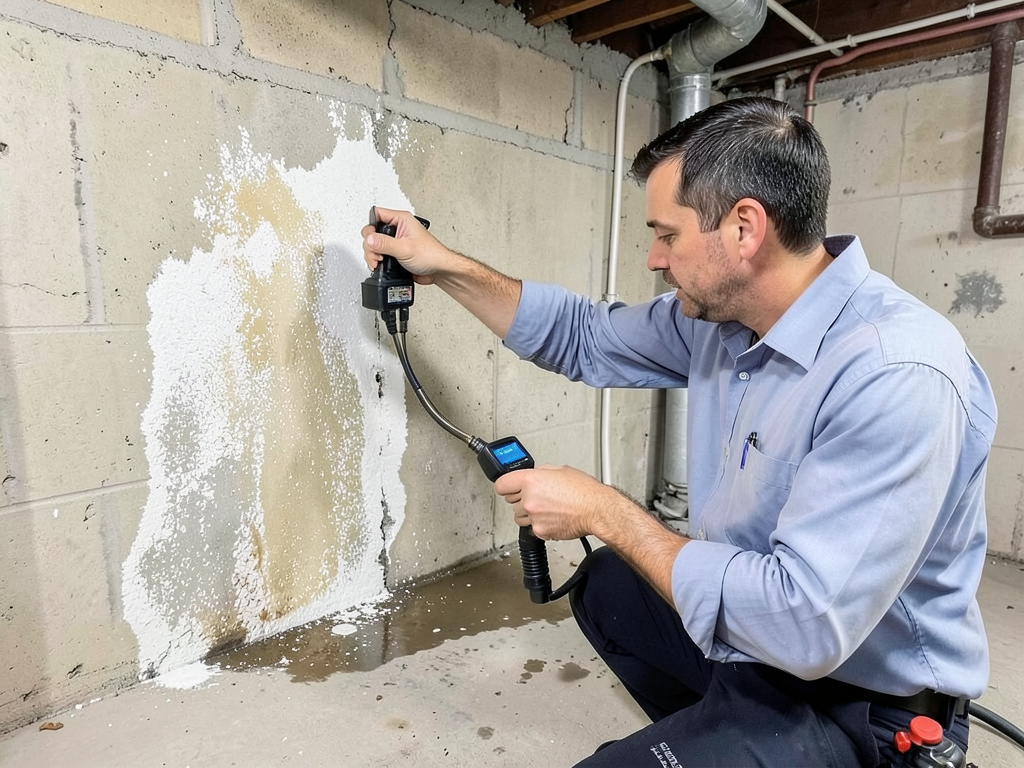
- Efflorescence (white powdery deposits) on concrete walls
- Musty odors that persist even when the basement is dry
- Visible mold growth on walls or stored items
- Peeling paint or wallpaper in finished basements
- Wet spots that appear after heavy rain
- Foundation cracks that seem to grow over time
Interior vs. Exterior Waterproofing: What Works Best
Waterproofing solutions fall into two categories: interior systems that manage water after it enters, and exterior systems that prevent water from reaching your foundation. Both approaches work, but they serve different purposes.
Interior waterproofing is like putting a bucket under a leaky roof. It catches water that gets through but does not stop the leak. Interior systems include sump pumps, interior French drains, and vapor barriers. These solutions are less expensive and cause less disruption to your yard. However, they do not address the root cause of water pressure against your foundation.
Exterior waterproofing stops water before it reaches your basement. This approach involves excavating around your foundation, applying waterproof coatings, and installing drainage systems. Exterior solutions are more expensive and require digging up your yard. But they provide the most complete protection by eliminating hydrostatic pressure against your foundation walls.
Most Forest Hill homes benefit from a combination approach. An exterior French drain system can redirect surface water away from your foundation. Interior systems like sump pumps provide backup protection if any water gets through. The right combination depends on your home’s specific vulnerabilities. Who to Call Right Now for a Flooded Basement in Short Pump.
Interior waterproofing options:
- Sump pump installation with battery backup
- Interior French drain systems
- Vapor barriers and wall coatings
- Floor crack repair with epoxy or polyurethane
Exterior waterproofing options:
- French drain installation around foundation perimeter
- Foundation waterproofing coatings
- Grading improvements to direct water away
- Gutter and downspout extensions
How French Drain Systems Stop Basement Seepage
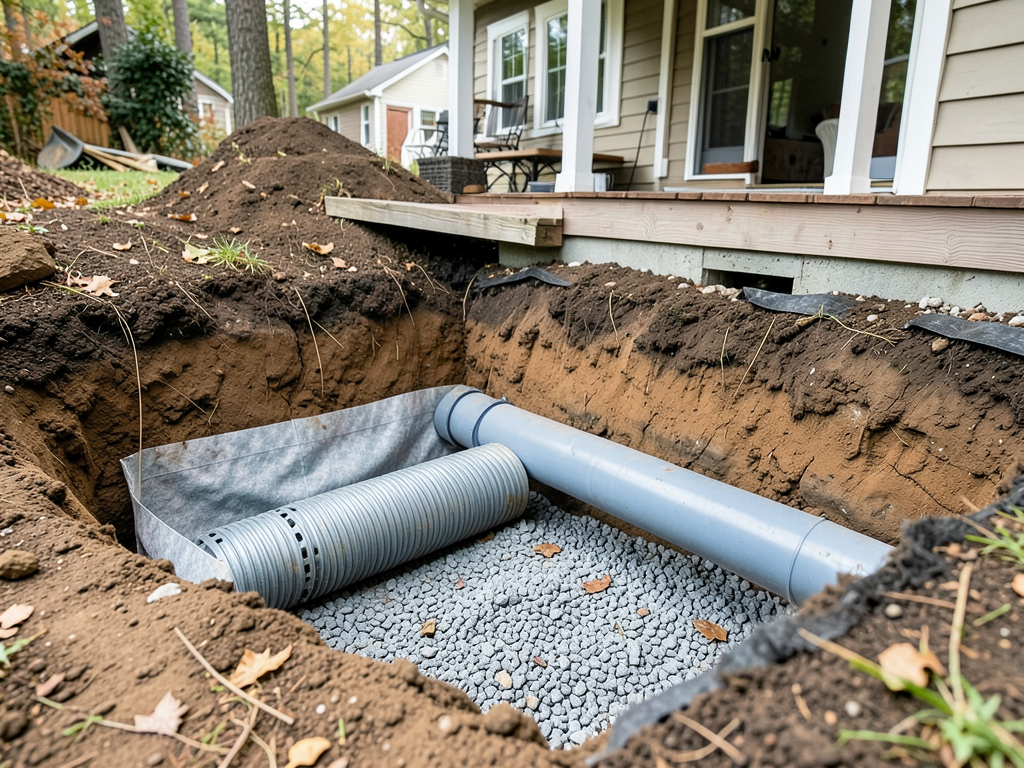
A French drain is a trench filled with gravel and a perforated pipe that collects and redirects water. The system works by providing a path of least resistance for groundwater. Instead of pressing against your foundation, water flows into the drain and gets carried away from your home.
French drains are particularly effective in Forest Hill because they address the specific problems created by clay soil and elevation changes. The gravel in the drain provides a space where water can collect without building pressure. The perforated pipe carries water to a safe discharge point, such as a storm drain or a lower area of your property.
Installation involves digging a trench around your foundation, typically 18 to 24 inches deep and 12 to 18 inches wide. The trench slopes slightly toward the discharge point. A layer of gravel goes in first, then the perforated pipe, then more gravel on top. Some systems include a filter fabric to prevent soil from clogging the drain.
The effectiveness of a French drain depends on proper design and installation. The trench must have the correct slope for gravity to move water. The pipe must be the right size to handle expected water volume. The discharge point must be far enough from your foundation to prevent water from flowing back.
French drain design considerations for Forest Hill:
- Trench depth based on water table levels
- Pipe diameter to handle heavy rain events
- Discharge location that complies with local codes
- Filter fabric to prevent clay soil clogging
- Cleanout access points for maintenance
Foundation Crack Repair: When to Use Epoxy vs. Polyurethane
Not all foundation cracks are the same. Some are structural and need immediate attention. Others are just the result of normal concrete curing and pose no risk. Understanding the difference helps you make the right repair decisions.
Hairline cracks less than 1/8 inch wide are usually not structural. They often appear in new concrete as it cures and shrinks. These cracks can still let water in, so sealing them prevents seepage. For these small cracks, epoxy injection works well. Epoxy creates a strong, permanent bond that restores the wall’s structural integrity.
Wider cracks or those that show signs of movement need different treatment. If you can insert a quarter into the crack, it is probably too wide for epoxy. These cracks may indicate foundation movement or settling. Polyurethane injection works better here because the material expands to fill the entire crack volume. Polyurethane also remains flexible, allowing for slight movement without breaking the seal.
Active cracks that are still moving require stabilization before sealing. This might involve installing carbon fiber strips or steel braces. Once stabilized, you can seal the crack with either epoxy or polyurethane, depending on the width and movement pattern.
Diagnostic test for foundation cracks:
- Clean the crack thoroughly with a wire brush
- Insert a business card into the crack
- If the card slides in easily and you can see light through the crack, it needs sealing
- Check for signs of recent movement by marking the crack edges and measuring weekly
- If measurements change, the crack is active and needs stabilization first
Richmond Building Codes and Permit Requirements
Waterproofing and drainage work in Richmond must comply with the Virginia Uniform Statewide Building Code. The code requires permits for most foundation work, including French drain installation and major waterproofing projects. Permit requirements ensure work meets safety standards and does not create problems for neighboring properties.
For exterior drainage systems, the code requires proper discharge planning. You cannot simply divert water onto a neighbor’s property or into a public right-of-way without permission. Stormwater management regulations may require you to keep water on your property through infiltration or retention systems.
Foundation waterproofing must meet specific standards for materials and installation. Waterproof coatings must have appropriate permeability ratings. Drainage systems must be designed to handle expected water volumes based on local rainfall patterns. Sump pumps must be properly sized and installed with appropriate discharge piping.
Forest Hill’s location near the James River means some properties fall under special flood zone regulations. If your home is in a flood zone, additional requirements may apply. These might include elevation requirements, flood vents, or specific construction methods to minimize flood damage.
Permit requirements summary:
- Building permit for foundation work and major waterproofing
- Stormwater management approval for drainage changes
- Electrical permit for sump pump installations
- Inspection required at multiple project stages
- Compliance with Virginia USBC regulations
- Inspect foundation walls quarterly for new cracks
- Clean gutters and downspouts twice yearly
- Test sump pump operation before rainy season
- Check grading around foundation annually
- Look for signs of moisture after heavy storms
- Active foundation cracks that are growing
- Basement flooding during every heavy rain
- Large areas of mold growth
- Water entering from multiple locations
- Structural concerns like bowing walls
Preventing Future Seepage Problems
Even the best waterproofing system needs maintenance and support from good property management practices. Simple changes to your yard and home maintenance routine can significantly reduce basement seepage risk.
Grading is your first line of defense. The ground around your foundation should slope away at a rate of at least 6 inches of drop over the first 10 feet. This directs surface water away from your foundation. Many older Forest Hill homes have settled over time, creating negative slopes that direct water toward the house.
Gutter and downspout maintenance prevents roof water from overwhelming your foundation drainage. Clean gutters at least twice yearly, more often if you have trees nearby. Ensure downspouts extend at least 6 feet from your foundation. Consider underground downspout extensions to carry water even farther away.
Landscaping choices affect basement moisture. Large trees near your foundation can cause problems through root growth and water uptake. Some trees, like willows and poplars, have invasive roots that can damage foundation walls. Keep trees at least 20 feet from your foundation, more for larger species.
Regular inspection helps catch problems early. Check your basement walls and floors after heavy rain. Look for new cracks or signs of moisture. Test your sump pump annually by pouring water into the pit to ensure it activates properly. Replace sump pump batteries every 2-3 years.
Maintenance checklist:
Cost Factors for Basement Waterproofing in Forest Hill
Waterproofing costs vary widely based on the scope of work and your home’s specific needs. Interior systems are generally less expensive than exterior solutions. However, the cheapest option is not always the most cost-effective long-term solution.
French drain installation typically costs between $3,000 and $8,000 for an average Forest Hill home. The price depends on trench length, depth, and whether you need to remove existing landscaping or hardscaping. Exterior systems cost more because they require excavation and often involve restoring your yard afterward.
Sump pump installation ranges from $1,000 to $3,000, including the pump, basin, and discharge piping. Battery backup systems add $500 to $800. High-quality submersible pumps with features like water level sensors cost more upfront but last longer and perform better.
Foundation crack repair costs depend on crack size and repair method. Simple epoxy injection for small cracks might cost $300 to $600. Polyurethane injection for wider cracks runs $500 to $1,000. Structural repairs with carbon fiber reinforcement can cost $2,000 to $5,000.
Keep in mind that addressing seepage problems early prevents much more expensive damage later. Mold remediation, structural repairs, and replacing damaged belongings can cost far more than preventive waterproofing.
When to Call a Professional
Some basement seepage issues are DIY-friendly. Cleaning gutters, extending downspouts, and sealing small cracks are tasks most homeowners can handle. But certain signs indicate you need professional help.
Multiple active cracks that are growing larger suggest foundation movement. This requires professional assessment to determine the cause and appropriate repair method. Water entering through numerous points or in large volumes overwhelms DIY solutions. If your basement floods during every heavy rain, you need a comprehensive system.
Mold growth covering large areas requires professional remediation. Disturbing mold without proper containment can spread spores throughout your home. If you smell strong musty odors but cannot find the source, professional moisture detection equipment may be necessary.
Permit requirements and building code compliance make some projects challenging for DIYers. French drain installation, foundation waterproofing, and sump pump systems often require permits and inspections. Professional contractors understand these requirements and ensure work meets code.
Professional assessment provides peace of mind and prevents costly mistakes. A qualified inspector can identify the true source of your seepage problem and recommend the most effective solution. They can also spot potential issues before they become major problems.
Call for professional help if you notice:
Frequently Asked Questions
How do I know if my basement seepage is from surface water or groundwater?
Surface water problems usually appear quickly during or right after rain and affect specific areas near where water enters. Groundwater issues develop more slowly, affect larger areas, and may worsen over days after rain stops. A professional moisture test can determine the water source.
Will a French drain completely eliminate basement seepage?
A properly designed French drain system significantly reduces basement seepage by redirecting water away from your foundation. However, no system is 100% foolproof. Extreme weather events or system failures can still allow some water entry. Most homeowners find that French drains reduce seepage by 90% or more. Sump Pump Failure Cleanup and Repair in Bon Air.
How long does French drain installation take?
Most residential French drain installations take 2-4 days. The process includes excavation, pipe installation, backfilling, and site restoration. Weather conditions and site accessibility can affect the timeline. Professional crews work efficiently to minimize disruption to your property.
Can I install a French drain myself?
While DIY installation is possible, professional installation ensures proper slope, pipe sizing, and code compliance. Mistakes in trench depth, slope, or pipe placement can render the system ineffective. Professional installation typically includes warranty protection and ensures the system meets local building codes.
How much does it cost to waterproof a basement in Richmond?
Basement waterproofing costs in Richmond range from $3,000 to $15,000 depending on the scope of work. Simple interior solutions cost less, while comprehensive exterior systems with French drains cost more. Most homeowners spend $5,000 to $8,000 for effective basement waterproofing.
Take Action Before the Next Storm
Basement seepage does not fix itself. Every rain that enters your basement causes more damage to your foundation, walls, and belongings. Mold growth accelerates with each moisture event. What starts as a small problem becomes a major expense if ignored.
Forest Hill’s combination of clay soil, rolling terrain, and heavy rainfall creates perfect conditions for basement seepage. But you do not have to accept wet basements as inevitable. Modern waterproofing solutions can keep your basement dry through even the heaviest storms.
The first step is understanding your specific situation. Is water entering through cracks? Is hydrostatic pressure forcing water through porous concrete? Are surface drainage problems directing water toward your foundation? A professional inspection answers these questions and provides a clear path forward.
Call (804) 602-2644 today to schedule your basement inspection. Our experienced technicians will identify the source of your seepage problem and recommend the most effective solution for your Forest Hill home. Do not wait for the next storm to cause more damage. Take control of your basement moisture problem now.
Pick up the phone and call (804) 602-2644 before the next heavy rain hits. Your dry basement is just one call away.
{
“@context”: “https://schema.org”,
“@type”: “BlogPosting”,
“headline”: “Does Your Yard in Forest Hill Need a French Drain to Stop Basement Seepage?”,
“description”: “Is your Forest Hill basement getting damp after every rain? Learn how Virginia red clay soil and heavy storms cause seepage and when a French drain system is the right fix.”,
“wordCount”: 2674,
“datePublished”: “2026-06-01T07:42:00.000Z”,
“dateModified”: “2026-06-01T07:42:00.000Z”,
“inLanguage”: “en-US”,
“mainEntityOfPage”: {
“@type”: “WebPage”,
“@id”: “https://horizonwaterdamagerestorationrichmond.com”
},
“publisher”: {
“@type”: “LocalBusiness”,
“name”: “Horizon Water Damage Restoration Richmond”,
“url”: “https://horizonwaterdamagerestorationrichmond.com”
},
“author”: {
“@type”: “Organization”,
“name”: “Horizon Water Damage Restoration Richmond”,
“url”: “https://horizonwaterdamagerestorationrichmond.com”
},
“image”: {
“@type”: “ImageObject”,
“url”: “https://horizonwaterdamagerestorationrichmond.com/wp-content/uploads/2026/03/does-your-yard-in-forest-hill-need-a-french-drain-1.png”
}
}
{
“@context”: “https://schema.org”,
“@type”: “LocalBusiness”,
“name”: “Horizon Water Damage Restoration Richmond”,
“url”: “https://horizonwaterdamagerestorationrichmond.com”,
“address”: {
“@type”: “PostalAddress”,
“addressLocality”: “Richmond”
},
“areaServed”: {
“@type”: “City”,
“name”: “Richmond”
}
}
{
“@context”: “https://schema.org”,
“@type”: “FAQPage”,
“mainEntity”: [
{
“@type”: “Question”,
“name”: “How do I know if my basement seepage is from surface water or groundwater?”,
“acceptedAnswer”: {
“@type”: “Answer”,
“text”: “Surface water problems usually appear quickly during or right after rain and affect specific areas near where water enters. Groundwater issues develop more slowly, affect larger areas, and may worsen over days after rain stops. A professional moisture test can determine the water source.”
}
},
{
“@type”: “Question”,
“name”: “Will a French drain completely eliminate basement seepage?”,
“acceptedAnswer”: {
“@type”: “Answer”,
“text”: “A properly designed French drain system significantly reduces basement seepage by redirecting water away from your foundation. However, no system is 100% foolproof. Extreme weather events or system failures can still allow some water entry. Most homeowners find that French drains reduce seepage by 90% or more. Sump Pump Failure Cleanup and Repair in Bon Air.”
}
},
{
“@type”: “Question”,
“name”: “How long does French drain installation take?”,
“acceptedAnswer”: {
“@type”: “Answer”,
“text”: “Most residential French drain installations take 2-4 days. The process includes excavation, pipe installation, backfilling, and site restoration. Weather conditions and site accessibility can affect the timeline. Professional crews work efficiently to minimize disruption to your property.”
}
},
{
“@type”: “Question”,
“name”: “Can I install a French drain myself?”,
“acceptedAnswer”: {
“@type”: “Answer”,
“text”: “While DIY installation is possible, professional installation ensures proper slope, pipe sizing, and code compliance. Mistakes in trench depth, slope, or pipe placement can render the system ineffective. Professional installation typically includes warranty protection and ensures the system meets local building codes.”
}
},
{
“@type”: “Question”,
“name”: “How much does it cost to waterproof a basement in Richmond?”,
“acceptedAnswer”: {
“@type”: “Answer”,
“text”: “Basement waterproofing costs in Richmond range from $3,000 to $15,000 depending on the scope of work. Simple interior solutions cost less, while comprehensive exterior systems with French drains cost more. Most homeowners spend $5,000 to $8,000 for effective basement waterproofing.”
}
}
]
}
{
“@context”: “https://schema.org”,
“@type”: “BreadcrumbList”,
“itemListElement”: [
{
“@type”: “ListItem”,
“position”: 1,
“name”: “Home”,
“item”: “https://horizonwaterdamagerestorationrichmond.com”
},
{
“@type”: “ListItem”,
“position”: 2,
“name”: “Blog”,
“item”: “https://horizonwaterdamagerestorationrichmond.com/blog”
},
{
“@type”: “ListItem”,
“position”: 3,
“name”: “Does Your Yard in Forest Hill Need a French Drain to Stop Basement Seepage?”
}
]
}
{
“@context”: “https://schema.org”,
“@type”: “Service”,
“serviceType”: “Water Damage Restoration”,
“provider”: {
“@type”: “LocalBusiness”,
“name”: “Horizon Water Damage Restoration Richmond”,
“url”: “https://horizonwaterdamagerestorationrichmond.com”
},
“areaServed”: {
“@type”: “City”,
“name”: “Richmond”
},
“description”: “Is your Forest Hill basement getting damp after every rain? Learn how Virginia red clay soil and heavy storms cause seepage and when a French drain system is the right fix.”
}