Everything You Should Know About Wet Attic Insulation and When to Toss It
When water invades your attic, the insulation becomes a hidden problem that can cause serious structural damage if not addressed quickly. In Richmond’s humid climate, wet attic insulation creates the perfect conditions for mold growth, wood rot, and significant energy efficiency losses. The question isn’t just whether your insulation is wet, but whether it can be saved or needs complete replacement. How to Get Rapid Water Extraction in the Museum District.
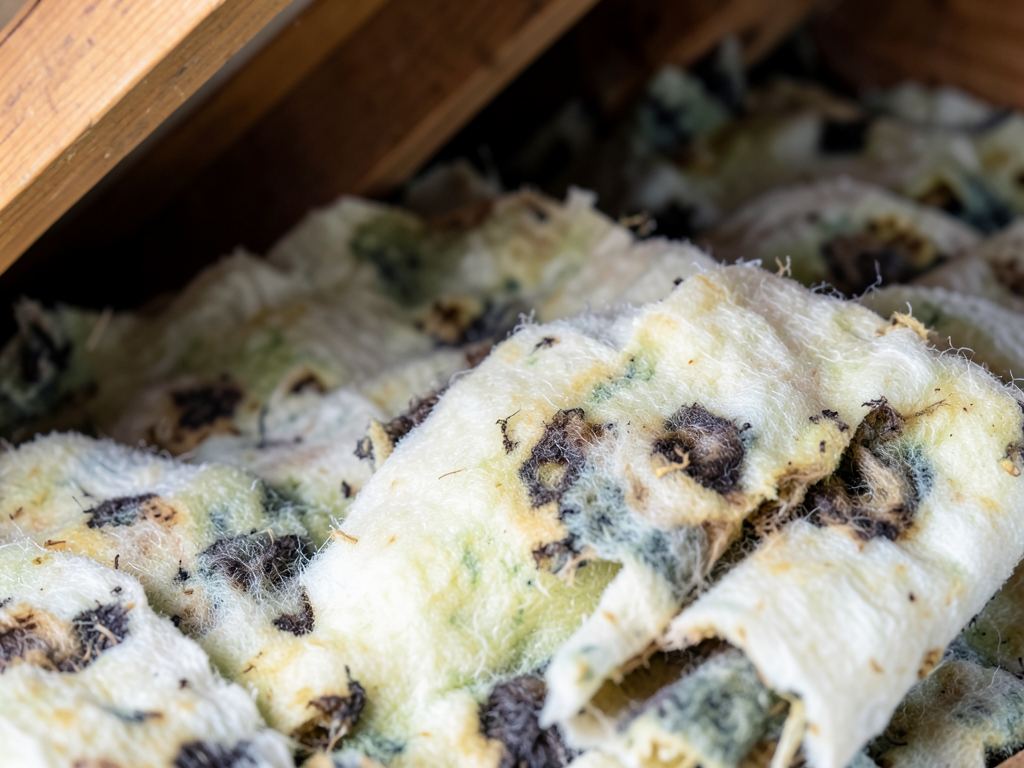
Wet insulation loses its ability to resist heat flow, with R-value dropping by up to 40% when moisture content reaches just 5%. This means your HVAC system works harder, your energy bills climb, and your home becomes less comfortable. More importantly, trapped moisture in your attic creates a breeding ground for black mold within 48 hours in Richmond’s warm, humid conditions.
Understanding Your Attic’s Vulnerability
Richmond homes face unique challenges due to our climate and building patterns. The combination of heavy summer thunderstorms, occasional hurricane remnants, and winter ice dams creates multiple pathways for water intrusion. Many homes in areas like The Fan District and Church Hill were built before modern building codes required proper vapor barriers, making them particularly susceptible to moisture problems. 24/7 Emergency Water Removal Services in Richmond VA.
The red clay soil common throughout Henrico County and surrounding areas contributes to poor drainage, which can lead to foundation issues that manifest as roof problems. When water finds its way through compromised roofing materials, it travels down through your attic space, saturating insulation before you even notice ceiling stains. Commercial Water Damage Restoration for Downtown Richmond Businesses.
How to Identify Wet Attic Insulation
Detecting wet insulation requires more than just looking for visible water. The first sign is often a musty odor that becomes noticeable when you enter the attic space. This smell indicates microbial growth has already begun. You might also notice localized humidity increases in rooms directly below affected areas, or see ceiling stains that appear darker when humidity rises.. Read more about Fixing Water Damage Caused by a Clogged AC Condensate Line.
Professional moisture meters are essential for accurate diagnosis. A trained technician will take readings at multiple depths within the insulation material. Fiberglass batts should read below 15% moisture content to be considered dry. Cellulose insulation, which acts like a sponge, often reads much higher and requires more aggressive drying or removal.
Infrared thermal imaging cameras reveal temperature variations that indicate moisture presence. Wet areas appear cooler than surrounding dry materials because evaporation cools the surface. This technology allows us to map the extent of water damage without destructive testing.
Material-Specific Response Requirements
Different insulation materials react to water exposure in distinct ways, requiring specific restoration approaches. Understanding these differences helps determine whether salvage is possible.
- Fiberglass Batts
Open-cell fiberglass can sometimes be saved if water exposure was minimal and from clean sources. The material must be completely dried within 24-48 hours using commercial dehumidifiers and air movers. However, if the water contained contaminants or the insulation has compressed, replacement becomes necessary.
- Blown-In Cellulose
This material acts like a sponge, absorbing water throughout its depth. Once wet, cellulose loses its fire-resistant properties and becomes a breeding ground for mold. In nearly all cases, wet cellulose requires complete removal and replacement. The material cannot be effectively dried in place.
- Spray Foam Insulation
Closed-cell spray foam resists water penetration due to its dense structure. While the surface may get wet, the material typically maintains its integrity. However, if water gets behind the foam and affects the substrate, the underlying structure may still require attention.
The Richmond Factor: Climate and Building Considerations
Richmond’s humid subtropical climate creates conditions where attic moisture problems escalate rapidly. Summer humidity levels often exceed 70%, providing ample moisture for mold growth. When warm, moist air from your living space rises into a cooler attic, condensation forms on rafters and insulation, creating ongoing moisture issues.
Many Richmond homes, particularly in historic districts, feature complex rooflines with multiple valleys and dormers. These architectural details create numerous potential leak points where flashing can fail. The area’s occasional severe weather, including summer thunderstorms that dump several inches of rain in hours, tests even well-maintained roofing systems.
Ice damming presents another regional concern. When snow melts on warmer roof sections and refreezes at colder eaves, it creates barriers that force water under shingles. This water then travels into the attic, saturating insulation from above. Homes in areas like Short Pump and Glen Allen with minimal attic ventilation are particularly vulnerable to this cycle.
Structural Drying and Restoration Process
Professional restoration goes beyond simply removing wet insulation. The entire attic structure requires assessment and treatment to prevent ongoing problems. The process follows industry standards established by the IICRC S500 for water damage restoration.
First, we establish containment to prevent cross-contamination. This involves sealing off the affected area with plastic sheeting and creating negative air pressure using HEPA-filtered air scrubbers. All technicians wear appropriate personal protective equipment including respirators, gloves, and Tyvek suits. EPA mold information.
Moisture mapping identifies all affected areas using thermal imaging and moisture meters. We then remove compromised materials, typically starting with the wettest sections and working outward. High-powered insulation vacuums with HEPA filtration extract loose-fill materials, while batt insulation is bagged for disposal.
After removal, the attic deck, rafters, and any remaining structural elements undergo antimicrobial treatment. Commercial-grade dehumidifiers and air movers run continuously for several days to ensure complete drying. We monitor moisture content daily, documenting progress until materials reach acceptable dryness levels.
Before re-insulation, we address any ventilation issues that contributed to the problem. This might include adding soffit vents, ridge vents, or improving existing ventilation to meet current Virginia building code requirements for attic ventilation ratios.
Building Code Compliance and Energy Efficiency
Virginia’s Uniform Statewide Building Code (USBC) establishes minimum insulation requirements that must be met during restoration. Current standards require R-38 to R-60 insulation in attics, depending on the specific climate zone within Virginia. Richmond falls in Zone 4, requiring R-49 as the minimum standard.
Proper installation includes maintaining ventilation channels at the eaves to prevent moisture buildup. We install rafter vents or baffles to ensure airflow from soffit vents to ridge vents, preventing the condensation issues that often cause initial water damage.
Modern insulation materials offer improved performance over older options. Spray foam provides superior air sealing but requires proper application techniques to avoid off-gassing issues. We help homeowners understand the long-term energy savings versus upfront costs of different insulation options.
Insurance Considerations for Attic Water Damage
Most homeowners insurance policies cover sudden, accidental water damage but may exclude ongoing maintenance issues or flood damage. Documenting the extent of damage thoroughly helps with insurance claims. We provide detailed reports including moisture mapping, material testing results, and photographic documentation of all affected areas.
The claims process typically requires demonstrating that damage was sudden and accidental rather than due to lack of maintenance. For example, storm damage from a fallen tree would likely be covered, while gradual deterioration from poor ventilation might not be. We work with insurance adjusters to ensure all necessary repairs are included in settlements.
Some policies include additional living expenses coverage if the damage is severe enough to require temporary relocation. We help coordinate with adjusters to establish realistic timelines for restoration work, which can range from several days for minor damage to weeks for extensive structural repairs.
Health and Safety Considerations
Wet attic insulation creates several health hazards that extend beyond the attic space. Mold spores can travel through HVAC systems, affecting indoor air quality throughout your home. Stachybotrys chartarum, commonly known as black mold, thrives in the cellulose and wood materials found in most attics.
Exposure to mold can cause respiratory issues, allergic reactions, and in severe cases, neurological symptoms. Children, elderly individuals, and those with compromised immune systems face higher risks. The musty odor often indicates active mold growth, even if visible colonies aren’t apparent.
Older Richmond homes may contain asbestos in vermiculite insulation or lead-based paint. Disturbing these materials during removal creates serious health hazards. Professional testing and proper containment procedures are essential before beginning any attic work in homes built before 1980.
Prevention Strategies for Long-Term Protection
Preventing future attic moisture problems requires addressing the underlying causes. Regular roof inspections, particularly after severe weather, help identify potential issues before they cause major damage. We recommend annual inspections focusing on flashing, vent boots, and areas where different roof planes meet.
Improving attic ventilation reduces condensation risks. The general rule calls for 1 square foot of net free ventilation area for every 300 square feet of attic floor space. In Richmond’s climate, slightly higher ratios often prove beneficial due to our humidity levels.
Installing moisture barriers in the right locations prevents water vapor from reaching cold attic surfaces where it can condense. However, improper installation can trap moisture, so professional assessment of your specific situation proves essential. Who to Call Right Now for a Flooded Basement in Short Pump.
Regular gutter cleaning and ensuring downspouts direct water away from your foundation prevents many water intrusion issues. Water that pools near your foundation can eventually find its way into your attic through various pathways.
Professional vs. DIY Considerations
While some homeowners consider handling wet insulation removal themselves, several factors make professional restoration the safer choice. First, proper safety equipment and containment procedures protect your family from exposure to mold spores and potentially hazardous materials.
Professional moisture detection equipment identifies all affected areas, not just those visible to the naked eye. Missing even small wet areas can lead to ongoing problems that worsen over time. The cost of professional services often proves less than dealing with recurring issues from incomplete DIY work.
Insurance companies typically prefer or require professional documentation for claims involving significant water damage. DIY work may complicate or invalidate coverage, leaving you responsible for all repair costs.
Professional restoration includes proper disposal of contaminated materials according to local regulations. Richmond and surrounding counties have specific requirements for construction debris, particularly materials that may contain hazardous substances.
Cost Factors and Investment Protection
The cost of attic insulation restoration varies based on several factors. Square footage, extent of damage, material types, and whether structural repairs are needed all influence final pricing. However, viewing this as an investment rather than just an expense helps put costs in perspective.
Energy efficiency improvements from proper insulation can reduce heating and cooling costs by 15-30%. In Richmond’s climate, where air conditioning runs for much of the year, these savings accumulate quickly. Additionally, preventing mold growth protects your family’s health and your home’s value.
Many utility companies offer rebates for insulation improvements that meet certain efficiency standards. Dominion Energy and other providers occasionally offer incentives for weatherization projects that include attic insulation upgrades. Dominion Energy Virginia.
Making the Right Decision for Your Home
Deciding whether to restore or replace wet attic insulation depends on multiple factors. The water source matters significantly – clean water from a roof leak has different implications than contaminated water from a sewage backup. The duration of exposure also affects salvageability, with longer exposure typically meaning replacement is necessary.
Age of existing insulation plays a role in the decision. If your insulation is already near the end of its useful life (typically 15-20 years for most materials), replacement often makes more sense than attempting restoration. Modern materials offer better performance and may qualify for energy efficiency incentives.
Local building codes may require bringing insulation up to current standards during any restoration work. This means even if you could restore existing material, replacement might be necessary to meet code requirements.
Professional assessment provides the information needed to make informed decisions. We evaluate all factors and provide recommendations based on your specific situation, budget, and long-term goals for your home.
Frequently Asked Questions
Will wet insulation dry on its own if I wait?
No. Attic spaces rarely achieve the airflow and temperature conditions needed for complete drying. Even if surface moisture evaporates, trapped moisture within the material remains, continuing to support mold growth and causing ongoing R-value loss.
How quickly does mold grow in wet attic insulation?
Under Richmond’s typical summer conditions with temperatures above 70°F and humidity over 60%, mold can begin growing within 24-48 hours of water exposure. Some species, particularly those that affect wood structures, may take slightly longer but still appear within days.
Does homeowners insurance cover wet insulation replacement?
Most policies cover sudden, accidental water damage including insulation replacement if caused by covered perils like storms, falling trees, or plumbing failures. However, damage from lack of maintenance or gradual wear typically isn’t covered. We can help document damage for insurance claims. Sump Pump Failure Cleanup and Repair in Bon Air.
What’s the typical cost for attic insulation removal and replacement in Richmond?
Costs vary widely based on square footage, material types, and extent of damage. Simple removal might start around $1-2 per square foot, while complete restoration including structural repairs could range from $3-6 per square foot or more. We provide detailed estimates after inspection.
How long does the restoration process take?
Minor restoration might take 2-3 days, while extensive damage requiring structural repairs could take a week or more. Drying alone typically requires 3-5 days with commercial equipment. We establish realistic timelines during the initial assessment.
Can I stay in my home during the restoration?
Yes, in most cases. We use containment procedures to isolate work areas and maintain safe conditions throughout your home. However, if asbestos or lead is present, temporary relocation might be recommended during removal phases.

Don’t let wet attic insulation compromise your home’s safety, efficiency, and value. The humid Richmond climate means moisture problems escalate quickly, turning a minor issue into a major health hazard. Professional assessment and restoration protect your investment and your family’s wellbeing.
Call (804) 602-2644 today to schedule your attic inspection before the next storm hits. Our certified technicians understand Richmond’s unique climate challenges and building requirements, ensuring your restoration meets all local codes and provides lasting protection.
Pick up the phone and call (804) 602-2644 now. Every hour of delay allows moisture to spread deeper into your home’s structure, increasing both the scope of damage and the final restoration cost. We’re ready to help you make the right decision about your wet attic insulation.
Remember, what you can’t see in your attic can hurt you. Let our experienced team provide the professional assessment you need to protect your Richmond home from the hidden dangers of wet insulation.
You may also find this helpful. Identifying Slow Leaks in Flat Roofs Common Around Sandston.
{
“@context”: “https://schema.org”,
“@type”: “BlogPosting”,
“headline”: “Everything You Should Know About Wet Attic Insulation and When to Toss It”,
“description”: “Discover when attic insulation must be replaced after water damage in Richmond. Learn about mold risks, R-value loss, and local building codes for proper restoration.”,
“wordCount”: 2413,
“datePublished”: “2026-04-04T10:08:00.000Z”,
“dateModified”: “2026-04-04T10:08:00.000Z”,
“inLanguage”: “en-US”,
“mainEntityOfPage”: {
“@type”: “WebPage”,
“@id”: “https://horizonwaterdamagerestorationrichmond.com”
},
“publisher”: {
“@type”: “LocalBusiness”,
“name”: “Horizon Water Damage Restoration Richmond”,
“url”: “https://horizonwaterdamagerestorationrichmond.com”
},
“author”: {
“@type”: “Organization”,
“name”: “Horizon Water Damage Restoration Richmond”,
“url”: “https://horizonwaterdamagerestorationrichmond.com”
},
“image”: {
“@type”: “ImageObject”,
“url”: “https://horizonwaterdamagerestorationrichmond.com/wp-content/uploads/2026/03/everything-you-should-know-about-wet-attic-insulat-1.png”
}
}
{
“@context”: “https://schema.org”,
“@type”: “LocalBusiness”,
“name”: “Horizon Water Damage Restoration Richmond”,
“url”: “https://horizonwaterdamagerestorationrichmond.com”,
“address”: {
“@type”: “PostalAddress”,
“addressLocality”: “Richmond”
},
“areaServed”: {
“@type”: “City”,
“name”: “Richmond”
}
}
{
“@context”: “https://schema.org”,
“@type”: “FAQPage”,
“mainEntity”: [
{
“@type”: “Question”,
“name”: “Will wet insulation dry on its own if I wait?”,
“acceptedAnswer”: {
“@type”: “Answer”,
“text”: “No. Attic spaces rarely achieve the airflow and temperature conditions needed for complete drying. Even if surface moisture evaporates, trapped moisture within the material remains, continuing to support mold growth and causing ongoing R-value loss.”
}
},
{
“@type”: “Question”,
“name”: “How quickly does mold grow in wet attic insulation?”,
“acceptedAnswer”: {
“@type”: “Answer”,
“text”: “Under Richmond’s typical summer conditions with temperatures above 70°F and humidity over 60%, mold can begin growing within 24-48 hours of water exposure. Some species, particularly those that affect wood structures, may take slightly longer but still appear within days.”
}
},
{
“@type”: “Question”,
“name”: “Does homeowners insurance cover wet insulation replacement?”,
“acceptedAnswer”: {
“@type”: “Answer”,
“text”: “Most policies cover sudden, accidental water damage including insulation replacement if caused by covered perils like storms, falling trees, or plumbing failures. However, damage from lack of maintenance or gradual wear typically isn’t covered. We can help document damage for insurance claims. Sump Pump Failure Cleanup and Repair in Bon Air.”
}
},
{
“@type”: “Question”,
“name”: “What’s the typical cost for attic insulation removal and replacement in Richmond?”,
“acceptedAnswer”: {
“@type”: “Answer”,
“text”: “Costs vary widely based on square footage, material types, and extent of damage. Simple removal might start around $1-2 per square foot, while complete restoration including structural repairs could range from $3-6 per square foot or more. We provide detailed estimates after inspection.”
}
},
{
“@type”: “Question”,
“name”: “How long does the restoration process take?”,
“acceptedAnswer”: {
“@type”: “Answer”,
“text”: “Minor restoration might take 2-3 days, while extensive damage requiring structural repairs could take a week or more. Drying alone typically requires 3-5 days with commercial equipment. We establish realistic timelines during the initial assessment.”
}
},
{
“@type”: “Question”,
“name”: “Can I stay in my home during the restoration?”,
“acceptedAnswer”: {
“@type”: “Answer”,
“text”: “Yes, in most cases. We use containment procedures to isolate work areas and maintain safe conditions throughout your home. However, if asbestos or lead is present, temporary relocation might be recommended during removal phases.”
}
}
]
}
{
“@context”: “https://schema.org”,
“@type”: “HowTo”,
“name”: “Insulation Material Assessment”,
“step”: [
{
“@type”: “HowToStep”,
“position”: 1,
“name”: “Fiberglass Batts”,
“text”: “Open-cell fiberglass can sometimes be saved if water exposure was minimal and from clean sources. The material must be completely dried within 24-48 hours using commercial dehumidifiers and air movers. However, if the water contained contaminants or the insulation has compressed, replacement becomes necessary.”
},
{
“@type”: “HowToStep”,
“position”: 2,
“name”: “Blown-In Cellulose”,
“text”: “This material acts like a sponge, absorbing water throughout its depth. Once wet, cellulose loses its fire-resistant properties and becomes a breeding ground for mold. In nearly all cases, wet cellulose requires complete removal and replacement. The material cannot be effectively dried in place.”
},
{
“@type”: “HowToStep”,
“position”: 3,
“name”: “Spray Foam Insulation”,
“text”: “Closed-cell spray foam resists water penetration due to its dense structure. While the surface may get wet, the material typically maintains its integrity. However, if water gets behind the foam and affects the substrate, the underlying structure may still require attention.”
}
],
“image”: “https://horizonwaterdamagerestorationrichmond.com/wp-content/uploads/2026/03/everything-you-should-know-about-wet-attic-insulat-1.png”
}
{
“@context”: “https://schema.org”,
“@type”: “BreadcrumbList”,
“itemListElement”: [
{
“@type”: “ListItem”,
“position”: 1,
“name”: “Home”,
“item”: “https://horizonwaterdamagerestorationrichmond.com”
},
{
“@type”: “ListItem”,
“position”: 2,
“name”: “Blog”,
“item”: “https://horizonwaterdamagerestorationrichmond.com/blog”
},
{
“@type”: “ListItem”,
“position”: 3,
“name”: “Everything You Should Know About Wet Attic Insulation and When to Toss It”
}
]
}
{
“@context”: “https://schema.org”,
“@type”: “Service”,
“serviceType”: “Water Damage Restoration”,
“provider”: {
“@type”: “LocalBusiness”,
“name”: “Horizon Water Damage Restoration Richmond”,
“url”: “https://horizonwaterdamagerestorationrichmond.com”
},
“areaServed”: {
“@type”: “City”,
“name”: “Richmond”
},
“description”: “Discover when attic insulation must be replaced after water damage in Richmond. Learn about mold risks, R-value loss, and local building codes for proper restoration.”
}