
How to Compare Structural Drying Methods for Your Older Home in the Museum District
Water damage in a historic Museum District home requires specialized structural drying methods that account for older construction materials and Richmond’s high humidity. The first 24-48 hours determine whether your plaster walls, hardwood floors, and brick foundations survive without mold growth or structural weakening. Professional drying uses scientific principles called psychrometry to remove moisture without causing secondary damage to your home’s unique materials. How to Get Rapid Water Extraction in the Museum District.
Richmond’s climate creates specific challenges. The James River flood zone and heavy red clay soil in the Museum District mean water can seep into basements and crawl spaces for days after a storm. Summer humidity levels often exceed 80% outdoors, making it harder to achieve the 40-50% indoor relative humidity needed for proper drying. This is why generic drying methods fail in older Richmond homes. 24/7 Emergency Water Removal Services in Richmond VA.
Understanding Psychrometry: The Science Behind Effective Drying
Psychrometry measures the relationship between air temperature, moisture content, and vapor pressure. Professional structural drying manipulates these factors to create optimal evaporation conditions. The goal is removing water at the molecular level rather than just surface drying. Commercial Water Damage Restoration for Downtown Richmond Businesses.
Key measurements include Grains Per Pound (GPP) of moisture in the air, relative humidity (RH), and dew point temperature. A typical flooded Museum District home might start with 120 GPP and 90% RH, requiring reduction to 40 GPP and 40% RH over several days. Without these measurements, you cannot verify when materials are truly dry. Who to Call Right Now for a Flooded Basement in Short Pump.
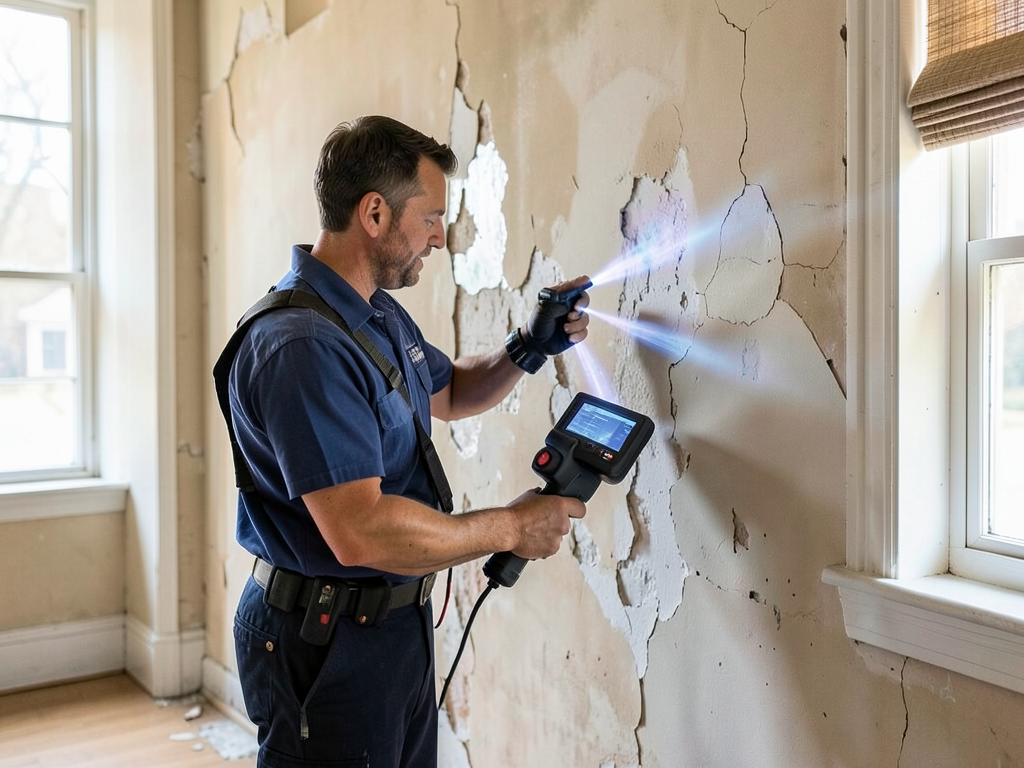
Thermal imaging cameras detect temperature differences that indicate moisture presence. A wall that reads 68°F on the surface might have a 55°F cold spot behind the plaster where water is trapped. This technology prevents the common mistake of stopping drying too early. Water Damage Restoration Colonial Heights.
The Four Pillars of Professional Structural Drying
Successful structural drying depends on four simultaneous processes. Missing any pillar extends drying time and increases secondary damage risk.. Read more about Managing Water Damage in Historic Richmond Homes with Asbestos or Lead Paint.
- Water Extraction
Removing standing water and deeply embedded moisture using weighted extraction tools and specialized subfloor drying systems. In Museum District homes, this often means extracting water from behind lath and plaster walls where moisture wicks upward.
- Airflow Management
Positioning high-velocity air movers to create continuous airflow across wet surfaces. Axial fans move large volumes of air for open areas while centrifugal fans provide focused pressure for wall cavities and under cabinets.
- Dehumidification
Using Low Grain Refrigerant (LGR) dehumidifiers that can achieve 40°F dew point temperatures. These units remove 20-30 gallons of water per day from the air in Richmond’s humid conditions, compared to 5-10 gallons for standard units.
- Temperature Control
Maintaining ambient temperatures between 70-90°F accelerates evaporation without damaging historic materials. Directed heat drying uses infrared panels to warm specific areas while protecting sensitive plaster and woodwork.. Read more about Why Your Historic Chimney in The Fan Might Be Leaking Water During Heavy Virginia Rain.
Comparing In-Place vs. Tear-Out Drying Methods
Older Museum District homes require different approaches than modern construction. The choice between in-place drying and tear-out methods affects both cost and restoration timeline.
| Method | Best For | Timeline | Cost Factors |
|---|---|---|---|
| In-Place Drying | Clean water, intact materials, no visible mold | 3-5 days | Equipment rental, monitoring, insurance documentation |
| Tear-Out Method | Contaminated water, damaged materials, visible mold | 7-14 days | Demolition, disposal, reconstruction, temporary containment |
| Injection Drying | Hardwood floors, wall cavities, under cabinets | 4-7 days | Specialized equipment, labor intensity, material testing |
In-place drying preserves original materials and typically costs 40-60% less than tear-out methods. However, it requires clean water classification and intact structural integrity. Museum District homes with original plaster walls often benefit from in-place methods since replacement materials rarely match the original craftsmanship.
Tear-out becomes necessary when water contains contaminants or materials show structural damage. Category 3 water from sewage backups or floodwater requires complete removal of affected materials per IICRC S500 standards. The Virginia Uniform Statewide Building Code mandates specific disposal and containment procedures for contaminated materials.
Specialized Equipment for Historic Richmond Properties
Professional structural drying uses equipment specifically calibrated for older home construction. Standard drying equipment often damages historic materials or fails to reach moisture in thick plaster walls.
LGR dehumidifiers with automatic humidistats maintain precise moisture levels. These units achieve 30-40% RH in Richmond’s 80%+ outdoor humidity. Without this precision, outdoor air infiltration constantly raises indoor moisture levels, extending drying times by 2-3 days.
Air movers create specific airflow patterns based on room geometry. Museum District homes often have irregular layouts with thick walls that require strategic placement. The “vortex” pattern creates circular airflow that reaches all surfaces without creating pressure imbalances that could damage plaster.
Moisture meters with multiple scanning depths detect hidden moisture in different materials. Wood moisture content should read below 16% for structural stability. Plaster walls may require scanning at 1/4″, 1/2″, and 3/4″ depths to ensure complete drying through the entire wall assembly.
Richmond Climate Impact on Drying Times
Virginia’s humid subtropical climate significantly affects structural drying. Summer afternoon thunderstorms can raise outdoor humidity from 60% to 85% in 30 minutes, immediately impacting indoor drying conditions.
The James River flood plain creates microclimates where humidity levels remain elevated even on dry days. Homes within one mile of the river often require 24-48 additional drying hours compared to properties in western Henrico County.
Winter polar vortex events create freeze-thaw cycles that cause hidden pipe bursts. Water trapped behind frozen walls expands, causing structural damage that only becomes visible when temperatures rise. These situations require specialized freeze-drying techniques that prevent material cracking.
Fall Line geology affects groundwater levels. The transition from coastal plain to piedmont creates areas where water tables fluctuate seasonally. Homes built on former creek beds or near natural springs may experience chronic moisture issues requiring continuous dehumidification.
Moisture Mapping and Documentation for Insurance Claims
Professional moisture mapping creates a visual record of water migration and drying progress. This documentation proves to insurance adjusters that proper procedures were followed and materials reached safe moisture levels.
Daily moisture logs track temperature, RH, GPP, and material moisture content. These readings demonstrate the drying curve and prove when materials achieved target moisture levels. Without this documentation, insurance companies may deny claims for secondary damage that occurs after initial drying.
Thermal imaging provides before-and-after comparisons showing water migration patterns. A thermal map might reveal that water traveled 15 feet horizontally from the source through capillary action in plaster walls. This information helps identify all affected areas and prevents missed damage.
Third-party verification by certified inspectors provides unbiased documentation. Some insurance companies require independent verification before approving final payments. This step protects both homeowners and contractors from disputes over drying completeness.
Preventing Secondary Damage in Historic Homes
Secondary damage occurs when improper drying creates new problems. Mold growth represents the most common secondary damage, starting within 48-72 hours in Richmond’s humid conditions.
High-velocity airflow can cause plaster delamination if directed improperly. Original plaster in Museum District homes often contains horsehair reinforcement that becomes brittle when dried too quickly. Professional drying maintains airflow velocities below 400 feet per minute near historic plaster surfaces.
Temperature fluctuations can cause wood warping and nail popping. Historic hardwood floors require gradual temperature changes of no more than 5°F per hour. Rapid heating can cause boards to cup or separate from subfloors, creating permanent damage. EPA Mold Guidelines.
Electrical systems in older homes may not support modern drying equipment. Many Museum District homes have 60-amp service with limited dedicated circuits. Professional drying plans account for electrical load distribution to prevent tripped breakers and equipment downtime.
Cost Factors for Structural Drying in Richmond
Structural drying costs vary based on several factors specific to Richmond properties. The average 1,500 square foot home might require $3,000-$8,000 for complete professional drying, but costs can range from $1,500 to $15,000+ depending on conditions.
Water classification affects costs significantly. Clean water from supply line breaks costs 40-50% less to dry than contaminated water from sewage backups or floodwater. Category 3 water requires personal protective equipment, containment barriers, and specialized disposal procedures.
Material types impact equipment requirements. Homes with extensive hardwood flooring, plaster walls, and brick foundations require more equipment and longer drying times than modern homes with drywall and engineered materials. Each additional equipment unit adds $150-$300 per day to the project.
Accessibility affects labor costs. Crawl spaces with limited access require specialized equipment and safety procedures. Homes with finished basements may need demolition to access trapped moisture, adding $1,000-$3,000 to the project.
Choosing the Right Drying Method for Your Museum District Home
Selecting appropriate drying methods requires understanding your home’s specific construction and damage conditions. Professional assessment determines which combination of methods provides fastest, safest drying.
Original plaster walls require different treatment than modern drywall. Plaster dries more slowly but can often be saved with proper techniques. The key is maintaining consistent temperature and humidity while avoiding direct airflow that could cause delamination.
Hardwood floors in older homes may have multiple layers including original pine subflooring. Each layer requires different drying approaches. Surface drying alone leaves moisture trapped between layers, causing future warping and mold growth.
Masonry construction in Museum District homes creates unique challenges. Brick and mortar absorb water readily but release it slowly. Drying masonry requires lower air velocities and longer timeframes than wood-frame construction.
Historic windows and doors may not seal properly, allowing outdoor humidity infiltration. Professional drying plans include temporary sealing of these areas to maintain controlled indoor conditions during the drying process.
Emergency Response Timeline for Water Damage
Immediate response prevents most secondary damage. The critical window for effective water damage control is 24-48 hours from initial exposure.
- First Hour
Shut off water source, document damage with photos, begin water extraction if safe. Contact professional immediately. Every hour of delay increases drying costs by 5-10%.
- First 4 Hours
Professional assessment, moisture mapping, equipment setup. Initial extraction removes 80-90% of standing water. Begin psychrometric monitoring.
- First 24 Hours
Active drying with LGR dehumidifiers and air movers. Daily moisture readings track progress. Adjust equipment based on material response.
- Days 2-5
Continue drying until all materials reach target moisture levels. Daily documentation for insurance. Final moisture mapping confirms completion.
Waiting beyond 48 hours significantly increases costs and secondary damage risk. Mold begins growing within 48-72 hours in Richmond’s humid conditions. Each additional day can add $500-$1,000 to the project while increasing health risks.
Frequently Asked Questions
How long does structural drying take in a typical Richmond home?
Most residential structural drying projects in Richmond require 3-7 days depending on water classification, materials affected, and outdoor humidity conditions. Category 1 clean water in a modern home might dry in 3 days, while Category 3 contaminated water in a historic home could require 7-10 days.
Can I use my household fans and dehumidifiers instead of professional equipment?
Household equipment lacks the capacity and precision needed for structural drying. Professional LGR dehumidifiers remove 5-10 times more moisture than residential units. Without proper psychrometric monitoring, DIY drying often leaves hidden moisture that causes mold growth and structural damage.
Will my insurance cover professional structural drying?
Most homeowner insurance policies cover sudden water damage including professional drying when caused by covered perils like burst pipes or storm damage. Coverage typically excludes gradual damage or maintenance issues. Professional documentation of the drying process helps ensure full insurance reimbursement.
How do I know when my home is completely dry?
Professional moisture meters and thermal imaging confirm when materials reach target moisture levels. Wood should read below 16% moisture content, concrete below 4%, and drywall below 12%. Without proper testing equipment, materials may feel dry while retaining moisture that causes future problems.
What makes Museum District homes different from other Richmond neighborhoods?
Museum District homes typically feature older construction with plaster walls, hardwood floors, and brick foundations that require specialized drying techniques. The area’s proximity to the James River and heavy clay soil create unique moisture challenges. Many homes have historical preservation restrictions affecting restoration methods.
Call (804) 602-2644 today to schedule your inspection. Don’t let water damage compromise your historic home’s structural integrity or your family’s health. Professional structural drying with IICRC-certified technicians ensures your Museum District home receives the specialized care it deserves. For more information, visit FEMA Water Damage Recovery.
{
“@context”: “https://schema.org”,
“@type”: “BlogPosting”,
“headline”: “How to Compare Structural Drying Methods for Your Older Home in the Museum District”,
“description”: “Learn how Richmond’s humid climate and Museum District architecture impact structural drying. Compare methods, costs, and IICRC standards to protect your historic home.”,
“wordCount”: 2039,
“datePublished”: “2026-05-18T07:08:00.000Z”,
“dateModified”: “2026-05-18T07:08:00.000Z”,
“inLanguage”: “en-US”,
“mainEntityOfPage”: {
“@type”: “WebPage”,
“@id”: “https://horizonwaterdamagerestorationrichmond.com”
},
“publisher”: {
“@type”: “LocalBusiness”,
“name”: “Horizon Water Damage Restoration Richmond”,
“url”: “https://horizonwaterdamagerestorationrichmond.com”
},
“author”: {
“@type”: “Organization”,
“name”: “Horizon Water Damage Restoration Richmond”,
“url”: “https://horizonwaterdamagerestorationrichmond.com”
},
“image”: {
“@type”: “ImageObject”,
“url”: “https://horizonwaterdamagerestorationrichmond.com/wp-content/uploads/2026/03/how-to-compare-structural-drying-methods-for-your-1.png”
}
}
{
“@context”: “https://schema.org”,
“@type”: “LocalBusiness”,
“name”: “Horizon Water Damage Restoration Richmond”,
“url”: “https://horizonwaterdamagerestorationrichmond.com”,
“address”: {
“@type”: “PostalAddress”,
“addressLocality”: “Richmond”
},
“areaServed”: {
“@type”: “City”,
“name”: “Richmond”
}
}
{
“@context”: “https://schema.org”,
“@type”: “FAQPage”,
“mainEntity”: [
{
“@type”: “Question”,
“name”: “How long does structural drying take in a typical Richmond home?”,
“acceptedAnswer”: {
“@type”: “Answer”,
“text”: “Most residential structural drying projects in Richmond require 3-7 days depending on water classification, materials affected, and outdoor humidity conditions. Category 1 clean water in a modern home might dry in 3 days, while Category 3 contaminated water in a historic home could require 7-10 days.”
}
},
{
“@type”: “Question”,
“name”: “Can I use my household fans and dehumidifiers instead of professional equipment?”,
“acceptedAnswer”: {
“@type”: “Answer”,
“text”: “Household equipment lacks the capacity and precision needed for structural drying. Professional LGR dehumidifiers remove 5-10 times more moisture than residential units. Without proper psychrometric monitoring, DIY drying often leaves hidden moisture that causes mold growth and structural damage.”
}
},
{
“@type”: “Question”,
“name”: “Will my insurance cover professional structural drying?”,
“acceptedAnswer”: {
“@type”: “Answer”,
“text”: “Most homeowner insurance policies cover sudden water damage including professional drying when caused by covered perils like burst pipes or storm damage. Coverage typically excludes gradual damage or maintenance issues. Professional documentation of the drying process helps ensure full insurance reimbursement.”
}
},
{
“@type”: “Question”,
“name”: “How do I know when my home is completely dry?”,
“acceptedAnswer”: {
“@type”: “Answer”,
“text”: “Professional moisture meters and thermal imaging confirm when materials reach target moisture levels. Wood should read below 16% moisture content, concrete below 4%, and drywall below 12%. Without proper testing equipment, materials may feel dry while retaining moisture that causes future problems.”
}
},
{
“@type”: “Question”,
“name”: “What makes Museum District homes different from other Richmond neighborhoods?”,
“acceptedAnswer”: {
“@type”: “Answer”,
“text”: “Museum District homes typically feature older construction with plaster walls, hardwood floors, and brick foundations that require specialized drying techniques. The area’s proximity to the James River and heavy clay soil create unique moisture challenges. Many homes have historical preservation restrictions affecting restoration methods.”
}
}
]
}
{
“@context”: “https://schema.org”,
“@type”: “HowTo”,
“name”: “Four Pillars of Structural Drying”,
“step”: [
{
“@type”: “HowToStep”,
“position”: 1,
“name”: “Water Extraction”,
“text”: “Removing standing water and deeply embedded moisture using weighted extraction tools and specialized subfloor drying systems. In Museum District homes, this often means extracting water from behind lath and plaster walls where moisture wicks upward.”
},
{
“@type”: “HowToStep”,
“position”: 2,
“name”: “Airflow Management”,
“text”: “Positioning high-velocity air movers to create continuous airflow across wet surfaces. Axial fans move large volumes of air for open areas while centrifugal fans provide focused pressure for wall cavities and under cabinets.”
},
{
“@type”: “HowToStep”,
“position”: 3,
“name”: “Dehumidification”,
“text”: “Using Low Grain Refrigerant (LGR) dehumidifiers that can achieve 40°F dew point temperatures. These units remove 20-30 gallons of water per day from the air in Richmond’s humid conditions, compared to 5-10 gallons for standard units.”
},
{
“@type”: “HowToStep”,
“position”: 4,
“name”: “Temperature Control”,
“text”: “Maintaining ambient temperatures between 70-90°F accelerates evaporation without damaging historic materials. Directed heat drying uses infrared panels to warm specific areas while protecting sensitive plaster and woodwork.”
}
],
“image”: “https://horizonwaterdamagerestorationrichmond.com/wp-content/uploads/2026/03/how-to-compare-structural-drying-methods-for-your-1.png”
}
{
“@context”: “https://schema.org”,
“@type”: “BreadcrumbList”,
“itemListElement”: [
{
“@type”: “ListItem”,
“position”: 1,
“name”: “Home”,
“item”: “https://horizonwaterdamagerestorationrichmond.com”
},
{
“@type”: “ListItem”,
“position”: 2,
“name”: “Blog”,
“item”: “https://horizonwaterdamagerestorationrichmond.com/blog”
},
{
“@type”: “ListItem”,
“position”: 3,
“name”: “How to Compare Structural Drying Methods for Your Older Home in the Museum District”
}
]
}
{
“@context”: “https://schema.org”,
“@type”: “Service”,
“serviceType”: “Water Damage Restoration”,
“provider”: {
“@type”: “LocalBusiness”,
“name”: “Horizon Water Damage Restoration Richmond”,
“url”: “https://horizonwaterdamagerestorationrichmond.com”
},
“areaServed”: {
“@type”: “City”,
“name”: “Richmond”
},
“description”: “Learn how Richmond’s humid climate and Museum District architecture impact structural drying. Compare methods, costs, and IICRC standards to protect your historic home.”
}