Preventing Attic Water Damage from Failing HVAC Drain Pans in the West End
When your air conditioning runs in Richmond’s humid summer heat, your HVAC system produces gallons of condensate water daily. In West End homes, where attic-mounted units are common in larger suburban houses, that water flows through a network of drain pans and pipes. When this system fails, water damage spreads through your ceiling before you even notice. How to Get Rapid Water Extraction in the Museum District.
A cracked primary drain pan or clogged condensate line can dump gallons of water into your attic insulation within hours. The humid Richmond climate makes this problem worse because AC units run longer, producing more condensate than in drier regions. Once water reaches your ceiling, drywall absorbs moisture rapidly, leading to sagging, staining, and eventual collapse. 24/7 Emergency Water Removal Services in Richmond VA.
The key to preventing this damage is understanding how your HVAC drain system works and recognizing early warning signs. Most West End homes have both primary and secondary drain pans with float switches designed to shut off the unit when water backs up. But these safety features fail too, especially in older systems common in neighborhoods like Gayton and Short Pump. Commercial Water Damage Restoration for Downtown Richmond Businesses.
5 Warning Signs Your HVAC Drain Pan is Failing
Early detection saves thousands in repair costs. Watch for these specific symptoms in your West End home: EPA Mold Information.
- Water stains on ceilings below attic units – Brown or yellow discoloration indicates water has already penetrated drywall
- Musty odors near vents or in utility closets – Mold growth begins within 24-48 hours of moisture exposure
- The AC shuts off unexpectedly – A tripped float switch indicates water backup in the drain pan
- Increased indoor humidity levels – Your system can’t remove moisture effectively when pans are full
- Standing water around the indoor unit – Visible pooling means the drain system has completely failed
Many West End homeowners first notice these signs during peak summer months when AC usage is highest. The combination of high humidity and constant cooling creates ideal conditions for drain pan overflow.
Common Causes of Drain Pan Failure in Richmond Homes
Understanding what causes these failures helps prevent them. Richmond’s climate and housing stock create specific vulnerabilities: Sump Pump Failure Cleanup and Repair in Bon Air.
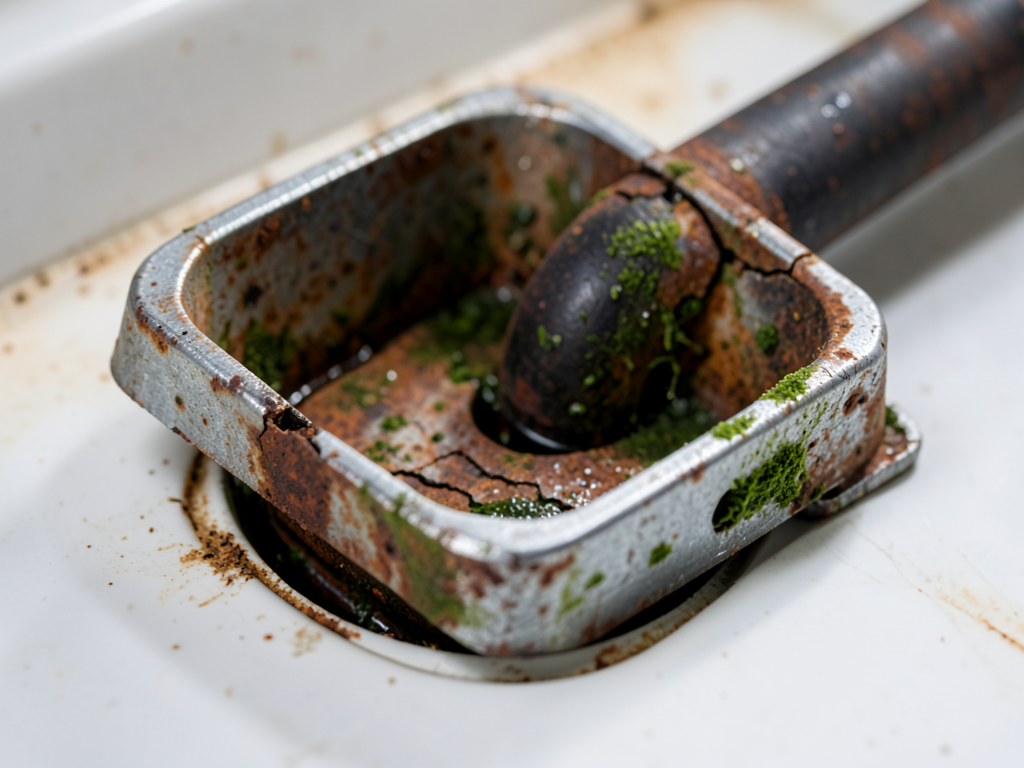
- Algae and mold buildup in drain lines – Richmond’s high humidity accelerates biological growth that clogs pipes
- Corrosion of metal drain pans – The acidic condensate water eats through galvanized steel pans over 5-10 years
- Improper P-trap installation – Missing or incorrectly sized P-traps allow sewer gases to enter the system
- Cracked primary pans from age or impact – Plastic pans become brittle in attic heat, while metal pans rust through
- Float switch failure – The safety mechanism that should shut off the AC when water backs up often fails
In West End neighborhoods like Wyndham and Twin Hickory, many homes built in the 1990s-2000s are now reaching the age where drain pan replacement becomes critical. The clay soil in Henrico County also contributes to foundation settling that can stress attic ductwork and drain connections.
The Danger of Delay: Water Damage Progression in Virginia Homes
What starts as a small HVAC issue becomes a major restoration project within 48-72 hours. Here’s how water damage progresses in Richmond homes:
| Timeframe | Damage Stage | Restoration Requirements |
|---|---|---|
| 0-24 hours | Surface moisture, beginning mold growth | Water extraction, drying equipment setup |
| 24-48 hours | Active mold colonization, material absorption | Demolition of affected materials, antimicrobial treatment |
| 48-72 hours | Structural damage, widespread contamination | Full restoration, possible rebuild of affected areas |
Richmond’s high humidity means mold grows faster here than in drier climates. According to IICRC S500 standards for water damage restoration, Category 1 clean water from a drain pan becomes Category 2 contaminated water within 48 hours as microorganisms multiply. IICRC S500 Standards.
The West End’s suburban construction often includes open-web floor trusses that allow water to travel horizontally across multiple rooms before showing visible signs. By the time you see a ceiling stain, water may have spread through several feet of ceiling cavity.
DIY Mitigation vs. Professional Restoration
When you discover a leaking drain pan, you have limited time to prevent extensive damage. Here’s what you can do immediately:
- Shut off the AC system
Turn off power at the thermostat and breaker to stop water production
- Locate the source of the leak
Check the primary pan under the evaporator coil and the secondary pan below it
- Remove standing water
Use wet/dry vacuums or towels to extract visible water
- Check for ceiling damage
Look for sagging, bubbling, or discoloration in rooms below the attic
- Call for professional assessment
Water damage spreads quickly – professional equipment is needed for complete drying
DIY efforts should focus on stopping the immediate water flow and preventing further damage. However, professional restoration becomes necessary when:
- Water has penetrated ceiling materials or wall cavities
- Visible mold growth is present
- Multiple rooms show signs of moisture damage
- Structural elements like joists or subfloors feel soft or spongy
- Photos of the initial damage and progression
- Maintenance records showing regular system servicing
- Professional assessment of the damage extent
- Estimates for both repair and restoration work
- Henrico County Building Inspections – Permits required for major HVAC modifications
- Richmond Better Business Bureau – Verify contractor credentials and complaints
- Virginia Department of Professional and Occupational Regulation
- Local HVAC contractors – Many offer 24/7 emergency service for West End homes
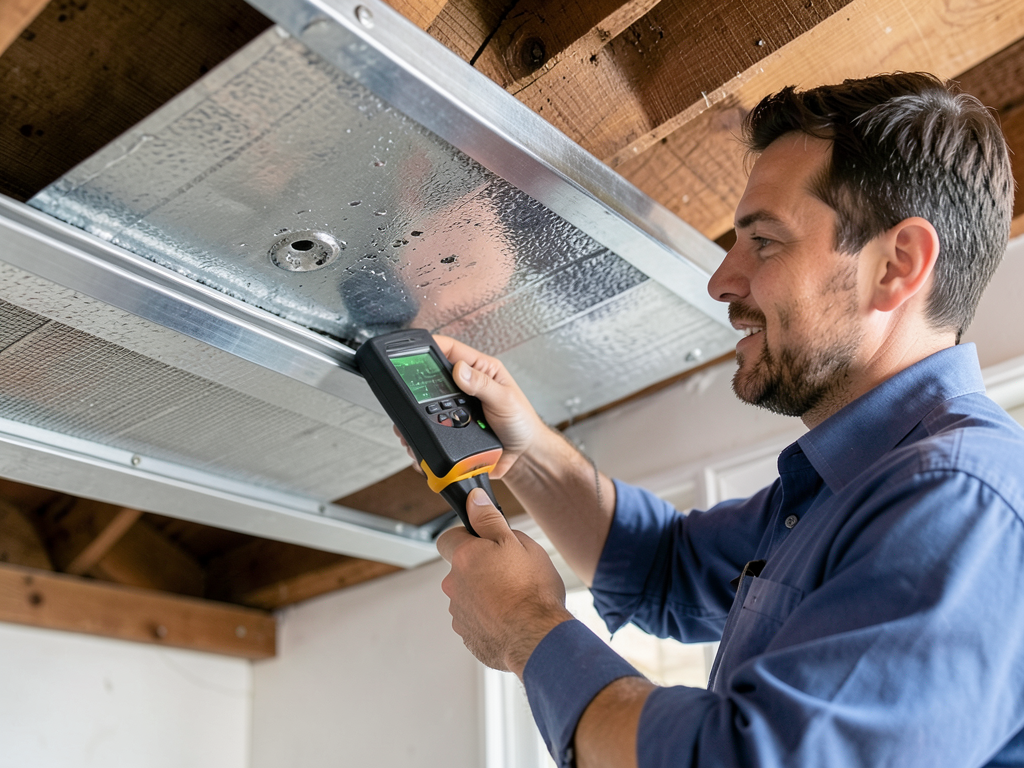
Professional restoration technicians use moisture meters and thermal imaging to detect hidden water pockets that homeowners cannot see. In Richmond’s climate, thorough drying is critical – incomplete drying leads to recurring mold problems within weeks.
Preventing Future HVAC Drain Pan Failures
Prevention is more cost-effective than restoration. Implement these maintenance steps for your West End home:
| Maintenance Task | Frequency | Cost Range |
|---|---|---|
| Drain line cleaning with algaecide tablets | Every 6 months | $75-150 |
| Float switch testing and replacement | Annually | $100-200 |
| Secondary pan inspection and sealing | Every 2 years | $150-300 |
| Complete drain system replacement | Every 10-15 years | $500-1,500 |
Many West End homeowners schedule HVAC maintenance in spring before cooling season begins. This timing allows technicians to identify and repair potential drain pan issues before summer humidity creates maximum condensate production.
Consider upgrading to modern PVC drain systems with larger diameter pipes. These resist clogging better than older copper or galvanized steel systems. Some Richmond HVAC contractors now install water sensors that send alerts to your smartphone when moisture is detected.
Insurance Coverage for HVAC-Related Water Damage
Homeowners insurance in Virginia typically covers sudden, accidental water damage but may exclude damage from lack of maintenance. Document your HVAC system maintenance to support insurance claims.
When filing a claim for HVAC-related water damage, provide:
Many West End residents find that insurance covers the water damage restoration but not the HVAC repair itself. Understanding this distinction helps set realistic expectations when budgeting for the total project cost.
Local Resources for West End Homeowners
West End residents have access to specific resources for HVAC and water damage issues:
The West End’s suburban layout means many homes have similar HVAC configurations, making it easier for local contractors to diagnose problems quickly. Neighborhoods like Glen Allen and Short Pump share common construction patterns that experienced technicians recognize immediately.
Frequently Asked Questions
How much does it cost to repair a leaking HVAC drain pan?
Repair costs range from $200-800 for minor fixes to $2,000-5,000 for complete system replacement. The wide range depends on whether you need just a drain line cleaning or full pan replacement with water damage restoration.
Can I prevent mold growth after a drain pan leak?
Immediate water extraction and professional drying within 24-48 hours prevents most mold growth. However, Richmond’s high humidity means even small moisture pockets can support mold colonization. Professional antimicrobial treatment is recommended for all water damage incidents.
How long does water damage restoration take?
Minor damage requiring only drying takes 3-5 days. Moderate damage with some material removal takes 1-2 weeks. Major damage requiring reconstruction can take 3-6 weeks. Richmond’s humidity affects drying times – expect longer schedules during summer months.
Should I replace my entire HVAC system if the drain pan fails?
Not necessarily. Most drain pan failures are isolated issues that don’t require full system replacement. However, if your system is over 15 years old or has multiple failures, replacement might be more cost-effective than repeated repairs.
What’s the difference between mitigation and restoration?
Mitigation stops further damage through water extraction and drying. Restoration repairs or replaces damaged materials to return your home to pre-loss condition. Both are often needed after HVAC drain pan failures, with mitigation typically starting within hours of discovery.
Water damage from failing HVAC drain pans creates a race against time. In Richmond’s humid climate, every hour counts toward preventing mold growth and structural damage. West End homeowners who recognize early warning signs and respond quickly can prevent thousands in restoration costs.
The combination of attic-mounted HVAC units and Richmond’s high humidity creates unique vulnerabilities for West End homes. Understanding these risks and implementing preventive maintenance protects your property investment and avoids the stress of emergency restoration situations. Emergency Board-Up Services.
When you discover water damage from any source, remember that professional restoration services operate 24/7 in the Richmond area. The cost of immediate professional intervention is always less than the cost of delayed response that allows damage to spread and mold to establish.
Don’t wait until you see ceiling stains or smell musty odors. If you suspect your HVAC drain pan is leaking, call (804) 602-2644 today to schedule your inspection. Our team responds within 60 minutes to West End homes and provides free damage assessments to help you understand exactly what’s needed to protect your property.
Pick up the phone and call (804) 602-2644 before the next storm hits. Your home deserves immediate attention from restoration professionals who understand Richmond’s unique climate challenges and the specific vulnerabilities of West End construction.
{
“@context”: “https://schema.org”,
“@type”: “BlogPosting”,
“headline”: “Preventing Attic Water Damage from Failing HVAC Drain Pans in the West End”,
“description”: “Learn how Richmond’s humid climate causes HVAC drain pan failures in West End homes. Discover warning signs, prevention tips, and when to call for emergency water damage restoration.”,
“wordCount”: 1664,
“datePublished”: “2026-04-29T11:34:00.000Z”,
“dateModified”: “2026-04-29T11:34:00.000Z”,
“inLanguage”: “en-US”,
“mainEntityOfPage”: {
“@type”: “WebPage”,
“@id”: “https://horizonwaterdamagerestorationrichmond.com”
},
“publisher”: {
“@type”: “LocalBusiness”,
“name”: “Horizon Water Damage Restoration Richmond”,
“url”: “https://horizonwaterdamagerestorationrichmond.com”
},
“author”: {
“@type”: “Organization”,
“name”: “Horizon Water Damage Restoration Richmond”,
“url”: “https://horizonwaterdamagerestorationrichmond.com”
},
“image”: {
“@type”: “ImageObject”,
“url”: “https://horizonwaterdamagerestorationrichmond.com/wp-content/uploads/2026/03/preventing-attic-water-damage-from-failing-hvac-dr-1.png”
}
}
{
“@context”: “https://schema.org”,
“@type”: “LocalBusiness”,
“name”: “Horizon Water Damage Restoration Richmond”,
“url”: “https://horizonwaterdamagerestorationrichmond.com”,
“address”: {
“@type”: “PostalAddress”,
“addressLocality”: “Richmond”
},
“areaServed”: {
“@type”: “City”,
“name”: “Richmond”
}
}
{
“@context”: “https://schema.org”,
“@type”: “FAQPage”,
“mainEntity”: [
{
“@type”: “Question”,
“name”: “How much does it cost to repair a leaking HVAC drain pan?”,
“acceptedAnswer”: {
“@type”: “Answer”,
“text”: “Repair costs range from $200-800 for minor fixes to $2,000-5,000 for complete system replacement. The wide range depends on whether you need just a drain line cleaning or full pan replacement with water damage restoration.”
}
},
{
“@type”: “Question”,
“name”: “Can I prevent mold growth after a drain pan leak?”,
“acceptedAnswer”: {
“@type”: “Answer”,
“text”: “Immediate water extraction and professional drying within 24-48 hours prevents most mold growth. However, Richmond’s high humidity means even small moisture pockets can support mold colonization. Professional antimicrobial treatment is recommended for all water damage incidents.”
}
},
{
“@type”: “Question”,
“name”: “How long does water damage restoration take?”,
“acceptedAnswer”: {
“@type”: “Answer”,
“text”: “Minor damage requiring only drying takes 3-5 days. Moderate damage with some material removal takes 1-2 weeks. Major damage requiring reconstruction can take 3-6 weeks. Richmond’s humidity affects drying times – expect longer schedules during summer months.”
}
},
{
“@type”: “Question”,
“name”: “Should I replace my entire HVAC system if the drain pan fails?”,
“acceptedAnswer”: {
“@type”: “Answer”,
“text”: “Not necessarily. Most drain pan failures are isolated issues that don’t require full system replacement. However, if your system is over 15 years old or has multiple failures, replacement might be more cost-effective than repeated repairs.”
}
},
{
“@type”: “Question”,
“name”: “What’s the difference between mitigation and restoration?”,
“acceptedAnswer”: {
“@type”: “Answer”,
“text”: “Mitigation stops further damage through water extraction and drying. Restoration repairs or replaces damaged materials to return your home to pre-loss condition. Both are often needed after HVAC drain pan failures, with mitigation typically starting within hours of discovery.”
}
}
]
}
{
“@context”: “https://schema.org”,
“@type”: “HowTo”,
“name”: “Emergency HVAC Drain Pan Leak Response”,
“step”: [
{
“@type”: “HowToStep”,
“position”: 1,
“name”: “Shut off the AC system”,
“text”: “Turn off power at the thermostat and breaker to stop water production”
},
{
“@type”: “HowToStep”,
“position”: 2,
“name”: “Locate the source of the leak”,
“text”: “Check the primary pan under the evaporator coil and the secondary pan below it”
},
{
“@type”: “HowToStep”,
“position”: 3,
“name”: “Remove standing water”,
“text”: “Use wet/dry vacuums or towels to extract visible water”
},
{
“@type”: “HowToStep”,
“position”: 4,
“name”: “Check for ceiling damage”,
“text”: “Look for sagging, bubbling, or discoloration in rooms below the attic”
},
{
“@type”: “HowToStep”,
“position”: 5,
“name”: “Call for professional assessment”,
“text”: “Water damage spreads quickly – professional equipment is needed for complete drying”
}
],
“image”: “https://horizonwaterdamagerestorationrichmond.com/wp-content/uploads/2026/03/preventing-attic-water-damage-from-failing-hvac-dr-1.png”
}
{
“@context”: “https://schema.org”,
“@type”: “BreadcrumbList”,
“itemListElement”: [
{
“@type”: “ListItem”,
“position”: 1,
“name”: “Home”,
“item”: “https://horizonwaterdamagerestorationrichmond.com”
},
{
“@type”: “ListItem”,
“position”: 2,
“name”: “Blog”,
“item”: “https://horizonwaterdamagerestorationrichmond.com/blog”
},
{
“@type”: “ListItem”,
“position”: 3,
“name”: “Preventing Attic Water Damage from Failing HVAC Drain Pans in the West End”
}
]
}
{
“@context”: “https://schema.org”,
“@type”: “Service”,
“serviceType”: “Water Damage Restoration”,
“provider”: {
“@type”: “LocalBusiness”,
“name”: “Horizon Water Damage Restoration Richmond”,
“url”: “https://horizonwaterdamagerestorationrichmond.com”
},
“areaServed”: {
“@type”: “City”,
“name”: “Richmond”
},
“description”: “Learn how Richmond’s humid climate causes HVAC drain pan failures in West End homes. Discover warning signs, prevention tips, and when to call for emergency water damage restoration.”
}