
Restoring Historical Plaster Walls in Church Hill After a Pipe Burst
When a pipe bursts in a Church Hill row house the damage runs deeper than the water you see. Historic plaster walls built before 1940 use wood lath and lime-based plaster that absorbs moisture like a sponge. That trapped water can cause bubbling paint crumbling sections and even structural weakening if not handled correctly. This guide explains how to assess and restore plaster walls in Richmond’s historic districts and when to call in professionals who understand the unique challenges of preserving architectural heritage. How to Get Rapid Water Extraction in the Museum District.
Why Church Hill Plaster Needs Specialized Restoration
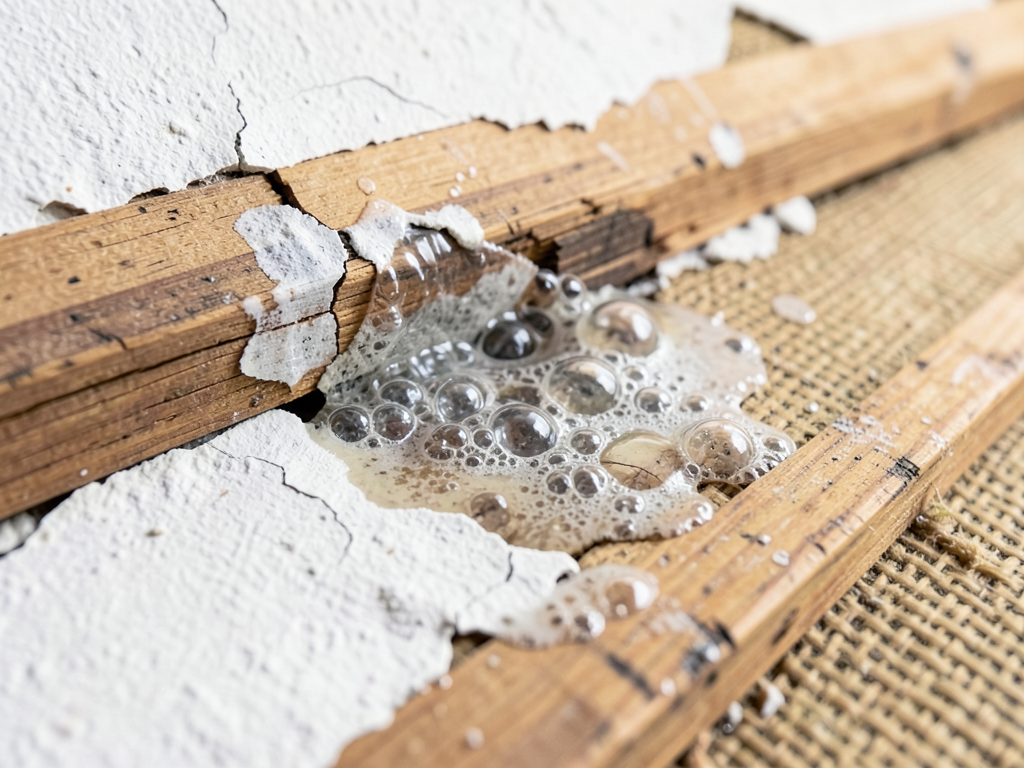
Church Hill’s historic district contains some of Richmond’s oldest residential architecture with homes dating to the early 1800s. These buildings feature lime plaster over wood lath often reinforced with horsehair. Unlike modern drywall this material reacts to water damage in specific ways. When saturated the plaster can separate from the lath creating hollow-sounding areas. The wood lath swells and contracts potentially warping the entire wall assembly. Richmond’s high humidity averaging 72% annually means plaster stays damp longer increasing the risk of mold growth behind the surface. EPA Lead Renovation Repair and Painting Rule.
Older homes in the 23223 zip code often contain lead-based paint applied before 1978. Disturbing damaged plaster without proper containment can release hazardous dust. The EPA’s Lead Renovation Repair and Painting Rule (RRP Rule) requires certified professionals to handle repairs in pre-1978 homes. This makes DIY restoration not just risky for the wall but potentially illegal.
Assessing the Damage: What to Look For
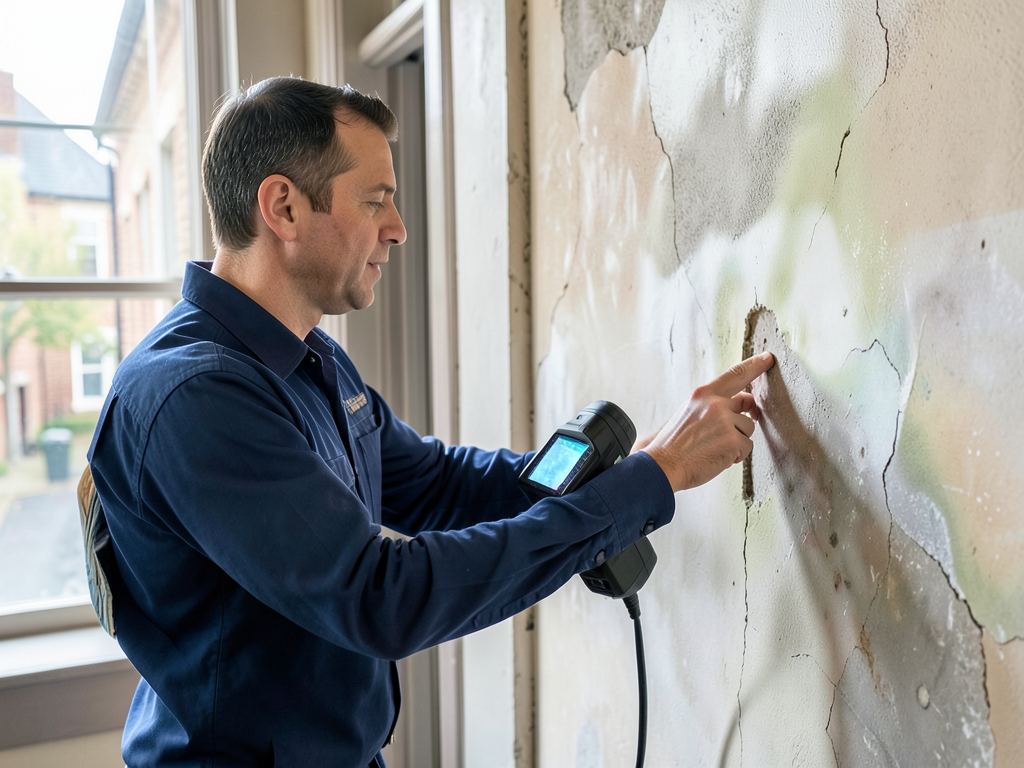
Start with a visual inspection. Water-damaged plaster shows specific failure patterns. Look for: Sump Pump Failure Cleanup and Repair in Bon Air.
- Bulging sections that sound hollow when tapped
- Efflorescence – white powdery deposits from mineral salts
- Cracks radiating from water entry points
- Discoloration or yellowing of paint
- Musty odors indicating hidden mold
Use a moisture meter set to the appropriate mode for plaster. Readings above 16% indicate active moisture that needs professional drying. A thermal imaging camera can reveal cold spots behind walls where water collects. In Church Hill’s older homes the wood framing near chimneys or exterior walls often shows the highest moisture readings due to poor insulation and air leakage. 24/7 Emergency Water Removal Services in Richmond VA.
The Restoration Process for Historic Plaster
Professional restoration follows a methodical approach to preserve as much original material as possible while ensuring structural integrity.
- Emergency Water Extraction
Remove standing water using truck-mounted extraction equipment. For Church Hill’s narrow stairways and tight stairwells portable units work better than truck-mounted systems. Commercial Water Damage Restoration for Downtown Richmond Businesses.
- Moisture Mapping
Map affected areas using thermal imaging and moisture meters. Document readings at the surface and at depth to track drying progress.
- Controlled Demolition
Remove only the plaster that has separated from the lath or shows structural weakness. Cut cleanly along stable edges to minimize repair area.
- Structural Drying
Set up dehumidifiers with HEPA filtration. For historic homes use low-profile units that don’t damage original woodwork. Monitor humidity levels daily aiming for 40-50% RH.
- Plaster Stabilization
Apply consolidants to salvageable plaster to reattach it to the lath. This preserves original materials and maintains historical accuracy.
- Finish Repair
Match existing plaster composition and texture. Use lime-based compounds that breathe like the original material. Feather repairs into surrounding areas for invisible transitions.
Common Mistakes That Worsen Plaster Damage
Many well-intentioned repairs actually accelerate plaster failure. Avoid these pitfalls:
| DIY Mistake | Why It Fails | Professional Solution |
|---|---|---|
| Using drywall compound on plaster | Doesn’t bond properly to lime plaster | Lime-based patching materials |
| Patching without drying first | Traps moisture causing mold | Complete moisture mapping before repair |
| Painting over efflorescence | Salts continue to push through | Neutralize salts before finishing |
Richmond’s clay soil and combined sewer overflow system in older neighborhoods mean water tables can rise quickly during heavy rains. This hydrostatic pressure pushes moisture through foundation walls into plaster. Without addressing the source even perfect repairs will fail again.. Read more about How to Protect Your Richmond Home Value After a Major Water Leak.
When to Call a Professional
Not every water spot needs professional restoration but these signs indicate you need expert help:
- Moisture readings above 16% in multiple areas
- Visible mold growth on or behind plaster
- Structural movement or cracking
- Lead paint concerns in pre-1978 homes
- Water from contaminated sources (sewage, flooding)
Professional restoration follows IICRC S500 standards for water damage. This industry standard requires specific drying times, documentation, and verification that materials have returned to pre-loss condition. For Church Hill’s historic properties this documentation helps with insurance claims and historic district compliance. IICRC S500 Water Damage Restoration Standard.
Cost Factors and Insurance Considerations
Restoration costs vary based on damage extent and preservation requirements. Simple plaster repair might cost $500-1,500 per room. Complex restoration with lead abatement can exceed $5,000. Insurance typically covers sudden pipe bursts but may exclude slow leaks or maintenance issues.
Document everything with photos and moisture readings. This evidence supports insurance claims and helps adjusters understand why restoration costs more than simple drywall repair. Many Richmond homeowners find that professional restoration actually saves money by preserving original materials that would be expensive to replace with matching historic plaster.. Read more about Recovering Family Photos and Documents After Water Damage.
Preventing Future Water Damage
After restoration focus on prevention. Install water leak detectors near vulnerable pipes. Check washing machine hoses annually for wear. Insulate pipes in exterior walls to prevent freezing. Consider a whole-house water shutoff system that automatically stops flow when leaks are detected.
Church Hill’s older homes benefit from regular plumbing inspections. Galvanized pipes installed before 1960 corrode from the inside out. A professional inspection can identify weak points before they burst. This proactive approach costs far less than emergency restoration. Emergency Board-Up Services.
Frequently Asked Questions
How long does plaster take to dry after water damage?
Depending on humidity and plaster thickness drying can take 3-7 days with professional equipment. Richmond’s high humidity often extends this timeline. Moisture meters verify when drying is complete.
Can I just paint over water-damaged plaster?
No. Painting over damp plaster traps moisture leading to mold growth and continued deterioration. The source of water must be fixed and materials dried first.
Is plaster restoration worth it in historic homes?
Yes. Original plaster contributes to a home’s historic character and often costs less to restore than replace. Modern materials rarely match the texture and appearance of historic plaster.
Does insurance cover plaster restoration?
Most policies cover sudden water damage including plaster restoration. Coverage depends on your specific policy and the water source. Professional documentation helps with claims.
Act Fast to Protect Your Historic Home
Water damage to historic plaster requires immediate attention. The longer moisture sits the more extensive the damage becomes. Professional restoration not only repairs the visible damage but also addresses hidden moisture that can cause mold growth and structural issues.. Read more about How to Spot Hidden Mold Growing Behind Your North Side Walls.
Call (804) 602-2644 today to schedule your inspection. Our team understands the unique challenges of restoring Church Hill’s historic plaster and can provide a detailed assessment and restoration plan. Don’t let water damage destroy your home’s architectural heritage.
Pick up the phone and call (804) 602-2644 before the next storm hits. Every hour counts when protecting historic plaster from water damage.
You may also find this helpful. Managing Outdated Plumbing Issues in Historic Jackson Ward Homes.
{
“@context”: “https://schema.org”,
“@type”: “BlogPosting”,
“headline”: “Restoring Historical Plaster Walls in Church Hill After a Pipe Burst”,
“description”: “Expert plaster wall restoration in Church Hill after water damage. Learn why historic lath-and-plaster needs specialized care in Richmond’s humid climate. Call (804) 602-2644.”,
“wordCount”: 1196,
“datePublished”: “2026-03-11T09:43:00.000Z”,
“dateModified”: “2026-03-11T09:43:00.000Z”,
“inLanguage”: “en-US”,
“mainEntityOfPage”: {
“@type”: “WebPage”,
“@id”: “https://horizonwaterdamagerestorationrichmond.com”
},
“publisher”: {
“@type”: “LocalBusiness”,
“name”: “Horizon Water Damage Restoration Richmond”,
“url”: “https://horizonwaterdamagerestorationrichmond.com”
},
“author”: {
“@type”: “Organization”,
“name”: “Horizon Water Damage Restoration Richmond”,
“url”: “https://horizonwaterdamagerestorationrichmond.com”
},
“image”: {
“@type”: “ImageObject”,
“url”: “https://horizonwaterdamagerestorationrichmond.com/wp-content/uploads/2026/03/restoring-historical-plaster-walls-in-church-hill-1.png”
}
}
{
“@context”: “https://schema.org”,
“@type”: “LocalBusiness”,
“name”: “Horizon Water Damage Restoration Richmond”,
“url”: “https://horizonwaterdamagerestorationrichmond.com”,
“address”: {
“@type”: “PostalAddress”,
“addressLocality”: “Richmond”
},
“areaServed”: {
“@type”: “City”,
“name”: “Richmond”
}
}
{
“@context”: “https://schema.org”,
“@type”: “FAQPage”,
“mainEntity”: [
{
“@type”: “Question”,
“name”: “How long does plaster take to dry after water damage?”,
“acceptedAnswer”: {
“@type”: “Answer”,
“text”: “Depending on humidity and plaster thickness drying can take 3-7 days with professional equipment. Richmond’s high humidity often extends this timeline. Moisture meters verify when drying is complete.”
}
},
{
“@type”: “Question”,
“name”: “Can I just paint over water-damaged plaster?”,
“acceptedAnswer”: {
“@type”: “Answer”,
“text”: “No. Painting over damp plaster traps moisture leading to mold growth and continued deterioration. The source of water must be fixed and materials dried first.”
}
},
{
“@type”: “Question”,
“name”: “Is plaster restoration worth it in historic homes?”,
“acceptedAnswer”: {
“@type”: “Answer”,
“text”: “Yes. Original plaster contributes to a home’s historic character and often costs less to restore than replace. Modern materials rarely match the texture and appearance of historic plaster.”
}
},
{
“@type”: “Question”,
“name”: “Does insurance cover plaster restoration?”,
“acceptedAnswer”: {
“@type”: “Answer”,
“text”: “Most policies cover sudden water damage including plaster restoration. Coverage depends on your specific policy and the water source. Professional documentation helps with claims.”
}
}
]
}
{
“@context”: “https://schema.org”,
“@type”: “HowTo”,
“name”: “Historic Plaster Restoration Process”,
“step”: [
{
“@type”: “HowToStep”,
“position”: 1,
“name”: “Emergency Water Extraction”,
“text”: “Remove standing water using truck-mounted extraction equipment. For Church Hill’s narrow stairways and tight stairwells portable units work better than truck-mounted systems. Commercial Water Damage Restoration for Downtown Richmond Businesses.”
},
{
“@type”: “HowToStep”,
“position”: 2,
“name”: “Moisture Mapping”,
“text”: “Map affected areas using thermal imaging and moisture meters. Document readings at the surface and at depth to track drying progress.”
},
{
“@type”: “HowToStep”,
“position”: 3,
“name”: “Controlled Demolition”,
“text”: “Remove only the plaster that has separated from the lath or shows structural weakness. Cut cleanly along stable edges to minimize repair area.”
},
{
“@type”: “HowToStep”,
“position”: 4,
“name”: “Structural Drying”,
“text”: “Set up dehumidifiers with HEPA filtration. For historic homes use low-profile units that don’t damage original woodwork. Monitor humidity levels daily aiming for 40-50% RH.”
},
{
“@type”: “HowToStep”,
“position”: 5,
“name”: “Plaster Stabilization”,
“text”: “Apply consolidants to salvageable plaster to reattach it to the lath. This preserves original materials and maintains historical accuracy.”
},
{
“@type”: “HowToStep”,
“position”: 6,
“name”: “Finish Repair”,
“text”: “Match existing plaster composition and texture. Use lime-based compounds that breathe like the original material. Feather repairs into surrounding areas for invisible transitions.”
}
],
“image”: “https://horizonwaterdamagerestorationrichmond.com/wp-content/uploads/2026/03/restoring-historical-plaster-walls-in-church-hill-1.png”
}
{
“@context”: “https://schema.org”,
“@type”: “BreadcrumbList”,
“itemListElement”: [
{
“@type”: “ListItem”,
“position”: 1,
“name”: “Home”,
“item”: “https://horizonwaterdamagerestorationrichmond.com”
},
{
“@type”: “ListItem”,
“position”: 2,
“name”: “Blog”,
“item”: “https://horizonwaterdamagerestorationrichmond.com/blog”
},
{
“@type”: “ListItem”,
“position”: 3,
“name”: “Restoring Historical Plaster Walls in Church Hill After a Pipe Burst”
}
]
}
{
“@context”: “https://schema.org”,
“@type”: “Service”,
“serviceType”: “Water Damage Restoration”,
“provider”: {
“@type”: “LocalBusiness”,
“name”: “Horizon Water Damage Restoration Richmond”,
“url”: “https://horizonwaterdamagerestorationrichmond.com”
},
“areaServed”: {
“@type”: “City”,
“name”: “Richmond”
},
“description”: “Expert plaster wall restoration in Church Hill after water damage. Learn why historic lath-and-plaster needs specialized care in Richmond’s humid climate. Call (804) 602-2644.”
}