
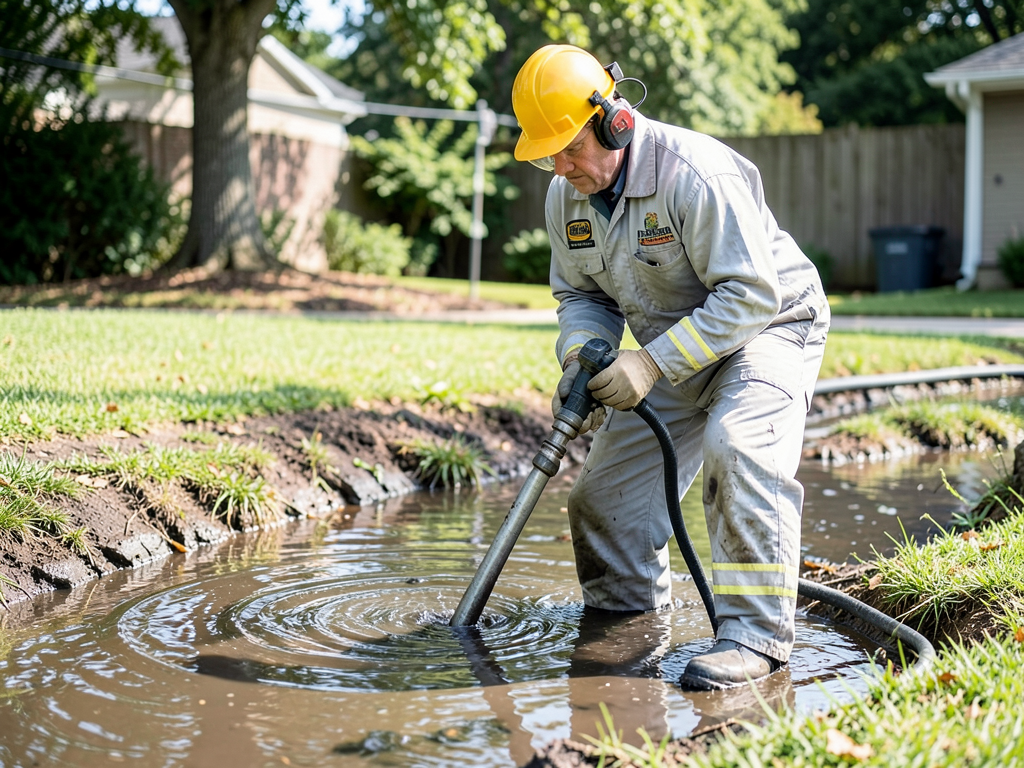
Septic Tank Overflows and What They Mean for Your Yard in Rural Henrico or Goochland
Septic tank overflows turn your yard into a biohazard zone within hours. When wastewater backs up through the ground, it carries dangerous pathogens that threaten your family’s health and contaminate your property. This guide explains what happens when your septic system fails, why rural Henrico and Goochland properties face unique risks, and how professional cleanup restores safety to your home. How to Get Rapid Water Extraction in the Museum District.
Why Septic Systems Fail During Heavy Rain
Richmond’s clay-heavy Piedmont soil creates perfect conditions for septic failure. When heavy storms hit, water saturates the ground faster than sandy soils can absorb it. The septic drain field, designed to filter wastewater slowly, becomes overwhelmed. Water has nowhere to go, so it pushes back through the tank and into your yard. Sump Pump Failure Cleanup and Repair in Bon Air.
Hydraulic pressure builds underground when the water table rises. Your septic tank operates under pressure, and when external water pressure exceeds internal pressure, backflow occurs. This isn’t a slow leak—it’s a sudden surge of contaminated water erupting through the ground. 24/7 Emergency Water Removal Services in Richmond VA.
Virginia Department of Health regulations require septic systems to maintain specific separation distances from the seasonal high water table. In areas like eastern Henrico and western Goochland, where the water table sits close to the surface, even moderate rainfall can trigger failures. Properties near the James River floodplain face additional risks during tropical storm remnants. EPA Septic Systems Information.
Immediate Health Hazards You Cannot Ignore
Raw sewage flooding your yard contains E. coli, Salmonella, Hepatitis A, and other pathogens that cause severe illness. Children playing in contaminated soil risk infection through cuts or by touching their mouths. Pets tracking sewage into your home spread contamination throughout your living space.
The smell alone indicates danger. Hydrogen sulfide gas from decomposing waste creates that rotten egg odor. At high concentrations, this gas causes respiratory irritation and can be fatal in enclosed spaces. The visual signs are equally alarming—dark, foul-smelling water pooling in your yard, often with visible toilet paper or waste particles. Commercial Water Damage Restoration for Downtown Richmond Businesses.
Time matters critically. Bacteria multiply exponentially in warm conditions. Within 24 hours, a small overflow can contaminate an entire yard. The Virginia Department of Health considers any sewage backup a Category 3 water event requiring immediate professional intervention. Virginia Department of Health Septic Guidelines.
Professional Cleanup Process: What Actually Happens
Professional septic cleanup follows strict protocols established by the IICRC S500 standard for water damage restoration. The process begins with safety assessment. Technicians wear full personal protective equipment including respirators, chemical-resistant suits, and waterproof boots before entering contaminated areas.. Read more about Why Soap and Water Aren’t Enough to Clean Up After a Sewage Backup or Flood.
Water extraction uses industrial-grade pumps capable of removing thousands of gallons per hour. Unlike household wet vacuums, these machines handle thick, contaminated sludge without clogging. The extracted waste goes into sealed containers for proper disposal at licensed treatment facilities.
Decontamination involves multiple steps. First, all visible waste gets removed. Then antimicrobial treatments kill remaining pathogens. EPA-registered disinfectants specifically formulated for sewage work best—they’re stronger than household cleaners and safe for soil application when used correctly.
Drying prevents secondary damage. High-volume air movers and dehumidifiers run continuously for 48-72 hours. This removes moisture from soil, grass, and any affected structures. Without complete drying, mold grows within 24-48 hours in Richmond’s humid climate.
Final testing confirms safety. Technicians use ATP testing devices to measure biological contamination levels. Results must show safe levels before families can return to normal use of their yards.
Common Septic Failure Patterns in Rural Henrico and Goochland
Older properties in these counties often have outdated septic systems installed before current regulations. Many systems from the 1970s-1980s were designed for smaller households and lighter water usage. Today’s families use 50-100 gallons more water daily, overwhelming undersized systems.
Clay soil in western Henrico creates drainage nightmares. Water moves through clay at rates of 0.01-0.1 inches per hour, compared to 1-3 inches per hour in sandy soils. This means a system that works fine in drought conditions fails catastrophically during wet periods.
Property age correlates directly with failure risk. Homes built before 1980 in rural areas often have single-compartment tanks instead of modern two-compartment designs. These older tanks allow solids to escape into drain fields, causing clogs that lead to overflows.
Tree root intrusion causes another common failure pattern. Oak and pine trees common in Goochland send roots searching for water. These roots penetrate tank walls and drain field pipes, creating blockages that force sewage upward through the ground.
Insurance Coverage for Septic Damage
Standard homeowners insurance policies exclude sewage backup damage. You need a specific sewer and drain backup rider, typically costing $50-100 annually. This coverage pays for professional cleanup, structural repairs, and content replacement after a septic failure.
Document everything immediately after discovering an overflow. Take photos before cleanup begins—these serve as proof for insurance claims. Keep all receipts for temporary housing if contamination forces you from your home.
Virginia insurance regulations require adjusters to respond within 15 days of claim filing. However, during widespread flooding events, response times extend to 30+ days. Having professional documentation speeds the process significantly.
Preventing Future Septic Failures
Regular pumping prevents most overflows. Tanks need pumping every 3-5 years depending on household size. Skip pumping, and solids build up until they block the system entirely.
Water conservation reduces system stress. Fix leaky toilets immediately—a single running toilet can send 200 gallons daily into your septic system. Install low-flow fixtures and spread out laundry loads throughout the week.
Avoid flushing non-biodegradable items. Wipes, feminine products, and paper towels don’t break down in septic tanks. They accumulate until causing blockages that lead to overflows.
Plant grass over drain fields, not trees or shrubs. Grass roots stay shallow and help absorb moisture. Deep-rooted plants damage pipes and tanks.
Emergency Response: What to Do Right Now
Stop using all water immediately. Every flush or running faucet adds pressure to an already failing system. Turn off the main water valve if you can’t control indoor water use.
Keep children and pets away from contaminated areas. Mark boundaries with flags or tape. Don’t attempt DIY cleanup—pathogens in sewage require professional handling.
Call (804) 602-2644 for immediate professional response. Our Richmond-based team arrives within 60 minutes with proper equipment and safety protocols. We coordinate directly with your insurance company and handle all documentation.
Document damage before cleanup begins. Photos showing the extent of contamination help insurance adjusters assess claims accurately. Don’t wait for daylight—emergency services work 24/7. Emergency Board-Up Services.
Consider temporary relocation if contamination affects living spaces. Sewage odors penetrate walls and furnishings. Professional testing determines when your home is safe to occupy again.
Long-Term Property Protection Strategies
Soil testing reveals drainage capacity before problems occur. A percolation test costs $300-500 but identifies systems at risk before failure happens. Properties with poor drainage need larger drain fields or alternative systems.
Install alarms in septic tanks. These devices alert you when water levels rise abnormally, giving you time to address issues before overflow occurs. Early warning prevents emergency situations.
Consider system upgrades for older properties. Modern aerobic treatment units handle waste more efficiently than traditional systems. They cost more upfront but prevent expensive emergency cleanups.
Maintain detailed records of all septic service. Pumping dates, repairs, and inspections help diagnose problems early. Many failures develop gradually, showing warning signs months before catastrophic overflow.
Why Richmond’s Climate Makes Septic Failures More Likely
Richmond’s humid subtropical climate creates year-round septic stress. Summer thunderstorms dump 2-4 inches of rain in hours, overwhelming systems designed for gradual absorption. Winter freezes and thaws cause soil movement that cracks tank walls and pipes.
Fall hurricanes bring sustained heavy rainfall. The ground stays saturated for weeks, preventing normal septic function. Even systems working perfectly in summer fail during hurricane season.
Spring’s freeze-thaw cycles cause soil heaving. This movement breaks pipes and shifts tanks, creating gaps where groundwater enters the system. Cross-contamination between groundwater and sewage creates additional health hazards.
Year-round humidity keeps soil moisture levels high. Unlike desert climates where ground dries completely between rains, Richmond soil stays damp. This reduces the margin of error for septic systems.
Professional Assessment: When to Call Experts
Call professionals when you notice warning signs. Slow drains throughout the house indicate system stress. Gurgling pipes suggest air trapped by blockages. Lush, green grass over the drain field, especially during dry weather, signals excess moisture.
Don’t wait for overflow to occur. A $200 inspection can identify problems costing $5,000+ to repair if ignored. Early intervention prevents emergency situations and protects your property value.
Professional assessments include camera inspections of pipes, tank level measurements, and drain field testing. These diagnostics reveal problems invisible from the surface. Many issues start small and grow over years.
Consider professional assessment before buying rural property. Septic failures discovered after purchase cost buyers thousands in emergency repairs. A pre-purchase inspection protects your investment.
Environmental Impact of Septic Failures
Septic overflows contaminate groundwater supplies. In rural areas without municipal water, residents rely on wells for drinking water. Sewage in groundwater creates long-term health risks for entire communities.
Nutrient pollution from sewage causes algae blooms in nearby streams and ponds. These blooms deplete oxygen, killing fish and other aquatic life. The James River watershed already faces water quality challenges from various sources.
Soil contamination persists long after visible cleanup. Pathogens can survive in soil for months under favorable conditions. Professional testing ensures your yard is truly safe for children and pets.
Property values drop when septic failures become known. Buyers avoid homes with contamination history, even after professional cleanup. Prevention costs less than the value loss from a single overflow event.
Frequently Asked Questions
How quickly can you respond to a septic overflow emergency?
Our Richmond team arrives within 60 minutes of your call. We operate 24/7 because septic emergencies don’t wait for business hours.
Will my homeowners insurance cover septic cleanup?
Standard policies exclude sewage backup. You need a specific rider, which costs $50-100 annually. We help document claims and work with all major insurers.
How long does professional cleanup take?
Initial water extraction completes within 4-6 hours. Complete drying and sanitization requires 48-72 hours. We provide temporary fencing to keep your family safe during the process.
Can I clean up sewage myself?
No. Sewage contains dangerous pathogens requiring professional handling. DIY cleanup spreads contamination and creates health risks. Professional equipment and training are essential for safe remediation.
What causes septic systems to fail in Richmond specifically?
Richmond’s clay soil, high water table, and humid climate create perfect conditions for septic failure. Heavy rains overwhelm drain fields, and year-round moisture keeps soil saturated.
How much does professional septic cleanup cost?
Costs vary by contamination extent, but most residential cleanups range from $2,000-$8,000. Insurance covers most costs if you have the proper rider. We provide detailed estimates before starting work.
How do I know if my septic system is failing before an overflow?
Warning signs include slow drains, gurgling pipes, sewage odors, and unusually green grass over the drain field. Professional inspection identifies problems before emergency overflow occurs.
What happens to the waste after professional cleanup?
We pump waste into sealed containers and transport it to licensed treatment facilities. All disposal follows Virginia Department of Environmental Quality regulations for hazardous waste.
Take Action Before Your Yard Becomes a Hazard
Septic tank overflows create immediate health risks and long-term property damage. The longer you wait, the more expensive cleanup becomes. Professional intervention prevents contamination from spreading through your home and groundwater.
Don’t risk your family’s health or your property value. Call (804) 602-2644 today for emergency septic cleanup in Richmond, Henrico, and Goochland. Our certified technicians arrive within 60 minutes with the equipment and expertise to restore your property safely.
Pick up the phone and call (804) 602-2644 before the next storm hits. Prevention costs less than emergency cleanup, and your family’s health is worth protecting.
{
“@context”: “https://schema.org”,
“@type”: “BlogPosting”,
“headline”: “Septic Tank Overflows and What They Mean for Your Yard in Rural Henrico or Goochland”,
“description”: “Septic tank overflows flood your yard with hazardous waste. Learn the health risks, cleanup steps, and how Richmond experts restore your property safely.”,
“wordCount”: 1999,
“datePublished”: “2026-05-31T12:10:00.000Z”,
“dateModified”: “2026-05-31T12:10:00.000Z”,
“inLanguage”: “en-US”,
“mainEntityOfPage”: {
“@type”: “WebPage”,
“@id”: “https://horizonwaterdamagerestorationrichmond.com”
},
“publisher”: {
“@type”: “LocalBusiness”,
“name”: “Horizon Water Damage Restoration Richmond”,
“url”: “https://horizonwaterdamagerestorationrichmond.com”
},
“author”: {
“@type”: “Organization”,
“name”: “Horizon Water Damage Restoration Richmond”,
“url”: “https://horizonwaterdamagerestorationrichmond.com”
},
“image”: {
“@type”: “ImageObject”,
“url”: “https://horizonwaterdamagerestorationrichmond.com/wp-content/uploads/2026/03/septic-tank-overflows-and-what-they-mean-for-your-1.png”
}
}
{
“@context”: “https://schema.org”,
“@type”: “LocalBusiness”,
“name”: “Horizon Water Damage Restoration Richmond”,
“url”: “https://horizonwaterdamagerestorationrichmond.com”,
“address”: {
“@type”: “PostalAddress”,
“addressLocality”: “Richmond”
},
“areaServed”: {
“@type”: “City”,
“name”: “Richmond”
}
}
{
“@context”: “https://schema.org”,
“@type”: “FAQPage”,
“mainEntity”: [
{
“@type”: “Question”,
“name”: “How quickly can you respond to a septic overflow emergency?”,
“acceptedAnswer”: {
“@type”: “Answer”,
“text”: “Our Richmond team arrives within 60 minutes of your call. We operate 24/7 because septic emergencies don’t wait for business hours.”
}
},
{
“@type”: “Question”,
“name”: “Will my homeowners insurance cover septic cleanup?”,
“acceptedAnswer”: {
“@type”: “Answer”,
“text”: “Standard policies exclude sewage backup. You need a specific rider, which costs $50-100 annually. We help document claims and work with all major insurers.”
}
},
{
“@type”: “Question”,
“name”: “How long does professional cleanup take?”,
“acceptedAnswer”: {
“@type”: “Answer”,
“text”: “Initial water extraction completes within 4-6 hours. Complete drying and sanitization requires 48-72 hours. We provide temporary fencing to keep your family safe during the process.”
}
},
{
“@type”: “Question”,
“name”: “Can I clean up sewage myself?”,
“acceptedAnswer”: {
“@type”: “Answer”,
“text”: “No. Sewage contains dangerous pathogens requiring professional handling. DIY cleanup spreads contamination and creates health risks. Professional equipment and training are essential for safe remediation.”
}
},
{
“@type”: “Question”,
“name”: “What causes septic systems to fail in Richmond specifically?”,
“acceptedAnswer”: {
“@type”: “Answer”,
“text”: “Richmond’s clay soil, high water table, and humid climate create perfect conditions for septic failure. Heavy rains overwhelm drain fields, and year-round moisture keeps soil saturated.”
}
},
{
“@type”: “Question”,
“name”: “How much does professional septic cleanup cost?”,
“acceptedAnswer”: {
“@type”: “Answer”,
“text”: “Costs vary by contamination extent, but most residential cleanups range from $2,000-$8,000. Insurance covers most costs if you have the proper rider. We provide detailed estimates before starting work.”
}
},
{
“@type”: “Question”,
“name”: “How do I know if my septic system is failing before an overflow?”,
“acceptedAnswer”: {
“@type”: “Answer”,
“text”: “Warning signs include slow drains, gurgling pipes, sewage odors, and unusually green grass over the drain field. Professional inspection identifies problems before emergency overflow occurs.”
}
},
{
“@type”: “Question”,
“name”: “What happens to the waste after professional cleanup?”,
“acceptedAnswer”: {
“@type”: “Answer”,
“text”: “We pump waste into sealed containers and transport it to licensed treatment facilities. All disposal follows Virginia Department of Environmental Quality regulations for hazardous waste.”
}
}
]
}
{
“@context”: “https://schema.org”,
“@type”: “BreadcrumbList”,
“itemListElement”: [
{
“@type”: “ListItem”,
“position”: 1,
“name”: “Home”,
“item”: “https://horizonwaterdamagerestorationrichmond.com”
},
{
“@type”: “ListItem”,
“position”: 2,
“name”: “Blog”,
“item”: “https://horizonwaterdamagerestorationrichmond.com/blog”
},
{
“@type”: “ListItem”,
“position”: 3,
“name”: “Septic Tank Overflows and What They Mean for Your Yard in Rural Henrico or Goochland”
}
]
}
{
“@context”: “https://schema.org”,
“@type”: “Service”,
“serviceType”: “Water Damage Restoration”,
“provider”: {
“@type”: “LocalBusiness”,
“name”: “Horizon Water Damage Restoration Richmond”,
“url”: “https://horizonwaterdamagerestorationrichmond.com”
},
“areaServed”: {
“@type”: “City”,
“name”: “Richmond”
},
“description”: “Septic tank overflows flood your yard with hazardous waste. Learn the health risks, cleanup steps, and how Richmond experts restore your property safely.”
}