The Difference Between Mitigation and Restoration (And Why You Need Both)
When water invades your Richmond home the first 24 hours determine whether you’re facing a quick fix or a months-long rebuild. Many homeowners don’t realize there’s a critical difference between water mitigation and water restoration. Understanding this difference could save you thousands of dollars and prevent dangerous mold growth in Virginia’s humid climate. How to Get Rapid Water Extraction in the Museum District.
Water mitigation is the emergency response that stops the water source and prevents further damage. Restoration is the rebuilding process that returns your home to its pre-loss condition. Both are essential but serve completely different purposes in the water damage recovery timeline. 24/7 Emergency Water Removal Services in Richmond VA.
Why Richmond Homes Face Unique Water Challenges
Richmond’s location along the James River and its heavy clay soil create perfect conditions for water intrusion. When summer thunderstorms dump inches of rain in hours the ground becomes saturated and water finds its way through foundation cracks. The Fan District’s historic brick row houses with their aging mortar joints are particularly vulnerable to seepage during these events. EPA mold guidelines.
Virginia’s humid subtropical climate means moisture doesn’t just disappear. Even after visible water is removed the air stays saturated for days creating ideal conditions for mold to colonize within 24-48 hours according to IICRC S500 standards. This is why immediate mitigation is critical for Richmond properties. IICRC S500 standards.
The Immediate Response: What is Water Mitigation?
Water mitigation is the first and most urgent phase of water damage recovery. When you call for emergency service a certified technician arrives within 60 minutes or less to assess the situation and begin stopping the damage. This phase focuses on three critical actions: stopping the water source, extracting standing water, and preventing secondary damage. Commercial Water Damage Restoration for Downtown Richmond Businesses.
The technician uses specialized equipment including truck-mounted extractors that can remove thousands of gallons per hour. Industrial-grade pumps handle sewage backups while wet vacuums tackle smaller spills. The goal is to remove as much water as possible before it can seep into building materials and create long-term problems.. Read more about Comparing Local Water Restoration Quotes Without Getting Scammed.
During mitigation the team also sets up containment barriers to prevent cross-contamination. If you have a sewage backup they establish negative air pressure zones. For clean water leaks they focus on protecting unaffected areas with plastic sheeting and moving furniture to dry locations. Every minute counts when water is actively spreading through your home.. Read more about How to Protect Your Richmond Home Value After a Major Water Leak.
The Rebuilding Phase: What is Water Restoration?
Water restoration begins after the emergency has passed and the property is stabilized. This phase addresses the damage that occurred and rebuilds your home to its original condition. Restoration can take days or weeks depending on the extent of damage and involves multiple trades working together. Emergency Board-Up Services.
Restoration crews remove damaged materials that cannot be saved. This includes drywall that’s been saturated beyond repair, insulation that’s absorbed contaminated water, and flooring that’s warped or delaminated. The team then sanitizes all affected areas using antimicrobial treatments that meet EPA guidelines for mold prevention.
The reconstruction phase involves skilled tradespeople replacing everything that was removed. Carpenters install new drywall and trim. Flooring specialists refinish hardwood or install new carpet. Painters match existing colors and textures. The goal is making the damage disappear so you’d never know an incident occurred.
Key Differences at a Glance
| Aspect | Water Mitigation | Water Restoration |
|---|---|---|
| Timeline | Hours to 2-3 days | Days to weeks |
| Primary Goal | Stop damage, prevent mold | Repair and rebuild |
| Equipment Used | Extractors, air movers, dehumidifiers | Saws, drills, paint sprayers |
| Cost Structure | Emergency service rates | Construction pricing |
| Insurance Classification | Emergency services | Capital improvements |
Richmond-Specific Considerations
Richmond’s historic architecture creates unique challenges for both mitigation and restoration. Many homes in The Fan and Church Hill were built before 1950 with plaster walls instead of drywall. Plaster absorbs water differently and requires specialized drying techniques. Some properties have original hardwood floors that can be saved with proper intervention while newer engineered floors must be replaced.
The city’s combined sewer overflow system in older neighborhoods means heavy rain can cause backups even if your home’s plumbing is fine. This creates Category 3 water damage requiring immediate professional handling and strict safety protocols. The Virginia Department of Health mandates specific procedures for sewage contamination that certified technicians follow.
Richmond’s high water table affects homes near the river and in low-lying areas. Basements in neighborhoods like Oregon Hill and Fulton experience hydrostatic pressure that pushes water through foundation walls. Mitigation in these cases requires not just water removal but also addressing the underlying pressure issues to prevent recurrence.
The Insurance Connection
Insurance companies treat mitigation and restoration differently on claims. Mitigation is considered emergency services that prevent further damage so most policies cover these costs without question. Restoration is classified as repairs or improvements which may have coverage limits or require additional documentation.
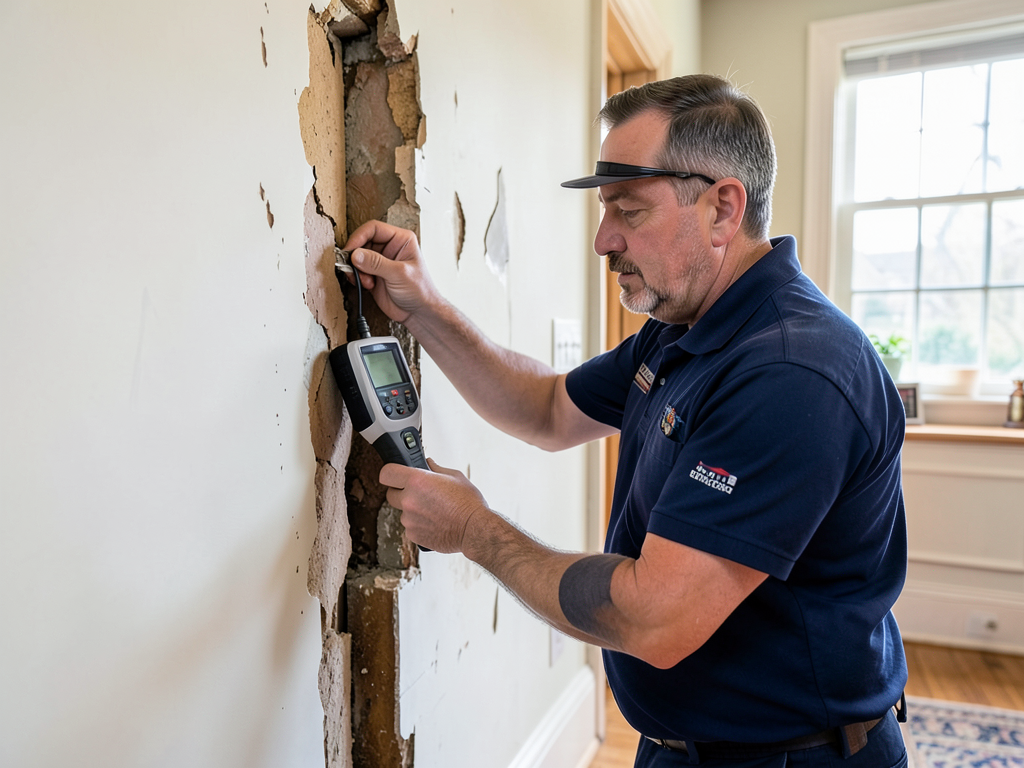
Proper documentation during both phases is critical for smooth claims processing. Technicians use moisture meters to create baseline readings before starting work. They take photos of all damage and maintain detailed logs of equipment usage. This documentation supports your claim and helps adjusters understand the scope of work needed.
Many Richmond homeowners find that immediate mitigation actually reduces their restoration costs. By stopping water quickly and preventing secondary damage like mold growth the total claim amount often stays under policy limits. Waiting to call for help almost always results in higher costs as damage spreads and worsens.
When to Call for Each Service
Call for mitigation immediately when you discover active water intrusion. This includes burst pipes, overflowing appliances, roof leaks during storms, or sewage backups. Don’t wait to see if the problem resolves itself. Water spreads quickly and every hour increases the damage and mold risk.
Restoration services are needed after the emergency is controlled. You’ll need restoration if you have damaged drywall, warped flooring, or need to rebuild affected areas. Some restoration work can begin while mitigation is still ongoing if the structure is stable and safe to work in.
Many Richmond homeowners benefit from a single company handling both phases. This ensures continuity of care and prevents miscommunication between different contractors. The same team that dried your home can return to rebuild it using the same documentation and understanding of the damage.. Read more about The Difference Between Clean and Dirty Water (And Why it Matters for Your Health).
The Cost Factor
Mitigation costs are typically lower than restoration costs because they focus on emergency response rather than rebuilding. A typical mitigation job might cost $2,000-$5,000 depending on the size of the affected area and the type of water involved. Sewage cleanup costs more due to the additional safety requirements. Sump Pump Failure Cleanup and Repair in Bon Air.
Restoration costs vary widely based on the extent of damage. Replacing a few sheets of drywall might cost $1,000-$2,000 while rebuilding an entire room could run $10,000 or more. The key is that proper mitigation often prevents the need for extensive restoration work.
Insurance typically covers both services if the damage is sudden and accidental. However, coverage for secondary damage like mold may be limited or require additional riders on your policy. This makes immediate mitigation even more important as it prevents issues that might not be covered.
Common Mistakes Richmond Homeowners Make
One of the biggest mistakes is trying to handle water damage with household fans and shop vacs. Consumer equipment lacks the power to properly dry building materials and can actually spread contamination. Another mistake is waiting too long to call for help. By the time visible damage appears mold may already be growing inside walls.
Some homeowners also make the error of removing wet materials themselves. This can release mold spores into the air and create health hazards. Professional technicians use containment procedures and wear protective equipment to handle contaminated materials safely.
Finally, many Richmond residents underestimate how humidity affects drying times. Even with visible water removed the moisture in the air can keep materials wet for days. Professional dehumidification equipment is necessary to bring humidity levels back to normal and prevent ongoing damage.
Why You Need Both Services
Attempting restoration without proper mitigation is like rebuilding on a wet foundation. You might replace drywall only to have it fail again when hidden moisture causes mold growth or structural damage. Similarly, stopping the water without addressing the damage leaves you with an unsafe, uncomfortable living space.
The two phases work together to protect your health and your investment. Mitigation prevents immediate dangers like electrical hazards and mold growth. Restoration ensures your home is safe, functional, and maintains its value. Together they provide complete recovery from water damage.
Richmond’s climate and building stock make this dual approach especially important. The combination of humidity, aging infrastructure, and historic construction creates conditions where water damage can quickly become severe and costly. Professional mitigation and restoration are your best defense against these risks.
Frequently Asked Questions
How long does water mitigation take in Richmond homes?
Most mitigation jobs in Richmond take 2-3 days depending on the extent of damage and the type of materials affected. Historic homes with plaster walls may require longer drying times than modern construction.
Will my insurance cover both mitigation and restoration?
Most homeowner’s policies cover both services if the damage is sudden and accidental. However, coverage limits and exclusions vary by policy. Immediate mitigation often helps prevent issues that might not be covered.
Can I stay in my home during mitigation and restoration?
This depends on the extent of damage and the affected areas. For minor incidents you might stay in unaffected parts of your home. For major damage or sewage contamination temporary relocation is often recommended for safety.
How do I know if I need both services?
If you have active water intrusion you need mitigation immediately. If you have damaged building materials or need to rebuild affected areas you need restoration. Many situations require both services for complete recovery.
Take Action Before Water Takes Over Your Home
Water damage doesn’t wait and neither should you. Every hour of delay allows water to spread deeper into your home’s structure and creates perfect conditions for mold growth. Richmond’s humid climate means moisture problems escalate quickly, turning a simple leak into a major reconstruction project.
Don’t gamble with your home’s safety and your family’s health. Professional water mitigation stops the damage immediately while restoration ensures your home is fully recovered and safe to live in. This two-phase approach is the only way to truly protect your investment and prevent ongoing problems.
Call (804) 602-2644 today to schedule your inspection. Our certified technicians are ready to respond 24/7 with the equipment and expertise needed to handle both mitigation and restoration. Whether you’re dealing with a burst pipe in Short Pump or a sewage backup in The Fan we have the local knowledge and professional training to get your home back to normal fast.
Pick up the phone and call (804) 602-2644 before the next storm hits. Water damage waits for no one but we’re ready to respond whenever you need us. Your home deserves professional care from start to finish.
{
“@context”: “https://schema.org”,
“@type”: “BlogPosting”,
“headline”: “The Difference Between Mitigation and Restoration (And Why You Need Both)”,
“description”: “Learn how water mitigation stops damage fast while restoration rebuilds your home. Serving Richmond homeowners with expert 24/7 emergency response.”,
“wordCount”: 1848,
“datePublished”: “2026-03-20T08:00:00.000Z”,
“dateModified”: “2026-03-20T08:00:00.000Z”,
“inLanguage”: “en-US”,
“mainEntityOfPage”: {
“@type”: “WebPage”,
“@id”: “https://horizonwaterdamagerestorationrichmond.com”
},
“publisher”: {
“@type”: “LocalBusiness”,
“name”: “Horizon Water Damage Restoration Richmond”,
“url”: “https://horizonwaterdamagerestorationrichmond.com”
},
“author”: {
“@type”: “Organization”,
“name”: “Horizon Water Damage Restoration Richmond”,
“url”: “https://horizonwaterdamagerestorationrichmond.com”
},
“image”: {
“@type”: “ImageObject”,
“url”: “https://horizonwaterdamagerestorationrichmond.com/wp-content/uploads/2026/03/the-difference-between-mitigation-and-restoration-1.png”
}
}
{
“@context”: “https://schema.org”,
“@type”: “LocalBusiness”,
“name”: “Horizon Water Damage Restoration Richmond”,
“url”: “https://horizonwaterdamagerestorationrichmond.com”,
“address”: {
“@type”: “PostalAddress”,
“addressLocality”: “Richmond”
},
“areaServed”: {
“@type”: “City”,
“name”: “Richmond”
}
}
{
“@context”: “https://schema.org”,
“@type”: “FAQPage”,
“mainEntity”: [
{
“@type”: “Question”,
“name”: “The Immediate Response: What is Water Mitigation?”,
“acceptedAnswer”: {
“@type”: “Answer”,
“text”: “Water mitigation is the first and most urgent phase of water damage recovery. When you call for emergency service a certified technician arrives within 60 minutes or less to assess the situation and begin stopping the damage. This phase focuses on three critical actions: stopping the water source, extracting standing water, and preventing secondary damage. Commercial Water Damage Restoration for Downtown Richmond Businesses.”
}
},
{
“@type”: “Question”,
“name”: “The Rebuilding Phase: What is Water Restoration?”,
“acceptedAnswer”: {
“@type”: “Answer”,
“text”: “Water restoration begins after the emergency has passed and the property is stabilized. This phase addresses the damage that occurred and rebuilds your home to its original condition. Restoration can take days or weeks depending on the extent of damage and involves multiple trades working together. Emergency Board-Up Services.”
}
},
{
“@type”: “Question”,
“name”: “How long does water mitigation take in Richmond homes?”,
“acceptedAnswer”: {
“@type”: “Answer”,
“text”: “Most mitigation jobs in Richmond take 2-3 days depending on the extent of damage and the type of materials affected. Historic homes with plaster walls may require longer drying times than modern construction.”
}
},
{
“@type”: “Question”,
“name”: “Will my insurance cover both mitigation and restoration?”,
“acceptedAnswer”: {
“@type”: “Answer”,
“text”: “Most homeowner’s policies cover both services if the damage is sudden and accidental. However, coverage limits and exclusions vary by policy. Immediate mitigation often helps prevent issues that might not be covered.”
}
},
{
“@type”: “Question”,
“name”: “Can I stay in my home during mitigation and restoration?”,
“acceptedAnswer”: {
“@type”: “Answer”,
“text”: “This depends on the extent of damage and the affected areas. For minor incidents you might stay in unaffected parts of your home. For major damage or sewage contamination temporary relocation is often recommended for safety.”
}
},
{
“@type”: “Question”,
“name”: “How do I know if I need both services?”,
“acceptedAnswer”: {
“@type”: “Answer”,
“text”: “If you have active water intrusion you need mitigation immediately. If you have damaged building materials or need to rebuild affected areas you need restoration. Many situations require both services for complete recovery.”
}
}
]
}
{
“@context”: “https://schema.org”,
“@type”: “BreadcrumbList”,
“itemListElement”: [
{
“@type”: “ListItem”,
“position”: 1,
“name”: “Home”,
“item”: “https://horizonwaterdamagerestorationrichmond.com”
},
{
“@type”: “ListItem”,
“position”: 2,
“name”: “Blog”,
“item”: “https://horizonwaterdamagerestorationrichmond.com/blog”
},
{
“@type”: “ListItem”,
“position”: 3,
“name”: “The Difference Between Mitigation and Restoration (And Why You Need Both)”
}
]
}
{
“@context”: “https://schema.org”,
“@type”: “Service”,
“serviceType”: “Water Damage Restoration”,
“provider”: {
“@type”: “LocalBusiness”,
“name”: “Horizon Water Damage Restoration Richmond”,
“url”: “https://horizonwaterdamagerestorationrichmond.com”
},
“areaServed”: {
“@type”: “City”,
“name”: “Richmond”
},
“description”: “Learn how water mitigation stops damage fast while restoration rebuilds your home. Serving Richmond homeowners with expert 24/7 emergency response.”
}