




Chesterfield sits in the humid subtropical climate zone where moisture problems compound fast. The area's clay-heavy soil expands and contracts with seasonal rainfall, creating foundation stress that lets water seep into basements and crawl spaces. Homes near the Swift Creek Reservoir and along the Appomattox River face elevated flood risk during spring storms and hurricane season.
The mix of older construction in central Chesterfield and rapid development in western areas creates varied vulnerability. Many properties built before modern waterproofing standards struggle with outdated drainage systems. Meanwhile, new construction on cleared land faces runoff issues as disturbed soil settles.
Chesterfield County's building codes require proper grading and drainage, but heavy rainfall overwhelms systems. Summer thunderstorms dump inches of rain in hours. Winter freeze-thaw cycles burst pipes in attics and exterior walls. High humidity year-round creates condensation in poorly ventilated crawl spaces, leading to hidden moisture damage and mold growth.
The area's HVAC systems run hard to combat humidity, and when drain lines clog or units fail, water spreads through ceilings and walls. Homes in neighborhoods like Woodlake, Brandermill, and Ettrick each face distinct challenges based on age, elevation, and proximity to water features. Understanding these local factors means faster response and better protection for your property.
When water invades your home, you need a company that shows up fast and does the job right the first time. Horizon Water Damage Restoration Richmond built our reputation in the greater Richmond metro by treating every emergency like it's happening to our own family. We serve Chesterfield properties with the same urgency and care we'd want for ourselves.
Our technicians know the difference between surface water and structural saturation. We use thermal imaging to find hidden moisture in walls and subfloors that basic inspections miss. This matters because water left behind leads to mold, rot, and thousands in additional damage. We extract what's visible and hunt down what's hidden.
We operate 24 hours a day because water damage doesn't respect business hours. Burst pipes happen at midnight. Storm flooding arrives on weekends. When you call, you reach our dispatch team immediately, not an answering service. Our trucks carry industrial extraction equipment, commercial dehumidifiers, and air movers so we arrive ready to work.
Insurance claims intimidate most homeowners. We document everything with photos, moisture readings, and detailed reports that adjusters need to process claims quickly. Our team coordinates directly with insurance companies to reduce your stress and paperwork. We know what documentation matters and how to present it.
Chesterfield families choose us because we stop damage from spreading, dry structures completely, and restore properties to pre-loss condition. We don't leave until the job meets our standards, not just yours.

Our trucks roll within one hour of your call, day or night. Every minute water sits on your floors increases damage to subfloors, drywall, and structural wood. Fast extraction stops loss from spreading and reduces total restoration time. We arrive equipped to start work immediately, not schedule a later visit.

We use thermal imaging cameras and moisture meters to map water you can't see. Hidden moisture in wall cavities and under flooring leads to mold and structural rot. Our technicians check every affected area and adjacent spaces to ensure complete drying. We verify dry conditions with follow-up testing before closing any job.
We handle documentation, photos, and communication with your insurance adjuster. Our detailed reports include moisture readings, affected materials, and recommended repairs. This streamlines claims processing and reduces denials. Most homeowners find our involvement speeds up approval and reimbursement compared to handling claims alone.
We restore homes across Chesterfield daily and understand how local construction methods, soil conditions, and weather patterns affect water damage. Homes in flood-prone areas need different approaches than properties with burst pipes. Our experience with Chesterfield's clay soil, humidity levels, and building types ensures appropriate restoration techniques for your specific situation.
Water damage comes in many forms, and each requires specific equipment and techniques. A flooded basement needs different treatment than a leaking roof or burst pipe. Horizon Water Damage Restoration Richmond provides complete water damage mitigation, cleanup, and restoration services for residential and commercial properties throughout Chesterfield.
Our service range covers everything from initial emergency response through final restoration. We extract standing water, dry structural materials, remove damaged contents, treat for microbial growth, and rebuild affected areas. This complete approach means you work with one company from emergency through completion instead of coordinating multiple contractors.
We categorize our services based on damage type and urgency level. Emergency water removal stops active flooding and prevents further loss. Structural drying addresses moisture in building materials to prevent mold and rot. Restoration repairs and rebuilds damaged areas to pre-loss condition. Each service follows IICRC standards for water damage remediation, ensuring proper techniques and complete drying.
Whether you face basement flooding from storm water, ceiling damage from roof leaks, or widespread loss from plumbing failures, our technicians respond with appropriate equipment and methods. We assess damage severity, develop a remediation plan, and execute restoration work efficiently.
When water covers your floors, immediate extraction prevents damage from spreading to unaffected areas. Our truck-mounted pumps remove standing water from basements, crawl spaces, and flooded rooms in minutes. We extract water from carpets, padding, and subfloors before moisture wicks into walls and cabinets. This emergency response service includes furniture relocation, content protection, and initial moisture mapping to identify all affected areas. Speed matters because every hour water sits increases restoration costs and drying time.
Removing visible water is just the first step. Moisture absorbed into drywall, insulation, framing, and subfloors requires specialized drying equipment. We position commercial dehumidifiers and air movers to create optimal drying conditions in affected spaces. Our technicians monitor moisture levels daily with meters and adjust equipment placement as materials dry. This prevents mold growth, structural rot, and long-term damage. We don't remove equipment until moisture readings confirm complete drying to acceptable levels.
After drying completes, damaged materials need replacement or repair. We remove water-damaged drywall, insulation, flooring, and trim. Our crews rebuild walls, install new subfloors, replace carpeting, and repaint affected areas. This full-service approach means you don't coordinate separate contractors for demolition, drying, and reconstruction. We handle the complete process from emergency response through final walkthrough. Your property returns to normal condition without the hassle of managing multiple vendors and timelines.
Chesterfield's climate and construction characteristics create predictable water damage patterns. Understanding these common problems helps property owners recognize issues early and respond quickly. The area's high humidity, seasonal rainfall, and soil conditions contribute to moisture intrusion that leads to serious damage when ignored.
Basements and crawl spaces face constant moisture pressure from clay soil that holds water against foundation walls. Spring storms overwhelm drainage systems, pushing groundwater into lower levels. Summer humidity creates condensation in poorly ventilated spaces. Winter brings frozen pipes that burst when temperatures spike.
Older homes in central Chesterfield often have outdated waterproofing and drainage. Newer construction in western areas can suffer from poor grading on disturbed soil. Properties near Swift Creek and the Appomattox River face elevated flood risk. Each situation requires specific solutions based on water source and damage extent.
Recognizing these problems early saves thousands in repair costs and prevents health hazards from mold growth.
Chesterfield's clay soil absorbs water slowly, creating hydrostatic pressure against foundation walls. Heavy rain overwhelms perimeter drainage, pushing groundwater through cracks and seams. Sump pumps fail during power outages when you need them most. Standing water damages HVAC systems, water heaters, and stored belongings. Moisture in crawl spaces rots floor joists and breeds mold that affects indoor air quality.
Winter freeze-thaw cycles burst pipes in attics, exterior walls, and crawl spaces. Water under pressure floods rooms in minutes, damaging ceilings, walls, and floors throughout the home. Supply line failures at water heaters, washing machines, and toilets release hundreds of gallons before discovery. Old galvanized pipes corrode and fail without warning. These sudden failures require immediate response to minimize damage and restoration costs.
Summer thunderstorms and tropical systems dump heavy rain that finds any roof vulnerability. Missing shingles, failed flashing, and clogged gutters let water into attics and wall cavities. Damage often goes unnoticed until stains appear on ceilings or walls. By then, insulation is soaked and mold is growing. Wind-driven rain penetrates around windows and doors, damaging interior finishes and floor coverings.
Air conditioning systems run constantly in Chesterfield's humid summers. Condensate drain lines clog, overflowing pans and flooding through ceilings. Refrigerator ice makers and dishwasher supply lines fail, releasing water onto floors that seeps into cabinets and subfloors. These slow leaks cause hidden damage over time, weakening structures and creating ideal mold growth conditions before discovery. Regular maintenance prevents most appliance-related water damage.
Water damage creates stress and uncertainty. You worry about costs, timelines, and whether your property will return to normal. Our process removes that uncertainty with clear communication and defined expectations at every step.
When you call our emergency line, you speak immediately with our dispatch team. They gather details about your situation, provide initial guidance to minimize damage, and send a crew to your property. Most Chesterfield calls receive response within one hour.
Our technicians arrive with extraction equipment, moisture detection tools, and protective gear. They assess damage, explain what needs to happen, and start emergency services immediately. You receive a detailed scope of work and timeline before major work begins. We document everything for insurance purposes and keep you informed as conditions change.
We respect your property and your time. Our crews protect unaffected areas, minimize disruption, and clean up daily. You'll know what's happening, why it's necessary, and how long it takes.
Your call connects directly to our dispatch team who sends the nearest available crew to your location. We provide realistic arrival times and call if delays occur. Our technicians introduce themselves, assess the situation, and explain the emergency plan before starting work. You receive contact information for the crew chief managing your job. We answer questions promptly and provide daily updates during multi-day projects. This open communication reduces anxiety and keeps you informed throughout restoration.
We photograph and document all damage before starting work. Our technicians record moisture readings, affected materials, and equipment placement. This detailed documentation supports insurance claims and prevents disputes about damage extent. We provide you with copies of all reports and photos. Our team communicates directly with adjusters, answers their questions, and provides additional documentation they request. This involvement typically speeds claims processing and increases approval rates for necessary repairs.
We don't guess when structures are dry. Our technicians use moisture meters to verify that all affected materials reach acceptable dryness levels before removing equipment. This scientific approach prevents mold growth and ensures lasting repairs. You receive a completion report showing final moisture readings and confirming dry conditions. We stand behind our work and address any concerns that arise after project completion. Your property returns to pre-loss condition, not just visibly dry but completely restored.
Water damage restoration follows a proven sequence that stops damage, removes moisture, and returns your property to normal. Each phase builds on the previous step to ensure complete and lasting results.
Our crew arrives and immediately evaluates damage severity, water source, and affected areas. We stop active water intrusion if possible and protect unaffected spaces. Truck-mounted extractors remove standing water from floors, carpets, and subfloors. We relocate furniture and contents to dry areas or protective storage. Thermal imaging identifies hidden moisture in walls and cavities. This emergency phase typically completes within hours of arrival, stopping damage from spreading and beginning the drying process.
After extraction, we position commercial dehumidifiers and air movers to create optimal drying conditions. Equipment runs continuously, removing moisture from building materials and air. Our technicians visit daily to monitor moisture levels, adjust equipment, and document progress. This phase typically takes three to five days depending on materials affected and humidity levels. We measure moisture in multiple locations to ensure complete drying. Equipment remains on-site until readings confirm all materials have reached acceptable dryness standards.
Once drying completes, we remove damaged materials and begin reconstruction. This includes drywall replacement, subfloor repair, trim installation, painting, and flooring replacement. Our crews work efficiently to return your property to pre-loss condition. We conduct a final walkthrough to verify quality and address any concerns. You receive documentation showing completion and final moisture readings. Most restoration projects finish within two weeks of starting, though extensive damage may require more time.
Professional water damage restoration follows specific protocols established by the Institute of Inspection, Cleaning and Restoration Certification. These IICRC S500 standards define proper techniques for water damage mitigation based on water category, material types, and contamination levels.
Water damage falls into three categories based on contamination. Category 1 involves clean water from supply lines or rain. Category 2 contains some contamination from appliances or washing machines. Category 3 is highly contaminated from sewage or flooding. Each category requires different handling and disposal methods.
Materials are classified by how they absorb and release moisture. Class 1 affects minimal absorbent materials. Class 2 involves entire rooms with carpet and drywall. Class 3 includes ceilings, walls, insulation, and subfloors. Class 4 requires specialty drying for hardwood, plaster, and concrete. Classification determines drying time and equipment needs.
Virginia doesn't require water damage contractors to hold specific licenses, but proper training matters. IICRC-certified technicians understand psychrometry, structural drying principles, and microbial remediation protocols. They know how to calculate proper dehumidification capacity for affected spaces and monitor drying progress scientifically.
Chesterfield County building codes require permits for structural repairs and electrical work during restoration. Properties in flood zones need elevation certificates and may require compliance with FEMA standards. Insurance companies expect documentation following industry standards to process claims. Working with trained professionals ensures proper techniques, code compliance, and insurance acceptance.
Moisture meters measure water content in materials. Hygrometers track relative humidity and temperature. Thermal imaging cameras detect hidden moisture. This equipment allows technicians to make data-driven decisions about drying completion rather than visual guesses that lead to mold problems later.
The IICRC S500 standard defines proper water damage restoration practices based on scientific principles. Certified technicians complete training in water damage categories, material classifications, psychrometry, and drying techniques. This education ensures consistent, effective restoration that prevents mold growth and structural damage. Insurance companies recognize IICRC standards and expect documentation following these protocols.
Water damage costs vary based on contamination category, affected area size, material types, and drying time. Clean water extraction costs less than sewage cleanup. Hardwood floor drying requires more equipment than carpet. Insurance typically covers sudden and accidental damage like burst pipes but may exclude gradual leaks or maintenance issues. Most policies have separate deductibles for water and flood damage.
Structural drying typically takes three to five days but varies with humidity, temperature, airflow, and material density. Drywall reaches acceptable moisture in two days while hardwood needs a week. Completion requires scientific verification with moisture meters, not visual inspection. Materials must reach specific moisture content levels based on type. Removing equipment too early leads to mold growth and failed restoration.
Mold grows within 24 to 48 hours in moist conditions. Proper water extraction and rapid drying prevent growth. When mold appears, IICRC S520 standards guide remediation. This includes containment, air filtration, removal of affected materials, and antimicrobial treatment. Virginia doesn't regulate mold remediation, but proper training prevents health risks and ensures complete removal. Insurance coverage for mold varies by policy and cause.
This video explains the water damage restoration process for Chesterfield, Virginia properties. Horizon Water Damage Restoration Richmond demonstrates emergency response procedures, water extraction techniques, structural drying methods, and complete restoration services. Learn about common water damage problems in Chesterfield including basement flooding, burst pipes, and storm damage. The video covers IICRC restoration standards, moisture detection equipment, drying timelines, and insurance documentation requirements for water damage claims.
Horizon Water Damage Restoration Richmond serves the entire Chesterfield area from established neighborhoods to new developments. Our rapid response covers properties throughout the county, ensuring fast arrival times regardless of location.
In western Chesterfield, communities like Woodlake and Brandermill feature homes built around lakes and waterways. These properties face unique challenges from high water tables and proximity to recreational water features. We respond quickly to these areas and understand the specific drainage and foundation issues common to lakefront construction. The Midlothian area continues growing with new residential construction on former agricultural land, where soil disturbance and grading problems create water intrusion issues during heavy rain.
Central Chesterfield neighborhoods including Bon Air and the areas near Chippenham Parkway contain older homes with mature trees and established landscaping. These properties often have outdated waterproofing and drainage systems that struggle with current rainfall patterns. Roots infiltrate sewer lines, causing backups. Aging plumbing fails without warning. We serve these communities daily and know the common problems affecting homes built in different construction eras.
Eastern Chesterfield, including Ettrick and areas along Route 1, features a mix of residential and commercial properties. Proximity to the Appomattox River increases flood risk during tropical systems and spring storms. We maintain equipment staged for rapid deployment to flood-prone areas when weather threatens.
The Chester area north of Interstate 95 faces growth pressure with new subdivisions and commercial development. These properties benefit from modern building codes but can suffer from construction defects and warranty issues. We document conditions carefully to support homeowner claims against builders when appropriate.
Our service area extends to the Chesterfield County line and into adjacent Powhatan County to the west. We respond to calls near Swift Creek Reservoir, along Bailey Bridge Road, and throughout the Courthouse Village area. Distance from our staging location doesn't slow our response time because we staff multiple crews and position equipment strategically throughout the greater Richmond metro.
Whether your property sits in an established neighborhood near Clover Hill High School or new construction along Woolridge Road, our team knows the area and responds quickly. We understand how Chesterfield's geography, soil conditions, and development patterns affect water damage risks. This local knowledge helps us restore your property efficiently and prevent future problems.
Water damage restoration costs in Chesterfield typically range from a few hundred to several thousand dollars, depending on the damage extent and water category. A small leak affecting one room costs less than a flooded basement requiring structural drying and mold prevention. Factors include water source (clean vs. sewage), affected square footage, materials damaged, and extraction complexity. Most Chesterfield properties face humidity-related moisture issues that escalate costs if ignored. Insurance often covers sudden events like burst pipes but not gradual leaks. Get a free inspection to understand your specific situation before water spreads and costs multiply.
Water damage restoration is worth it because untreated water causes exponential problems. In Chesterfield's humid climate, moisture triggers mold growth within 24 to 48 hours, compromises structural integrity, and destroys flooring and drywall. Professional restoration includes extraction, drying, sanitizing, and preventing secondary damage. Ignoring water damage drops your property value, creates health hazards, and voids insurance coverage if neglect is proven. The repair cost only increases as damage spreads. Fast action protects your investment, maintains indoor air quality, and prevents foundation issues common in Chesterfield's clay soil areas where moisture shifts settling patterns.
Repairing water damaged floors in Chesterfield costs between a few hundred dollars for surface fixes to several thousand for complete replacement, depending on flooring type and saturation level. Hardwood floors may need refinishing or board replacement if cupping occurs. Laminate rarely survives significant water exposure. Carpet and padding usually require replacement if soaked. Subfloor damage adds substantial costs. Timeframe matters because moisture trapped beneath flooring breeds mold and rots underlayment. Professional moisture meters detect hidden saturation that causes problems later. Insurance may cover sudden water events but not long-term neglect or improper maintenance.
Water damage restoration costs in Chesterfield typically range from a few hundred to several thousand dollars, depending on the damage extent and water category. A small leak affecting one room costs less than a flooded basement requiring structural drying and mold prevention. Factors include water source (clean vs. sewage), affected square footage, materials damaged, and extraction complexity. Most Chesterfield properties face humidity-related moisture issues that escalate costs if ignored. Insurance often covers sudden events like burst pipes but not gradual leaks. Get a free inspection to understand your specific situation before water spreads and costs multiply.
Water damage restoration is worth it because untreated water causes exponential problems. In Chesterfield's humid climate, moisture triggers mold growth within 24 to 48 hours, compromises structural integrity, and destroys flooring and drywall. Professional restoration includes extraction, drying, sanitizing, and preventing secondary damage. Ignoring water damage drops your property value, creates health hazards, and voids insurance coverage if neglect is proven. The repair cost only increases as damage spreads. Fast action protects your investment, maintains indoor air quality, and prevents foundation issues common in Chesterfield's clay soil areas where moisture shifts settling patterns.
Repairing water damaged floors in Chesterfield costs between a few hundred dollars for surface fixes to several thousand for complete replacement, depending on flooring type and saturation level. Hardwood floors may need refinishing or board replacement if cupping occurs. Laminate rarely survives significant water exposure. Carpet and padding usually require replacement if soaked. Subfloor damage adds substantial costs. Timeframe matters because moisture trapped beneath flooring breeds mold and rots underlayment. Professional moisture meters detect hidden saturation that causes problems later. Insurance may cover sudden water events but not long-term neglect or improper maintenance.
Servpro and similar franchises typically take three to five days for standard water damage jobs, though complex situations extend longer. Timelines depend on water category, affected square footage, structural materials, and equipment availability. Emergency response usually happens within hours, but full drying and restoration span multiple days as industrial dehumidifiers and air movers run continuously. Chesterfield's high humidity slows drying times compared to arid climates. Each company operates independently with different response capabilities and crew sizes. Always confirm estimated timelines during your initial call and verify 24/7 availability for emergencies before committing.
Insurance typically covers water restoration if damage results from sudden, accidental events like burst pipes, appliance malfunctions, or storm-related roof leaks. Chesterfield homeowners must file claims quickly and document everything with photos. Policies exclude gradual damage from neglected maintenance, groundwater seepage, or flood events requiring separate flood insurance. Your deductible applies, and coverage limits vary by policy. Insurance adjusters inspect damage severity before approving claims. Professional restoration companies navigate the claims process, provide detailed documentation, and communicate directly with adjusters. Review your policy exclusions annually and understand what triggers coverage versus denial.
Waterproofing a 1500 square foot basement in Chesterfield typically costs between several thousand to over ten thousand dollars, depending on methods used and existing moisture problems. Interior sealants are cheapest but least effective. Exterior excavation and membrane installation cost more but address root causes. French drains, sump pumps, and vapor barriers add to costs. Chesterfield's clay soil expands when wet, creating hydrostatic pressure against foundations, making proper drainage critical. Severe water intrusion requires combination approaches. Get multiple quotes specifying warranty coverage and methods used. Proper waterproofing protects your largest investment and prevents recurring restoration bills.
The average water damage insurance claim ranges from several thousand to over ten thousand dollars, though severe cases exceed this substantially. Chesterfield claims vary based on damage source, affected area, and secondary issues like mold. Burst pipe claims average mid-range costs. Sewage backups and extensive flooding push claims higher due to contamination and structural damage. Insurance companies categorize water by cleanliness, affecting coverage amounts. Clean water costs less to remediate than gray or black water requiring sanitization. Document everything immediately, act fast to prevent escalation, and work with restoration professionals who understand insurance requirements and proper documentation.
Water damage turns to mold within 24 to 48 hours in Chesterfield's humid conditions. Mold spores exist everywhere and need only moisture, organic material, and warmth to colonize. Porous materials like drywall, insulation, and carpet become breeding grounds fast. Hidden moisture inside walls or under flooring creates invisible mold growth that spreads before you notice. Temperature and humidity levels accelerate timelines. This narrow window makes immediate water extraction and drying critical. Delay risks health problems, structural damage, and insurance complications since policies may deny claims for mold resulting from neglected water damage. Act within hours, not days.
If you cannot afford mold remediation in Chesterfield, address moisture sources immediately to stop growth, then explore options. Contact your insurance company because policies sometimes cover mold resulting from covered water events. Some restoration companies offer payment plans or financing. Small, surface mold on non-porous materials can be cleaned with proper safety equipment, though this does not address hidden growth or moisture sources. Ignoring mold creates bigger problems and costs. Local nonprofits sometimes assist low-income homeowners with emergency repairs. Document everything and get free inspections to understand scope before assuming you cannot afford proper remediation.
Homeowners insurance covers water damaged floors if damage results from sudden, covered perils like burst pipes, appliance leaks, or roof damage from storms. Chesterfield policies typically exclude damage from floods, groundwater seepage, or gradual leaks you failed to address. Your deductible applies, and coverage depends on your policy limits and cause of loss. Insurance adjusters determine if damage was sudden and accidental or resulted from neglect. File claims immediately, document all damage with photos, and stop water sources to prevent further loss. Professional restoration documentation strengthens claims and speeds approval processes.
Servpro and similar franchises typically take three to five days for standard water damage jobs, though complex situations extend longer. Timelines depend on water category, affected square footage, structural materials, and equipment availability. Emergency response usually happens within hours, but full drying and restoration span multiple days as industrial dehumidifiers and air movers run continuously. Chesterfield's high humidity slows drying times compared to arid climates. Each company operates independently with different response capabilities and crew sizes. Always confirm estimated timelines during your initial call and verify 24/7 availability for emergencies before committing.
Insurance typically covers water restoration if damage results from sudden, accidental events like burst pipes, appliance malfunctions, or storm-related roof leaks. Chesterfield homeowners must file claims quickly and document everything with photos. Policies exclude gradual damage from neglected maintenance, groundwater seepage, or flood events requiring separate flood insurance. Your deductible applies, and coverage limits vary by policy. Insurance adjusters inspect damage severity before approving claims. Professional restoration companies navigate the claims process, provide detailed documentation, and communicate directly with adjusters. Review your policy exclusions annually and understand what triggers coverage versus denial.
Waterproofing a 1500 square foot basement in Chesterfield typically costs between several thousand to over ten thousand dollars, depending on methods used and existing moisture problems. Interior sealants are cheapest but least effective. Exterior excavation and membrane installation cost more but address root causes. French drains, sump pumps, and vapor barriers add to costs. Chesterfield's clay soil expands when wet, creating hydrostatic pressure against foundations, making proper drainage critical. Severe water intrusion requires combination approaches. Get multiple quotes specifying warranty coverage and methods used. Proper waterproofing protects your largest investment and prevents recurring restoration bills.
The average water damage insurance claim ranges from several thousand to over ten thousand dollars, though severe cases exceed this substantially. Chesterfield claims vary based on damage source, affected area, and secondary issues like mold. Burst pipe claims average mid-range costs. Sewage backups and extensive flooding push claims higher due to contamination and structural damage. Insurance companies categorize water by cleanliness, affecting coverage amounts. Clean water costs less to remediate than gray or black water requiring sanitization. Document everything immediately, act fast to prevent escalation, and work with restoration professionals who understand insurance requirements and proper documentation.
Water damage turns to mold within 24 to 48 hours in Chesterfield's humid conditions. Mold spores exist everywhere and need only moisture, organic material, and warmth to colonize. Porous materials like drywall, insulation, and carpet become breeding grounds fast. Hidden moisture inside walls or under flooring creates invisible mold growth that spreads before you notice. Temperature and humidity levels accelerate timelines. This narrow window makes immediate water extraction and drying critical. Delay risks health problems, structural damage, and insurance complications since policies may deny claims for mold resulting from neglected water damage. Act within hours, not days.
If you cannot afford mold remediation in Chesterfield, address moisture sources immediately to stop growth, then explore options. Contact your insurance company because policies sometimes cover mold resulting from covered water events. Some restoration companies offer payment plans or financing. Small, surface mold on non-porous materials can be cleaned with proper safety equipment, though this does not address hidden growth or moisture sources. Ignoring mold creates bigger problems and costs. Local nonprofits sometimes assist low-income homeowners with emergency repairs. Document everything and get free inspections to understand scope before assuming you cannot afford proper remediation.
Homeowners insurance covers water damaged floors if damage results from sudden, covered perils like burst pipes, appliance leaks, or roof damage from storms. Chesterfield policies typically exclude damage from floods, groundwater seepage, or gradual leaks you failed to address. Your deductible applies, and coverage depends on your policy limits and cause of loss. Insurance adjusters determine if damage was sudden and accidental or resulted from neglect. File claims immediately, document all damage with photos, and stop water sources to prevent further loss. Professional restoration documentation strengthens claims and speeds approval processes.
Horizon Water Damage Restoration proudly serves the greater Richmond area and surrounding communities. Our strategic location allows us to respond quickly and efficiently to your water damage emergencies, no matter where you are. We are committed to being a local, reliable presence for our neighbors. View our service area on the map below to see how we can reach you and provide the swift, expert service you need.
Address:
Chesterfield, VA, 23112
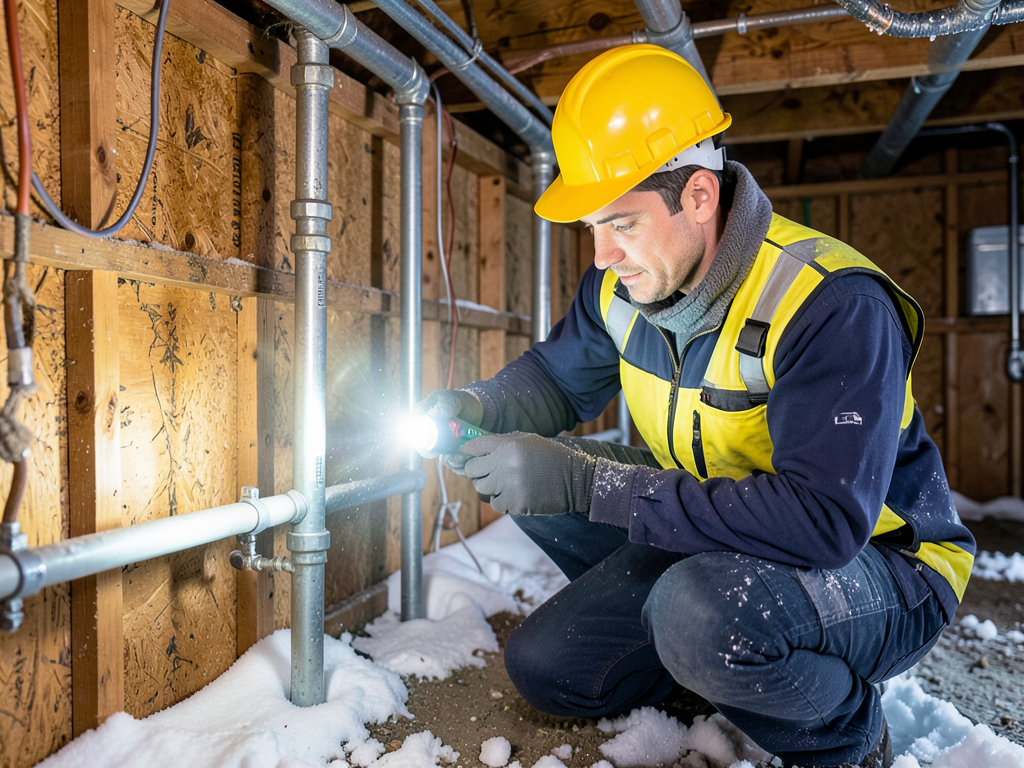
Keeping Your Pipes from Freezing When the Power Goes Out During a Richmond Winter Storm When winter storms hit Richmond and the power goes out, frozen pipes can turn into a homeowner's nightmare. The combination…

Investigating a Suddenly High Richmond Water Bill (Where to Look for Hidden Leaks) A sudden…

Should You Close Your Crawl Space Vents During the Humid Virginia Summer Months? Richmond’s summer…

What Bubbling Paint on Your Ceiling Actually Says About Your Roof or Plumbing Bubbling paint…
Water damage gets worse every hour. Call Horizon Water Damage Restoration Richmond now at (804) 602-2644 for immediate dispatch. Our crews respond 24/7 to protect your property and stop damage from spreading. Fast response saves money and reduces restoration time.