




Menu

Water Damage Restoration in Richmond | Complete Residential and Commercial Recovery Services

Expert water damage repair, cleanup, and remediation for homes and businesses throughout Richmond. From emergency water removal to full structural drying, we handle every phase of recovery with precision and speed.

Slider Image 1
Slider Image 2
Slider Image 3
Slider Image 4
Slider Image 5
Slider Image 7
Slider Image 8
Slider Image 9
Slider Image 10
Slider Image 11

Why Richmond Properties Face Constant Water Damage Threats

Richmond sits at the fall line of the James River, where piedmont geology meets coastal plain. This transition zone creates unique water challenges. The city experiences humid subtropical weather with an average annual rainfall of 44 inches. Heavy summer thunderstorms dump water faster than aging storm drains can handle, especially in older neighborhoods like the Fan District and Church Hill.

Clay-heavy soil beneath Richmond homes expands when wet and contracts when dry. This constant movement stresses foundation walls and creates hairline cracks where water seeps through. Homes built before 1950 often lack proper vapor barriers. Basements in Northside and Southside stay damp year-round.

The James River floods periodically. Shockoe Bottom and Manchester face flood risk every spring. Even properties outside the FEMA flood zone deal with rising groundwater after heavy rain.

Winter brings freeze-thaw cycles. Pipes in crawl spaces freeze and burst when temperatures drop below 32 degrees, then spike back up to 50 degrees within 24 hours. Attic pipes in historic homes lack insulation. One burst pipe releases 400 gallons per hour.

Aging infrastructure compounds problems. Cast iron drain lines corrode. Galvanized supply lines fail. Sewer backups push contaminated water into finished basements. Water damage remediation becomes urgent when sewage mixes with floodwater.

Richmond humidity creates perfect conditions for mold growth within 48 hours of water exposure. Without immediate water removal services and structural drying, you face health risks and property devaluation. Water damage cleanup requires understanding local building construction and climate patterns specific to Central Virginia.

Why Richmond Properties Face Constant Water Damage Threats
Our Technical Approach to Water Damage Mitigation

Our Technical Approach to Water Damage Mitigation

Water damage restoration requires systematic methodology, not random extraction. We follow IICRC S500 standards adapted for Richmond's specific building types and climate conditions.

First, we identify the water category. Category 1 is clean water from supply lines. Category 2 is gray water from appliances or toilet overflow without feces. Category 3 is black water containing sewage or floodwater. Each category requires different safety protocols and disposal methods. Richmond's combined sewer system means storm events often create Category 3 conditions in low-lying areas.

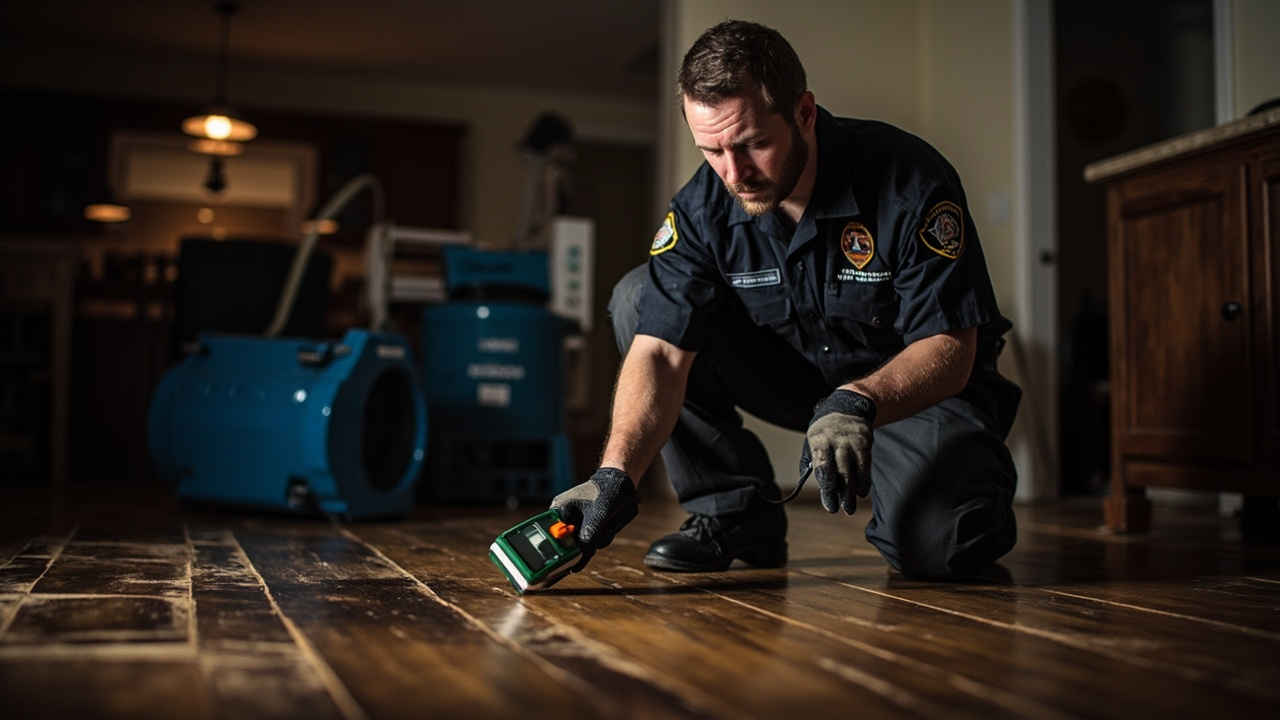
We map moisture levels using thermal imaging cameras and penetrating moisture meters. Wood framing holds moisture differently than plaster walls. Historic homes with horsehair plaster require gentler drying methods than modern drywall. We document readings in multiple locations to establish drying benchmarks.

Water extraction comes next. Truck-mounted pumps remove standing water at 150 gallons per minute. We pull water from crawl spaces, basements, and between floor joists. Extraction alone removes 95% of water, but the remaining 5% causes long-term damage.

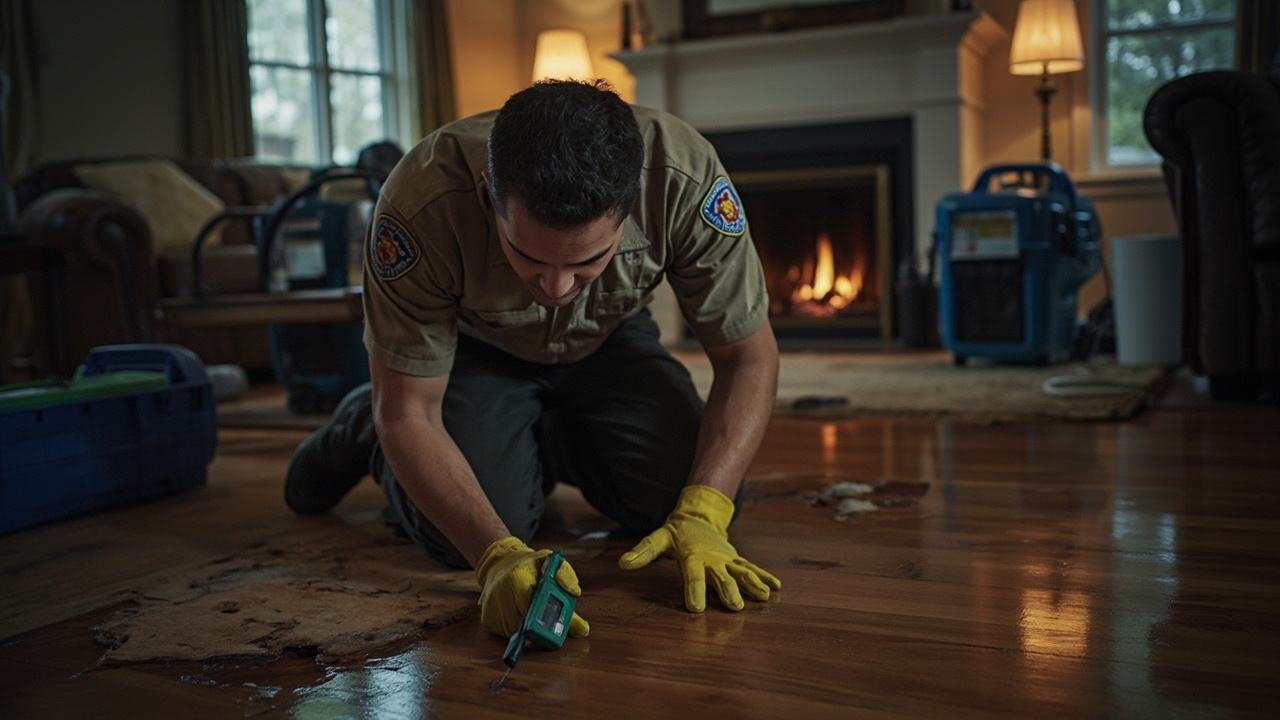
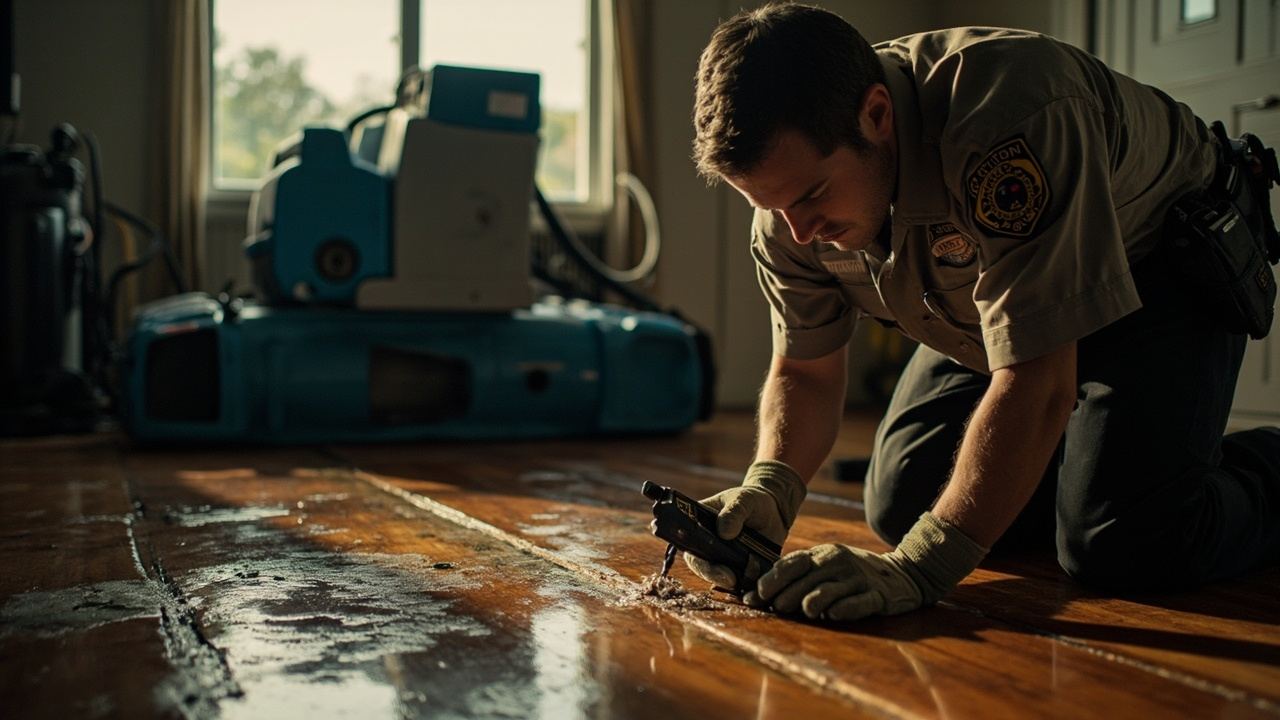
Structural drying targets that residual moisture. We position commercial dehumidifiers that pull 150 pints daily. Axial air movers create airflow across wet surfaces. We adjust equipment based on psychrometric readings. Drying a flooded basement takes 3 to 5 days depending on outdoor humidity and temperature.

We monitor daily. Moisture content in wood framing must drop below 15% before reconstruction begins. Concrete slabs need to reach below 4% on a calcium chloride test. Rushing this phase guarantees mold growth and material failure.

Water damage repair includes antimicrobial treatment on affected surfaces. We remove unsalvageable materials like saturated insulation, carpet pad, and bottom sections of drywall. Proper mitigation prevents secondary damage that costs triple the initial loss.

How Professional Water Restoration Actually Works

Water Damage Restoration in Richmond | Complete Residential and Commercial Recovery Services
01

Emergency Response and Assessment

Within 60 minutes of your call, our technicians arrive with moisture detection equipment and extraction tools. We locate the water source and stop active flow. A burst supply line gets shut off at the main valve. A roof leak gets emergency tarped. We document damage with photos and moisture readings for insurance claims. You receive a detailed scope of work before equipment deployment begins.
02

Water Extraction and Drying

Industrial pumps and wet vacuums remove standing water from all affected areas. We extract water from carpet, pad, and subflooring. Dehumidifiers and air movers run continuously to dry structural materials. Technicians monitor moisture levels twice daily and adjust equipment placement. We track temperature, humidity, and evaporation rates to optimize drying efficiency. This phase typically runs 72 to 120 hours depending on materials and saturation depth.
03

Restoration and Prevention

After materials reach acceptable moisture levels, reconstruction begins. We replace damaged drywall, insulation, flooring, and trim. Antimicrobial treatments prevent mold growth on framing and subfloors. We identify what caused the water intrusion and recommend prevention measures. This includes improved drainage, sump pump installation, or pipe insulation. The goal is returning your property to pre-loss condition while preventing future incidents through proactive upgrades.

Why Richmond Properties Need Local Water Damage Expertise

Richmond's building stock spans three centuries. Fan District homes date to the 1890s. Church Hill contains Federal-style townhouses from the 1820s. Each era used different construction methods. A technician trained in suburban tract homes cannot properly restore a 1920s bungalow with balloon framing and lime plaster walls.

We understand local architecture. Victorian homes have crawl spaces with dirt floors. Post-war ranches sit on concrete slabs. Mid-century split-levels have multiple foundation types in one structure. Each requires different water extraction approaches. Historic properties need careful drying to prevent plaster cracking or wood warping.

Richmond's regulatory environment matters. The Commission of Architectural Review governs work in historic districts. Permit requirements differ between the city and surrounding counties like Henrico and Chesterfield. We navigate these regulations daily. Our technicians know which materials and methods meet historic preservation standards while achieving proper drying.

Insurance claims require local knowledge. We work with adjusters from Virginia Farm Bureau, Nationwide, and State Farm offices right here in Richmond. We speak their language. Documentation follows their specific requirements. This accelerates claim approval and gets you paid faster.

Flood patterns vary by neighborhood. Shockoe Bottom floods from the James River. Lakeside deals with storm drain overwhelm. Battery Park sees groundwater intrusion. We have restored properties in every Richmond ZIP code. Experience with your specific area means faster problem identification and targeted solutions.

Mold remediation follows Virginia Department of Health guidelines. We hold proper certifications and use approved protocols. Local health inspectors recognize our work. This matters during property sales or rental inspections.

Richmond humidity requires aggressive dehumidification year-round. Coastal companies underestimate our moisture loads. Northern companies over-dry and crack historic plaster. We calibrate equipment for Central Virginia's specific climate conditions. That precision prevents both mold growth and structural damage from excessive drying.

What to Expect During Water Damage Recovery

Response Time and Availability

We dispatch crews 24 hours a day, 365 days per year. Water damage does not wait for business hours. A midnight pipe burst needs immediate attention to prevent catastrophic loss. Our average response time is 45 to 60 minutes anywhere in the Richmond metro area. Technicians arrive with truck-mounted extraction equipment, not just shop-vacs. We begin water removal immediately while other companies are still driving to your property. Night and weekend response carries no premium charges. Emergency mitigation starts the moment you call, minimizing damage spread and reducing total restoration costs. Speed directly impacts outcome in water damage situations.

Initial Inspection and Damage Documentation

Our lead technician conducts a room-by-room assessment using thermal cameras and moisture meters. We identify all affected areas, including hidden moisture in wall cavities and under flooring. Water migrates through the path of least resistance. A second-floor bathroom leak often damages first-floor ceilings 20 feet away from the source. We trace moisture to its furthest extent. Every surface gets tested and logged. You receive a written moisture map with photos documenting pre-mitigation conditions. This report goes directly to your insurance adjuster. Thorough documentation prevents claim disputes and ensures all damage gets covered. We also identify the water source and explain what failed, giving you answers when you need them most.

Quality of Final Restoration

We do not stop at drying. Complete restoration returns your property to pre-loss condition. This includes replacing drywall, repainting, reinstalling trim, and matching flooring. Historic homes get period-appropriate materials. A 1920s plaster ceiling gets replastered, not replaced with drywall. Hardwood floors are sanded and refinished to match existing boards. Paint colors are matched using spectrophotometry. We coordinate with your insurance for contents restoration, including furniture, electronics, and personal belongings. Our goal is making the damage invisible. You should not be able to tell where water damage occurred six months after we finish. Quality work requires skilled tradespeople, not laborers with mops.

Post-Restoration Monitoring and Prevention

After restoration completes, we provide a final moisture reading report confirming all materials have reached acceptable dry standards. This documentation satisfies insurance requirements and protects you from future liability. We conduct a 30-day follow-up inspection at no charge. This catches any secondary issues before they become problems. Moisture sometimes reappears if outdoor humidity spikes during initial drying. Early detection prevents mold growth. We also provide written recommendations for preventing future water damage. This might include installing a water alarm, upgrading sump pump capacity, or improving foundation drainage. Many insurance companies offer premium discounts for proactive water mitigation measures. Prevention costs less than repeated claims.

Frequently Asked Questions

You Have Questions,
We Have Answers

How much does water damage remediation cost? +

Water damage remediation costs vary based on the severity of damage, affected square footage, and water category. Minor leaks affecting a small bathroom may run less than a thousand dollars, while severe flooding across multiple rooms or structural damage can cost significantly more. Category 3 contaminated water raises costs due to sanitization requirements. Richmond's high humidity levels often extend drying times, which impacts labor costs. Insurance coverage reduces your out-of-pocket expense. Most restoration companies provide free inspections and work directly with your insurer to streamline billing. Get a detailed estimate before work begins to understand scope and pricing.

What does water damage restoration include? +

Water damage restoration includes water extraction, structural drying, dehumidification, moisture monitoring, mold prevention, and affected material removal. Technicians inspect the damage extent, categorize the water source, and develop a restoration plan. Industrial air movers and dehumidifiers dry hidden moisture in walls, subfloors, and crawl spaces. In Richmond's humid climate, thorough dehumidification prevents secondary mold growth. The process includes antimicrobial treatment, content pack-out if needed, and documentation for insurance claims. Complete restoration addresses both visible damage and hidden moisture pockets. Timeline depends on damage severity, but most residential projects finish within five to seven days.

Can water damage be repaired? +

Yes, water damage can be repaired if addressed quickly. The key is speed. Water wicks into drywall, insulation, and subflooring within hours. Richmond's humidity accelerates deterioration and mold growth. Professional extraction and drying within 24 to 48 hours prevents permanent structural damage. Hardwood floors often buckle but can be saved with proper drying techniques. Drywall absorbs water rapidly and may require replacement if saturated beyond the bottom foot. Category 3 contaminated water requires more aggressive removal and sanitization. Fast response minimizes repair costs and saves materials that would need replacement if left wet.

Is water damage restoration worth it? +

Water damage restoration is absolutely worth it. Ignoring water damage leads to mold growth, structural rot, and decreased property value. Richmond's humid climate accelerates mold colonization within 48 to 72 hours of water exposure. Professional restoration stops damage progression, removes hidden moisture, and prevents health hazards. The cost of restoration is far less than rebuilding rotted floor joists, replacing mold-infested drywall, or dealing with insurance claim denials due to neglect. Proper restoration protects your investment, maintains indoor air quality, and preserves resale value. Waiting turns a manageable problem into a costly reconstruction project.

Does insurance pay for water restoration? +

Most homeowner insurance policies cover sudden and accidental water damage, such as burst pipes, appliance malfunctions, or roof leaks from storm damage. Coverage includes both the restoration process and necessary repairs. Policies typically exclude gradual damage from neglected maintenance or flooding from external sources, which requires separate flood insurance. Richmond homeowners near the James River or in flood-prone neighborhoods should verify flood coverage. Insurance pays for water extraction, drying equipment, mold remediation if related to a covered event, and reconstruction. Review your policy's water damage provisions and deductible before filing a claim.

Will insurance pay out for water damage? +

Insurance will pay out for water damage if the cause is sudden and accidental. Covered events include burst pipes, water heater failures, washing machine hose ruptures, and storm-related roof leaks. Insurers deny claims for maintenance-related issues like slow leaks you ignored or flooding from external water sources without separate flood insurance. Richmond's older homes in historic districts often have aging plumbing, so document maintenance to support claims. Your restoration company should document the damage source thoroughly. Quick response strengthens your claim. Delayed mitigation gives insurers grounds to deny secondary damage like mold growth.

How likely is mold after water damage? +

Mold growth is extremely likely after water damage if moisture remains for 48 to 72 hours. Richmond's average humidity of 70 percent creates ideal conditions for rapid mold colonization. Porous materials like drywall, insulation, and carpet provide food sources. Hidden moisture in wall cavities or under flooring allows mold to spread unseen. Category 2 and 3 water sources carry mold spores that accelerate growth. Professional restoration includes moisture meters to detect hidden dampness and HEPA filtration to capture airborne spores. Dehumidification and antimicrobial treatment during the drying process prevent mold establishment.

What does category 3 damage look like? +

Category 3 damage involves grossly contaminated water containing harmful bacteria, viruses, and pathogens. Sources include sewage backups, toilet overflows with feces, flooding from rivers or storm surge, and long-standing stagnant water. You will see discolored water, strong odors, and visible contamination. Materials touching Category 3 water require removal rather than drying. Drywall, insulation, carpet, and padding get discarded. Richmond properties near the James River face Category 3 damage during floods. Restoration requires PPE, antimicrobial treatment, and thorough sanitization. Never attempt DIY cleanup. Health risks include E. coli, hepatitis, and parasitic infections.

How to get the most out of a water damage claim? +

Document everything immediately. Take photos and videos of all damage before cleanup begins. Contact your insurance company within 24 hours to start the claim. Hire a licensed restoration company experienced with insurance work to provide detailed estimates and moisture readings. Keep receipts for temporary housing, emergency repairs, and replacement items. In Richmond, note if damage relates to known issues like historic district plumbing or storm events. Request an independent inspection if the adjuster undervalues damage. Do not discard damaged items until the adjuster documents them. Detailed records and professional documentation maximize your payout.

What not to do after water damage? +

Do not delay calling a restoration company. Do not use household fans without dehumidifiers, which spread moisture into unaffected areas. Do not attempt DIY drying for anything beyond minor spills. Richmond's humidity makes amateur efforts ineffective and risks mold growth. Do not enter standing water without knowing the electrical hazards or contamination level. Do not remove wet drywall or insulation before documentation for insurance. Avoid walking on wet carpet, which pushes water deeper into padding and subfloors. Do not turn on HVAC systems, which can distribute mold spores. Call professionals immediately to prevent permanent damage.

How Richmond's James River Location Affects Water Damage Patterns

The James River's fall line runs directly through downtown Richmond. This geological feature creates elevation changes that drive water toward low-lying neighborhoods during heavy rain. Properties in Shockoe Bottom, Manchester, and Rocketts Landing sit in natural drainage paths. When the river swells during spring storms, groundwater rises even in areas outside the mapped floodplain. Clay soil retains water for weeks after rainfall ends. Basements in Church Hill and Oregon Hill show chronic dampness because water tables remain elevated year-round. Understanding this hydrology is critical for effective water damage mitigation. A technician unfamiliar with Richmond's topography will miss hidden moisture sources that cause recurring problems.

Richmond's building codes have evolved significantly since Hurricane Gaston flooded Shockoe Bottom in 2004. Properties built after 2006 require higher standards for flood-resistant construction. Historic properties operate under different rules managed by the Commission of Architectural Review. Restoration work in Old Manchester or Jackson Ward needs approval for exterior changes. We maintain relationships with city inspectors and understand permit requirements for both modern and historic structures. Local expertise means faster approvals and code-compliant work. Insurance adjusters also recognize contractors who understand Richmond's specific regulations. This local authority translates directly into smoother claims and better outcomes for property owners throughout the metro area.

Water Damage Restoration Services in The Richmond Area

Horizon Water Damage Restoration proudly serves the greater Richmond area and surrounding communities. Our strategic location allows us to respond quickly and efficiently to your water damage emergencies, no matter where you are. We are committed to being a local, reliable presence for our neighbors. View our service area on the map below to see how we can reach you and provide the swift, expert service you need.

Address:
Horizon Water Damage Restoration Richmond, 1840 W Broad St, Richmond, VA, 23220

Additional Services We Offer

Our news updates

Latest Articles & News from The Blogs

Identifying Slow Leaks in Flat Roofs Common Around Sandston Flat roofs in Sandston often develop slow leaks that property owners…

Identifying Slow Leaks in Flat Roofs Common Around Sandston

Identifying Slow Leaks in Flat Roofs Common Around Sandston Flat roofs in Sandston often develop slow leaks that property owners…

Simple Ways to Redirect Rainwater Away from Your Stratford Hills Foundation

Simple Ways to Redirect Rainwater Away from Your Stratford Hills Foundation Water pooling near your foundation in Stratford Hills can…

The Damage a Burst Washing Machine Hose Can Do in Just 30 Minutes

The Damage a Burst Washing Machine Hose Can Do in Just 30 Minutes A burst washing machine hose can release…

Contact Us

Water spreads fast. Mold starts growing within 48 hours. Every minute counts when your property floods. Call Horizon Water Damage Restoration Richmond right now at (804) 602-2644. Our crews are standing by 24/7 to stop damage and start recovery immediately.