






Menu

Flood Cleanup & Extraction in Richmond – 24/7 Emergency Response for Complete Water Removal

When floodwater invades your Richmond property, immediate flood cleanup and extraction prevents mold, structural collapse, and total loss. Our teams deploy fast with industrial pumps and commercial dehumidifiers to restore your space.

Slider Image 1
Slider Image 2
Slider Image 3
Slider Image 4
Slider Image 5
Slider Image 7
Slider Image 8
Slider Image 9
Slider Image 10
Slider Image 11

Why Richmond Floods Hit Harder Than You Think

Richmond sits at the fall line of the James River, where fast-moving water meets tidal influence. This unique geography creates flood risk from three directions: upstream overflow, tidal surge, and storm runoff pooling in low-lying neighborhoods like Shockoe Bottom and Manchester.

When the James River crests, floodwater does not just flow across your floor. It carries sediment, sewage, chemicals, and debris. This contaminated water soaks into drywall, subfloors, and insulation within minutes. The longer it sits, the more damage spreads. Mold spores activate in 24 to 48 hours. Wood studs warp. Electrical systems short out. What starts as standing water becomes a total gut job.

Richmond's clay-heavy soil compounds the problem. Water does not drain naturally. It pools around foundations, seeps through basement walls, and creates hydrostatic pressure that cracks concrete. Even after visible water recedes, moisture lingers in crawl spaces and wall cavities. This hidden saturation fuels rot, mold, and structural instability.

Emergency water extraction is not a cleanup job. It is a race against secondary damage. Every hour you wait, the repair bill climbs. Flood damage restoration requires industrial-grade pumps, moisture meters, and thermal imaging to locate hidden water. You cannot fix what you cannot see. Water removal services must be immediate, thorough, and documented for insurance claims. This is not a DIY situation.

Why Richmond Floods Hit Harder Than You Think
How Professional Flood Cleanup Works in Richmond

How Professional Flood Cleanup Works in Richmond

Flood cleanup starts the moment you call. Our dispatch sends a crew to Richmond within 60 minutes, equipped with truck-mounted extractors, submersible pumps, and moisture detection tools. We do not mop and hope. We measure, extract, and verify dryness using science.

First, we classify the water. Category 1 is clean supply line water. Category 2 is gray water from appliances or toilets. Category 3 is black water, grossly contaminated with sewage, chemicals, or river silt. Richmond floods are almost always Category 3. This classification dictates the safety protocol, disposal methods, and materials we remove versus restore. We do not guess. We test.

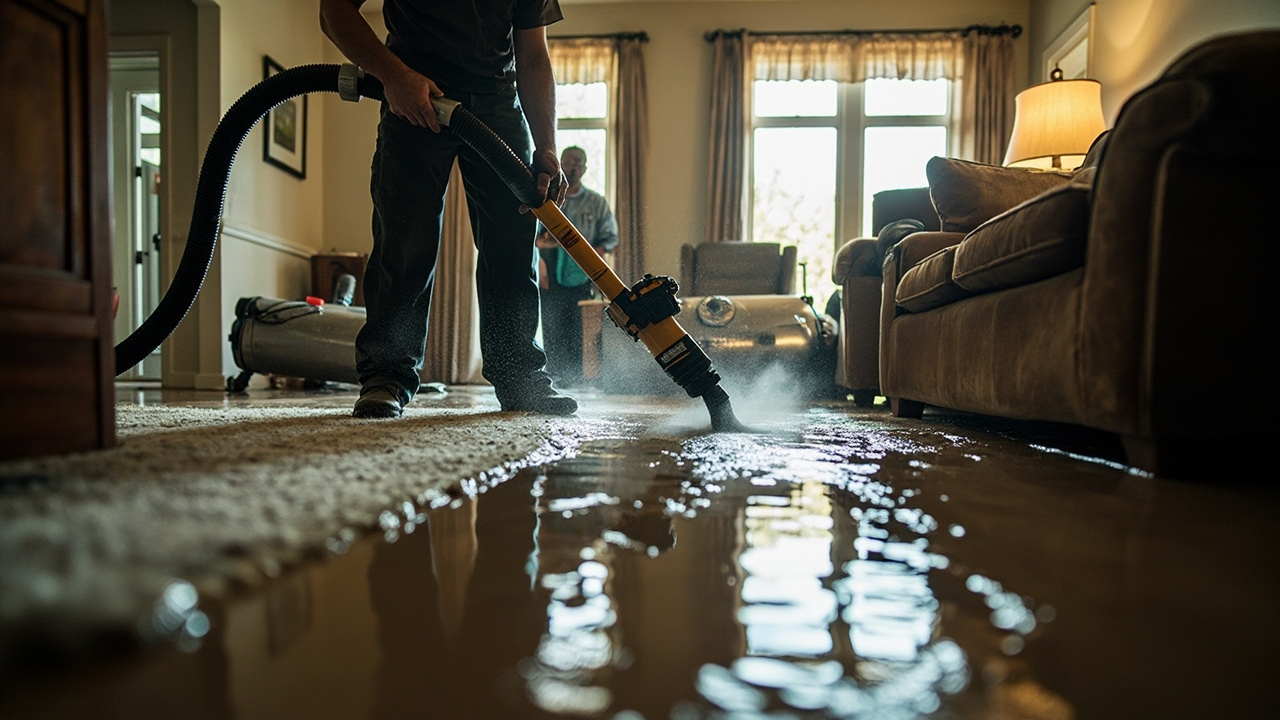
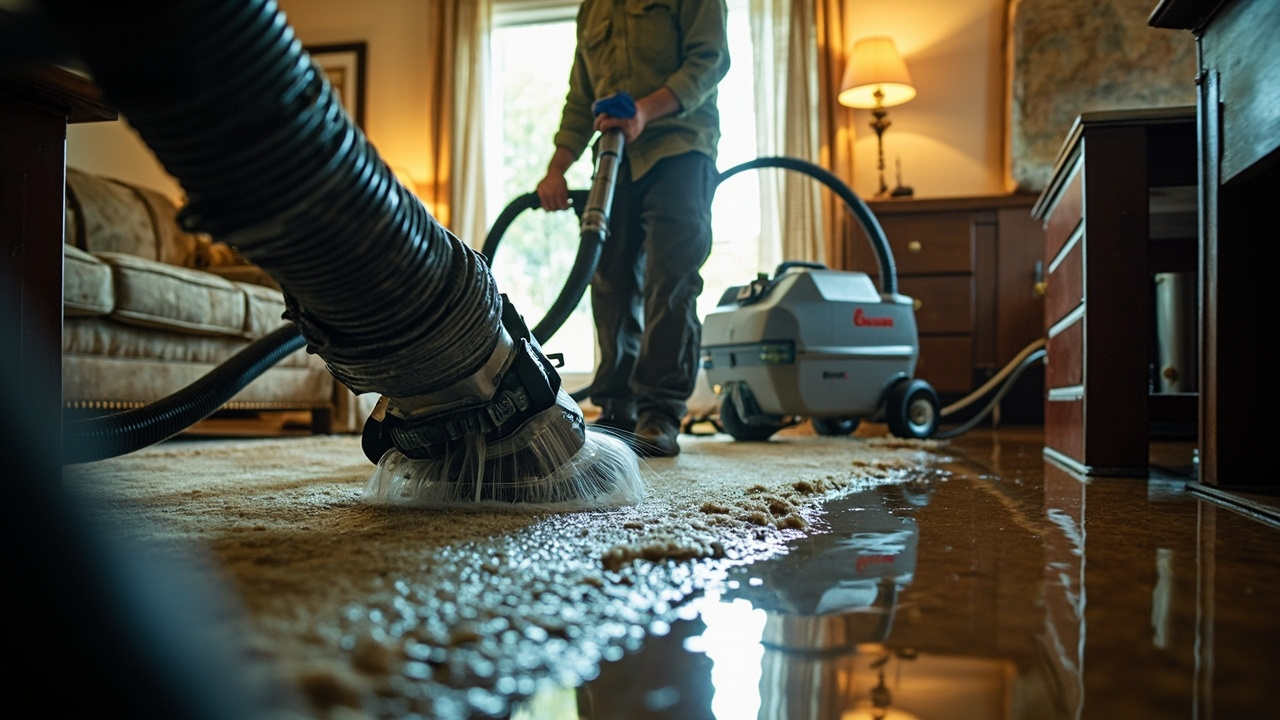
Next, we extract standing water using high-capacity pumps that move 100 gallons per minute. Truck-mounted units create negative pressure to pull water from carpets, padding, and subfloors. Portable extractors handle tight corners and furniture. Speed matters. The faster we remove bulk water, the less it penetrates structural materials.

After extraction, we deploy air movers and commercial dehumidifiers to dry the structure to below 15 percent moisture content. We use thermal imaging to scan walls and ceilings for hidden saturation. Moisture meters verify dryness in studs, joists, and subfloors. We document every reading for your insurance adjuster.

Water mitigation services include antimicrobial treatment to kill bacteria and prevent mold. We remove unsalvageable materials like soaked insulation, baseboards, and drywall below the flood line. We photograph everything. We create a drying log. We work with your adjuster. Professional water damage cleanup is about documentation, precision, and accountability.

What Happens When You Call for Flood Cleanup

Flood Cleanup & Extraction in Richmond – 24/7 Emergency Response for Complete Water Removal
01

Emergency Water Extraction

Within 60 minutes of your call, our crew arrives with truck-mounted extractors and submersible pumps to remove standing water from your Richmond property. We prioritize speed to minimize absorption into subfloors, drywall, and insulation. High-capacity pumps move up to 100 gallons per minute, clearing rooms fast to halt secondary damage before it starts.
02

Structural Drying and Monitoring

After bulk water removal, we deploy industrial air movers and commercial dehumidifiers to pull moisture from structural materials. Thermal imaging cameras scan walls and ceilings for hidden saturation. Moisture meters track drying progress in studs, joists, and concrete. We document every reading and adjust equipment placement daily until moisture levels drop below 15 percent, ensuring no hidden dampness remains.
03

Sanitization and Restoration Prep

Once the structure is dry, we apply antimicrobial treatments to all affected surfaces to kill bacteria and prevent mold growth. We remove unsalvageable materials like soaked insulation and baseboards. We photograph damage, compile moisture logs, and coordinate with your insurance adjuster. Your property is clean, dry, and ready for reconstruction or move-in, depending on the scope of damage.

Why Richmond Property Owners Choose Horizon Water Damage Restoration

Richmond floods are not generic water events. The James River brings silt and sewage. Shockoe Creek overflows during heavy rain. Tidal backflow pushes contaminated water into basements. You need a flood damage restoration team that knows Richmond's hydrology, not just a carpet cleaner with a shop vac.

Horizon Water Damage Restoration Richmond has worked hundreds of flood calls across the city. We know which neighborhoods flood first when the James crests. We know how Richmond's clay soil traps water around foundations. We know local building codes for vapor barriers and crawl space encapsulation. This is not something you learn from a YouTube video.

Our crews carry IICRC certifications in water damage restoration and applied structural drying. We use the same moisture mapping protocols that insurance adjusters expect. We document everything with photos, thermal images, and drying logs. When you file a claim, we provide the evidence your adjuster needs to approve it. No guesswork. No disputes.

We also work with Richmond-based contractors, plumbers, and mold remediation specialists. If your flood exposes foundation cracks, sewer backups, or mold colonies, we coordinate the right pros to fix it. You make one call. We handle the rest.

Speed is critical in flood cleanup. Mold starts growing in 24 hours. Structural damage accelerates every day water sits. We dispatch crews 24/7, even during active flooding. When the James River hits flood stage, we are already staging equipment. When you call, we are on the way. No waiting. No excuses. Just fast, professional water removal services.

What to Expect When You Hire Flood Cleanup Professionals

Immediate Dispatch and Arrival

You call. We dispatch. Our Richmond crews arrive within 60 minutes, even at 2 AM. We bring truck-mounted extraction equipment, moisture meters, thermal cameras, and protective gear. No waiting for business hours. No callbacks. Flood damage does not pause, so neither do we. Our teams work around the clock until bulk water is out and drying equipment is running. Speed is the only thing that stops secondary damage from doubling your repair costs.

Detailed Assessment and Moisture Mapping

Before we start pumps, we assess the flood category, measure saturation levels, and identify hidden moisture pockets using thermal imaging. We inspect subfloors, wall cavities, and crawl spaces. We test for structural damage and safety hazards like electrical shorts or compromised framing. This diagnostic phase takes 30 to 45 minutes and determines the scope of work. We explain what can be dried, what must be removed, and what your insurance should cover. You get a clear picture before we move forward.

Complete Drying and Verification

Extraction is just the start. Complete drying takes three to five days, depending on the extent of saturation. We monitor moisture levels daily using calibrated meters and adjust air mover and dehumidifier placement to target stubborn wet spots. We do not pull equipment until readings confirm all materials are below 15 percent moisture content. You receive a final drying report with before-and-after readings, photos, and equipment logs. This documentation protects you if mold or structural issues appear later. Proper drying prevents future problems.

Post-Cleanup Support and Insurance Coordination

Flood cleanup does not end when equipment leaves. We provide a detailed damage report, moisture logs, and photos formatted for insurance claims. If your adjuster needs clarification or additional documentation, we respond immediately. We also coordinate with contractors for repairs like drywall replacement, flooring installation, or crawl space encapsulation. If follow-up moisture testing is needed, we return at no extra charge. You are not abandoned after the check clears. We stay involved until your property is fully restored and your claim is settled.

Frequently Asked Questions

You Have Questions,
We Have Answers

How much does flood removal cost? +

Flood removal costs in Richmond vary based on water category, square footage, and damage severity. Clean water extraction from a small area starts around a few hundred dollars. Gray or black water removal costs more due to contamination risks. Basement flooding in older Fan District homes often involves structural drying and mold prevention, increasing costs. Insurance typically covers sudden flooding events. Factors include equipment needed, drying time, humidity levels common to Richmond's climate, and material disposal. Get a professional assessment before water sits longer than 24 hours. Most restoration companies provide free inspections and work directly with your insurance adjuster.

How much does it cost to clean a basement after a flood? +

Basement flood cleanup costs depend on water depth, contamination level, and affected materials. A partially flooded Richmond basement averages several thousand dollars for extraction, drying, and sanitization. Costs rise if sewage backup occurs or if your foundation shows water intrusion damage common in clay soil areas. Removing damaged drywall, insulation, or personal belongings adds labor and disposal fees. Dehumidification takes longer in humid Virginia summers. Mold remediation increases costs if water sits beyond 48 hours. Most professionals include moisture mapping and thermal imaging in their assessment. Contact your insurance provider immediately, as many policies cover sudden discharge or overflow events.

How much does Servpro charge to clean a basement? +

Servpro pricing varies by location and project scope. Expect costs comparable to other restoration companies based on water category, square footage, and equipment required. Richmond-area pricing reflects local labor rates and disposal fees. Most restoration firms, including national franchises, provide free inspections and detailed estimates before starting work. Compare multiple quotes and verify insurance direct billing options. Local companies often respond faster to Richmond neighborhoods and understand regional challenges like humidity levels and clay soil foundation issues. Focus on certifications, response time, and insurance relationships rather than brand name alone. Emergency water removal pricing should be transparent and itemized.

Does flood insurance pay for clean-up? +

Flood insurance through FEMA's National Flood Insurance Program covers both structure and contents cleanup after flooding events. Your policy pays for water extraction, debris removal, and necessary repairs to restore your home. Richmond homeowners near the James River or in flood zones should verify coverage limits and deductibles before disasters strike. Standard policies exclude temporary housing and landscaping. Cleanup must be reasonable and necessary to prevent further damage. Document everything with photos before restoration starts. Most restoration companies work directly with NFIP adjusters to streamline claims. File within 60 days of flood damage. Review your policy annually as flood maps change.

Is flood damage covered under homeowners insurance? +

Standard homeowners insurance excludes flood damage. Your policy covers sudden internal water events like burst pipes, appliance malfunctions, or roof leaks from storms, but not rising water from external sources. Richmond residents near Shockoe Bottom or low-lying areas need separate flood insurance through the National Flood Insurance Program. Sewer backup coverage requires an additional endorsement. If your basement floods from ground saturation or the James River overflows, homeowners insurance denies the claim. Sump pump failure may be covered depending on your policy language. Always clarify water damage definitions with your agent. Separate flood policies take 30 days to activate.

How much does it cost to lift a house in a flood zone? +

House lifting in Richmond flood zones costs between tens of thousands and over one hundred thousand dollars depending on structure size, foundation type, and elevation requirements. The process involves hydraulic jacks, temporary supports, and new foundation construction. FEMA may provide grants through the Increased Cost of Compliance program if you meet eligibility requirements after substantial flood damage. Lifting older Fan District homes or properties near the James River requires engineering assessments and building permits. Many Richmond homeowners choose flood vents or wet floodproofing as cheaper alternatives. Consult structural engineers familiar with Virginia clay soil conditions before committing to elevation projects.

Will insurance pay for a flooded basement? +

Insurance coverage for flooded basements depends on the water source. If a sump pump fails, washing machine hoses burst, or pipes freeze during Richmond winter snaps, your homeowners policy likely covers cleanup and repairs. If ground saturation, heavy rain, or James River flooding causes water intrusion, you need separate flood insurance. Sewer backup requires specific endorsement coverage. Your adjuster determines the water source through investigation. Document damage immediately with photos and videos. Most restoration companies provide documentation that helps your claim. Review your policy exclusions annually and add flood coverage if you live near Shockoe Slip or other low-elevation Richmond neighborhoods.

How much should I charge to deep clean a 1000 sq ft house? +

This question relates to general house cleaning, not flood restoration services. Professional water damage restoration differs from routine deep cleaning. Flood cleanup requires specialized extraction equipment, industrial dehumidifiers, antimicrobial treatments, and moisture monitoring over several days. Richmond restoration companies charge based on water category, affected square footage, and damage severity rather than standard cleaning rates. If you experienced flooding in a 1000 square foot home, expect costs tied to water removal complexity, not housekeeping services. Contact a certified water damage restoration company for accurate project estimates. Emergency water extraction prevents mold growth and structural damage that basic cleaning cannot address.

How long does it take to clean up a flooded basement? +

Flooded basement cleanup takes 3 to 7 days depending on water depth, contamination level, and Richmond's humidity conditions. Emergency extraction happens within hours, but structural drying requires 3 to 5 days of dehumidifier operation. Black water from sewage backup extends timelines due to sanitization requirements. Older Church Hill or Museum District basements with stone foundations may need longer drying periods. Professionals monitor moisture levels daily using thermal imaging and moisture meters. Removing damaged materials happens after drying completes. Mold remediation adds time if water sat beyond 48 hours. Fast response reduces overall restoration time and prevents secondary damage to floor joists and walls.

How long does it take to deep clean a 2000 sq ft house? +

This question addresses routine deep cleaning, not flood restoration work. Water damage restoration in a 2000 square foot home takes days or weeks depending on flood severity, not hours like standard cleaning. Richmond flood cleanup requires extraction, structural drying, dehumidification, sanitization, and reconstruction phases. Each step depends on water category, affected materials, and moisture levels. If you need flood restoration services rather than housekeeping, contact certified water damage professionals who use industrial equipment and follow IICRC standards. Emergency water removal companies in Richmond provide detailed timelines after assessing your specific damage. Flood cleanup complexity far exceeds routine cleaning tasks and requires specialized training and equipment.

Richmond's Fall Line Geography Makes Flood Cleanup More Complex

Richmond sits at the transition zone where the James River drops from the Piedmont to the Coastal Plain. This fall line creates unique flood risk. Upstream storms send fast-moving water downstream, while tidal influence from the Chesapeake Bay can slow drainage and cause backflow. When these forces collide during heavy rain or hurricanes, low-lying neighborhoods like Shockoe Bottom, Manchester, and Fulton experience rapid, severe flooding. Water rises in minutes, not hours. Emergency water extraction must happen immediately or properties suffer catastrophic loss. Richmond floods also carry sediment, debris, and sewage, requiring Category 3 contaminated water protocols. You cannot treat this like a burst pipe.

Horizon Water Damage Restoration Richmond understands local flood patterns because we work here. We have responded to James River crests, hurricane remnants, and flash floods in Shockoe Creek. We know Richmond building codes for floodplain construction, vapor barriers, and crawl space ventilation. We coordinate with local adjusters who know how Richmond floods damage properties. When you hire a national franchise or out-of-state crew, they do not understand the James River's behavior or Richmond's clay soil drainage issues. Local expertise matters. It determines whether your claim gets approved and whether hidden moisture gets found before mold takes over.

Water Damage Restoration Services in The Richmond Area

Horizon Water Damage Restoration proudly serves the greater Richmond area and surrounding communities. Our strategic location allows us to respond quickly and efficiently to your water damage emergencies, no matter where you are. We are committed to being a local, reliable presence for our neighbors. View our service area on the map below to see how we can reach you and provide the swift, expert service you need.

Address:
Horizon Water Damage Restoration Richmond, 1840 W Broad St, Richmond, VA, 23220

Additional Services We Offer

Our news updates

Latest Articles & News from The Blogs

Identifying Slow Leaks in Flat Roofs Common Around Sandston Flat roofs in Sandston often develop slow leaks that property owners…

Identifying Slow Leaks in Flat Roofs Common Around Sandston

Identifying Slow Leaks in Flat Roofs Common Around Sandston Flat roofs in Sandston often develop slow leaks that property owners…

Simple Ways to Redirect Rainwater Away from Your Stratford Hills Foundation

Simple Ways to Redirect Rainwater Away from Your Stratford Hills Foundation Water pooling near your foundation in Stratford Hills can…

The Damage a Burst Washing Machine Hose Can Do in Just 30 Minutes

The Damage a Burst Washing Machine Hose Can Do in Just 30 Minutes A burst washing machine hose can release…

Contact Us

Floodwater is destroying your property right now. Every minute counts. Call (804) 602-2644 for immediate dispatch. Our Richmond crews are ready 24/7 with industrial extraction equipment and drying systems. Stop the damage. Start the recovery.