



Menu

Mold Remediation & Removal in Richmond – Complete Containment and Air Quality Restoration

Professional Mold Abatement Services Using EPA-Approved Protocols to Eliminate Mold Colonies, Restore Indoor Air Quality, and Prevent Recurrence Throughout Richmond

Slider Image 1
Slider Image 2
Slider Image 3
Slider Image 4
Slider Image 5
Slider Image 7
Slider Image 8
Slider Image 9
Slider Image 10
Slider Image 11

Why Richmond's Climate Creates Perfect Conditions for Hidden Mold Growth

Richmond's humid subtropical climate creates an ideal breeding ground for mold. With average humidity levels hovering between 65% and 75% throughout summer months, coupled with the city's position along the James River floodplain, moisture accumulation in homes and businesses is not a question of if, but when.

The region's older housing stock, particularly in neighborhoods like the Fan District and Church Hill, presents additional challenges. Many properties built before 1950 lack proper vapor barriers and modern ventilation systems. When you combine aging infrastructure with Richmond's heavy spring rainfall and summer humidity, you get the perfect storm for mold colonization.

Mold does not announce itself immediately. It grows behind drywall, under flooring, within HVAC ductwork, and inside wall cavities where moisture from roof leaks, plumbing failures, or foundation seepage goes unnoticed. By the time you see visible growth or smell that distinctive musty odor, the colony has already established itself.

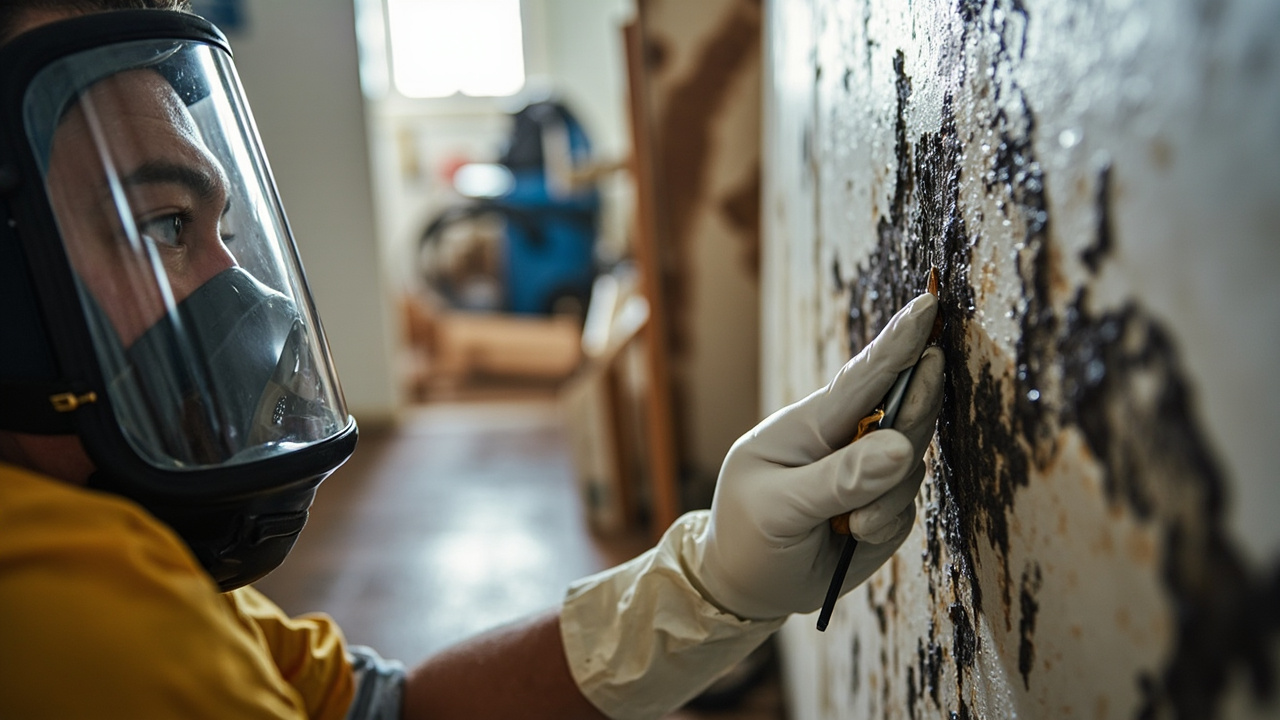
Professional mold remediation goes beyond surface cleaning. The process requires containment protocols to prevent spore dispersal, negative air pressure systems to control airflow, HEPA filtration to capture microscopic particles, and antimicrobial treatments to eliminate colonies at the source. Mold abatement is not a DIY project. Surface bleach treatments push spores deeper into porous materials and fail to address the moisture source that allowed growth in the first place.

Mold mitigation also demands proper protective equipment. Disturbing colonies without containment releases millions of spores into your breathing space, spreading contamination to previously unaffected areas and creating health risks for occupants.

Why Richmond's Climate Creates Perfect Conditions for Hidden Mold Growth
Our Containment-First Approach to Mold Decontamination

Our Containment-First Approach to Mold Decontamination

Effective mold cleanup services start with isolation. Before we remove a single square inch of contaminated material, we establish full containment using 6-mil polyethylene barriers and create negative air pressure with HEPA-filtered air scrubbers. This prevents cross-contamination to unaffected areas during the removal process.

We conduct moisture mapping using thermal imaging cameras and pin-type moisture meters to identify every affected zone. Mold grows where moisture persists. If we miss a hidden moisture pocket, the problem returns within weeks. Our technicians trace the water source, whether it is a slow pipe leak, condensation buildup, or groundwater intrusion through foundation cracks common in Richmond's clay soil.

Material removal follows IICRC S520 standards. We remove porous materials like drywall, insulation, and carpeting that cannot be adequately cleaned. Non-porous surfaces like metal ductwork and concrete receive HEPA vacuuming followed by antimicrobial application. We do not rely on chemical foggers or ozone generators, which provide temporary odor masking without eliminating the actual colony.

Air quality verification is the final step. We run air sampling before and after remediation to measure spore counts and confirm they have returned to normal background levels. This documentation is critical for insurance claims and provides objective proof that the work was completed correctly.

Professional mold removal also addresses the underlying moisture problem. We cannot simply cut out moldy drywall and call it done. If the roof still leaks or the crawlspace still floods during storms, new growth appears within 48 to 72 hours. Our approach fixes the cause, not just the symptom.

How We Execute Complete Mold Decontamination in Richmond Properties

Mold Remediation & Removal in Richmond – Complete Containment and Air Quality Restoration
01

Inspection and Moisture Mapping

We inspect the entire property using thermal cameras and moisture meters to identify all affected areas, including hidden growth behind walls and under flooring. Our technicians document the extent of contamination, trace the moisture source, and develop a remediation plan specific to your property's construction and the mold species present. This diagnostic phase prevents incomplete removal that leads to recurring growth.
02

Containment and Removal

We establish containment barriers and negative air pressure before disturbing any mold colonies. Our crew removes contaminated porous materials following IICRC protocols, HEPA vacuums all surfaces, and applies EPA-registered antimicrobial treatments to remaining structures. All waste is double-bagged and disposed of according to Virginia environmental regulations. This phase eliminates the active mold growth and prevents spore dispersal throughout your building.
03

Verification and Prevention

After removal and cleaning, we conduct post-remediation air quality testing to verify spore counts have returned to safe levels. We repair the underlying moisture problem, whether it requires improving drainage around your foundation, sealing crawlspace vents, or coordinating roof repairs. This final phase ensures the mold does not return and provides documentation for insurance claims and future property transactions.

Why Richmond Property Owners Choose Local Mold Remediation Experts

Mold remediation requires understanding how buildings fail in specific climates. Richmond's unique combination of river valley humidity, clay soil movement, and aging housing stock creates predictable failure points that generic restoration companies often miss.

Foundation settlements caused by Richmond's expansive clay soils create cracks that allow groundwater intrusion. During heavy rain events, which are becoming more frequent according to National Weather Service data, these cracks channel water directly into crawlspaces and basements. We recognize these patterns because we work in this soil composition daily.

The city's historic districts present additional complications. Properties in the Fan and Museum District often have balloon framing, knob-and-tube wiring cavities, and plaster-on-lath walls that provide hidden pathways for mold spread. Modern remediation crews unfamiliar with these older construction methods can miss entire colonies growing inside wall chases and floor joist bays.

Richmond's building codes require specific ventilation standards for crawlspaces and attics. Many older properties were never updated to meet current requirements. We coordinate with city inspectors to ensure remediation work complies with current codes while respecting the architectural integrity of historic structures.

Insurance claims require proper documentation. We provide detailed photo documentation, moisture readings, air quality testing results, and itemized scopes of work that satisfy insurance adjusters. Our reports meet the documentation standards that major carriers operating in Virginia expect.

Local response time matters during mold emergencies. When a pipe bursts or storm flooding occurs, mold begins colonizing within 24 to 48 hours. We reach Richmond properties quickly, often within hours of your call, because we are based here, not dispatched from out-of-state locations.

What to Expect During Professional Mold Remediation

Response Time and Project Duration

We respond to mold remediation requests throughout Richmond within hours, not days. Small projects involving single rooms typically require two to three days from containment to final cleaning. Larger projects affecting multiple rooms or entire floors may require five to seven days depending on the extent of material removal needed. We work continuously once containment is established to minimize disruption to your property. Our crews operate during standard business hours for residential projects and can schedule off-hours work for commercial properties that cannot shut down operations during the day.

Initial Assessment and Testing

Your project begins with a comprehensive visual inspection and moisture survey using professional-grade detection equipment. We identify all affected areas, including hidden growth inside walls and HVAC systems. Air sampling measures baseline spore counts before work begins. This data establishes the scope of contamination and provides the documentation insurance carriers require for claims processing. We explain findings in clear terms and provide written estimates that itemize all necessary work. You receive a detailed remediation protocol before we begin physical work.

Final Results and Air Quality

Successful remediation returns indoor air quality to normal background levels. We verify this through post-remediation air sampling that measures spore counts in the treated area against outdoor baseline samples. Your property should have no visible mold, no musty odors, and air quality testing that shows spore levels consistent with uncontaminated spaces. We provide before and after documentation, including photographs, moisture readings, and laboratory reports. Surfaces are left clean, dry, and ready for reconstruction. This documentation protects your property value during future sales.

Prevention and Long-Term Protection

Effective mold remediation addresses the moisture problem that caused growth in the first place. We repair leaks, improve ventilation, redirect drainage, and recommend dehumidification solutions specific to your property. You receive a written report outlining the corrective actions taken and maintenance recommendations to prevent recurrence. We explain how to monitor humidity levels, maintain proper ventilation, and recognize early warning signs of moisture problems. This preventive approach protects your investment long after we complete the physical remediation work. Many property owners schedule annual moisture inspections to catch problems before mold establishes.

Frequently Asked Questions

You Have Questions,
We Have Answers

How much does it cost to remove mold? +

Mold removal costs vary based on the affected square footage, contamination level, and location within your home. Small jobs covering under 10 square feet may run a few hundred dollars. Larger infestations spanning crawl spaces, attics, or multiple rooms cost significantly more due to containment, air filtration, and material disposal requirements. Richmond's high humidity and older housing stock often mean hidden growth behind walls or under flooring, which increases scope. A certified inspector should assess your property first to identify all affected areas and provide an accurate estimate based on your specific situation.

What is the difference between mold removal and mold remediation? +

Mold removal refers to physically cleaning visible mold from surfaces. Mold remediation is a comprehensive process that addresses the root cause, controls spore spread, removes contaminated materials, treats affected areas with antimicrobials, and restores safe air quality. Remediation recognizes you cannot eliminate every mold spore but can return levels to normal, safe baselines. In Richmond, where moisture intrusion from storms and HVAC condensation is common, remediation also includes fixing the water source, improving ventilation, and preventing future growth. Removal alone leaves you vulnerable to recurrence within weeks.

How much does full mold remediation cost? +

Full mold remediation costs depend on contamination severity, affected square footage, and structural damage. A whole-home remediation project addressing multiple rooms, HVAC systems, or structural components can range from moderate to substantial investment. Factors include air scrubbing duration, containment barriers, material disposal, antimicrobial treatments, and reconstruction needs. Richmond's older homes with crawl space moisture issues or roof leak damage often require extensive work. Insurance may cover remediation if a covered peril caused the water damage. Get multiple estimates from certified remediators and request detailed scope breakdowns before proceeding.

Can you actually remediate mold? +

Yes, professional remediation effectively controls mold and restores safe indoor air quality when done correctly. Certified technicians use containment barriers, HEPA filtration, antimicrobial treatments, and proper material removal to eliminate active colonies and reduce spore counts to normal levels. The key is addressing the underlying moisture source. Richmond's humid climate and seasonal storms create ideal conditions for regrowth if water intrusion continues. Remediation works when paired with repairs to leaking roofs, improved crawl space encapsulation, or HVAC upgrades. Post-remediation testing verifies success and ensures your home is safe.

Is professional mold removal worth it? +

Professional mold removal is worth the investment when contamination exceeds 10 square feet, affects HVAC systems, or involves toxic species like black mold. Professionals use containment protocols, industrial air scrubbers, and personal protective equipment you lack. DIY attempts often spread spores throughout your home, worsen contamination, and create health risks. In Richmond, where humidity fuels rapid growth and older homes hide extensive damage, professionals identify all affected areas and prevent recurrence. They also document work for insurance claims and future home sales. Your health and property value justify the cost.

What are signs of mold exposure? +

Mold exposure symptoms include persistent coughing, wheezing, nasal congestion, throat irritation, skin rashes, and eye irritation. Sensitive individuals may experience headaches, fatigue, or difficulty concentrating. Prolonged exposure can trigger asthma attacks or respiratory infections. You might notice a musty odor before seeing visible growth. Richmond residents often mistake symptoms for seasonal allergies due to high pollen counts, but mold-related issues persist year-round and worsen indoors. If symptoms improve when you leave your home and return upon reentry, suspect mold. Consult a physician and arrange professional inspection immediately.

Do you have to throw everything away with mold in the house after? +

You do not have to discard everything. Porous materials like drywall, insulation, carpeting, and upholstered furniture that absorbed mold typically require disposal. Non-porous items such as metal, glass, and hard plastics can be cleaned and disinfected. Wood framing can often be treated and saved. Clothing and fabrics may be salvageable with hot water washing or dry cleaning. Richmond's certified remediators assess each item individually. Contents cleaning specialists use specialized techniques for valuable belongings. Document losses with photos for insurance claims. A thorough remediation focuses on removing contaminated materials while preserving what can be safely restored.

What to do if you can't afford mold remediation? +

If you cannot afford full remediation, prioritize immediate containment to prevent spread. Seal off affected areas with plastic sheeting and duct tape. Run a dehumidifier to reduce moisture below 50 percent. Fix the water source causing growth. For small areas under 10 square feet, carefully clean with detergent and water while wearing an N95 mask. Contact your insurance company first as coverage may apply. Some Richmond nonprofits and community development programs assist low-income homeowners with emergency repairs. Payment plans or financing options exist through remediation companies. Delaying treatment worsens damage and increases eventual costs significantly.

Is it hard to sell a house that has had mold remediation? +

A house with documented professional mold remediation is easier to sell than one with undisclosed mold history. Buyers appreciate transparency and proof the issue was resolved correctly. Provide remediation reports, clearance testing results, and documentation of moisture source repairs. Richmond's humid climate means buyers expect older homes may have experienced mold at some point. Problems arise when sellers hide past issues or attempt poor DIY fixes. Virginia disclosure laws require revealing known material defects. Properly remediated homes with warranties or guarantees from certified companies actually reassure buyers the problem was handled professionally.

Does homeowners insurance cover mold? +

Homeowners insurance typically covers mold remediation only if a covered peril like a burst pipe, storm damage, or appliance malfunction caused the water damage. Policies exclude mold from gradual issues like long-term leaks, poor maintenance, or flooding. Richmond homeowners should review their policy for mold coverage limits, which often cap at a specific amount. File claims immediately after water events and document everything with photos. Insurance adjusters scrutinize timelines, so prompt mitigation matters. Separate flood insurance through NFIP does not cover mold either. Prevention through maintenance protects you from out-of-pocket costs.

How Richmond's James River Proximity and Clay Soil Increase Mold Risk

Properties within three miles of the James River face elevated mold risk due to higher ambient humidity and groundwater tables that rise during flood events. Richmond sits in a river valley where morning fog and evening moisture create persistent dampness, particularly in lower-lying neighborhoods like Shockoe Bottom and Manchester. The city's predominant clay soil expands when wet and contracts during dry periods, causing foundation movement that creates entry points for water intrusion. These geological and geographic factors make professional mold mitigation more critical here than in drier climates where occasional moisture events dry out naturally.

Richmond's mix of historic and modern construction demands local expertise. Remediation work in Fan District row houses requires different approaches than work in newer subdivisions west of the city. We understand local building practices, from pier-and-beam foundations common in older properties to modern slab construction in recent developments. Our familiarity with city inspection processes, local environmental regulations for waste disposal, and relationships with Richmond-area testing laboratories means your project moves efficiently from assessment through final clearance testing without delays.

Water Damage Restoration Services in The Richmond Area

Horizon Water Damage Restoration proudly serves the greater Richmond area and surrounding communities. Our strategic location allows us to respond quickly and efficiently to your water damage emergencies, no matter where you are. We are committed to being a local, reliable presence for our neighbors. View our service area on the map below to see how we can reach you and provide the swift, expert service you need.

Address:
Horizon Water Damage Restoration Richmond, 1840 W Broad St, Richmond, VA, 23220

Additional Services We Offer

Our news updates

Latest Articles & News from The Blogs

Investigating a Suddenly High Richmond Water Bill (Where to Look for Hidden Leaks) A sudden spike in your water bill…

Investigating a Suddenly High Richmond Water Bill (Where to Look for Hidden Leaks)

Investigating a Suddenly High Richmond Water Bill (Where to Look for Hidden Leaks) A sudden spike in your water bill…

Should You Close Your Crawl Space Vents During the Humid Virginia Summer Months?

Should You Close Your Crawl Space Vents During the Humid Virginia Summer Months? Richmond’s summer humidity often exceeds 80% and…

What Bubbling Paint on Your Ceiling Actually Says About Your Roof or Plumbing

What Bubbling Paint on Your Ceiling Actually Says About Your Roof or Plumbing Bubbling paint on your ceiling is more…

Contact Us

Mold colonies double in size every 48 to 72 hours when moisture is present. Call Horizon Water Damage Restoration Richmond at (804) 602-2644 now for immediate assessment and containment. We respond quickly, work efficiently, and restore your property to safe conditions.