





Menu

Crawl Space Cleanup & Encapsulation in Richmond | Moisture Control That Stops Mold, Rot, and Structural Damage

Professional crawl space cleanup and encapsulation services protect Richmond homes from the humidity, water intrusion, and pest damage that threaten your foundation, air quality, and property value.

Slider Image 1
Slider Image 2
Slider Image 3
Slider Image 4
Slider Image 5
Slider Image 7
Slider Image 8
Slider Image 9
Slider Image 10
Slider Image 11

Why Richmond Crawl Spaces Fail Without Proper Encapsulation

Richmond sits at the fall line where the Piedmont meets the coastal plain. This geography creates a moisture nightmare for crawl spaces. The James River influences local humidity levels, and seasonal flooding in areas like Shockoe Bottom and Church Hill drives groundwater into crawl spaces. The clay-heavy soil common throughout Henrico and Chesterfield counties does not drain well. Water pools under your home instead of filtering away.

You see the warning signs first. Musty smells rise through your floors. Hardwood warps in the dining room. Energy bills climb because your HVAC system pulls humid air from below. You might notice sagging floors in older Fan District homes or condensation on HVAC ducts in newer subdivisions near Short Pump.

The problem accelerates fast. Moisture attracts mold and wood-boring insects. Insulation falls when it absorbs water. Floor joists rot. The average Richmond home experiences relative humidity above 60 percent in crawl spaces during summer months. That environment destroys structural wood and creates airborne spores that enter your living space through the stack effect.

Crawl space waterproofing and crawl space sealing services address the root cause. Cleanup removes contaminated materials. Encapsulation creates a controlled environment. Crawl space vapor barrier installation blocks ground moisture. Crawl space remediation restores structural integrity before minor issues become foundation failures.

You need a system designed for Richmond's specific challenges, not a generic approach that fails in our climate.

Why Richmond Crawl Spaces Fail Without Proper Encapsulation
How Professional Crawl Space Restoration Works

How Professional Crawl Space Restoration Works

Horizon Water Damage Restoration Richmond starts every project with moisture source identification. We use thermal imaging to locate hidden water intrusion points and moisture meters to measure existing saturation in floor joists and subfloors. This diagnostic phase reveals whether water enters through foundation cracks, failed grading, plumbing leaks, or groundwater seepage.

Crawl space cleanup comes next. We remove standing water, damaged insulation, mold-contaminated materials, and debris. If microbial growth exists on structural wood, we apply EPA-registered antimicrobial treatments. Heavily damaged joists require sistering or replacement before encapsulation begins. We address pest infestations and seal entry points that allow rodents access.

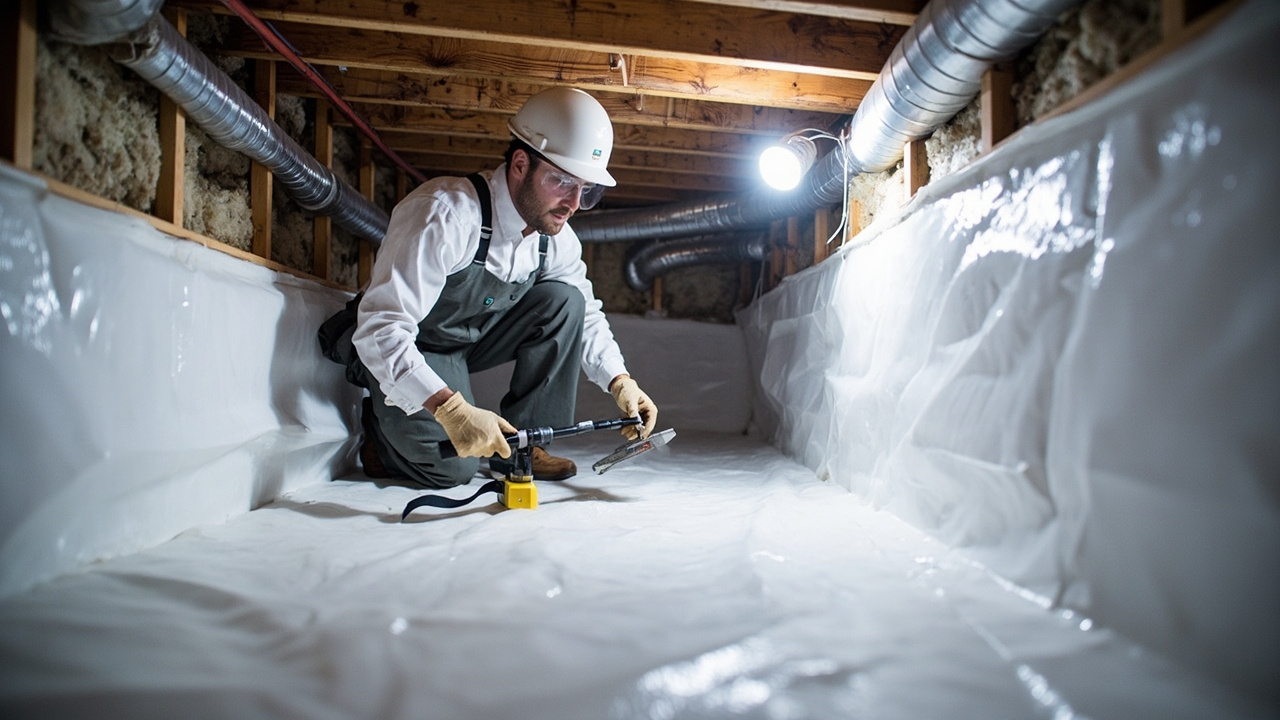
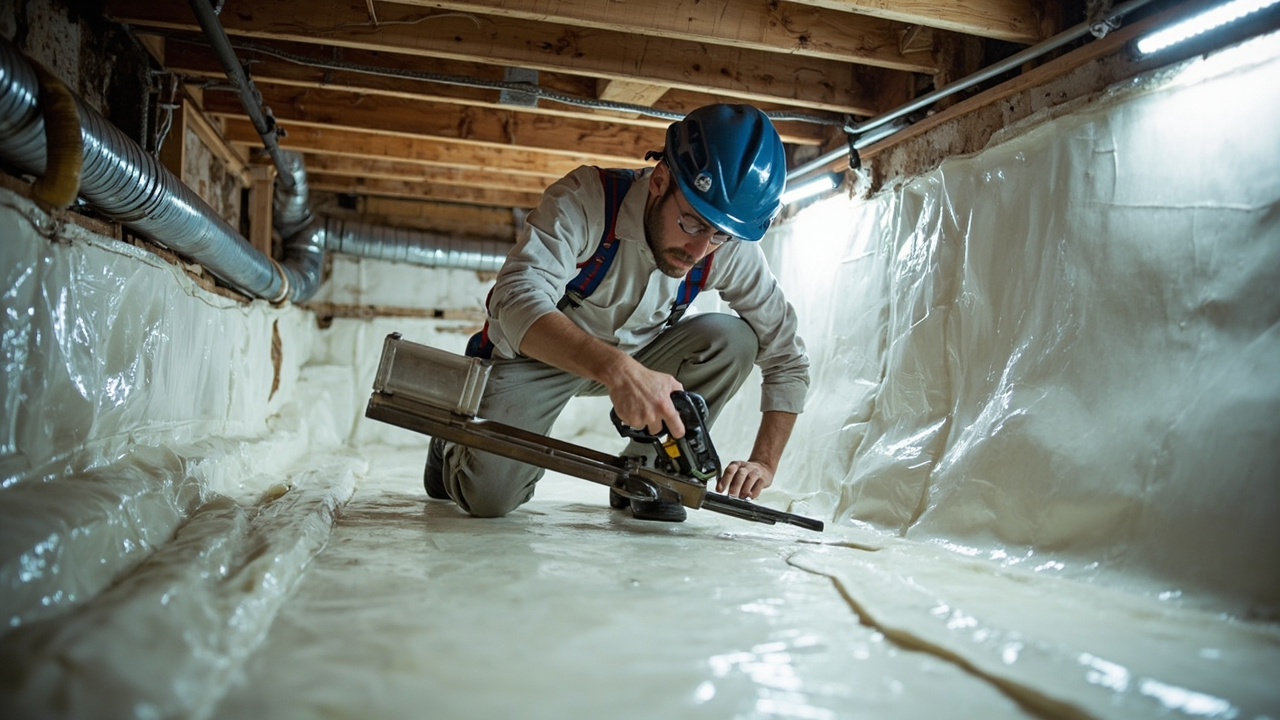
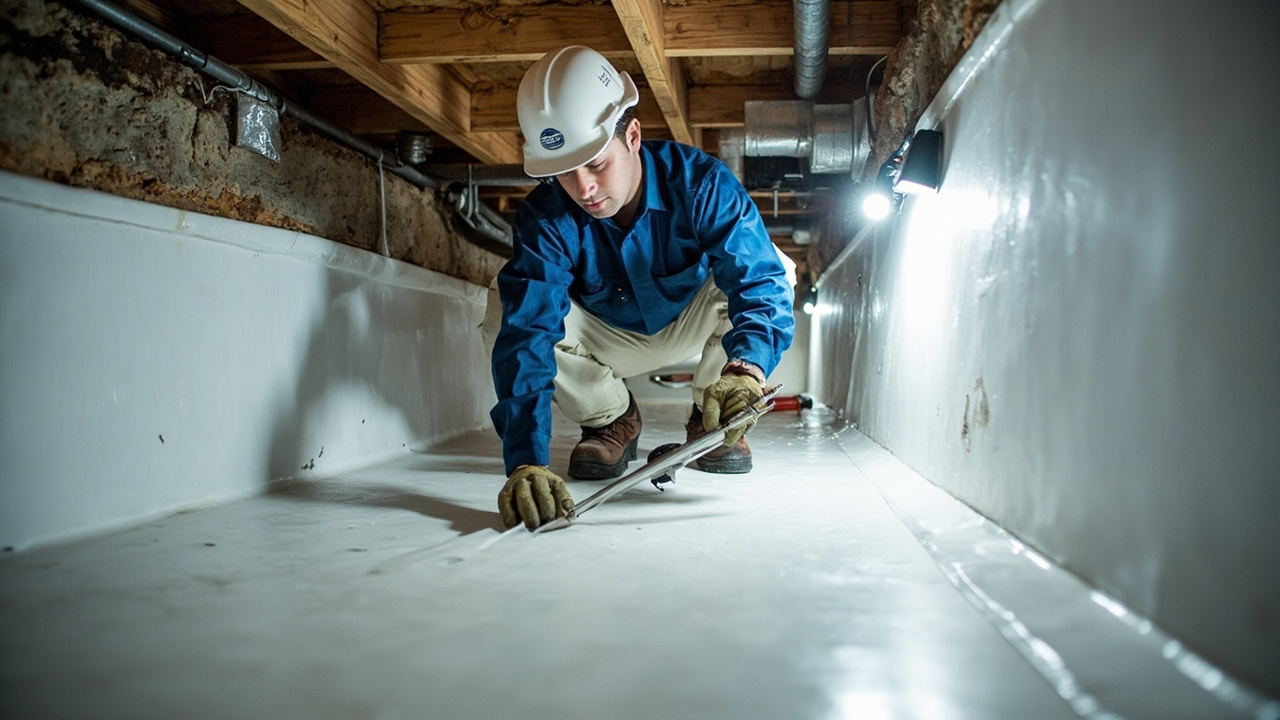
The encapsulation process transforms your crawl space into a conditioned environment. We install a 20-mil reinforced polyethylene vapor barrier across the entire floor, extending up foundation walls. All seams receive tape and mechanical fastening to prevent moisture transmission. Foundation vents get sealed permanently because vented crawl spaces in humid climates like Richmond actually increase moisture problems rather than solving them.

Crawl space waterproofing includes perimeter drainage if needed. We install drainage matting under the vapor barrier to channel water to a sump pump system. Dehumidification equipment maintains optimal humidity levels year-round. We insulate rim joists with closed-cell spray foam to prevent thermal bridging and condensation.

The result is a crawl space that stays dry, protects your foundation, and improves indoor air quality. You stop feeding moisture into your HVAC system and living space. Energy efficiency improves because you are not heating and cooling humid air.

What Happens During Your Crawl Space Encapsulation Project

Crawl Space Cleanup & Encapsulation in Richmond | Moisture Control That Stops Mold, Rot, and Structural Damage
01

Inspection and Moisture Mapping

We access your crawl space and document all moisture sources, structural damage, and existing conditions. Thermal imaging reveals hidden water intrusion patterns. Moisture meters measure saturation levels in wood framing. We photograph damage for insurance documentation and identify whether grading, drainage, or foundation repairs need to happen before encapsulation. You receive a detailed assessment that explains what we found and why specific solutions matter for your property.
02

Remediation and Preparation

All contaminated materials get removed from your crawl space. We extract standing water, pull down wet insulation, and dispose of damaged vapor barriers or debris. Mold remediation happens according to IICRC S520 standards. Structural repairs address compromised joists or subfloors. We treat wood surfaces with antimicrobial solutions and seal pest entry points. The space gets cleaned to bare foundation and framing, creating a clean substrate for the encapsulation system.
03

Encapsulation and Climate Control

We install the complete moisture barrier system, sealing your crawl space from ground moisture and outside air. The reinforced vapor barrier covers all surfaces with mechanically fastened seams. Foundation vents get sealed permanently. Insulation goes on rim joists to prevent condensation. Drainage systems and dehumidification equipment maintain controlled conditions. You receive documentation of all work completed and guidance on monitoring your encapsulated crawl space for long-term protection.

Why Richmond Property Owners Choose Horizon for Crawl Space Solutions

We understand how Richmond's climate attacks crawl spaces. The combination of humid summers, James River flooding potential, and clay soil drainage problems requires solutions built for this specific environment. Generic encapsulation systems designed for dry western climates fail here within months.

Horizon Water Damage Restoration Richmond has worked in Fan District brownstones, Church Hill row houses, and modern Short Pump subdivisions. We know the difference between pre-1950s rubble foundations and modern poured concrete. Historic homes near Monument Avenue require different approaches than newer construction in Glen Allen. The building codes enforced by Richmond's Department of Permits and Inspections guide our work on occupied structures.

Our crawl space sealing services account for Richmond's annual rainfall patterns and seasonal water table fluctuations. We design drainage systems that handle storm events common to our area. The dehumidification equipment we install is sized for the cubic footage of your specific crawl space and calibrated for Richmond's average humidity levels.

You work directly with water damage restoration specialists who have handled crawl space failures in every Richmond neighborhood. We document everything for insurance claims and provide detailed explanations of what caused the damage. Many crawl space problems stem from deferred maintenance or improper repairs by previous contractors. We identify those issues and explain why the correct approach matters.

The crews who enter your crawl space have training in confined space safety, mold remediation, and structural assessment. We do not send untrained laborers into contaminated environments. Every project receives oversight from an IICRC-certified technician who understands moisture science and building performance.

What to Expect From Your Crawl Space Encapsulation Project

Project Timeline and Access Requirements

Most residential crawl space encapsulation projects take two to four days depending on size, damage severity, and access limitations. We need clear access to your crawl space entry points and electrical outlets for equipment. Projects requiring structural repairs or extensive mold remediation take longer. You can remain in your home during work. We contain dust and debris to prevent contamination of living spaces. Commercial properties with larger crawl spaces may require a week or more. We schedule work to minimize disruption and provide daily updates on progress.

Initial Assessment and Scope Development

Your project starts with a thorough inspection of crawl space conditions. We measure humidity levels, identify water sources, and assess structural damage. You receive a written scope of work explaining what needs to happen and why. We photograph all pre-existing damage for documentation. If insurance covers the loss, we provide detailed estimates formatted for carrier review. The assessment includes recommendations for drainage improvements or grading corrections that prevent future problems. You understand exactly what work will occur before we start.

Controlled Environment Results

Completed encapsulation delivers measurable results. Humidity levels in your crawl space drop below 60 percent and stay controlled year-round. Musty odors disappear from your home. Energy efficiency improves because your HVAC system no longer conditions humid air from below. Floor temperature differences between rooms even out. The vapor barrier system prevents ground moisture from entering your crawl space. Structural wood stays dry and protected from rot. You receive documentation of final humidity readings and photos of the completed installation.

Maintenance and Long-Term Protection

Your encapsulated crawl space requires minimal maintenance. We recommend annual inspections to verify the vapor barrier remains intact and dehumidification equipment functions properly. You monitor the dehumidifier collection reservoir and empty it as needed, or we install a condensate pump for automatic drainage. We provide guidance on recognizing warning signs that indicate new moisture problems. The vapor barrier system itself requires no maintenance when properly installed. If you ever need service or have questions about crawl space conditions, we remain available to assess the situation and recommend solutions.

Frequently Asked Questions

You Have Questions,
We Have Answers

How much does it typically cost to encapsulate a crawl space? +

Crawl space encapsulation costs in Richmond depend on square footage, moisture severity, and materials used. Prices fluctuate based on vapor barrier thickness, dehumidifier needs, and structural repairs. Richmond's high humidity and clay soil often require drainage solutions like sump pumps, which increase total investment. Homes in older neighborhoods near the James River face more groundwater infiltration. Most projects range significantly based on crawl space height and access difficulty. Request an inspection to get an accurate estimate. Factors like mold remediation, insulation removal, and vent sealing all impact your final cost.

Is it worth it to encapsulate a crawlspace? +

Yes. Encapsulation protects your Richmond home from moisture damage caused by our humid subtropical climate. Richmond's average humidity sits above 70 percent year-round, creating ideal mold growth conditions. Encapsulation reduces energy bills by stopping ground moisture from entering your home and making HVAC systems work harder. It prevents wood rot, termite attraction, and structural damage common in Richmond's older homes. You also improve indoor air quality and protect insulation. For homes near the James River or in flood-prone areas, encapsulation is critical long-term protection. The return on investment shows in lower utility costs and avoided repair expenses.

What is included in crawl space encapsulation? +

Crawl space encapsulation starts with debris removal and mold remediation if needed. Crews install a heavy-duty vapor barrier across the floor and walls, sealing all seams and penetrations. Vents get sealed or closed to prevent outside humidity from entering. Insulation may be removed from floor joists and installed on walls instead. A dehumidifier maintains optimal humidity levels year-round. In Richmond, drainage solutions like sump pumps address groundwater issues caused by clay soil. The process includes sealing rim joists and installing proper access doors. Some projects require structural repairs before encapsulation begins.

How often should a crawl space be cleaned? +

Inspect your crawl space twice yearly in Richmond, ideally in spring and fall. Our humid summers and wet winters create conditions for mold, standing water, and pest infiltration. If you notice musty odors, increased allergies, or higher energy bills, check immediately. Homes near the James River or in low-lying areas need more frequent monitoring. After heavy storms or flooding, inspect for water intrusion. Once encapsulated with a dehumidifier, maintenance drops significantly. You should still check dehumidifier function and look for any vapor barrier damage annually. Proactive inspections prevent expensive structural repairs.

How Richmond's Fall Line Geography Creates Persistent Crawl Space Moisture Problems

Richmond sits at the geological transition between the Piedmont plateau and the Atlantic coastal plain. This fall line location creates unique drainage challenges. Water moves through Piedmont bedrock slowly, creating perched water tables during wet seasons. The clay-rich soils common in Henrico, Chesterfield, and Hanover counties trap water rather than allowing it to percolate. Spring flooding along the James River raises groundwater levels throughout the metro area. These conditions make crawl space waterproofing and vapor barrier installation critical for Richmond homes. Properties in low-lying areas near Gillies Creek or the Chickahominy River face constant groundwater pressure against foundations.

Local building codes have evolved to address crawl space moisture problems, but many Richmond homes predate modern requirements. Homes built before 1990 often have inadequate vapor barriers or vented crawl spaces that actually increase humidity. We work within Richmond's permit requirements when structural modifications are needed. Our familiarity with historic preservation standards in Fan District and Church Hill ensures crawl space remediation projects protect both your home's structure and its character. Choosing local expertise means working with professionals who understand Richmond's specific moisture challenges and have proven solutions that work in our climate.

Water Damage Restoration Services in The Richmond Area

Horizon Water Damage Restoration proudly serves the greater Richmond area and surrounding communities. Our strategic location allows us to respond quickly and efficiently to your water damage emergencies, no matter where you are. We are committed to being a local, reliable presence for our neighbors. View our service area on the map below to see how we can reach you and provide the swift, expert service you need.

Address:
Horizon Water Damage Restoration Richmond, 1840 W Broad St, Richmond, VA, 23220

Additional Services We Offer

Our news updates

Latest Articles & News from The Blogs

Identifying Slow Leaks in Flat Roofs Common Around Sandston Flat roofs in Sandston often develop slow leaks that property owners…

Identifying Slow Leaks in Flat Roofs Common Around Sandston

Identifying Slow Leaks in Flat Roofs Common Around Sandston Flat roofs in Sandston often develop slow leaks that property owners…

Simple Ways to Redirect Rainwater Away from Your Stratford Hills Foundation

Simple Ways to Redirect Rainwater Away from Your Stratford Hills Foundation Water pooling near your foundation in Stratford Hills can…

The Damage a Burst Washing Machine Hose Can Do in Just 30 Minutes

The Damage a Burst Washing Machine Hose Can Do in Just 30 Minutes A burst washing machine hose can release…

Contact Us

Call Horizon Water Damage Restoration Richmond at (804) 602-2644 for a professional crawl space assessment. We identify moisture sources, explain your options, and provide detailed solutions for long-term protection. Your crawl space affects everything above it.