


Menu

Sanitization & Odor Removal in Richmond | Advanced Antimicrobial Treatment for Contaminated Properties

Horizon Water Damage Restoration Richmond uses professional-grade disinfection and deodorization protocols to eliminate biological threats and stubborn odors from water damage, sewage backups, and mold growth throughout the Richmond metro area.

Slider Image 1
Slider Image 2
Slider Image 3
Slider Image 4
Slider Image 5
Slider Image 7
Slider Image 8
Slider Image 9
Slider Image 10
Slider Image 11

Why Richmond Properties Face Persistent Contamination and Odor Problems

Richmond's humid subtropical climate creates ideal conditions for bacterial growth and persistent odors after water damage events. When temperatures average 78 degrees with 70% humidity during summer months, contaminated water doesn't just dry on its own. It breeds pathogens.

The James River watershed drains directly through Richmond, which means flooding events often carry sewage overflow, agricultural runoff, and industrial contaminants into basements and crawl spaces. This isn't clean water. Category 2 and Category 3 water contains fecal matter, chemicals, and microorganisms that require antimicrobial treatment, not just drying.

Historic properties in neighborhoods like the Fan District and Church Hill feature plaster walls and hardwood floors that absorb contaminated water deep into porous materials. Standard cleaning doesn't reach these embedded sources. The result is musty odors that return weeks after you thought the problem was solved.

Sewage backups from Richmond's aging combined sewer system affect hundreds of properties each year during heavy rain events. When blackwater floods your property, sanitizing and deodorizing becomes a health necessity, not a cosmetic choice. Pathogens like E. coli, Salmonella, and Hepatitis A survive in damp materials for months without proper disinfection and deodorization.

You need odor control services that address the source, not mask symptoms with air fresheners. Horizon Water Damage Restoration Richmond uses EPA-registered antimicrobials and hospital-grade deodorizers to eliminate biological threats and chemical odors at the molecular level.

Why Richmond Properties Face Persistent Contamination and Odor Problems
How Professional Sanitization Eliminates Contamination at the Source

How Professional Sanitization Eliminates Contamination at the Source

We don't spray perfume over sewage odors. Our sanitization process targets microbial colonies where they grow, inside wall cavities, beneath flooring, and within HVAC ductwork.

The first step is source removal. We extract contaminated materials that cannot be salvaged, like waterlogged insulation, carpet padding, and drywall that absorbed Category 3 water. These materials harbor pathogens that no amount of cleaning can fully eliminate. Removal is the only safe option.

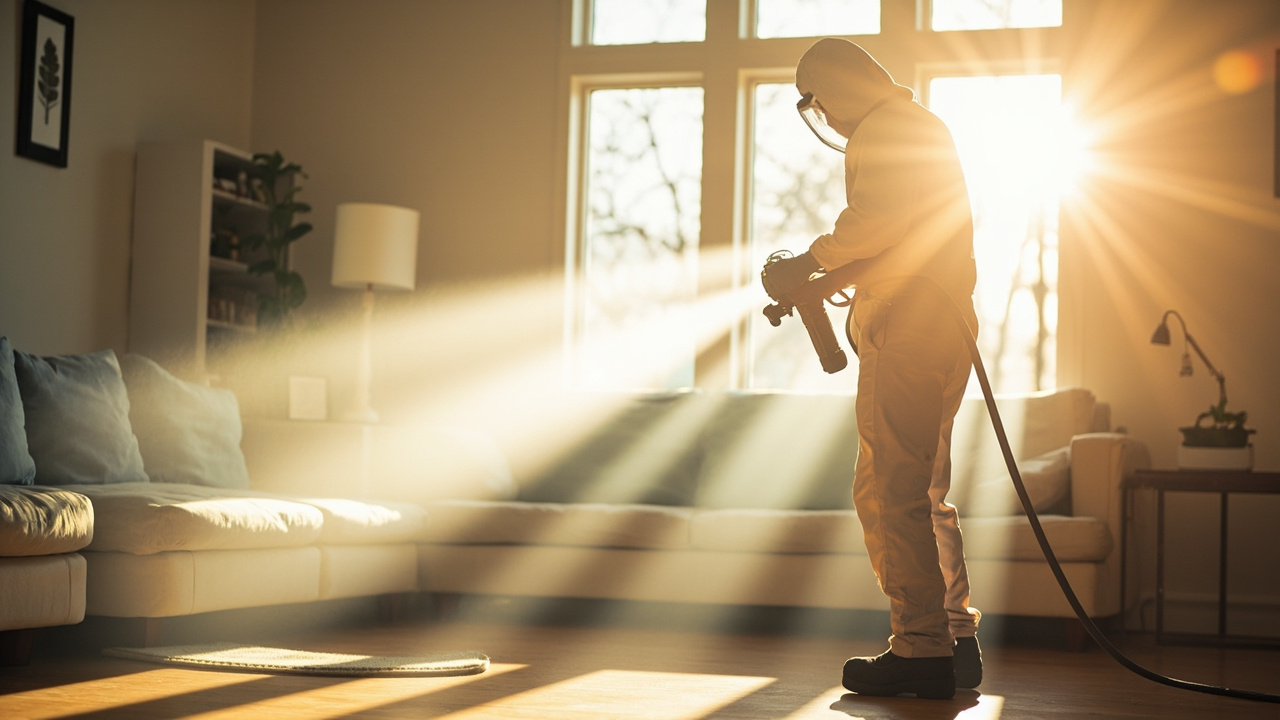
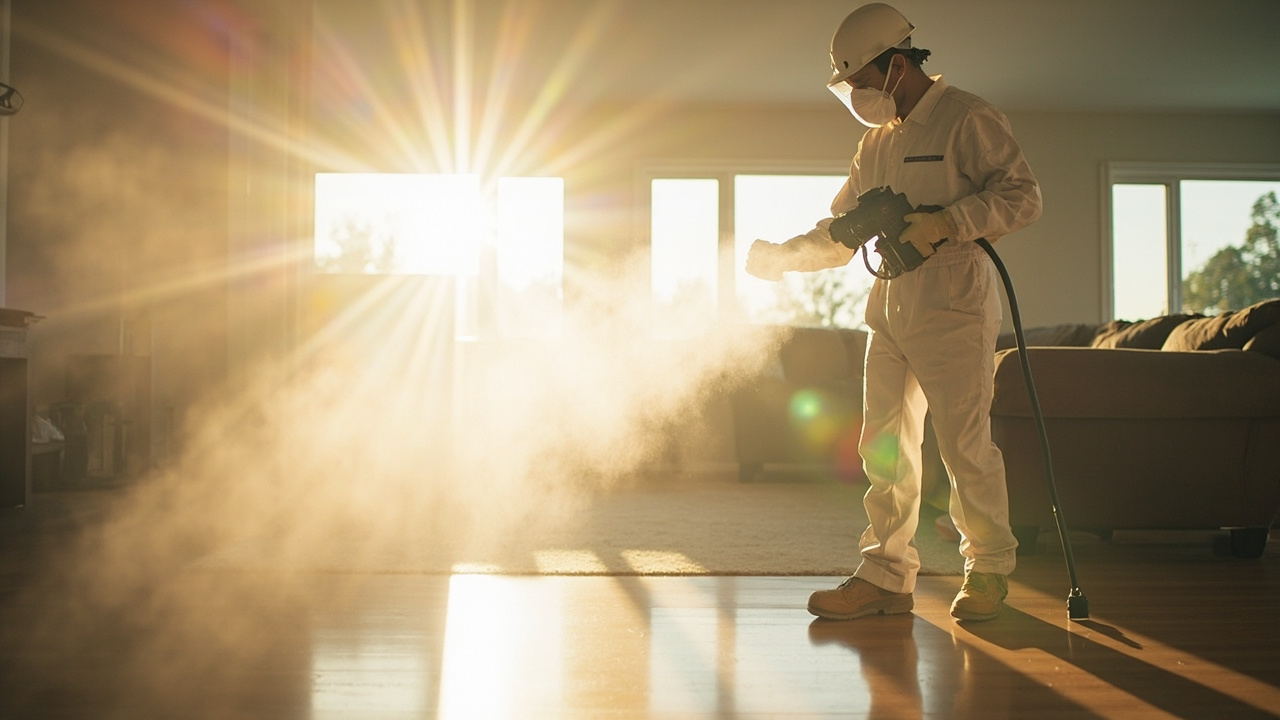
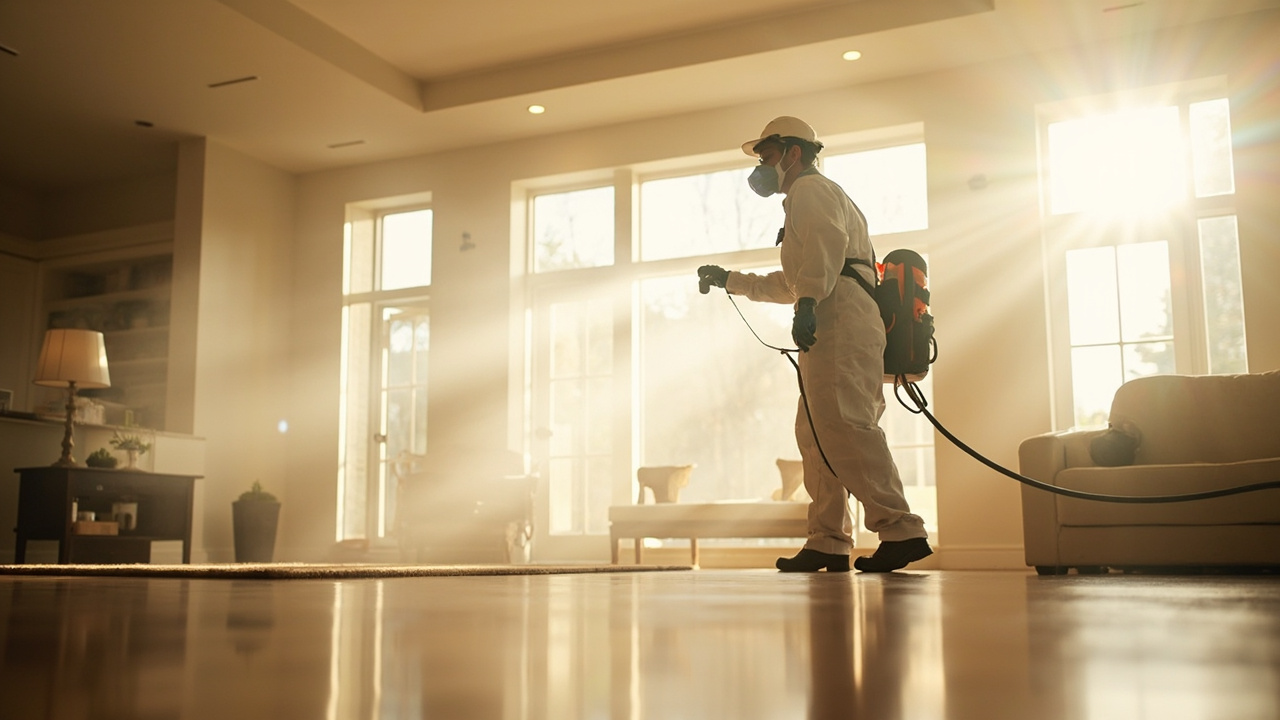
Next, we apply antimicrobial agents to all affected surfaces using electrostatic sprayers that charge particles so they wrap around and cling to surfaces, even in hard-to-reach areas. We use quaternary ammonium compounds for general disinfection and hydrogen peroxide vapor for mold remediation. These agents kill bacteria, viruses, and fungi on contact.

For odor abatement, we use hydroxyl generators and ozone machines depending on the contamination type. Hydroxyl radicals break down organic compounds that cause odors without creating harmful residue. Ozone treatment works for severe cases but requires temporary evacuation. We explain which method fits your situation.

We also treat HVAC systems separately. Ductwork spreads contaminated particles throughout your property every time the system runs. We clean registers, apply antimicrobial coatings to ducts, and replace filters to prevent recontamination.

Our moisture meters and thermal imaging cameras verify that no hidden moisture remains. Bacteria need water to survive. When we confirm all materials are dry and treated, the contamination cycle stops. This is how you prevent recurrence.

What Happens During Your Property Sanitization

Sanitization & Odor Removal in Richmond | Advanced Antimicrobial Treatment for Contaminated Properties
01

Contamination Assessment

We identify the water category, map affected areas with moisture meters, and test for microbial growth using ATP surface testing. This tells us which disinfection protocols to use. Category 3 sewage requires different antimicrobial agents than Category 1 clean water. We document contamination levels with photos and readings for insurance claims and to establish treatment baselines.
02

Targeted Antimicrobial Application

We remove unsalvageable materials first, then apply EPA-registered disinfectants to all surfaces using electrostatic sprayers and foggers. This includes treating wall cavities through access points, beneath flooring, and inside HVAC systems. We use different antimicrobial formulations based on surface type and contamination source. Hard surfaces get quaternary ammonium, porous materials get oxidizing agents. Application takes 2-4 hours depending on square footage.
03

Odor Neutralization and Verification

After antimicrobial treatment, we deploy hydroxyl generators or thermal foggers with odor counteractants to neutralize remaining smells. This process runs 24-72 hours depending on odor severity. We conduct final ATP testing to verify microbial reduction and use our noses to confirm odor elimination. You don't pay until you're satisfied the smell is gone. We provide documentation of microbial counts before and after treatment.

Why Richmond Property Owners Trust Local Expertise for Contamination Control

Horizon Water Damage Restoration Richmond understands the specific contamination risks Richmond properties face. We've treated hundreds of sewage backups from the combined sewer system that serves Shockoe Bottom and downtown. We know which streets flood during tropical storm events and how the James River affects properties in Rocketts Landing.

Local knowledge matters when you're dealing with biological hazards. We understand Richmond's building codes for demolition and disposal of contaminated materials. We know which landfills accept Category 3 waste and how to transport it legally. Out-of-town companies often violate disposal regulations, which can create liability for property owners.

We maintain relationships with Richmond environmental health inspectors and can expedite occupancy clearances after sewage events. When commercial properties need to reopen quickly, these relationships prevent delays that cost thousands in lost revenue.

Our technicians are IICRC-certified in Applied Microbial Remediation and hold Virginia Department of Health approvals for biohazard cleanup. We follow ANSI/IICRA S500 standards for water damage restoration and CDC guidelines for sewage cleanup. This isn't optional training. It's required expertise for safe contamination control.

We use the same antimicrobial products that Richmond hospitals use for infection control. Our quaternary ammonium compounds meet EPA standards for killing MRSA, Norovirus, and Influenza A. When we say your property is sanitized, we mean it meets healthcare facility standards.

Richmond families deserve honest communication about contamination risks. We explain which materials must be removed and why. We show you test results. We don't create fear to inflate invoices. We give you facts so you can make informed decisions about your property and your family's health.

What to Expect During Professional Sanitization Services

Rapid Response Timeline

We arrive within 60 minutes for emergency sewage backups and contamination events in Richmond. Our trucks carry antimicrobial agents, personal protective equipment, and containment barriers so we can begin treatment immediately. Initial assessment takes 30-45 minutes. We start containment and source removal the same day. Full sanitization takes 3-5 days depending on contamination severity and property size. We work around your schedule for commercial properties that need to maintain partial operations during treatment.

Comprehensive Contamination Testing

We use ATP meters to measure microbial contamination on surfaces before and after treatment. ATP testing shows bacterial levels in real time, so you see proof of sanitation effectiveness. We also use particle counters to measure airborne contaminants and moisture meters to find hidden water sources feeding bacterial growth. For mold cases, we conduct air quality testing through independent labs. We document all findings with photos and written reports for insurance companies and for your records. You receive copies of all test results.

Verified Microbial Elimination

Our goal is reducing microbial counts to levels safe for occupancy, which means below 100 colony-forming units per square inch on surfaces. We achieve this through proper antimicrobial dwell time, which means leaving disinfectants on surfaces for 10 minutes before wiping. We don't rush the process. After final treatment, we conduct clearance testing to verify contamination is eliminated. You receive documentation showing before and after microbial counts. We guarantee odor elimination. If smells return within 30 days, we retreat affected areas at no charge.

Post-Sanitization Maintenance Guidance

We provide written recommendations for preventing recontamination, including humidity control targets, ventilation improvements, and plumbing maintenance schedules. For properties with recurring moisture issues, we suggest drainage corrections and sump pump installations. We offer quarterly antimicrobial treatments for commercial kitchens, medical offices, and properties with immune-compromised occupants. Our maintenance plans include HVAC duct cleaning and filter replacement reminders. We also provide emergency contact information so you can reach us immediately if contamination recurs. Richmond's humidity makes ongoing moisture control essential for preventing microbial growth.

Frequently Asked Questions

You Have Questions,
We Have Answers

What is the strongest odor eliminator? +

Hydroxyl generators and ozone machines are the strongest odor eliminators used by professionals. These devices work at the molecular level to break down odor-causing particles rather than masking them. Hydroxyl generators are safe for occupied spaces and tackle smoke, mold, and biological odors. Ozone machines are more aggressive but require evacuation during treatment. For Richmond homes dealing with humidity-related mold or pet odors, enzymatic cleaners also work well on porous surfaces. Effective odor removal depends on identifying the source first. Surface sprays and candles only mask problems temporarily.

What do nursing homes use to get rid of urine smell? +

Nursing homes rely on enzymatic cleaners specifically formulated to break down uric acid crystals in urine. These biological cleaners digest the odor source rather than cover it up. Facilities also use hydroxyl generators for continuous air treatment in hallways and common areas. For hard surfaces, quaternary ammonium compounds provide disinfection alongside odor control. In Richmond's humid climate, moisture control is critical because dampness reactivates dried urine salts. Professional-grade vapor barriers and antimicrobial treatments prevent recurring smells in carpets and subfloors where accidents happen repeatedly.

How do I permanently get rid of a bad smell in my house? +

Permanently removing bad smells requires finding and eliminating the source, not masking it. Start by checking HVAC ducts, crawl spaces, and behind appliances where mold, dead animals, or leaks hide. In Richmond homes, high humidity often causes mildew in basements and attics. After removing the source, treat affected materials with enzymatic cleaners or antimicrobial solutions. For stubborn odors in porous materials like drywall or subflooring, professionals use thermal fogging or hydroxyl generators. Ventilation alone will not fix the problem if contaminated materials remain.

What do nurses use to block smells? +

Nurses commonly use mentholated ointment applied under the nose to block unpleasant smells during patient care. Peppermint oil and eucalyptus oil work similarly by overwhelming the olfactory system with strong scents. Some wear activated carbon filter masks in particularly difficult situations. However, these methods only provide temporary relief for the caregiver. They do not address the odor source itself. For home care situations in Richmond, combining personal odor blockers with proper ventilation and enzymatic cleaning provides better long-term results than masking agents alone.

What kills all smells? +

No single product kills all smells because odors have different chemical compositions. Enzymatic cleaners work on organic matter like urine, vomit, and food. Ozone and hydroxyl generators oxidize molecular structures causing smoke, mold, and chemical odors. Activated carbon filters trap airborne particles. For Richmond homeowners dealing with water damage or sewage backups, thermal fogging penetrates porous materials where odors hide. Professional odor removal combines multiple methods based on the contaminant type. Anyone promising one miracle product does not understand odor chemistry.

What do realtors use to make a house smell good? +

Realtors typically use staged scents like vanilla, citrus, or fresh linen sprays before showings. Baking cookies or brewing coffee creates pleasant associations. However, these tactics only mask existing problems temporarily. Savvy buyers in Richmond recognize cover-up attempts. If you are preparing to sell, address the root cause first. Remove carpets harboring pet odors, repair leaks causing mildew, and clean HVAC ducts distributing stale air. Professional ozone treatment or hydroxyl generation neutralizes odors at the molecular level. Clean sells better than perfumed.

What is the old lady's smell called? +

The smell associated with elderly individuals is called nonenal. This odor comes from 2-nonenal, a chemical compound produced when omega-7 unsaturated fatty acids in skin oils break down with age. It increases after age 40 and becomes more noticeable in enclosed spaces with poor ventilation. Regular cleaning of fabrics, improved air circulation, and using mild enzymatic cleaners help manage the issue in Richmond homes. Nonenal is not caused by poor hygiene. It is a natural biological process that proper ventilation and fabric care can minimize.

How do professionals remove pee smell? +

Professionals remove urine odor by treating both surface stains and subsurface contamination. First, they use UV lights to locate all affected areas, including dried spots invisible to the eye. Enzymatic cleaners break down uric acid crystals in carpets and padding. For concrete or wood subfloors common in Richmond homes, sealers lock in residual odors after cleaning. Severe cases require removing contaminated materials entirely. Hydroxyl generators treat airborne particles. Simply shampooing carpets pushes urine deeper into padding, making the problem worse when humidity reactivates the salts.

What do morticians use to block smells? +

Morticians use a combination of vapor barriers, formaldehyde-based solutions, and strong ventilation systems to control decomposition odors. Mortuaries also employ industrial ozone machines and hydroxyl generators in preparation rooms. However, these methods are not appropriate for residential settings. For Richmond homeowners dealing with undiscovered death or severe decomposition odors, professional biohazard remediation teams use ATP surface testing, antimicrobial fogging, and complete removal of contaminated porous materials. This situation requires specialized training, protective equipment, and proper disposal methods that go beyond standard cleaning.

What is the hardest smell to get rid of in a house? +

Smoke odor from fires is the hardest smell to eliminate because microscopic particles penetrate every porous surface. Soot embeds in drywall, insulation, ductwork, and structural framing. In Richmond's humid climate, these particles absorb moisture and continuously release odor. Professional fire restoration requires HEPA vacuuming, thermal fogging, ozone treatment, and often complete removal of affected materials. Cigarette smoke builds up similarly over years. Pet urine in subfloors ranks second because uric acid crystals reactivate with humidity. Both require aggressive source removal, not surface cleaning.

How Richmond's Aging Sewer Infrastructure Increases Sanitization Needs

Richmond's combined sewer system, which serves over 23,000 properties in older neighborhoods, mixes sewage and stormwater in the same pipes. During heavy rain events, the system overflows and forces raw sewage back through floor drains and toilets in basements throughout Shockoe Bottom, Oregon Hill, and Jackson Ward. The city documented over 400 million gallons of combined sewer overflow in recent years. When blackwater floods your basement, you face exposure to fecal coliform bacteria, parasites, and viruses that require professional antimicrobial treatment. Standard cleanup methods don't eliminate these pathogens. EPA-registered disinfectants and proper material removal are the only safe response to sewage contamination.

Richmond property owners need sanitization specialists who understand local contamination patterns and Virginia Department of Health requirements for biohazard disposal. We maintain permits for transporting Category 3 waste and follow state protocols for sewage cleanup in occupied buildings. Our team coordinates with Richmond environmental health inspectors when commercial properties need occupancy clearances after contamination events. This local expertise prevents compliance violations and speeds your return to normal operations. We also understand how Richmond's humid climate accelerates microbial growth, which is why we combine disinfection with aggressive dehumidification to prevent recontamination.

Water Damage Restoration Services in The Richmond Area

Horizon Water Damage Restoration proudly serves the greater Richmond area and surrounding communities. Our strategic location allows us to respond quickly and efficiently to your water damage emergencies, no matter where you are. We are committed to being a local, reliable presence for our neighbors. View our service area on the map below to see how we can reach you and provide the swift, expert service you need.

Address:
Horizon Water Damage Restoration Richmond, 1840 W Broad St, Richmond, VA, 23220

Additional Services We Offer

Our news updates

Latest Articles & News from The Blogs

Identifying Slow Leaks in Flat Roofs Common Around Sandston Flat roofs in Sandston often develop slow leaks that property owners…

Identifying Slow Leaks in Flat Roofs Common Around Sandston

Identifying Slow Leaks in Flat Roofs Common Around Sandston Flat roofs in Sandston often develop slow leaks that property owners…

Simple Ways to Redirect Rainwater Away from Your Stratford Hills Foundation

Simple Ways to Redirect Rainwater Away from Your Stratford Hills Foundation Water pooling near your foundation in Stratford Hills can…

The Damage a Burst Washing Machine Hose Can Do in Just 30 Minutes

The Damage a Burst Washing Machine Hose Can Do in Just 30 Minutes A burst washing machine hose can release…

Contact Us

Don't risk your health by ignoring sewage odors or water damage contamination. Call Horizon Water Damage Restoration Richmond at (804) 602-2644 for immediate sanitization services. We're available 24/7 for contamination emergencies throughout the Richmond metro area.