






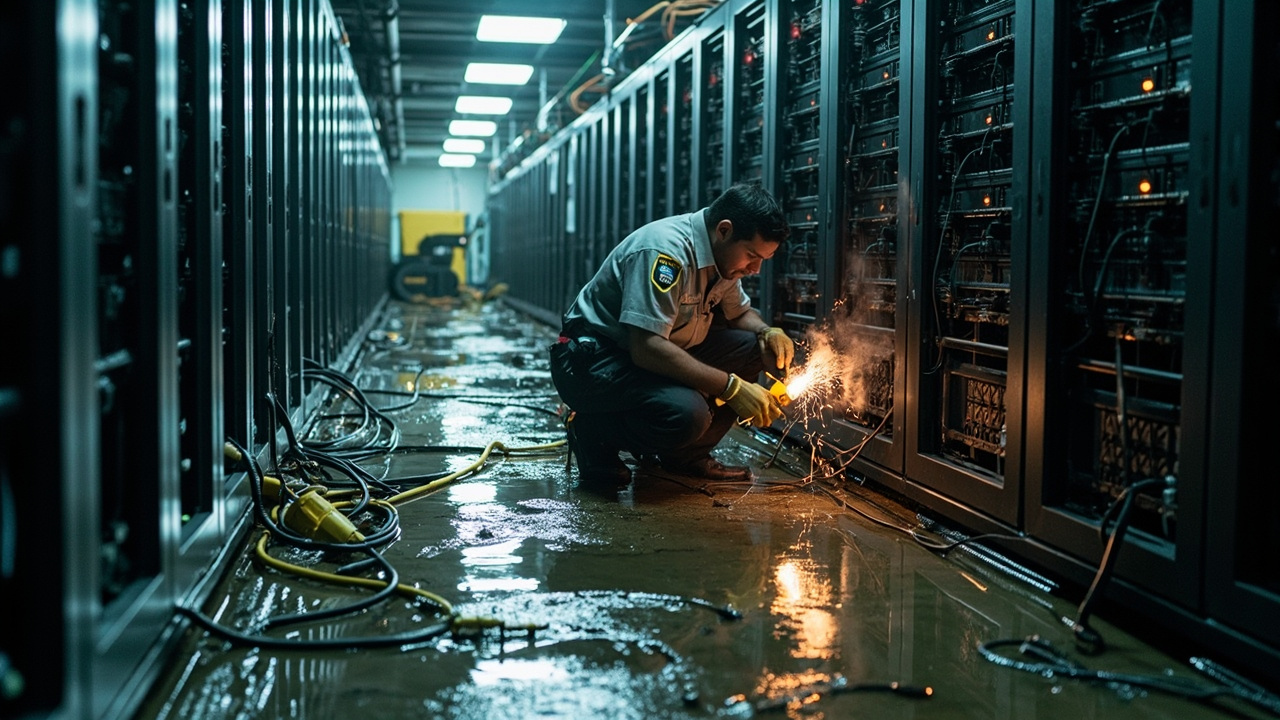
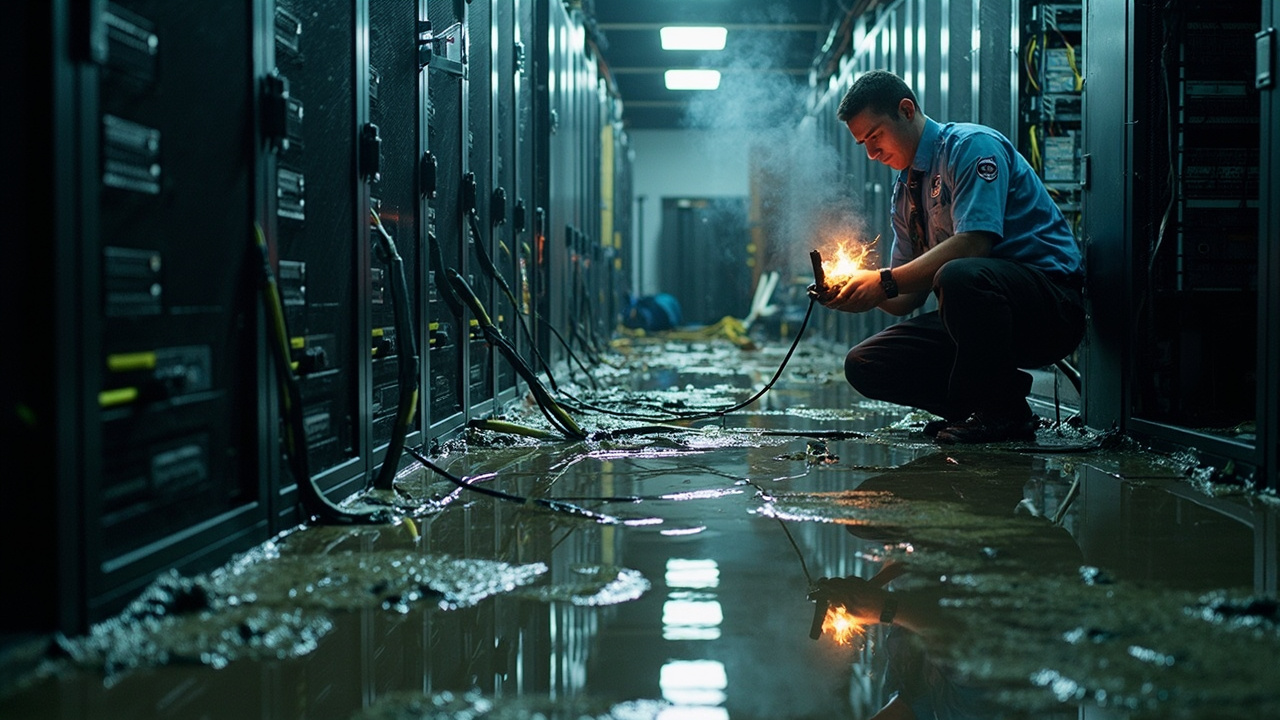
Richmond's position at the fall line creates unique challenges for commercial facilities. The transition from Piedmont plateau to coastal plain geology means variable soil conditions within short distances. Clay soils in areas south of the James River shift during wet-dry cycles, stressing building foundations and creating cracks where water enters. The older commercial districts in downtown Richmond and Shockoe Bottom contain buildings constructed before modern waterproofing standards existed. Server rooms in these facilities often occupy basement or ground floor locations vulnerable to groundwater intrusion and storm drainage backups. Summer humidity combines with aging HVAC infrastructure to create condensation issues that escalate into full water damage events when systems fail during peak cooling demand.
Richmond's commercial real estate market includes diverse property types requiring different expertise. The converted tobacco warehouses feature heavy timber construction and brick masonry that absorbs water differently than modern steel-frame construction. Financial district towers built in the 1960s and 1970s have original HVAC systems prone to condensate line failures. Newer suburban data centers in Innsbrook and West Broad Village incorporate raised floor systems and sophisticated environmental controls that demand specialized knowledge. Local building inspectors enforce Virginia Uniform Statewide Building Code requirements for commercial properties, and insurance carriers require documentation that work meets these standards. Our familiarity with Richmond's commercial building stock and local code requirements ensures server room water removal services meet both immediate recovery needs and long-term compliance obligations.


