





Menu

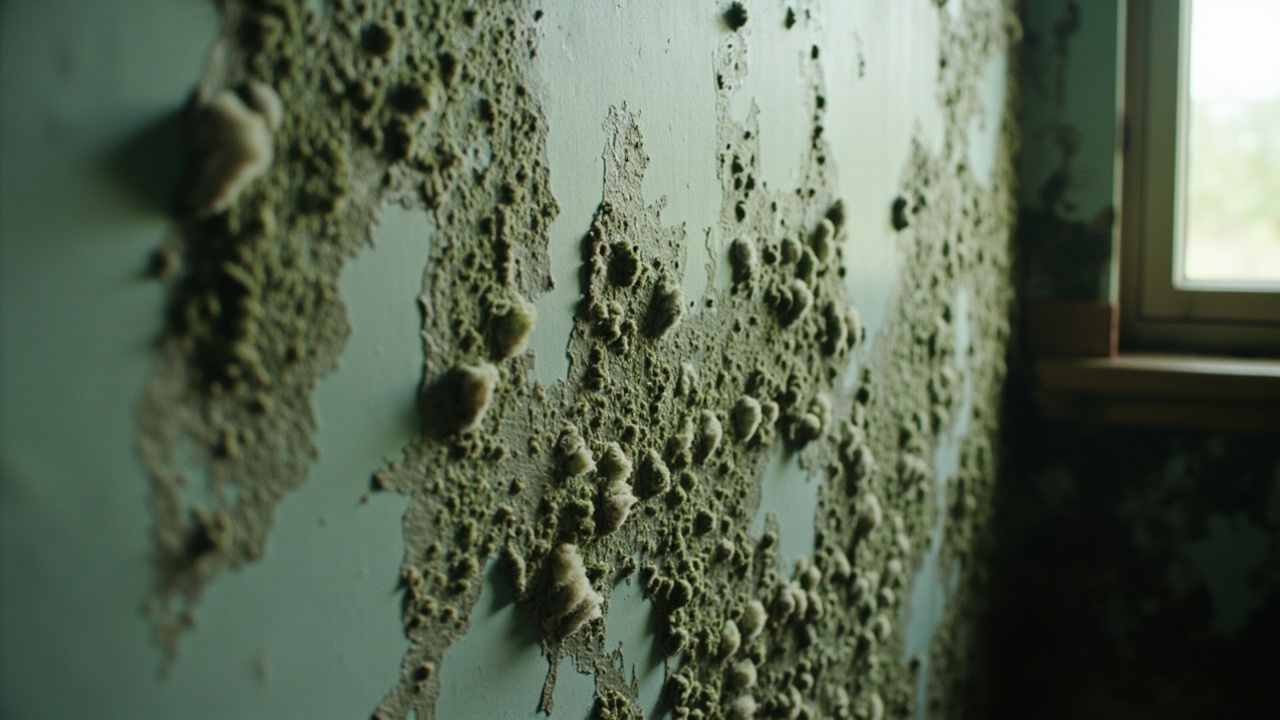
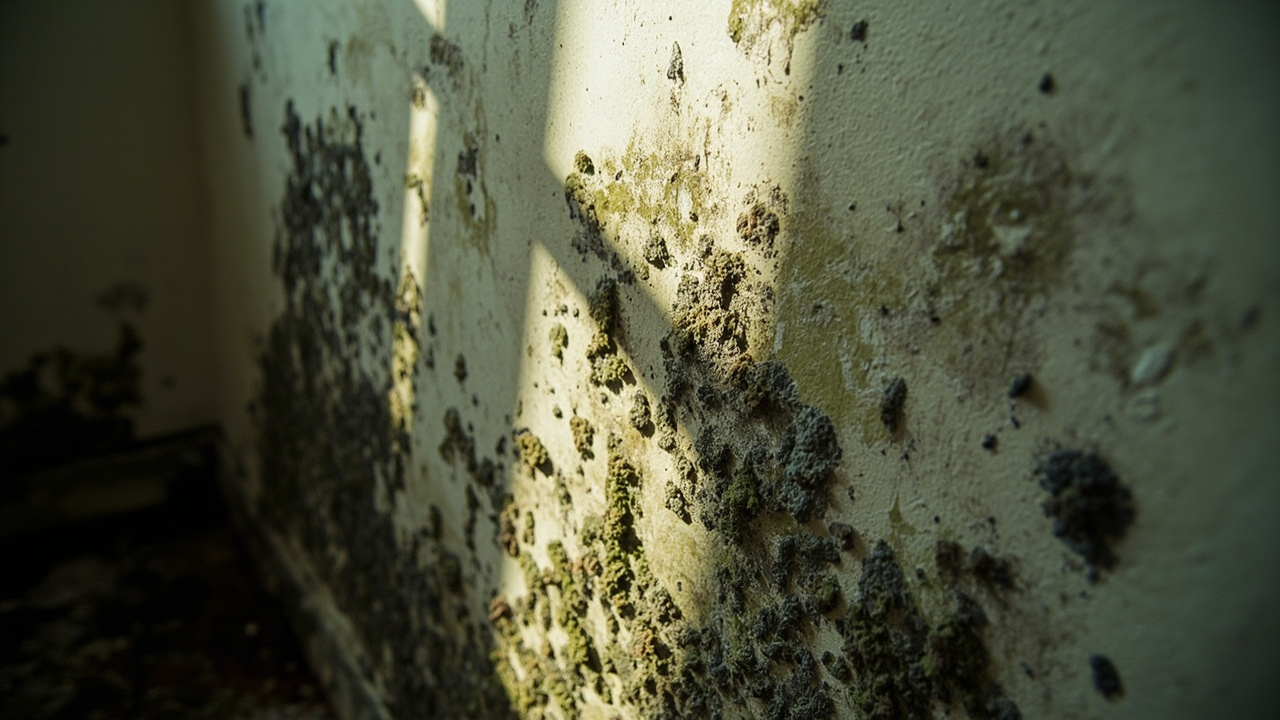
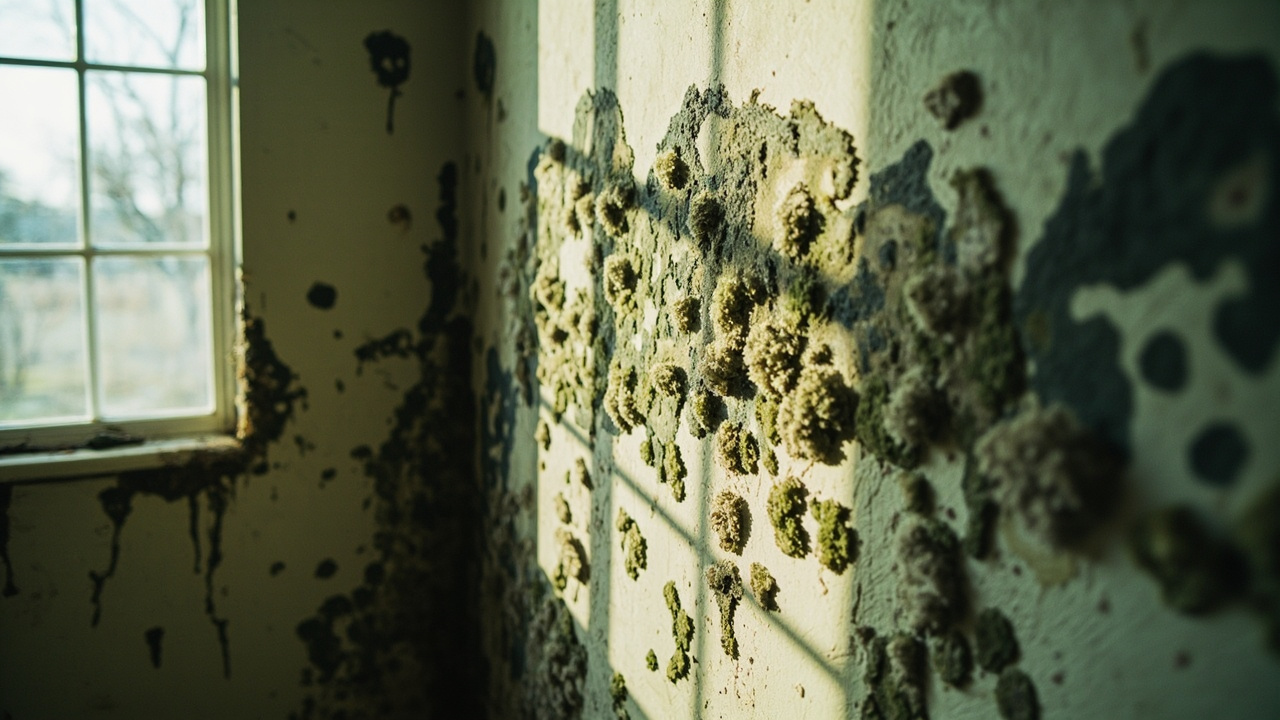
Visible Mold Growth on Walls in Richmond – Expert Diagnosis and Complete Remediation

From black mold spots on drywall to full wall mold infestations, we identify the moisture source, remove contaminated materials safely, and restore your Richmond home to healthy conditions.

Slider Image 1
Slider Image 2
Slider Image 3
Slider Image 4
Slider Image 5
Slider Image 7
Slider Image 8
Slider Image 9
Slider Image 10
Slider Image 11

Why Richmond Homes Develop Visible Mold Growth on Walls

Richmond's humid subtropical climate creates perfect conditions for mold. Summer humidity regularly exceeds 70 percent, and the city's location along the James River adds moisture saturation to the air. When this humidity combines with poor ventilation, inadequate insulation, or hidden water intrusion, you get black mold spots on drywall and fungal growth on wall surfaces.

Many Richmond homes feature original plaster walls or older sheetrock installations without proper vapor barriers. The clay-heavy soil common throughout the Fan District, Church Hill, and surrounding neighborhoods causes foundation settlement. These small shifts create cracks that allow groundwater to wick up through basement walls. You see visible mildew on painted walls first, usually near baseboards or in corners where air circulation is poorest.

Roof leaks are another culprit. Richmond experiences intense summer thunderstorms and occasional tropical systems that test aging roofing materials. Water travels down wall cavities for days or weeks before you notice mold patches on sheetrock in bedrooms or living spaces. By the time you spot the discoloration, the wall mold infestation has often spread through insulation and wooden framing members.

Bathroom exhaust fans that vent into attics instead of outside dump moisture into enclosed spaces. Kitchen plumbing leaks behind cabinets go unnoticed until the drywall on the other side starts showing fungal growth. HVAC condensation lines that clog or disconnect create steady moisture sources. The mold you see on the surface represents a fraction of the total contamination. The real problem lives inside your walls.

Why Richmond Homes Develop Visible Mold Growth on Walls
How We Remove Wall Mold and Fix the Moisture Problem

How We Remove Wall Mold and Fix the Moisture Problem

Surface cleaning does not work. Bleach and household cleaners kill surface spores but leave the root structure alive in porous materials. Professional remediation requires identifying every moisture source, removing contaminated materials, and treating the structural components properly.

We start with moisture mapping using thermal imaging cameras and pin-type moisture meters. These tools show us exactly where water is present, even behind finished surfaces. We trace the moisture back to its source, whether that is a plumbing leak, roof penetration, or condensation issue. Fixing the source comes first. Removing mold without stopping the water guarantees it returns within weeks.

Containment comes next. We seal off the work area with plastic sheeting and create negative air pressure using HEPA-filtered air scrubbers. This prevents spores from spreading to clean areas during demolition. We remove all porous materials with visible growth, including drywall, insulation, and any wooden components showing deterioration. Non-porous surfaces like studs and concrete get wire-brushed and treated with antimicrobial solutions.

The affected areas are dried using commercial dehumidifiers and air movers until moisture readings return to normal ranges, typically below 15 percent moisture content. We apply encapsulants to structural wood to prevent future growth. Only after verification testing shows the space is clean and dry do we begin reconstruction. New materials include mold-resistant drywall in moisture-prone areas and proper vapor barriers where needed.

We document the entire process with photos and moisture readings for your records and insurance claims. Each job follows IICRC S520 standards for mold remediation, which ensures proper containment, removal, and verification procedures.

What Happens During Professional Mold Remediation

Visible Mold Growth on Walls in Richmond – Expert Diagnosis and Complete Remediation
01

Source Identification

We use thermal imaging and moisture detection equipment to map all water intrusion points. This reveals hidden leaks in plumbing, roof penetrations, or foundation issues causing the visible mold growth on walls. We trace moisture patterns through wall cavities to find the origin point. Every source gets documented with photos and readings before we proceed to containment and removal phases.
02

Controlled Removal

We establish physical containment barriers and negative air pressure to isolate the work zone. All porous materials showing fungal growth get removed and bagged for disposal. Structural components receive antimicrobial treatment and thorough drying. HEPA air scrubbers run continuously to capture airborne spores during demolition. We verify clearance with air quality testing before moving to reconstruction. This prevents cross-contamination to unaffected spaces.
03

Restoration and Prevention

After areas pass clearance testing, we rebuild with mold-resistant materials and improved moisture control measures. This includes proper vapor barriers, upgraded ventilation where needed, and addressing the original water source. We provide documentation showing pre and post moisture readings, photos of all work phases, and recommendations to prevent recurrence. Your walls return to their original appearance with the underlying problem permanently resolved.

Why Richmond Property Owners Choose Horizon Water Damage Restoration Richmond

Richmond's building stock ranges from century-old rowhouses in the Fan to newer construction in Short Pump and Midlothian. Each era presents different challenges for moisture control and mold prevention. We understand how balloon framing in older homes allows mold to spread vertically through wall cavities. We know which neighborhoods have chronic foundation issues due to clay soil composition.

Local building codes require specific procedures for mold remediation and reconstruction. Virginia's licensing requirements for mold remediation are strict. We maintain proper credentials and insurance coverage to work on residential and commercial properties throughout the Richmond metro area. This matters when you file insurance claims or need documentation for property transactions.

We work directly with Richmond-area insurance adjusters who understand local moisture and mold patterns. They recognize our reports and trust our assessments because we follow industry protocols consistently. This speeds up your claim approval and gets restoration work started faster. Many national franchises lack this local relationship network.

Our familiarity with Richmond's architecture means we anticipate problems before they escalate. We know the common failure points in different home styles. We understand how Historic District regulations affect renovation work in neighborhoods like Church Hill and the Museum District. We coordinate with city inspectors when permits are required for extensive reconstruction work.

Response time matters with mold issues. We serve the entire Richmond metro from our local facility, which means we arrive quickly when you discover black mold spots on drywall or extensive fungal growth on wall surfaces. We stock the equipment and materials needed for immediate containment and removal. You do not wait days for crews to mobilize from distant locations.

What to Expect During Your Mold Remediation Project

Response Time and Scheduling

We provide same-day or next-day assessments for visible mold growth on walls. The initial inspection takes 60 to 90 minutes and includes moisture mapping, visual documentation, and a written scope of work. Emergency containment can begin immediately if needed to prevent spread. Full remediation projects typically start within 48 hours of approval. Timeline depends on the extent of contamination, but most single-room projects complete within three to five days. Larger projects involving multiple rooms or structural repairs take one to two weeks. We provide daily updates on progress and any discoveries that affect scope or timeline.

The Assessment Process

Your assessment begins with a detailed interview about when you first noticed the mold patches on sheetrock, any water events you remember, and health symptoms you have experienced. We inspect all adjacent spaces to determine contamination extent. Thermal imaging reveals temperature differentials that indicate moisture or missing insulation. Moisture meters provide exact readings in walls, floors, and ceilings. We document all findings with photos and diagram the affected areas. You receive a written protocol detailing what materials require removal, containment procedures, and estimated timeline. This document serves as your roadmap through the entire remediation process and provides transparency for insurance claims.

The Quality of Final Results

Your restored walls will be indistinguishable from original construction. We match existing textures, paint sheens, and trim details. All new drywall receives proper taping, multiple coats of joint compound, and thorough sanding before priming and painting. We use low-VOC materials to maintain indoor air quality. Post-remediation verification testing confirms mold spore counts return to normal background levels. You receive documentation packages including all moisture readings, photos of hidden conditions discovered during demolition, and materials used in reconstruction. These records prove proper remediation occurred and protect your property value. The space returns to full functionality with improved moisture resistance built into the reconstruction.

Follow-Up and Prevention Guidance

We provide specific recommendations to prevent mold recurrence based on conditions found during remediation. This includes ventilation improvements, dehumidification strategies for basements, and maintenance schedules for gutters and downspouts. You receive written guidance on humidity levels to maintain and warning signs that indicate moisture problems returning. We offer follow-up inspections at 30 and 90 days to verify conditions remain stable. Many clients schedule annual moisture assessments to catch small problems before they become visible mold growth on walls. We maintain project records indefinitely so you have documentation for future property sales or insurance needs. Our goal extends beyond removing current contamination to preventing future mold issues.

Frequently Asked Questions

You Have Questions,
We Have Answers

What to do if you see mold on a wall? +

Stop using the area immediately and isolate it to prevent spore spread. Do not touch or disturb the mold. Take photos for documentation and insurance purposes. Check for moisture sources like leaks, condensation, or high humidity, especially in Richmond's humid climate where HVAC systems often struggle. If the affected area is larger than 10 square feet, you need professional remediation. Contact a certified mold specialist to assess the contamination level and identify the root cause. Small spots may seem harmless, but visible growth often signals hidden colonies inside walls or under flooring.

Can mold make a baby cough? +

Yes. Mold spores irritate developing respiratory systems and trigger coughing, wheezing, and congestion in infants. Babies breathe faster than adults, inhaling more spores per body weight. Richmond's high humidity creates ideal mold conditions in homes, particularly in crawlspaces and attics. If your baby develops a persistent cough without other illness signs, inspect your home for visible growth or musty odors. Black mold and other toxigenic species pose higher risks. Remove the baby from exposure immediately and consult a pediatrician. Professional mold testing identifies the species and contamination extent to protect your child's health.

Can mold cause twitching? +

Certain mold species produce mycotoxins that affect neurological function, potentially causing muscle twitching, tremors, or spasms. Prolonged exposure to toxic mold like Stachybotrys can disrupt nerve signal transmission. However, twitching has many causes, so mold exposure alone does not confirm diagnosis. If you notice twitching alongside other symptoms like headaches, fatigue, or respiratory issues, and you have visible mold in your Richmond home, get medical evaluation and professional mold testing. High humidity from our climate often hides mold in HVAC ducts and wall cavities where spores circulate unnoticed.

Does black mold affect pregnancy? +

Yes. Mold exposure during pregnancy increases risks for respiratory complications, allergic reactions, and potential complications for both mother and fetus. Pregnant women have suppressed immune systems, making them more vulnerable to mold-related illness. Mycotoxins from toxic mold species can cause inflammation and respiratory distress. If you are pregnant and discover mold in your Richmond home, leave remediation to professionals and stay away during the process. Richmond's humidity and older housing stock create frequent mold issues in crawlspaces and basements. Prioritize immediate professional assessment to eliminate exposure risks during this vulnerable period.

What kills mold permanently on walls? +

No single product kills mold permanently. You must eliminate the moisture source first. Surface cleaning with antimicrobial solutions kills visible colonies, but mold returns if humidity or leaks persist. In Richmond, high humidity and poor ventilation cause recurring growth. Professional remediation includes moisture control, HEPA air scrubbing, antimicrobial treatment, and contaminated material removal. Porous materials like drywall and insulation often require replacement since mold roots penetrate deep. Without fixing the underlying water issue, whether from foundation seepage, roof leaks, or HVAC condensation, mold always returns. Address the cause, not just the symptom.

Will mold go away if it dries out? +

No. Mold becomes dormant when dry but does not die. Spores remain viable for years and reactivate when moisture returns. Richmond's fluctuating humidity, especially during spring and summer, easily reactivates dormant colonies. Dried mold is equally allergenic and still releases spores into your air. The visible staining indicates contamination that requires proper remediation, not just drying. Dead or dormant mold still triggers respiratory reactions and allergic responses. Professional removal includes eliminating the contaminated material and treating affected areas with antimicrobials. Never assume drying solves the problem. You need complete removal and moisture control.

What are the first signs of mold sickness? +

Early mold sickness symptoms include persistent coughing, sneezing, throat irritation, nasal congestion, and watery eyes. You may experience headaches, fatigue, difficulty concentrating, or skin rashes. Symptoms often worsen inside your home and improve when you leave. In Richmond's humid climate, mold thrives in hidden areas like crawlspaces, attics, and behind walls, making symptoms chronic without obvious cause. If multiple household members develop similar respiratory issues simultaneously, suspect mold contamination. Pay attention to musty odors, visible discoloration on walls or ceilings, and increased allergy symptoms. Early detection prevents serious health complications.

Can air purifiers remove mold spores? +

Air purifiers with true HEPA filters capture airborne mold spores but do not eliminate the source. They reduce circulating spores temporarily, providing symptom relief during remediation. However, air purifiers cannot address active colonies growing on surfaces or hidden inside walls. In Richmond homes, mold often grows in crawlspaces and HVAC systems where purifiers cannot reach. Use air purifiers as a supplemental tool during professional remediation, not as a replacement. They help maintain air quality after mold removal when combined with proper moisture control and ventilation. Address the contamination source first, then use purifiers for ongoing air quality.

Can I clean up mold myself? +

You can clean small areas under 10 square feet if the mold is surface level and you have no health vulnerabilities. Wear an N95 mask, gloves, and eye protection. Use detergent and water, not bleach on porous surfaces. However, Richmond's humidity often means visible mold indicates larger hidden colonies. If mold returns after cleaning, appears on porous materials like drywall, or covers large areas, you need professional help. You cannot safely remediate mold inside walls, HVAC systems, or crawlspaces. Improper cleaning spreads spores throughout your home. When uncertain, hire certified professionals.

Is brain damage from mold reversible? +

Evidence is limited and individual cases vary significantly. Some people experience improvement after eliminating mold exposure and receiving medical treatment, while others have persistent cognitive effects. Mycotoxin exposure affects memory, concentration, and neurological function, but the permanence depends on exposure duration, mold species, and individual susceptibility. If you suspect mold-related cognitive issues, see a physician familiar with environmental illness and immediately address the contamination in your Richmond home. Early intervention improves recovery outcomes. Professional mold remediation eliminates ongoing exposure, allowing your body to begin healing. Complete recovery timelines vary and require medical monitoring throughout the process.

How Richmond's James River Location Increases Wall Mold Risk

Richmond sits at the fall line of the James River, where the Piedmont plateau meets the Coastal Plain. This geography creates persistent humidity challenges. Morning fog is common in riverside neighborhoods like Shockoe Bottom and Rocketts Landing. Homes near Bryan Park and along the Northside experience higher baseline humidity due to tree canopy density and limited air circulation. The combination of river moisture, dense vegetation, and clay soil that retains water creates conditions where visible mildew on painted walls develops faster than in drier climates. Basements in Church Hill and Oregon Hill frequently show fungal growth on wall surfaces due to groundwater seepage through aging foundations. Understanding these location-specific moisture patterns allows proper diagnosis of why black mold spots on drywall appear and how to prevent recurrence through targeted moisture control strategies.

Richmond's Historic Districts require special consideration during mold remediation. Properties in the Fan, Museum District, and Jackson Ward often need approval for exterior work affecting the building envelope. We work within these guidelines while ensuring proper moisture management. Our familiarity with Richmond's predominant architectural styles means we understand where water intrusion typically occurs in different building types. Victorian-era homes have different vulnerable points than mid-century ranches in the West End. This local expertise prevents trial-and-error approaches that waste time and money. We know which Richmond neighborhoods experience chronic foundation settlement, where roof designs commonly fail, and how local construction practices from different eras affect mold susceptibility. This knowledge base comes from years of remediation work throughout the metro area, not from a generic training manual.

Water Damage Restoration Services in The Richmond Area

Horizon Water Damage Restoration proudly serves the greater Richmond area and surrounding communities. Our strategic location allows us to respond quickly and efficiently to your water damage emergencies, no matter where you are. We are committed to being a local, reliable presence for our neighbors. View our service area on the map below to see how we can reach you and provide the swift, expert service you need.

Address:
Horizon Water Damage Restoration Richmond, 1840 W Broad St, Richmond, VA, 23220

Additional Services We Offer

Our news updates

Latest Articles & News from The Blogs

Investigating a Suddenly High Richmond Water Bill (Where to Look for Hidden Leaks) A sudden spike in your water bill…

Investigating a Suddenly High Richmond Water Bill (Where to Look for Hidden Leaks)

Investigating a Suddenly High Richmond Water Bill (Where to Look for Hidden Leaks) A sudden spike in your water bill…

Should You Close Your Crawl Space Vents During the Humid Virginia Summer Months?

Should You Close Your Crawl Space Vents During the Humid Virginia Summer Months? Richmond’s summer humidity often exceeds 80% and…

What Bubbling Paint on Your Ceiling Actually Says About Your Roof or Plumbing

What Bubbling Paint on Your Ceiling Actually Says About Your Roof or Plumbing Bubbling paint on your ceiling is more…

Contact Us

Visible mold growth on walls indicates a moisture problem that worsens daily. Call (804) 602-2644 now for same-day assessment. We identify the source, remove contamination safely, and restore your property to healthy conditions. Your Richmond home deserves proper remediation, not surface cleaning that fails within weeks.