




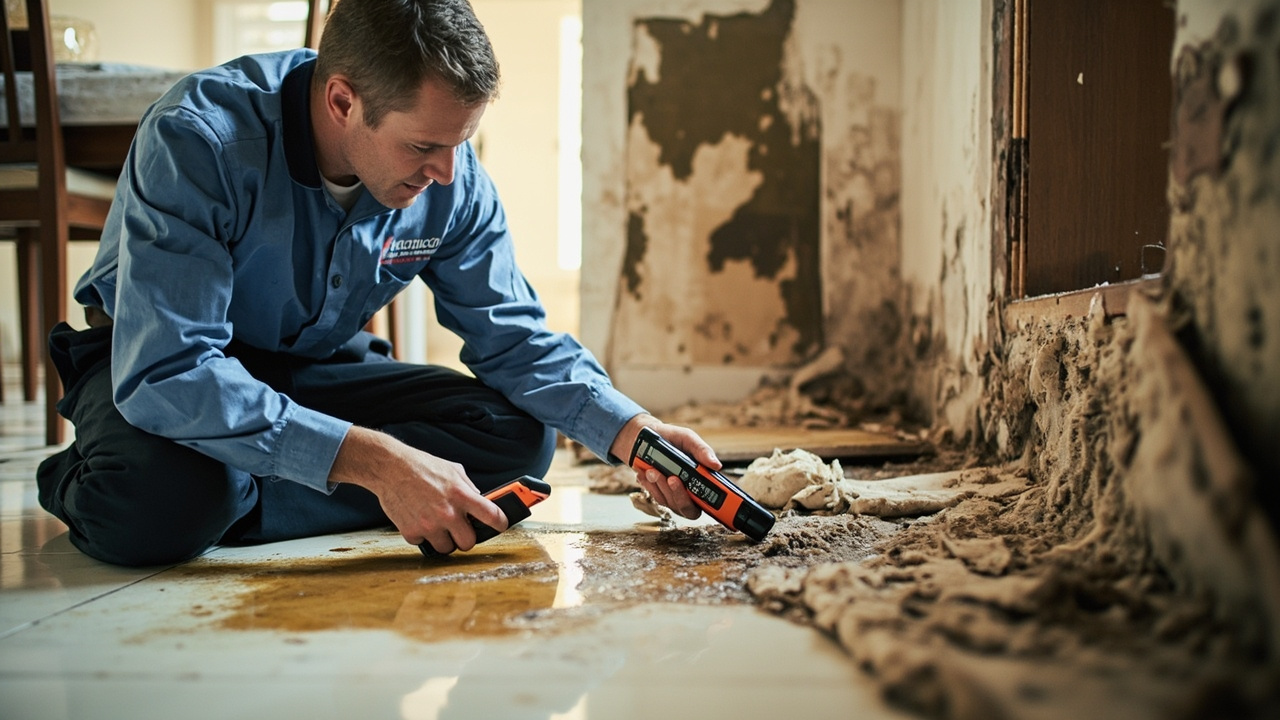
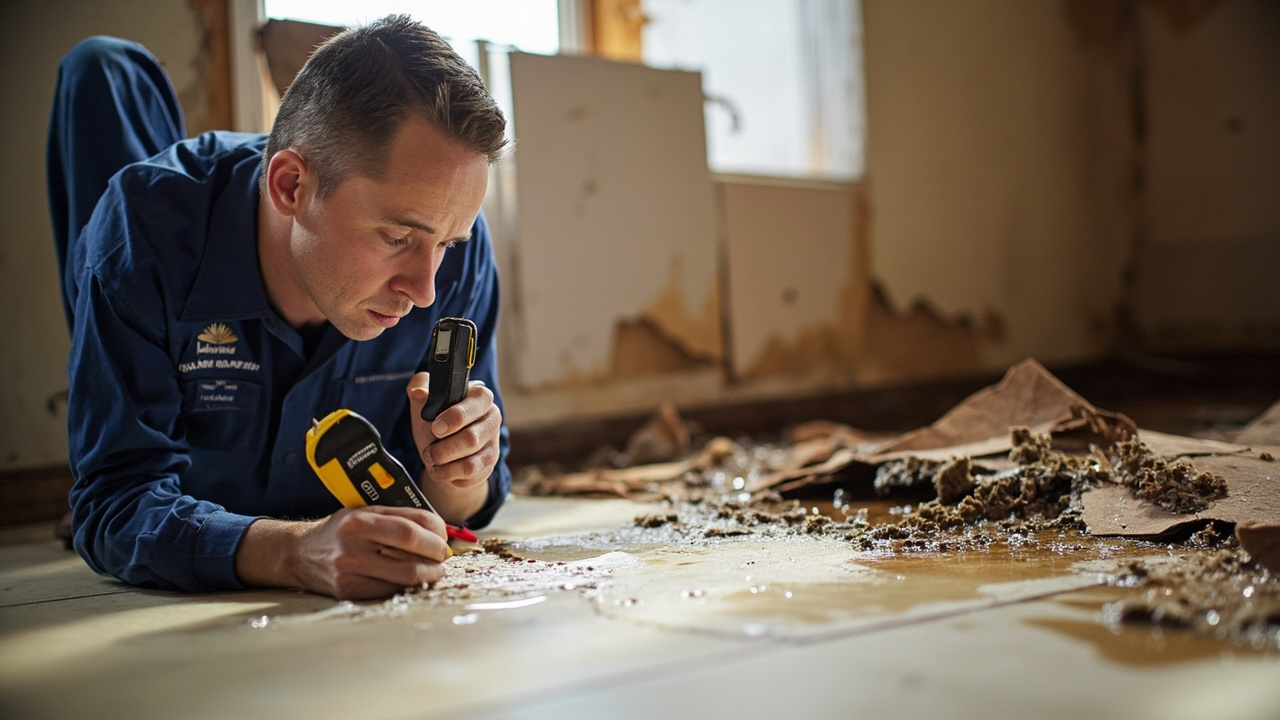
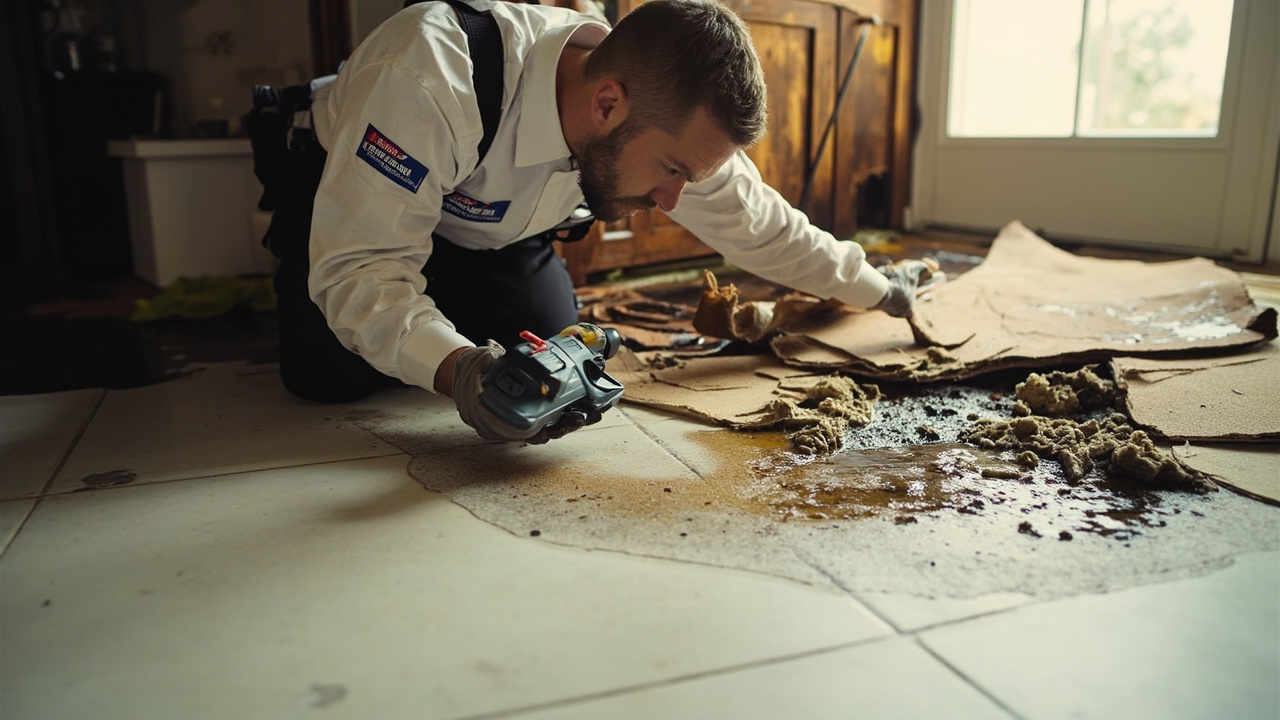
Richmond's humid subtropical climate and aging infrastructure create unique water contamination challenges. Summer temperatures regularly exceed 85 degrees with 70% relative humidity, accelerating bacterial growth in standing water. Category 2 water from appliance leaks or drain overflows degrades into Category 3 within 48 hours under these conditions. The city's clay-heavy soil expands and contracts with moisture changes, shifting foundations and cracking sewer lines. These failures introduce raw sewage into crawlspaces and basements, creating immediate Category 3 contamination. Tropical storm remnants bring James River floodwater into low-lying neighborhoods, carrying soil, debris, and biological contaminants. Richmond's historic housing stock, particularly in areas like the Fan District and Church Hill, features century-old plumbing that fails without warning, often releasing contaminated water from corroded galvanized pipes.
Professional water damage restoration in Richmond requires understanding of local building characteristics and contamination sources. Horizon Water Damage Restoration Richmond maintains relationships with city building inspectors and regional insurance adjusters familiar with area-specific damage patterns. Our technicians recognize contamination indicators unique to Richmond's mixed-age housing, from cast iron sewer failures in pre-1960 homes to polybutylene supply line failures in 1980s construction. We understand how the city's topography channels stormwater toward properties near Gillies Creek and Reedy Creek, creating repetitive flood exposure that demands Category 3 protocols. This local expertise ensures accurate contamination classification, appropriate safety measures, and proper documentation for insurance claims and building permit compliance.


