





Menu

Water Mitigation vs Restoration in Richmond – Understanding the Critical Difference That Protects Your Property Investment

Expert guidance on water damage mitigation vs restoration helps Richmond homeowners and business owners make informed decisions during water emergencies, preventing thousands in unnecessary costs and long-term structural damage.

Slider Image 1
Slider Image 2
Slider Image 3
Slider Image 4
Slider Image 5
Slider Image 7
Slider Image 8
Slider Image 9
Slider Image 10
Slider Image 11

Why Richmond Property Owners Need to Know the Difference Between Water Mitigation and Restoration

Richmond's position along the James River and its humid subtropical climate create year-round water intrusion risks that demand immediate action. When water enters your property, the response timeline determines whether you face a manageable cleanup or extensive structural repairs.

The difference between water mitigation and restoration often confuses property owners during emergencies. Mitigation means stopping the damage from getting worse. Restoration means returning the property to its pre-loss condition. These are two distinct phases, and understanding which you need first can save you significant money.

Water damage mitigation vs restoration is not just semantics. Mitigation is the emergency response. It includes water extraction, structural drying, antimicrobial treatment, and temporary repairs. This phase typically takes three to five days and prevents mold growth, wood rot, and structural compromise. Richmond's humidity levels above 60 percent most of the year mean mold can colonize wet surfaces within 24 to 48 hours.

Restoration comes after mitigation confirms the structure is dry and stable. This phase involves reconstruction, replacing materials, and finishing work. Some situations require minimal restoration. Others demand extensive rebuilding.

The confusion between water remediation vs restoration adds another layer. Remediation focuses specifically on removing contaminants like sewage or mold. It can be part of either phase depending on contamination levels.

Understanding mitigation vs reconstruction timing protects your insurance claim. Most policies require immediate mitigation efforts to prevent secondary damage. Delays can result in claim denials. Richmond property owners dealing with flooding from the Shockoe Bottom area or burst pipes in historic Fan District homes need this clarity before water spreads further.

Why Richmond Property Owners Need to Know the Difference Between Water Mitigation and Restoration
How Water Mitigation and Restoration Work Together in Richmond Properties

How Water Mitigation and Restoration Work Together in Richmond Properties

Water cleanup vs water repair represents the fundamental difference in approach. Cleanup addresses the immediate threat. Repair addresses the lasting damage. Both require different equipment, expertise, and timelines.

Horizon Water Damage Restoration Richmond approaches each water event through a phased protocol. Mitigation starts the moment we arrive. We assess the water source, classify the contamination level, and measure moisture content using thermal imaging and moisture meters. Richmond's older housing stock in neighborhoods like Church Hill and Oregon Hill often has hidden moisture pockets in plaster walls and subfloors that standard visual inspection misses.

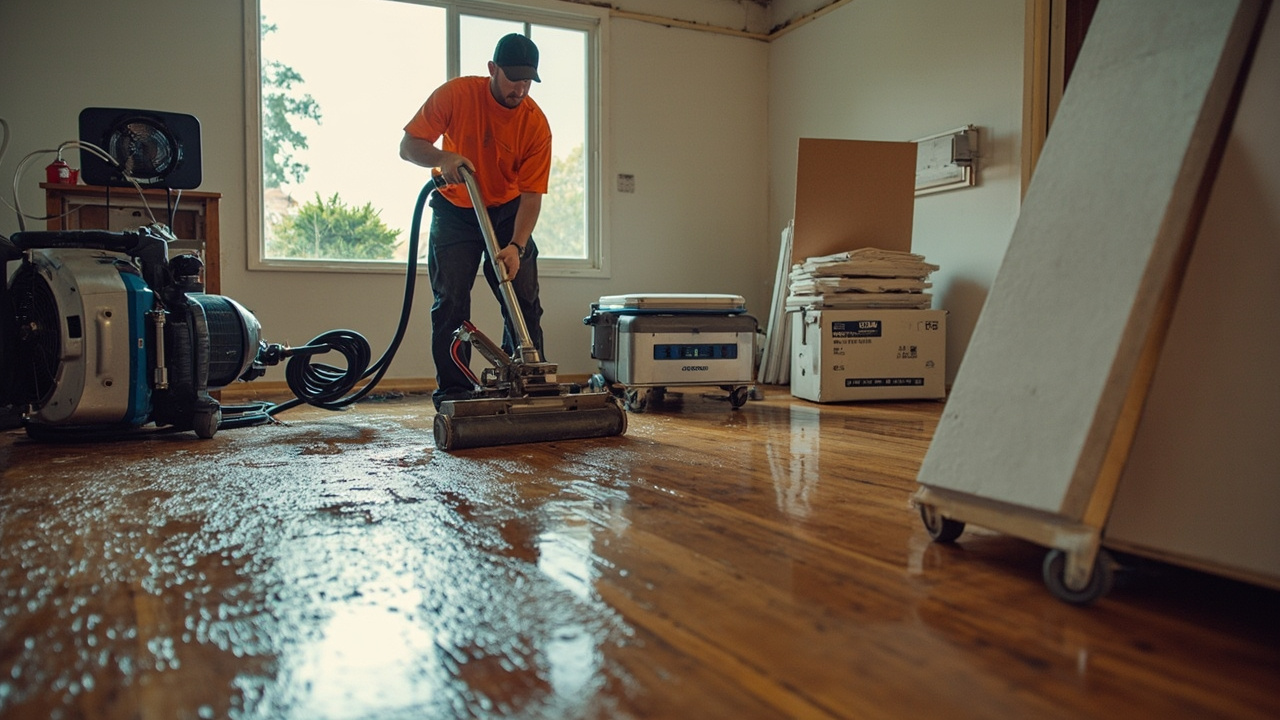
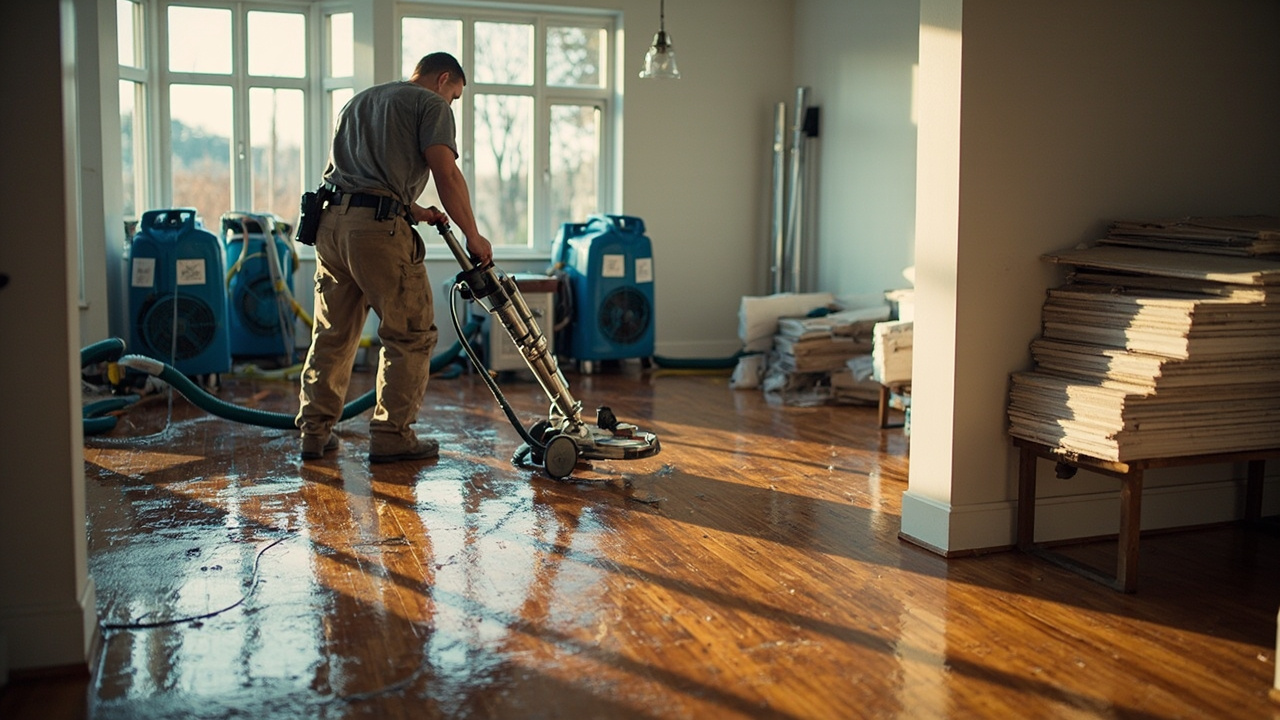
We extract standing water using truck-mounted pumps capable of removing thousands of gallons per hour. Air movers and commercial dehumidifiers then create airflow patterns that dry structural cavities. We monitor moisture levels daily using penetrating and non-penetrating meters. Mitigation continues until moisture readings match unaffected areas.

Only after mitigation achieves complete drying does restoration begin. We document the scope with detailed moisture mapping and photo evidence. This documentation supports your insurance claim and establishes baseline conditions.

Restoration scope varies dramatically. Minor water events may need only carpet replacement and baseboard reinstallation. Severe flooding requires drywall replacement, subfloor repair, cabinet reconstruction, and finish carpentry. Richmond's historic properties often need custom millwork matching original profiles, particularly in Monument Avenue and Windsor Farms homes.

The water damage mitigation vs restoration timeline depends on contamination category, affected materials, and structural complexity. Clean water from supply lines requires less intervention than sewage backups. Hardwood floors need slower drying than vinyl. Multi-story buildings take longer than ranch homes.

We coordinate both phases to minimize disruption and prevent gaps that allow secondary damage. The transition from mitigation to restoration happens seamlessly when managed by a single qualified contractor.

What Happens During Your Water Damage Response in Richmond

Water Mitigation vs Restoration in Richmond – Understanding the Critical Difference That Protects Your Property Investment
01

Emergency Mitigation Response

Within hours of your call, we arrive with extraction and drying equipment. Our technicians identify the water source, stop active intrusion, classify contamination levels, and begin water removal. We document pre-loss conditions with photos and moisture readings. Air movers and dehumidifiers start immediately to prevent mold colonization in Richmond's humid climate. This phase prioritizes damage containment, not aesthetics.
02

Structural Drying Verification

We monitor moisture levels daily using calibrated meters and thermal imaging. Drying equipment runs continuously until all affected materials reach industry-standard dry goals. This phase takes three to five days for most residential properties but extends longer for Richmond's historic brick structures with thick walls and limited ventilation. We provide daily updates and adjust equipment placement based on moisture readings.
03

Restoration and Reconstruction

After confirming complete drying, we transition to restoration. Our team removes unsalvageable materials, treats remaining surfaces with antimicrobials, and begins reconstruction. This includes replacing drywall, reinstalling flooring, repainting, and finish carpentry. For Richmond historic homes, we source period-appropriate materials and match existing architectural details. The restoration phase concludes when your property returns to pre-loss condition or better.

Why Richmond Property Owners Trust Local Water Damage Expertise

Richmond's unique architecture and environmental conditions demand specialized knowledge that national chains and out-of-state contractors lack. Our technicians understand how water behaves in Richmond's historic housing stock, where balloon framing and plaster-on-lath construction create hidden pathways for moisture migration.

We know that Richmond's average humidity hovers around 70 percent from May through September, making aggressive dehumidification essential. We understand that properties near the James River face flood risks from storm surge and seasonal high water. We recognize that Richmond's clay soil expands and contracts with moisture changes, affecting foundation integrity and increasing slab leak risks.

This local knowledge shapes our mitigation and restoration approach. We account for Richmond building codes requiring permits for structural repairs. We maintain relationships with local inspectors who expedite approvals. We source materials from Richmond suppliers, which speeds restoration timelines and supports the local economy.

Our understanding of Richmond insurance market practices helps property owners navigate claims. We work with adjusters from major carriers who regularly handle Richmond claims. We document losses using formats that Richmond adjusters expect. We provide detailed estimates that align with Richmond reconstruction costs, preventing undervaluation disputes.

Horizon Water Damage Restoration Richmond maintains equipment staging in the metro area, which means faster response times than regional competitors dispatching from distant locations. Our trucks reach Midlothian, Short Pump, and Mechanicsville within the same response window as central city properties.

We also understand Richmond's seasonal patterns. Spring brings heavy rainfall that overwhelms gutters and causes basement seepage. Summer humidity accelerates mold growth. Fall leaves clog downspouts. Winter freeze-thaw cycles burst pipes. Each season demands adjusted mitigation protocols that generic procedures miss.

Choosing a Richmond-based water damage company means working with technicians who understand your specific property challenges and can mobilize resources quickly when every hour counts.

What Richmond Property Owners Should Expect During Water Mitigation and Restoration

Response Time and Availability

We maintain 24/7 emergency response capability for Richmond and surrounding counties. Most properties receive initial mitigation services within two to four hours of your call. Emergency water extraction begins immediately upon arrival. Equipment setup completes within the first visit. We understand that water damage escalates quickly, particularly in Richmond's humid climate where mold colonization begins within 24 hours. Night, weekend, and holiday response carries no premium charges. Our dispatch system prioritizes active flooding and contaminated water situations. You receive technician contact information and estimated arrival time when you call. We stay on site until immediate threats are controlled and initial drying equipment is operational.

Inspection and Assessment Process

Our technicians perform detailed moisture mapping using thermal imaging cameras and penetrating moisture meters. We photograph all affected areas before beginning work. We classify water contamination as Category 1 (clean), Category 2 (gray water), or Category 3 (sewage) to determine proper protocols. We identify safety hazards including electrical risks, structural instability, and airborne contaminants. We measure humidity levels and temperature to calculate drying potential. The assessment includes checking wall cavities, subflooring, and ceiling spaces where moisture hides. We provide written scope documentation within 24 hours that details affected materials, required equipment, and estimated timelines. This documentation supports insurance claims and establishes clear expectations. Richmond properties with historic plaster or custom millwork receive specialized evaluation to determine salvage potential.

Quality Standards and Results

We follow Institute of Inspection, Cleaning and Restoration Certification standards for structural drying and restoration. All materials must reach documented dry standards before restoration begins. We use calibrated equipment that meets industry specifications for air movement and dehumidification. Our antimicrobial treatments target the specific organisms that thrive in Richmond's climate. Restoration work matches or exceeds original construction quality. We use moisture-resistant materials in areas prone to future water exposure. Paint matches blend seamlessly with existing finishes. Flooring installations meet manufacturer specifications to preserve warranties. We conduct final walkthroughs to verify you approve all completed work. Any deficiencies get corrected before project closeout. The finished result should make it impossible to identify where water damage occurred. Richmond historic properties receive restoration that respects original architecture while incorporating modern moisture management improvements.

Ongoing Support and Prevention

We provide detailed documentation of all work performed, including moisture readings, equipment logs, and material invoices. This documentation supports insurance claims and establishes completion timelines. We explain what caused the water damage and identify prevention opportunities. Common recommendations include sump pump installation, improved drainage grading, or plumbing upgrades. We offer periodic moisture inspections for Richmond properties at high risk of recurring water intrusion. Our technicians remain available to answer questions about moisture concerns or restoration warranty items. We maintain project files for future reference if additional insurance claims arise. While we cannot provide specific warranty terms without evaluating individual situations, we stand behind our workmanship and address any installation defects promptly. Richmond property owners receive prevention guidance specific to their neighborhood's common water damage causes.

Frequently Asked Questions

You Have Questions,
We Have Answers

What is the difference between water restoration and mitigation? +

Water mitigation stops ongoing damage immediately. It includes extracting standing water, setting up drying equipment, and protecting your property from further harm. Water restoration rebuilds what was damaged. This includes replacing drywall, repairing floors, repainting, and returning your home to pre-loss condition. Think of mitigation as emergency response and restoration as reconstruction. In Richmond, our high humidity means mitigation must start fast to prevent mold growth within 24 to 48 hours. Most water damage events require both mitigation first, then restoration work once everything is dry and stabilized.

What is mitigation and restoration? +

Mitigation reduces loss severity when damage occurs. In water events, it involves water extraction, structural drying, dehumidification, and antimicrobial treatment to prevent mold. Restoration is the rebuild phase. It repairs structural elements, replaces damaged materials, and completes cosmetic fixes. You cannot skip mitigation and jump to restoration. The structure must be completely dry first. Richmond homes with crawl spaces and older plumbing systems benefit from professional mitigation because hidden moisture in subflooring or wall cavities leads to secondary damage. Proper mitigation sets the foundation for successful restoration and protects your investment long term.

What is the difference between remediation and restoration? +

Remediation removes contamination like mold, sewage, or biohazards. It involves containment, air filtration, disposal of contaminated materials, and antimicrobial treatment. Restoration rebuilds and repairs the structure after remediation is complete. For example, mold remediation tears out infested drywall and treats affected areas. Restoration installs new drywall and repaints. In Richmond, basement flooding from heavy storms often requires sewage remediation before restoration begins. Both processes protect health and property value. Remediation addresses the biological or chemical threat. Restoration returns your property to livable condition. Many projects need both services performed in sequence.

What is included in water mitigation? +

Water mitigation includes emergency water extraction using industrial pumps, moisture detection with thermal cameras and meters, structural drying with air movers and dehumidifiers, antimicrobial application to prevent mold, content removal and storage if needed, and continuous monitoring of moisture levels. In Richmond, mitigation also addresses humidity control because our climate accelerates mold growth. Technicians document everything for insurance claims. They remove baseboards to dry wall cavities, pull up carpet padding, and drill weep holes in cabinets when necessary. The goal is stopping damage progression and creating ideal drying conditions. Mitigation typically takes three to five days depending on severity and materials affected.

Is it hard to sell a house that has had mold remediation? +

You can sell a house after mold remediation, but disclosure matters. Virginia law requires sellers to disclose known material defects. Professional remediation actually helps because it documents the problem was fixed correctly. Buyers want proof the work was done by licensed contractors with proper protocols. Keep all invoices, lab clearance tests, and warranty paperwork. Richmond buyers are cautious about mold because our humidity creates ongoing risk. A professionally remediated home with documentation often sells better than a property with hidden moisture issues. Focus on prevention measures you installed afterward, like improved ventilation or waterproofing, to reassure buyers.

What is the average cost of water mitigation? +

Water mitigation costs depend on water source, affected square footage, materials involved, and severity. Extracting water from a small bathroom costs less than drying an entire finished basement. Clean water from a supply line is simpler than sewage backup. Category 3 water requires disposal of porous materials. Richmond mitigation typically includes equipment rental for three to five days, labor, antimicrobial treatment, and documentation. Insurance often covers mitigation costs if damage resulted from a covered peril. Get a detailed estimate before work begins. Delaying mitigation to save money usually increases total costs because secondary damage spreads quickly in humid climates.

What are the 4 types of mitigation? +

The four types of mitigation are structural, non-structural, nature-based, and emergency response. In water damage, you see structural mitigation like waterproofing basements or installing sump pumps. Non-structural includes insurance policies and emergency planning. Nature-based uses grading and drainage to redirect water. Emergency response mitigation is the immediate action after a flood or pipe burst. This includes water extraction and drying. Richmond properties benefit from structural mitigation because clay soil expands when wet and our seasonal storms cause basement seepage. Many homeowners combine multiple mitigation types to reduce long-term risk and prevent repeated damage from known vulnerabilities.

When to call a water restoration company? +

Call a water restoration company immediately when you discover standing water, active leaks you cannot stop, sewage backup, or water damage from storms. Do not wait. Richmond humidity accelerates mold growth within 24 to 48 hours. Also call if you smell musty odors, see water stains spreading on ceilings or walls, or notice buckled flooring. For sewage or contaminated water, evacuate and call professionals before touching anything. Even small leaks behind walls cause hidden damage. Water restoration companies operate 24 hours because fast response prevents secondary damage. Your insurance adjuster wants professional documentation, so early involvement protects your claim.

Is mitigation good or bad? +

Mitigation is good. It minimizes loss, protects health, and reduces overall costs. Fast mitigation after water damage prevents mold growth, structural rot, and material delamination. It also strengthens insurance claims by showing you acted reasonably to prevent further damage. In Richmond, mitigation protects property value because buyers fear water damage history. Professional mitigation provides documentation that work was done correctly. Without mitigation, small water events become major reconstruction projects. Think of it as emergency medicine for your property. The faster you mitigate, the less permanent damage occurs. Mitigation is always better than hoping the problem resolves itself.

Do I need water mitigation? +

You need water mitigation if you have standing water, saturated materials, or moisture readings above normal levels. Visible water is obvious, but hidden moisture in walls, ceilings, or subflooring also requires mitigation. Richmond homes built on crawl spaces often have hidden moisture that leads to mold and rot. Call for mitigation if you experienced pipe bursts, appliance leaks, roof leaks, or flooding. Even small amounts of water penetrate porous materials quickly. DIY fixes with fans and towels rarely dry structures completely. Professional mitigation uses industrial equipment and moisture meters to verify dryness. Your insurance coverage often requires prompt mitigation to honor claims.

How Richmond's James River Proximity and Humidity Impact Water Mitigation Urgency

Richmond's location along the James River creates elevated humidity that accelerates secondary water damage. The metro area averages 72 percent relative humidity during summer months, which means wet building materials never fully air dry without mechanical intervention. Properties in low-lying areas like Shockoe Bottom face recurring flood risks when the James River crests during tropical systems. The water damage mitigation vs restoration timeline becomes compressed because Richmond's climate allows mold to establish colonies within 24 to 48 hours of water intrusion. This makes the difference between water mitigation and restoration timing critical. Delayed mitigation transforms minor water cleanup into major reconstruction projects requiring extensive remediation.

Richmond property owners benefit from working with water damage professionals who understand local construction methods and environmental challenges. Our technicians recognize how Richmond's historic brick structures retain moisture differently than modern frame construction. We account for the clay soil common throughout Henrico and Chesterfield counties that causes foundation movement and creates entry points for groundwater. We understand Richmond building codes that govern structural repairs and mold remediation. This local expertise ensures proper mitigation protocols that prevent recurring problems. The difference between water cleanup and water repair becomes clear when you work with professionals who know Richmond properties and can identify risks that out-of-area contractors miss.

Water Damage Restoration Services in The Richmond Area

Horizon Water Damage Restoration proudly serves the greater Richmond area and surrounding communities. Our strategic location allows us to respond quickly and efficiently to your water damage emergencies, no matter where you are. We are committed to being a local, reliable presence for our neighbors. View our service area on the map below to see how we can reach you and provide the swift, expert service you need.

Address:
Horizon Water Damage Restoration Richmond, 1840 W Broad St, Richmond, VA, 23220

Additional Services We Offer

Our news updates

Latest Articles & News from The Blogs

Does Your Richmond Crawl Space Need Encapsulation to Prevent Wood Rot? Richmond’s humid summers and heavy clay soil create a…

Does Your Richmond Crawl Space Need Encapsulation to Prevent Wood Rot?

Does Your Richmond Crawl Space Need Encapsulation to Prevent Wood Rot? Richmond’s humid summers and heavy clay soil create a…

Identifying Slow Leaks in Flat Roofs Common Around Sandston

Identifying Slow Leaks in Flat Roofs Common Around Sandston Flat roofs in Sandston often develop slow leaks that property owners…

Simple Ways to Redirect Rainwater Away from Your Stratford Hills Foundation

Simple Ways to Redirect Rainwater Away from Your Stratford Hills Foundation Water pooling near your foundation in Stratford Hills can…

Contact Us

Water damage requires immediate professional response to prevent escalating costs and health risks. Call Horizon Water Damage Restoration Richmond at (804) 602-2644 for 24/7 emergency service. Our technicians arrive quickly with the equipment and expertise to protect your Richmond property.