





Menu

How Long Does Drying Take After Water Damage in Richmond – Get Accurate Timelines for Every Scenario

Understanding water damage drying time in Richmond means factoring in humidity, structure type, and flood source. We break down structural drying duration for every scenario so you know exactly what to expect and when you can return to normal.

Slider Image 1
Slider Image 2
Slider Image 3
Slider Image 4
Slider Image 5
Slider Image 7
Slider Image 8
Slider Image 9
Slider Image 10
Slider Image 11

Why Richmond's Climate Makes Drying Time Harder to Predict

Richmond sits in a humid subtropical zone where summer humidity regularly climbs above 70 percent. This moisture-saturated air slows evaporation and extends water damage drying time compared to drier climates. When water invades your property, it does not just sit on surfaces. It migrates into drywall, subfloors, insulation, and wooden framing. In Richmond's dense humidity, these porous materials hold moisture longer, creating perfect conditions for mold colonization within 24 to 48 hours.

The James River and its tributaries add another layer of complexity. Homes near Shockoe Bottom, Church Hill, and the Fan District face elevated flood risk during heavy storms. Floodwater carries contaminants like sewage, sediment, and organic debris that complicate the water restoration drying timeline. Clean water from a burst pipe dries faster than contaminated floodwater, which requires disinfection and longer structural drying duration.

Richmond's historic housing stock, from Victorian-era homes to early 20th-century bungalows, often features plaster walls and hardwood floors. These materials absorb water differently than modern construction. Plaster takes longer to dry than drywall, and tongue-and-groove hardwood can cup or buckle if you rush the drying process. The time to dry out water damage depends on material type, saturation depth, and airflow. Guessing the timeline without moisture meters and thermal imaging leads to incomplete drying, hidden mold growth, and structural instability.

You need precision, not estimates. Richmond's climate and building styles demand a calculated approach to structural drying.

Why Richmond's Climate Makes Drying Time Harder to Predict
How We Calculate Structural Drying Duration Using Science, Not Guesswork

How We Calculate Structural Drying Duration Using Science, Not Guesswork

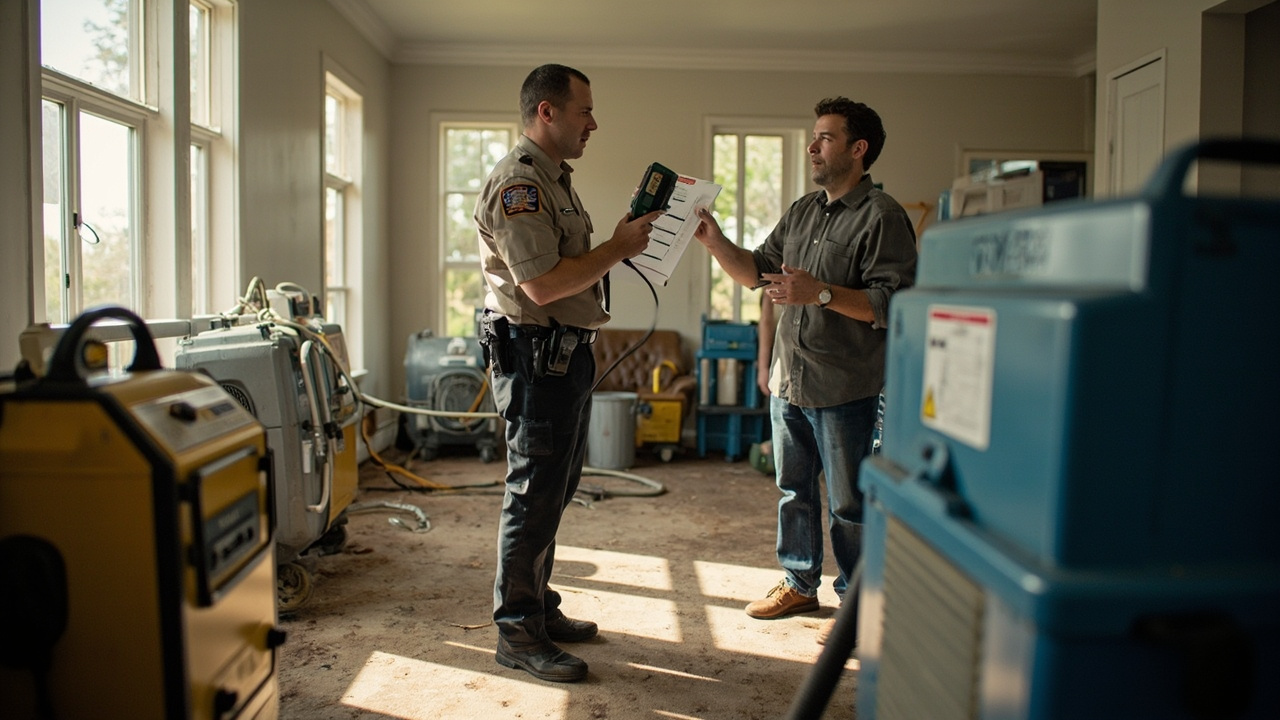
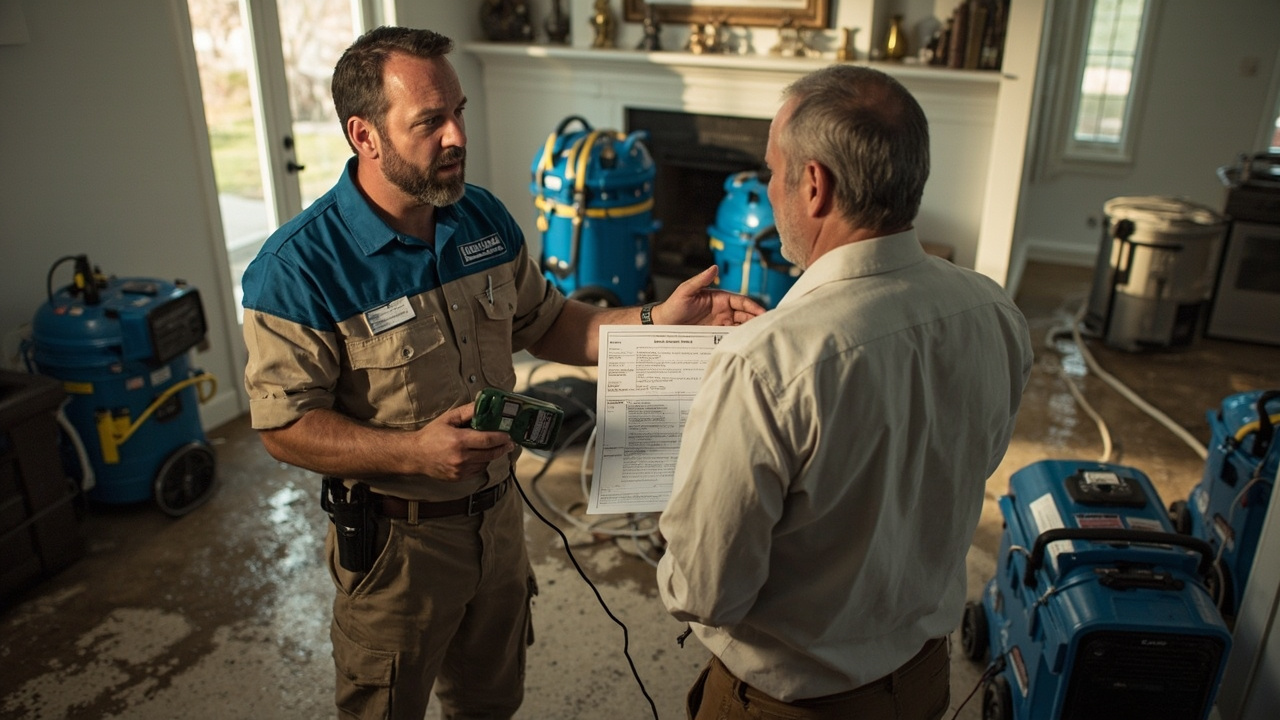
We measure moisture content at the molecular level using pin-type and non-invasive moisture meters. Pin meters penetrate drywall, wood, and insulation to measure electrical resistance, which correlates directly with moisture saturation. Non-invasive meters scan large surface areas without damaging finishes, mapping wet zones across ceilings, walls, and floors. We document baseline readings in affected and unaffected areas to establish a drying target. Materials are dry when affected areas match unaffected areas.

Thermal imaging cameras detect temperature differentials caused by evaporative cooling. Wet materials appear cooler on the thermal spectrum, revealing hidden moisture behind walls and under flooring without demolition. This technology shortens the water restoration drying timeline by identifying problem areas faster and preventing unnecessary tear-out.

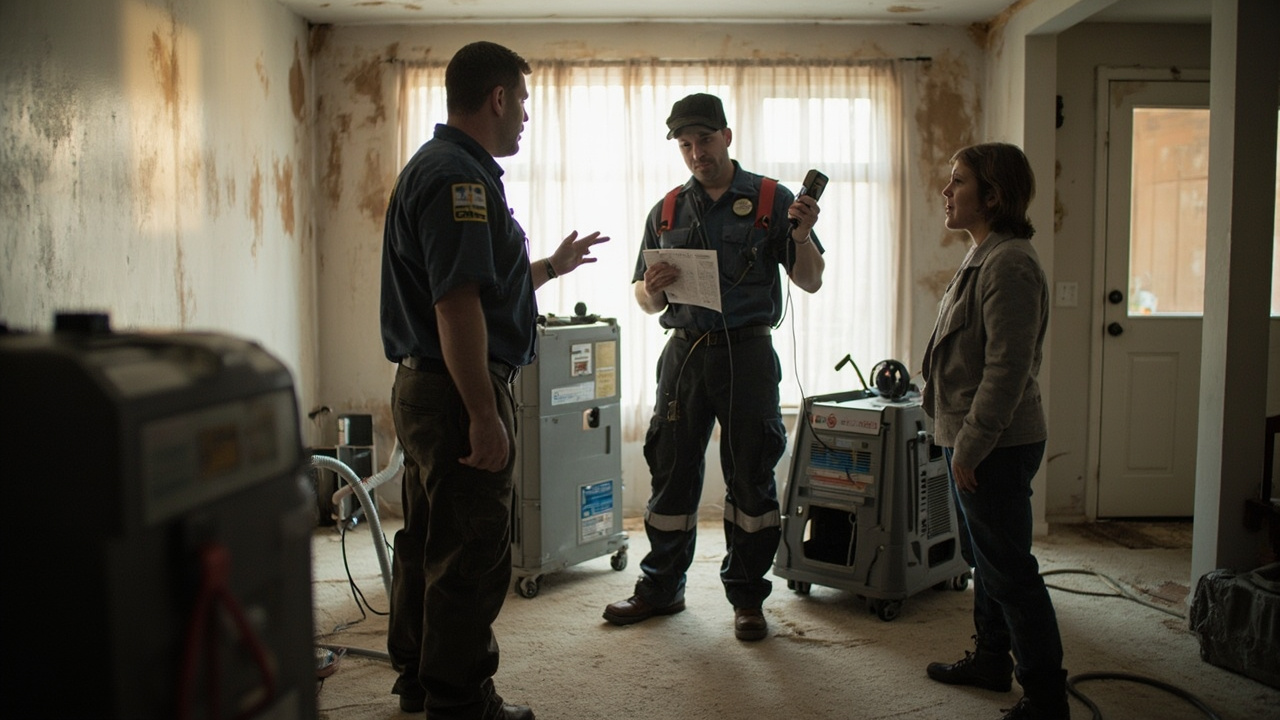
We control the drying environment using psychrometric principles. Dehumidifiers remove moisture from the air, lowering relative humidity below 40 percent to accelerate evaporation. Air movers create laminar airflow across wet surfaces, replacing saturated air with drier air. We position equipment based on room geometry, material porosity, and moisture meter feedback. Every six to twelve hours, we adjust airflow patterns and equipment placement based on new moisture readings.

Category 1 water from supply lines typically requires three to five days of controlled drying. Category 2 gray water from appliances or toilets adds contamination and extends drying to five to seven days. Category 3 black water from flooding or sewage backup requires disinfection and controlled drying lasting seven to ten days or longer depending on saturation depth. We never guess. We measure until materials reach equilibrium moisture content.

What Happens During Your Structural Drying Timeline

How Long Does Drying Take After Water Damage in Richmond – Get Accurate Timelines for Every Scenario
01

Initial Moisture Mapping

We arrive within hours to document moisture levels room by room using calibrated meters. You receive a written moisture map showing saturation levels in walls, floors, and ceilings. This baseline determines equipment placement and establishes the starting point for tracking drying progress. We photograph affected areas and log readings in a digital system that updates throughout the restoration process. This data protects you during insurance claims by proving the scope and progression of drying efforts.
02

Controlled Environment Setup

We deploy industrial dehumidifiers rated for your structure's cubic footage and air movers positioned to maximize evaporation without damaging materials. Drying chambers isolate severely affected areas, concentrating airflow and humidity control where you need it most. We seal off unaffected spaces to prevent cross-contamination and reduce energy waste. Temperature control matters. We maintain ambient temperatures between 70 and 80 degrees to optimize evaporation rates without overheating sensitive materials like hardwood or laminate.
03

Daily Monitoring and Adjustment

We return daily to measure moisture content and adjust equipment. You see documented proof of drying progress at each visit. When affected areas reach target moisture levels matching unaffected areas, we remove equipment and perform a final inspection. We test one more time 48 hours after equipment removal to confirm materials remain stable. This prevents callback issues caused by premature equipment removal. You receive a completion certificate showing final moisture readings and confirming your property meets industry drying standards.

Why Richmond Property Owners Trust Our Drying Timelines

Horizon Water Damage Restoration Richmond employs IICRC-certified technicians trained in structural drying science and psychrometry. We understand Richmond's building code requirements for moisture control and mold prevention. When we estimate a drying timeline, we factor in local humidity patterns, seasonal temperature swings, and the specific construction methods common to Richmond neighborhoods.

We work directly with adjusters from major carriers like State Farm, Allstate, and Liberty Mutual who operate in the Richmond metro. Our documentation meets insurance industry standards for proof of loss, which speeds claim approval and reduces your out-of-pocket exposure. We photograph moisture readings, log daily equipment checks, and provide itemized drying logs that satisfy even the most skeptical adjusters.

Richmond's older housing stock requires specialized knowledge. Homes in the Fan District and Museum District feature plaster walls, lath construction, and hardwood floors that demand careful drying protocols. Rushing the process causes plaster to crack and hardwood to buckle. Our team knows how to balance speed with material preservation. We have dried everything from 1920s Craftsman bungalows to modern townhomes in Scott's Addition.

We also understand the urgency Richmond families face after water damage. Mold growth accelerates in our humid climate, and you cannot afford delays. We mobilize equipment within hours, not days, and provide realistic timelines based on science, not sales pressure. If we tell you drying will take five days, we mean it. We do not extend timelines to inflate billable hours. Our reputation in Richmond depends on accuracy, transparency, and results.

What You Can Expect During the Drying Process

Response Time and Equipment Deployment

We arrive within two to four hours of your call to assess damage and begin water extraction. Equipment setup begins immediately after extraction, which shortens overall drying time. You receive a written drying plan outlining equipment placement, estimated duration, and daily monitoring schedules. We operate 24/7 because water damage does not wait for business hours. If you call at midnight, we respond. If flooding occurs on a holiday weekend, we mobilize. Speed matters in Richmond's humid climate where mold spores begin colonizing wet materials within one day.

Daily Moisture Monitoring and Communication

You receive daily updates showing moisture readings and drying progress. We do not leave you guessing. Our technicians explain what the numbers mean and how they compare to target levels. You can see real-time changes in moisture content and understand exactly when drying will finish. We adjust equipment placement based on new readings, moving air movers and dehumidifiers to target stubborn wet spots. If drying takes longer than expected, we explain why and what we are doing to resolve it. Transparency builds trust, and trust matters when your home is full of noisy equipment.

Final Inspection and Completion Documentation

We do not remove equipment until affected materials reach equilibrium moisture content matching unaffected areas. You receive a completion certificate documenting final readings and confirming your property meets IICRC S500 drying standards. This certificate protects you if secondary damage appears later, proving restoration was completed correctly. We return 48 hours after equipment removal for a final moisture check to confirm materials remain stable. If readings creep back up, we redeploy equipment at no additional charge. Quality drying means staying dry after we leave, not just passing a one-time test.

Post-Drying Follow-Up and Mold Prevention

We provide written recommendations for preventing future water damage based on what caused the current loss. If aging plumbing contributed, we suggest inspection schedules. If poor drainage caused basement flooding, we explain grading improvements. Richmond's humidity makes mold prevention critical after drying. We test indoor humidity levels and recommend dehumidification strategies if your home runs above 50 percent relative humidity. You also receive guidance on recognizing early signs of hidden moisture that might indicate incomplete drying. We want you confident your home is safe, dry, and protected long after our trucks leave.

Frequently Asked Questions

You Have Questions,
We Have Answers

How long does normal drying take? +

Water damage drying typically takes 3 to 5 days in Richmond homes, depending on the extent of water intrusion and materials affected. Hardwood floors and drywall absorb moisture slowly and require 72 hours minimum with industrial dehumidifiers and air movers running continuously. Richmond's humidity, especially during summer months, can extend drying times by 1 to 2 days. Structural drying differs from surface drying. Moisture meters must show readings below 15% before reconstruction begins. Basements in older Richmond properties with poor ventilation often need 5 to 7 days for complete drying.

Is it normal for a dryer to take 3 hours? +

A clothes dryer taking 3 hours signals a serious problem. Standard loads should dry in 30 to 45 minutes. Blocked lint traps or exhaust vents restrict airflow, forcing the dryer to work three times longer and increasing fire risk. Richmond's humidity can worsen the issue, but the root cause remains mechanical. Check your lint screen first. If clean, the exterior vent may be clogged with lint or blocked by bird nests, common in Richmond neighborhoods with older dryer installations. Extended run times spike energy bills and shorten appliance lifespan significantly.

Is 30 minutes enough to dry clothes? +

Thirty minutes dries lightweight fabrics like synthetic athletic wear or thin cotton shirts on high heat settings. Heavier items like jeans, towels, or sweatshirts need 40 to 60 minutes minimum. If you consistently finish loads in 30 minutes, you are either running small loads or using high heat that damages fabric fibers over time. Richmond's summer humidity means moisture in clothes can feel dry to touch but still retain dampness that causes mildew odors. Always check garment care labels. Delicate items should tumble dry low for 40 to 50 minutes instead.

Is 40 minutes enough for my clothes to dry? +

Forty minutes adequately dries most standard mixed loads of cotton and synthetic fabrics on medium heat. Towels, bedding, or heavy denim may emerge slightly damp and need an additional 10 to 20 minutes. In Richmond homes with poorly vented dryers, 40 minutes might leave clothes damp because hot, moist air cannot escape properly. Always separate heavy and light fabrics for optimal drying efficiency. If 40 minutes consistently leaves clothes wet, your dryer vent needs cleaning or the heating element is failing. Proper airflow matters more than time settings.

Can overloading a dryer cause damage? +

Overloading damages both your dryer and your clothes. Cramming too many items restricts airflow, forcing the motor to work harder and potentially burning out the drive belt or motor. Clothes tumble inefficiently, creating wrinkles and uneven drying. Overloading also traps lint against heating elements, increasing fire risk. Richmond homeowners often overload dryers to save time, but this damages drum bearings and door seals faster. Fill the drum only two-thirds full for proper air circulation. Large items like comforters need space to tumble freely. Smaller, properly sized loads actually dry faster and extend appliance life.

Is it cheaper to air dry or use a dryer? +

Air drying costs nothing but requires 12 to 24 hours in Richmond's humid climate. Electric dryers cost roughly 40 to 50 cents per load. Gas dryers cost 15 to 25 cents per load. Air drying works well for delicates and reduces fabric wear, but Richmond summers bring high humidity that slows evaporation and can cause mildew odors on damp clothes left too long. Winter air drying indoors adds moisture to heated spaces. For families washing multiple loads weekly, dryers provide speed and convenience. Hybrid approaches work best: air dry delicates, machine dry everything else for efficiency.

How can I speed up my dryer? +

Clean the lint trap before every load. Check your exterior vent monthly and remove blockages. Lint buildup reduces airflow by 50%, doubling dry times. Use the moisture sensor setting instead of timed drying. Separate heavy and light fabrics into different loads. Shake out wet clothes before loading to prevent clumping. Run loads back-to-back while the dryer stays warm. Richmond homes with long, winding vent ducts should install booster fans to maintain proper exhaust velocity. Replace plastic or foil accordion vents with rigid metal ducts. These changes cut drying time significantly and reduce energy costs.

How long is too long for a dryer? +

Any single load running over 90 minutes is too long and signals a problem. Standard cycles should complete in 30 to 60 minutes. Extended drying damages fabrics through excessive heat exposure and wastes energy. If your dryer runs for 2 hours or more, the vent system is blocked, the heating element is weak, or the moisture sensor has failed. Richmond's older homes often have dryer vents clogged with years of lint buildup. Continuing to run a malfunctioning dryer increases fire risk and can cost hundreds in wasted electricity monthly. Address the issue immediately.

Why are my clothes still wet after 2 hours in the dryer? +

Clothes staying wet after 2 hours means your dryer is not heating properly or airflow is completely blocked. Check if the drum feels hot during operation. If cold, the heating element or gas igniter has failed. If hot but clothes stay wet, the exhaust vent is severely clogged, trapping moisture inside the drum. Richmond homes with basement dryers often have long vent runs where lint accumulates heavily. Bird nests or exterior vent flaps stuck closed also cause this problem. Stop using the dryer immediately. Running it wet for extended periods risks mold growth on clothing and potential fire hazards.

Is 1 hour too long to dry clothes? +

One hour is acceptable for heavy loads like towels, bedding, or jeans on medium heat settings. Lighter mixed loads taking a full hour indicate reduced dryer efficiency. Richmond's humidity does not affect mechanical dryer performance, but lint buildup or vent restrictions do. If standard cotton loads consistently need 60 minutes, clean your lint trap and exterior vent immediately. Modern dryers with moisture sensors should automatically stop when clothes reach optimal dryness, usually 35 to 50 minutes. Exceeding 60 minutes regularly means maintenance is overdue and energy costs are climbing unnecessarily.

How Richmond's Humidity and Historic Construction Extend Water Damage Drying Time

Richmond's average summer humidity hovers between 70 and 85 percent, slowing evaporation and extending structural drying duration by 30 to 50 percent compared to drier regions. Homes built before 1950 often feature plaster walls, which absorb water more deeply than modern drywall and require longer drying times. The Fan District and Church Hill contain dense concentrations of these older structures where water restoration drying timelines routinely stretch to seven days or more depending on saturation depth. Floodwater from the James River carries silt and organic contaminants that cling to porous surfaces, requiring additional cleaning before drying can begin. Richmond's clay soil also contributes to basement flooding during heavy rain, creating recurring water damage cycles in neighborhoods near Byrd Park and the Boulevard.

Horizon Water Damage Restoration Richmond understands local building practices and material behavior in our humid climate. We have worked with historic preservation guidelines in Richmond's Old and Historic Districts where you cannot simply tear out original plaster or hardwood floors. Our drying protocols balance speed with material preservation, using controlled airflow and dehumidification that protect irreplaceable finishes. We also maintain relationships with local adjusters and insurance agents who understand Richmond's unique water damage challenges. When we document a water restoration drying timeline, local adjusters trust our data because they know we account for Richmond's climate and construction methods. Choosing a local team means working with professionals who have dried thousands of Richmond properties and understand what works in our specific environment.

Water Damage Restoration Services in The Richmond Area

Horizon Water Damage Restoration proudly serves the greater Richmond area and surrounding communities. Our strategic location allows us to respond quickly and efficiently to your water damage emergencies, no matter where you are. We are committed to being a local, reliable presence for our neighbors. View our service area on the map below to see how we can reach you and provide the swift, expert service you need.

Address:
Horizon Water Damage Restoration Richmond, 1840 W Broad St, Richmond, VA, 23220

Additional Services We Offer

Our news updates

Latest Articles & News from The Blogs

Identifying Slow Leaks in Flat Roofs Common Around Sandston Flat roofs in Sandston often develop slow leaks that property owners…

Identifying Slow Leaks in Flat Roofs Common Around Sandston

Identifying Slow Leaks in Flat Roofs Common Around Sandston Flat roofs in Sandston often develop slow leaks that property owners…

Simple Ways to Redirect Rainwater Away from Your Stratford Hills Foundation

Simple Ways to Redirect Rainwater Away from Your Stratford Hills Foundation Water pooling near your foundation in Stratford Hills can…

The Damage a Burst Washing Machine Hose Can Do in Just 30 Minutes

The Damage a Burst Washing Machine Hose Can Do in Just 30 Minutes A burst washing machine hose can release…

Contact Us

Stop guessing and get real answers backed by moisture science. Call Horizon Water Damage Restoration Richmond at (804) 602-2644 for immediate assessment and a written drying plan. We respond 24/7 and provide transparent timelines based on actual measurements, not estimates.