






Menu

Preventative Waterproofing Tips in Richmond | Protect Your Home Before Water Damage Strikes

Learn proven DIY waterproofing techniques and moisture control best practices that stop water intrusion before it becomes a costly emergency in Richmond's humid climate

Slider Image 1
Slider Image 2
Slider Image 3
Slider Image 4
Slider Image 5
Slider Image 7
Slider Image 8
Slider Image 9
Slider Image 10
Slider Image 11

Why Richmond Homes Need Proactive Water Sealing Methods

Richmond's combination of humid subtropical weather and clay-heavy soil creates a perfect storm for water intrusion. Summer humidity routinely exceeds 70 percent, while the expansive clay soil beneath most Richmond neighborhoods swells when wet and contracts during dry spells. This constant movement puts relentless pressure on your foundation, creating hairline cracks that invite moisture into basements and crawl spaces.

The James River's proximity to many Richmond neighborhoods means groundwater tables sit higher than in other Virginia cities. Homes in areas like Church Hill, the Fan District, and Museum District face additional challenges from aging infrastructure and homes built before modern waterproofing standards existed. Historic properties with brick foundations are particularly vulnerable to moisture wicking through porous masonry.

Most water damage starts small. A minor foundation crack, a worn-out window seal, or inadequate gutter drainage allows water to enter slowly over months or years. By the time you notice staining, musty odors, or visible mold, the damage has already spread behind walls and under flooring. The average Richmond homeowner spends thousands on water damage repairs that proactive water sealing methods could have prevented.

A home waterproofing maintenance guide tailored to Richmond's climate gives you the knowledge to spot vulnerabilities before they become disasters. Simple DIY waterproofing techniques performed seasonally can extend your home's life, protect your belongings, and eliminate the health risks associated with chronic moisture exposure. The water damage prevention checklist you implement today determines whether you face a minor maintenance task or a major restoration project tomorrow.

Why Richmond Homes Need Proactive Water Sealing Methods
Essential Moisture Control Best Practices for Richmond Properties

Essential Moisture Control Best Practices for Richmond Properties

Effective waterproofing starts with understanding water's path toward your home. We approach moisture control as a layered defense system, addressing exterior drainage, structural barriers, and interior humidity management simultaneously.

Start with your property's grading. Richmond's clay soil requires a minimum six-inch drop over the first ten feet away from your foundation. Walk your property after heavy rain and note where water pools or flows toward your home. Regrade these areas or install French drains to redirect water away from your foundation before it can penetrate.

Inspect your gutters quarterly. A single clogged downspout dumps hundreds of gallons directly against your foundation during Richmond's frequent thunderstorms. Extend downspouts at least six feet from your home's perimeter, and consider underground drainage pipes for a permanent solution. Clean gutters prevent water from cascading down exterior walls, which saturates siding and finds entry points around windows and doors.

Foundation sealants create a hydrophobic barrier on concrete and masonry surfaces. Apply penetrating silane-siloxane sealers to exterior foundation walls every three to five years. These products chemically bond with concrete, repelling water while allowing vapor transmission. Avoid surface-level coatings that trap moisture and cause spalling when water freezes behind them.

Window wells require particular attention in Richmond's humid climate. Install clear polycarbonate covers over basement window wells to prevent rainwater accumulation while maintaining natural light. Add three inches of drainage rock at the bottom of each well, ensuring water can percolate into the soil rather than pressing against window seals.

Interior moisture control begins with proper ventilation. Crawl spaces need encapsulation with 20-mil vapor barriers sealed at seams and extended up foundation walls. Combine this with a dedicated crawl space dehumidifier set to maintain relative humidity below 55 percent year-round.

Your Seasonal Waterproofing Maintenance Schedule

Preventative Waterproofing Tips in Richmond | Protect Your Home Before Water Damage Strikes
01

Spring Exterior Assessment

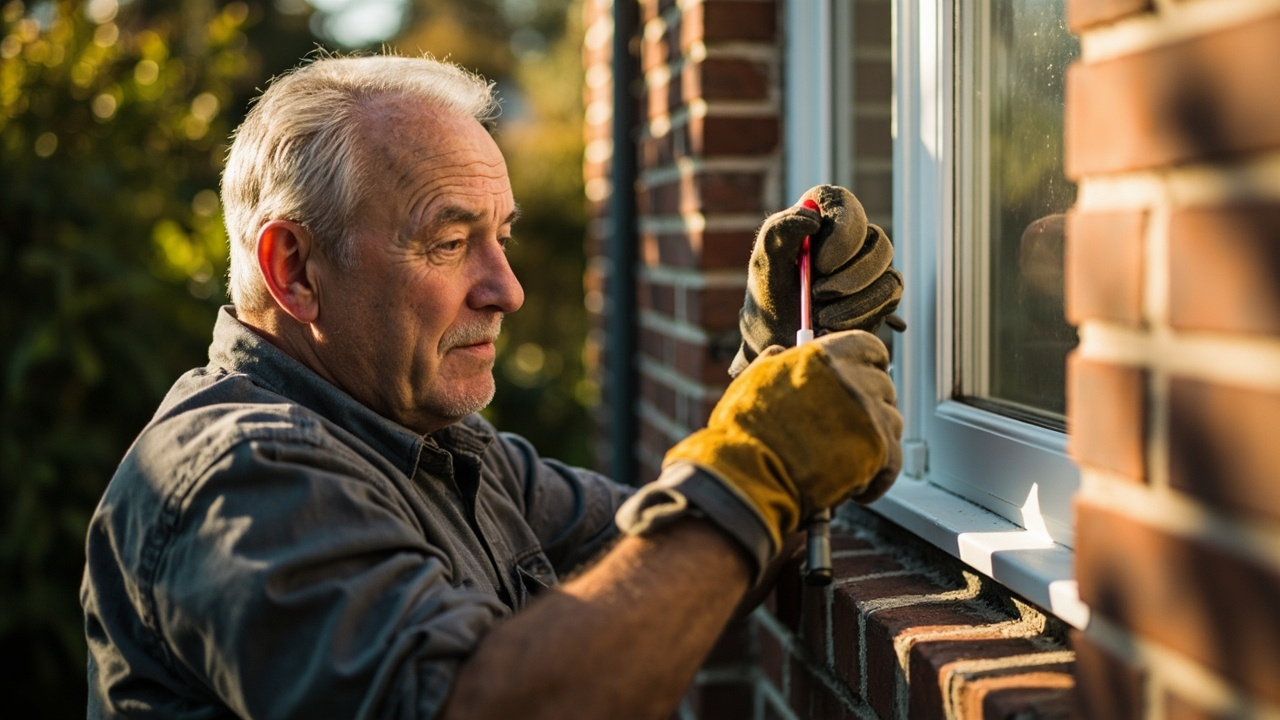
Conduct a thorough exterior inspection after Richmond's freeze-thaw cycles end. Walk your foundation perimeter looking for new cracks wider than one-eighth inch. Check all exterior caulking around windows, doors, and utility penetrations. Test downspout extensions and confirm proper drainage slope. Document problem areas with photos and prioritize repairs based on severity. Spring inspection catches winter damage before summer humidity amplifies moisture intrusion.
02

Mid-Summer System Check

Monitor interior humidity levels during Richmond's peak moisture months. Basement and crawl space humidity should never exceed 60 percent. Check sump pump operation by pouring water into the basin until the float activates. Inspect basement walls for efflorescence, the white mineral deposits that indicate moisture movement through concrete. Clean gutters before afternoon thunderstorm season intensifies. Address any drainage issues discovered during spring storms.
03

Fall Winterization Prep

Seal foundation cracks before winter freeze-thaw cycles cause expansion. Apply fresh weatherstripping to exterior doors and check basement window seals. Insulate exterior hose bibs and locate your main water shutoff valve. Clear leaves from gutters and window wells to prevent ice dam formation. Test your dehumidifier and consider adding supplemental units if basement humidity rises above 50 percent as you close windows for winter.

Why Richmond Homeowners Trust Local Waterproofing Expertise

Richmond's unique combination of historic architecture, clay soil composition, and humid climate demands waterproofing strategies specific to Central Virginia. Generic advice from national sources fails to account for the challenges Richmond homeowners actually face. Horizon Water Damage Restoration Richmond has spent years studying how water behaves in local soil conditions and which prevention methods deliver lasting results in our specific climate zone.

Our team understands Richmond's building history. We know that homes built before 1950 in neighborhoods like Oregon Hill and Union Hill often lack foundation waterproofing entirely. Properties constructed during Richmond's 1970s suburban expansion frequently have inadequate footer drainage that meets code but fails in our clay-heavy soil. We tailor recommendations to your home's age, construction method, and specific neighborhood characteristics.

Richmond's proximity to the James River and numerous tributaries means groundwater behavior varies dramatically across the metro area. Homes near Shockoe Bottom face different moisture challenges than properties in western Henrico County. We account for your specific microclimate, soil drainage capacity, and historical flood patterns when advising on waterproofing priorities.

Local building codes have evolved significantly over the past three decades. We stay current with Richmond's requirements for vapor barriers, foundation drainage, and moisture control in finished basements. Our guidance helps you implement proactive water sealing methods that not only protect your home but also maintain compliance with local standards if you later finish basement spaces or add living areas.

When DIY waterproofing techniques reach their limits, you need a partner who can seamlessly transition from prevention to professional intervention. We provide the home waterproofing maintenance guide that keeps your property protected, while standing ready to respond if water intrusion occurs despite your best efforts. Our dual focus on education and emergency response gives Richmond homeowners complete moisture management support.

What Your Waterproofing Maintenance Plan Includes

Quarterly Inspection Protocol

A comprehensive water damage prevention checklist takes 45 minutes per quarter and catches problems while they remain manageable. Walk your property's exterior perimeter looking for grade changes, vegetation growing too close to your foundation, and drainage pattern shifts. Check all gutters and downspouts for proper function. Inspect your basement or crawl space for humidity changes, new staining, or musty odors. Document findings in a maintenance log that tracks changes over time. Quarterly inspection creates a historical record that reveals developing patterns before they escalate into emergencies. Schedule inspections after significant weather events and at season changes when temperature swings stress building materials.

Critical Maintenance Tasks

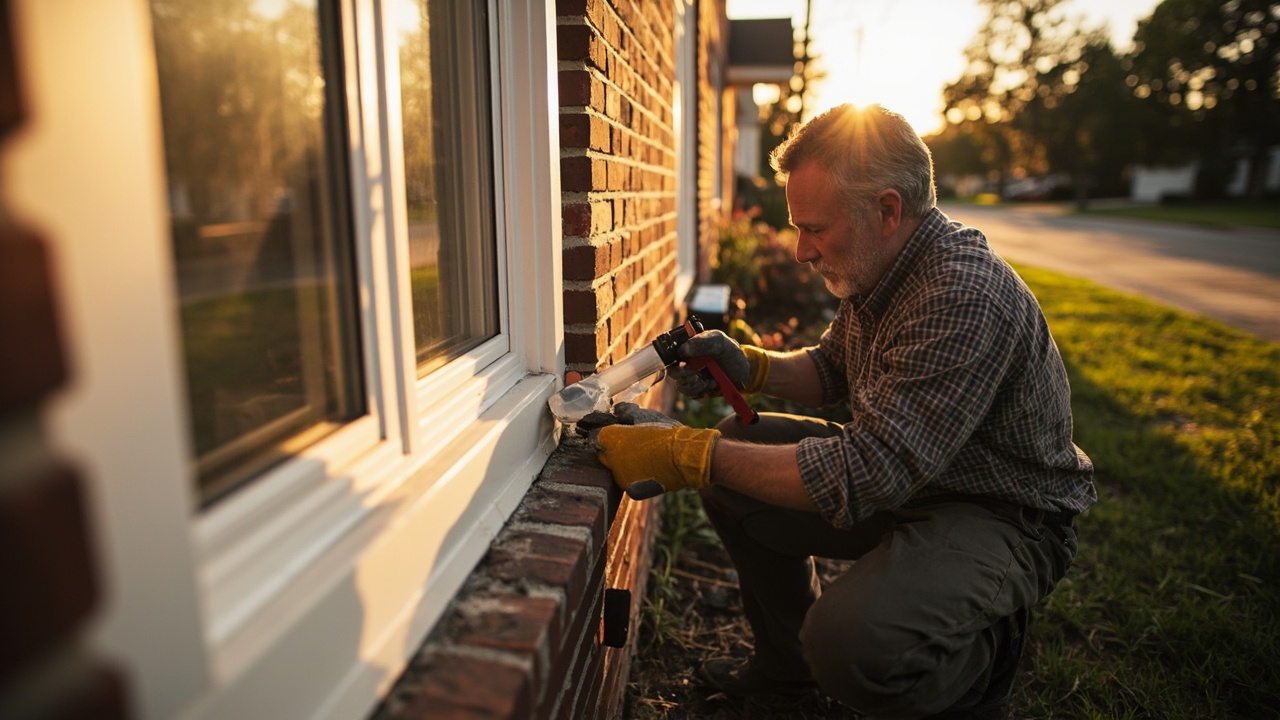
Certain waterproofing maintenance tasks directly prevent the majority of moisture intrusion cases we see in Richmond. Clean gutters twice yearly, in late spring after pollen season and again in late fall after leaves drop. Re-caulk exterior penetrations every three years using high-quality polyurethane or silicone sealants rated for UV exposure. Test your sump pump monthly by pouring water into the basin. Replace the battery in battery backup systems annually. Check foundation crack sealants yearly and reapply when you see gaps or separation. Trim vegetation to maintain 18 inches clearance from your home's exterior walls. These fundamental tasks prevent 80 percent of water intrusion issues when performed consistently.

Professional Assessment Timing

Some waterproofing concerns exceed DIY capabilities and require professional evaluation. Schedule expert assessment if you notice increasing basement humidity despite dehumidifier operation, recurring efflorescence on foundation walls, or musty odors that intensify during humid weather. Foundation cracks wider than one-quarter inch or cracks that show progressive movement need structural evaluation. Water staining that appears on interior walls after rainfall indicates active intrusion requiring immediate professional diagnosis. Homes older than 30 years benefit from comprehensive moisture assessments that use infrared cameras and moisture meters to detect hidden problems. Professional evaluation provides the technical expertise to distinguish between minor maintenance issues and situations requiring immediate waterproofing intervention.

Long-Term Protection Strategy

Effective moisture control best practices evolve as your home ages and as Richmond's climate patterns shift. Maintain a property maintenance file documenting all waterproofing work, inspection findings, and repairs. Update your water damage prevention checklist annually based on observed vulnerabilities. Consider upgrading basic waterproofing systems as technology improves. Modern sump pumps with WiFi monitoring and cellular backup alerts provide security older systems cannot match. Crawl space encapsulation systems installed 15 years ago may need supplemental dehumidification as vapor barrier seals degrade. Budget for major waterproofing system updates every decade. This proactive approach distributes costs over time while maintaining continuous protection against moisture intrusion.

Frequently Asked Questions

You Have Questions,
We Have Answers

What to do before applying waterproofing? +

Clean all surfaces thoroughly to remove dirt, mold, and efflorescence. Richmond's clay soil and high humidity create moisture-rich conditions that leave residue on foundation walls. Repair any visible cracks or gaps with hydraulic cement or polyurethane caulk. Check for active leaks and address those first. Ensure surfaces are completely dry before application. Test moisture levels with a meter if you suspect dampness. Remove loose paint or sealant that could prevent proper adhesion. Identify the water source. If groundwater pressure or drainage issues exist, waterproofing alone will not solve the problem. You need proper exterior drainage first.

What are common waterproofing mistakes? +

Applying waterproofing over wet surfaces is the most common mistake. Moisture trapped behind the coating causes failure. Many homeowners skip surface preparation and try to seal over dirt or efflorescence. Using interior sealants when exterior waterproofing is needed wastes money. Richmond's expansive clay soil shifts and cracks foundations. Patching cracks without addressing the soil movement means they reopen. Another mistake is ignoring gutters and downspouts. Poor drainage overwhelms any waterproofing system. Using the wrong product for the substrate also fails. Concrete requires different treatments than block or brick. Read manufacturer instructions carefully before starting.

What happens if you don't prime before waterproofing? +

Skipping primer reduces adhesion and allows the waterproofing membrane to peel or blister. Porous surfaces like concrete and block absorb moisture unevenly. Primer seals these pores and creates a uniform surface for the topcoat. Without it, the waterproofing cannot bond properly. Richmond's high humidity accelerates this failure. You see bubbling, flaking, or complete delamination within months. Primer also helps identify problem areas. If it does not absorb evenly, you know moisture is still present. Applying waterproofing over unprimed surfaces voids most manufacturer warranties. You waste time and money when the system fails prematurely.

How much does it cost to waterproof a 1000 sq ft basement? +

Costs vary widely based on the method and existing conditions. Interior sealants or coatings range from a few hundred to a few thousand dollars for materials and labor. Exterior excavation and membrane installation costs significantly more due to labor intensity. Richmond's clay soil makes excavation challenging and expensive. Expect higher costs if drainage systems or sump pumps are needed. Foundation crack repairs add to the total. Severe moisture problems require comprehensive solutions beyond simple coatings. Get multiple quotes from local contractors who understand Richmond's soil and water table conditions. Avoid the cheapest bid. Poor waterproofing fails quickly and costs more to fix.

How Richmond's Clay Soil Affects Your Foundation Waterproofing Strategy

Richmond sits on predominately clay soil that expands up to 10 percent when saturated and contracts significantly during dry periods. This constant movement creates immense pressure on foundation walls, forcing water through cracks and joints that would remain sealed in sandy or loamy soil. The Fan District, Church Hill, and areas near Bryan Park experience particularly aggressive soil movement because of higher clay content and proximity to underground springs. Your proactive water sealing methods must account for this movement by using flexible sealants that accommodate foundation shifts rather than rigid products that crack under stress. French drains and proper grading become even more critical in clay soil because surface water cannot percolate naturally. Instead, it pools against foundations until it finds entry points.

Richmond's building codes have strengthened waterproofing requirements significantly since 2010, but older homes lack these protections. Horizon Water Damage Restoration Richmond works with properties throughout the metro area, from historic Carytown bungalows to newer developments in Short Pump. Our familiarity with Richmond's specific soil conditions, drainage patterns, and construction methods allows us to provide home waterproofing maintenance guidance that addresses your property's actual vulnerabilities. We understand which neighborhoods face recurring basement moisture issues and where groundwater tables seasonally rise to threaten crawl spaces. This localized knowledge ensures the DIY waterproofing techniques we recommend actually work in Richmond's unique environment rather than following generic advice that fails under local conditions.

Water Damage Restoration Services in The Richmond Area

Horizon Water Damage Restoration proudly serves the greater Richmond area and surrounding communities. Our strategic location allows us to respond quickly and efficiently to your water damage emergencies, no matter where you are. We are committed to being a local, reliable presence for our neighbors. View our service area on the map below to see how we can reach you and provide the swift, expert service you need.

Address:
Horizon Water Damage Restoration Richmond, 1840 W Broad St, Richmond, VA, 23220

Additional Services We Offer

Our news updates

Latest Articles & News from The Blogs

Identifying Slow Leaks in Flat Roofs Common Around Sandston Flat roofs in Sandston often develop slow leaks that property owners…

Identifying Slow Leaks in Flat Roofs Common Around Sandston

Identifying Slow Leaks in Flat Roofs Common Around Sandston Flat roofs in Sandston often develop slow leaks that property owners…

Simple Ways to Redirect Rainwater Away from Your Stratford Hills Foundation

Simple Ways to Redirect Rainwater Away from Your Stratford Hills Foundation Water pooling near your foundation in Stratford Hills can…

The Damage a Burst Washing Machine Hose Can Do in Just 30 Minutes

The Damage a Burst Washing Machine Hose Can Do in Just 30 Minutes A burst washing machine hose can release…

Contact Us

Get your personalized water damage prevention checklist and expert guidance on moisture control best practices. Call Horizon Water Damage Restoration Richmond at (804) 602-2644 for a professional assessment. We help Richmond homeowners implement proactive waterproofing strategies before minor vulnerabilities become major restoration projects.