
Essential Steps to Take Before the Water Damage Adjuster Arrives
When water invades your Richmond home, the minutes and hours before the insurance adjuster arrives can make the difference between a fully covered claim and a denied one. As a homeowner dealing with burst pipes, flooding, or storm damage, you need to act quickly while protecting your rights and property value. Who to Call Right Now for a Flooded Basement in Short Pump.
The key is understanding your “duty to mitigate” under Virginia insurance law. This means you must take reasonable steps to prevent further damage while preserving evidence for your claim. Let me walk you through exactly what to do before that adjuster knocks on your door. Virginia Bureau of Insurance.
Immediate Safety and Documentation Steps
Before anything else, ensure your home is safe to enter. Check for electrical hazards, structural damage, and contaminated water. The Virginia Department of Emergency Management recommends waiting for official clearance if you suspect Category 3 water (sewage contamination). How to Get Rapid Water Extraction in the Museum District.
Start documenting immediately with photos and video. Take wide shots of each affected room, then close-ups of specific damage. Capture water levels, damaged contents, and any visible mold growth. These images become crucial evidence when the adjuster evaluates your claim. 24/7 Emergency Water Removal Services in Richmond VA.
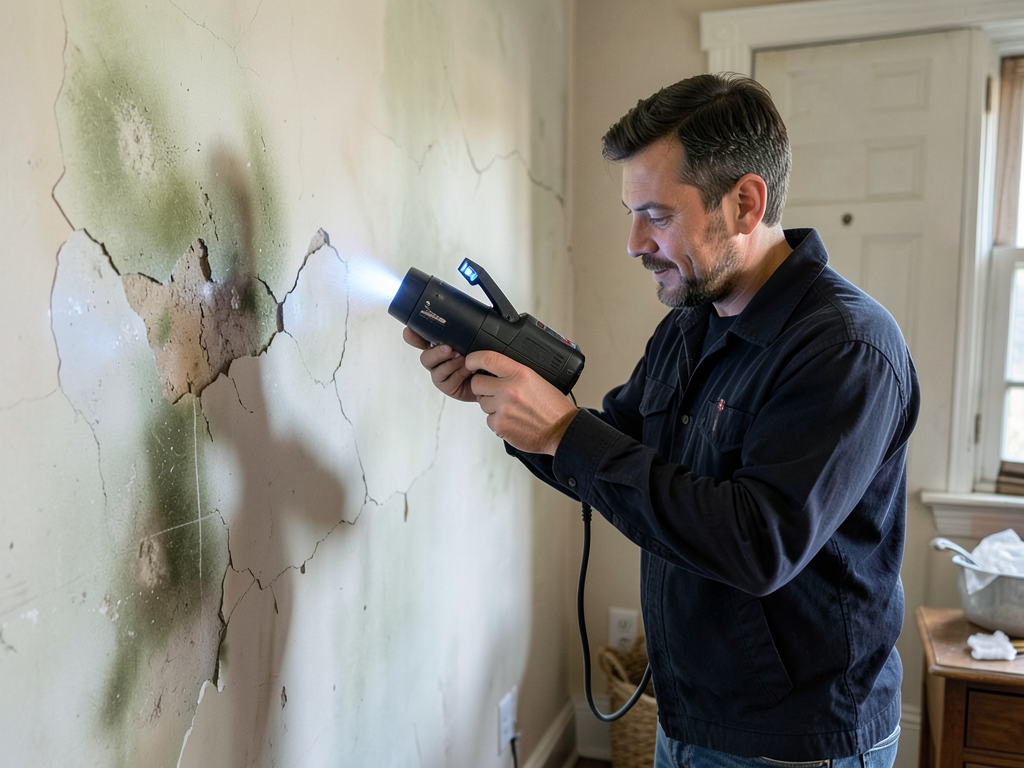
According to the IICRC S500 Standard for water damage restoration, you should begin moisture mapping within 24 hours of discovery. This involves using moisture meters to document wet areas behind walls and under flooring. Many Richmond homes, especially those in the Fan District and Church Hill, have plaster walls that hide extensive moisture damage. IICRC S500 Standard.
Understanding Your Virginia Insurance Policy
Virginia insurance policies have specific requirements that affect your claim. The Virginia Bureau of Insurance mandates that all homeowners policies clearly state coverage limits and exclusions. Most Richmond policies cover sudden pipe bursts but exclude gradual leaks or flood damage from the James River. Water Damage Restoration Colonial Heights.
Know whether you have Replacement Cost Value (RCV) or Actual Cash Value (ACV) coverage. RCV pays to replace damaged items without depreciation, while ACV subtracts wear and tear. This distinction becomes critical when negotiating with your adjuster, especially for historic homes in areas like Monument Avenue where replacement materials are costly.. Read more about How to Protect Your Richmond Home Value After a Major Water Leak.
Check your policy for mold coverage limits. Many Virginia policies cap mold remediation at $10,000, which barely covers professional treatment in Richmond’s humid climate where mold can spread rapidly behind walls.. Read more about Will Your Richmond Homeowners Insurance Actually Pay for Water Damage?.
Preventing Further Damage While Preserving Evidence
Your duty to mitigate requires you to prevent secondary damage like mold growth or structural deterioration. However, you must balance this with preserving evidence for the adjuster. This is where many Richmond homeowners make critical mistakes.
Remove standing water using wet vacuums or pumps, but don’t discard damaged items yet. Instead, move them to a dry area for the adjuster to inspect. For example, if your basement carpet in a West End home is saturated, extract the water but leave the carpet in place until after the inspection. Commercial Water Damage Restoration for Downtown Richmond Businesses.
Set up drying equipment strategically. Industrial air movers and dehumidifiers should run continuously, but document their placement and run times. Many adjusters question equipment usage, so keep a log showing when each piece was turned on and moved.
Creating a Detailed Loss Inventory
Before the adjuster arrives, create a comprehensive inventory of all damaged items. This goes beyond listing “wet carpet” or “damaged drywall.” Include specific details like brand names, purchase dates, and approximate values.
For Richmond’s historic homes, document original features that may need specialized restoration. A 1920s bathroom with original tile requires different expertise than a modern renovation. Include photos of these unique elements to establish their value and restoration requirements.. Read more about Recovering Family Photos and Documents After Water Damage.
Use your smartphone to create a video walkthrough narrating each damaged area. Describe what you see, what was affected, and any immediate actions you took. This real-time documentation proves invaluable if there are disputes about the extent of damage.
Understanding the Adjuster’s Role and Tactics
Insurance adjusters in Virginia fall into three categories: staff adjusters (company employees), independent adjusters (contracted by insurance companies), and public adjusters (work for you). Most homeowners deal with staff or independent adjusters who represent the insurance company’s interests.
Common adjuster tactics include questioning whether damage existed before the current claim or suggesting pre-existing conditions. In Richmond’s older housing stock, this becomes particularly problematic. A water stain on a ceiling might be attributed to an old roof leak rather than current damage.
Adjusters often use Xactimate software to estimate repair costs. This program has default pricing that may not reflect Richmond’s actual material and labor costs. For instance, the software might quote $3.50 per square foot for drywall replacement, while local contractors charge $4.25 due to Virginia’s labor rates.
Why Professional Documentation Matters
Professional moisture mapping and documentation can significantly impact your claim outcome. Using thermal imaging cameras and moisture meters, restoration professionals can identify hidden damage that adjusters might miss during a standard walkthrough.
In Richmond’s climate, moisture can travel through building materials differently than in drier regions. The city’s high humidity means water spreads laterally through walls and upward through flooring more extensively than adjusters from out-of-state might expect.
Professional documentation includes humidity readings, moisture content percentages, and drying progress charts. These technical documents prove you followed industry standards and justify the equipment and labor costs in your claim.
Working Effectively with Your Adjuster
Be present during the adjuster’s inspection. This allows you to point out all damage, explain your mitigation efforts, and ensure nothing is overlooked. Richmond homes often have unique architectural features that require special attention.. Read more about The Difference Between Mitigation and Restoration (And Why You Need Both).
Have your documentation organized and ready. Create a folder with photos, videos, moisture readings, and your loss inventory. When the adjuster asks about specific damage, you can quickly provide supporting evidence.
Don’t sign anything you don’t understand. Virginia insurance contracts are complex, and once you sign a settlement agreement, you typically cannot reopen the claim. If offered a quick settlement, consider whether it covers all necessary repairs, including hidden damage that may appear later.
Common Richmond-Specific Challenges
Richmond’s unique geography creates specific water damage scenarios. The city’s location on the Fall Line means many homes experience foundation issues and basement seepage. Homes in low-lying areas near the James River face flood risks that standard policies don’t cover.. Read more about Is it Safe to Use a Shop Vac for Flood Cleanup in Your Basement?.
The area’s clay soil expands and contracts with moisture changes, causing foundation cracks that allow water intrusion. This “seasonal” damage often gets disputed by adjusters who claim it’s pre-existing rather than claim-related.
Historic districts like The Fan and Church Hill have preservation requirements that affect restoration costs. Using original materials or meeting architectural guidelines can increase repair expenses significantly above standard estimates.
Timeline Expectations for Richmond Claims
Virginia insurance regulations require companies to acknowledge claims within 15 days and make coverage decisions within 45 days. However, complex water damage claims often take longer, especially when involving historic properties or disputed damage amounts.
Most Richmond water damage claims follow this timeline: initial inspection (1-3 days), documentation period (3-7 days), estimate preparation (5-10 days), negotiation (1-4 weeks), and final settlement (1-2 weeks after agreement).
During this process, continue mitigation efforts and document everything. Some homeowners stop drying efforts after the initial inspection, only to discover additional damage weeks later when it’s too late to add to the claim.
Special Considerations for Different Property Types
Single-family homes in suburban Richmond face different challenges than historic properties or condominiums. Townhouse communities may have shared plumbing systems where damage originates from a neighbor’s property, complicating responsibility and coverage.
Commercial properties have additional considerations. Business interruption coverage, equipment breakdown provisions, and liability concerns require different documentation approaches than residential claims.
Rental properties involve landlord-tenant dynamics where responsibility for damage and repairs must be clearly established before filing claims.
Frequently Asked Questions
Should I start cleanup before the adjuster arrives?
Yes, but document everything first. Remove standing water and set up drying equipment, but don’t discard damaged items or make permanent repairs until after the inspection. Your duty to mitigate requires preventing further damage.
What if the adjuster says damage isn’t covered?
Request a written explanation citing specific policy language. In Virginia, you have the right to appeal decisions and can request a third-party review. Consider consulting a public adjuster who works for you, not the insurance company.
How long do I have to file a water damage claim in Virginia?
Most policies require notification “as soon as practicable” after discovering damage. Virginia law generally gives you two years from the date of loss to file a lawsuit if the claim is denied, but you should file as soon as possible.
Conclusion
Preparing for your water damage adjuster visit in Richmond requires understanding both your insurance policy and local conditions that affect your claim. By documenting thoroughly, preventing further damage, and knowing your rights under Virginia insurance law, you position yourself for the best possible outcome.
Remember that this process involves negotiation. The initial adjuster estimate is rarely the final word, especially for complex water damage in Richmond’s unique housing stock. Stay organized, be present during inspections, and don’t hesitate to ask questions or request clarification.
The difference between a denied claim and full coverage often comes down to preparation and documentation. Take these steps seriously, and you’ll be well-positioned to recover fully from your water damage event.
Call (804) 602-2644 today to schedule your inspection. Our team can help document damage, communicate with your adjuster, and ensure your claim covers all necessary repairs.
You may also find this helpful. Restoring Historical Plaster Walls in Church Hill After a Pipe Burst.
You may also find this helpful. What to Do When Your Dishwasher Floods the Kitchen in Mechanicsville.
{
“@context”: “https://schema.org”,
“@type”: “BlogPosting”,
“headline”: “Essential Steps to Take Before the Water Damage Adjuster Arrives”,
“description”: “Learn what to do before the water damage adjuster arrives in Richmond. Get expert tips on documentation, insurance claims, and protecting your property from further damage.”,
“wordCount”: 1596,
“datePublished”: “2026-03-12T16:06:00.000Z”,
“dateModified”: “2026-03-12T16:06:00.000Z”,
“inLanguage”: “en-US”,
“mainEntityOfPage”: {
“@type”: “WebPage”,
“@id”: “https://horizonwaterdamagerestorationrichmond.com”
},
“publisher”: {
“@type”: “LocalBusiness”,
“name”: “Horizon Water Damage Restoration Richmond”,
“url”: “https://horizonwaterdamagerestorationrichmond.com”
},
“author”: {
“@type”: “Organization”,
“name”: “Horizon Water Damage Restoration Richmond”,
“url”: “https://horizonwaterdamagerestorationrichmond.com”
},
“image”: {
“@type”: “ImageObject”,
“url”: “https://horizonwaterdamagerestorationrichmond.com/wp-content/uploads/2026/03/essential-steps-to-take-before-the-water-damage-ad-1.png”
}
}
{
“@context”: “https://schema.org”,
“@type”: “LocalBusiness”,
“name”: “Horizon Water Damage Restoration Richmond”,
“url”: “https://horizonwaterdamagerestorationrichmond.com”,
“address”: {
“@type”: “PostalAddress”,
“addressLocality”: “Richmond”
},
“areaServed”: {
“@type”: “City”,
“name”: “Richmond”
}
}
{
“@context”: “https://schema.org”,
“@type”: “FAQPage”,
“mainEntity”: [
{
“@type”: “Question”,
“name”: “Should I start cleanup before the adjuster arrives?”,
“acceptedAnswer”: {
“@type”: “Answer”,
“text”: “Yes, but document everything first. Remove standing water and set up drying equipment, but don’t discard damaged items or make permanent repairs until after the inspection. Your duty to mitigate requires preventing further damage.”
}
},
{
“@type”: “Question”,
“name”: “What if the adjuster says damage isn’t covered?”,
“acceptedAnswer”: {
“@type”: “Answer”,
“text”: “Request a written explanation citing specific policy language. In Virginia, you have the right to appeal decisions and can request a third-party review. Consider consulting a public adjuster who works for you, not the insurance company.”
}
},
{
“@type”: “Question”,
“name”: “How long do I have to file a water damage claim in Virginia?”,
“acceptedAnswer”: {
“@type”: “Answer”,
“text”: “Most policies require notification \”as soon as practicable\” after discovering damage. Virginia law generally gives you two years from the date of loss to file a lawsuit if the claim is denied, but you should file as soon as possible.”
}
}
]
}
{
“@context”: “https://schema.org”,
“@type”: “BreadcrumbList”,
“itemListElement”: [
{
“@type”: “ListItem”,
“position”: 1,
“name”: “Home”,
“item”: “https://horizonwaterdamagerestorationrichmond.com”
},
{
“@type”: “ListItem”,
“position”: 2,
“name”: “Blog”,
“item”: “https://horizonwaterdamagerestorationrichmond.com/blog”
},
{
“@type”: “ListItem”,
“position”: 3,
“name”: “Essential Steps to Take Before the Water Damage Adjuster Arrives”
}
]
}
{
“@context”: “https://schema.org”,
“@type”: “Service”,
“serviceType”: “Water Damage Restoration”,
“provider”: {
“@type”: “LocalBusiness”,
“name”: “Horizon Water Damage Restoration Richmond”,
“url”: “https://horizonwaterdamagerestorationrichmond.com”
},
“areaServed”: {
“@type”: “City”,
“name”: “Richmond”
},
“description”: “Learn what to do before the water damage adjuster arrives in Richmond. Get expert tips on documentation, insurance claims, and protecting your property from further damage.”
}