





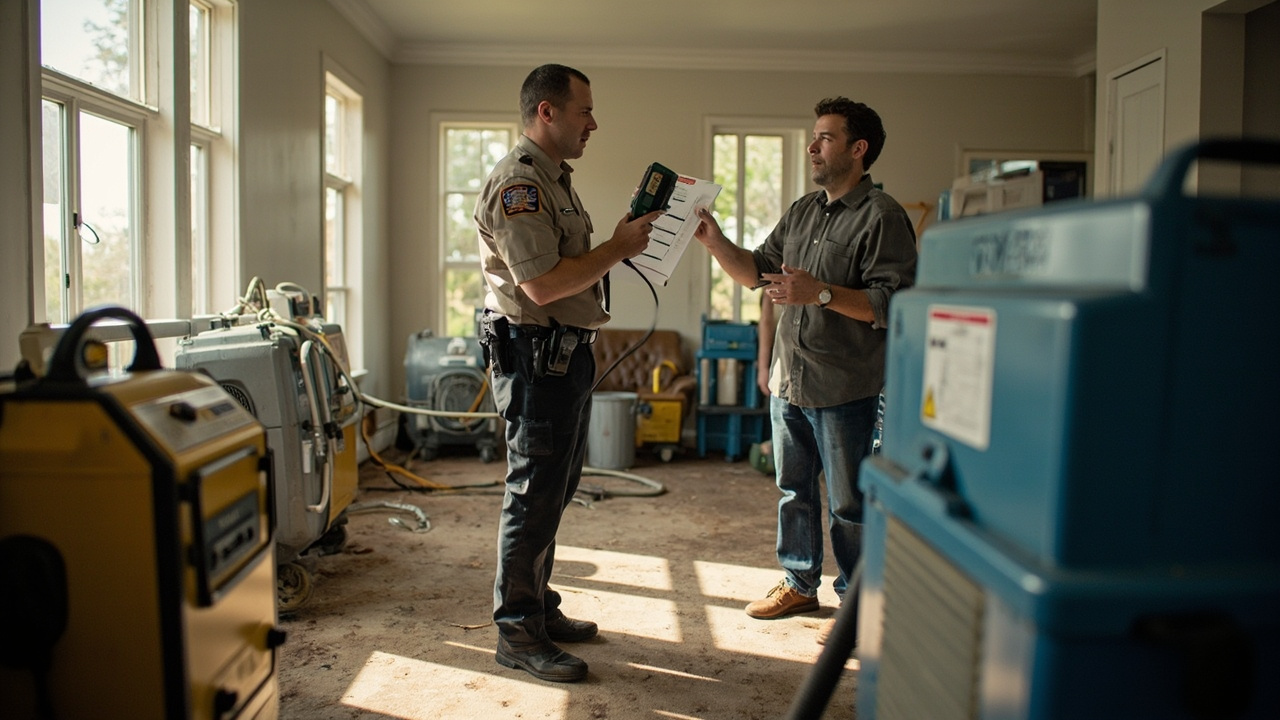
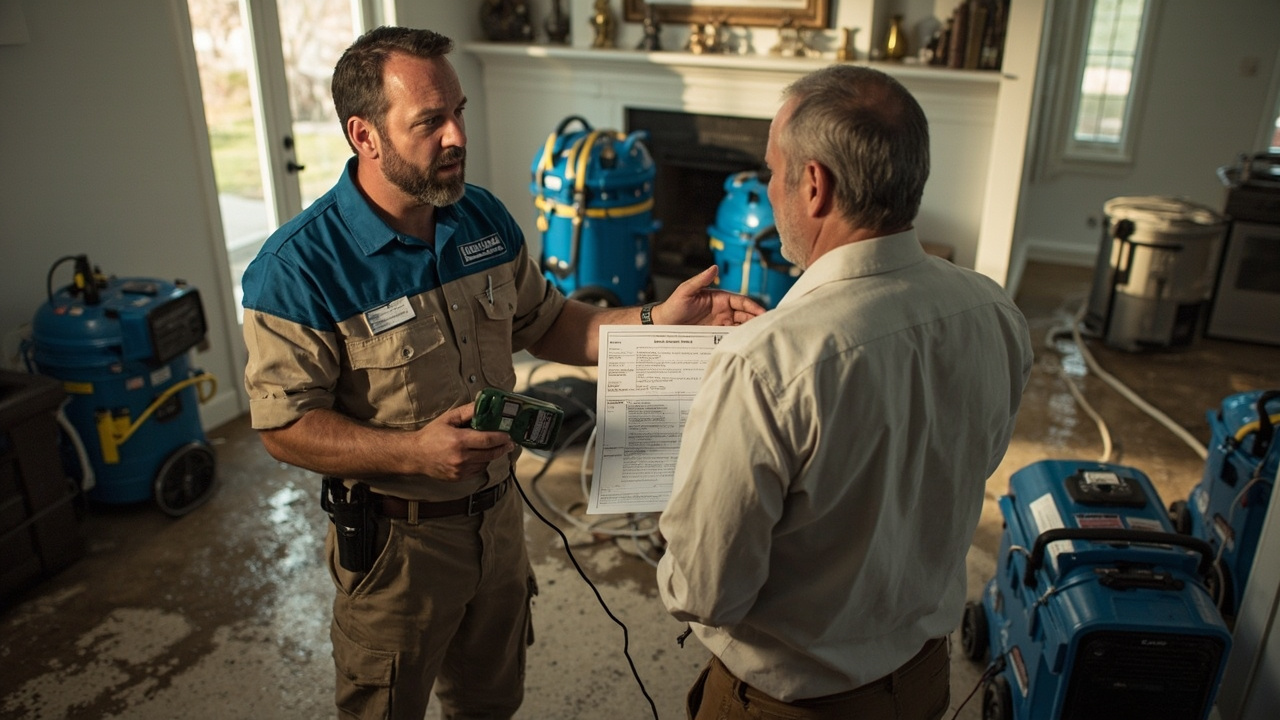
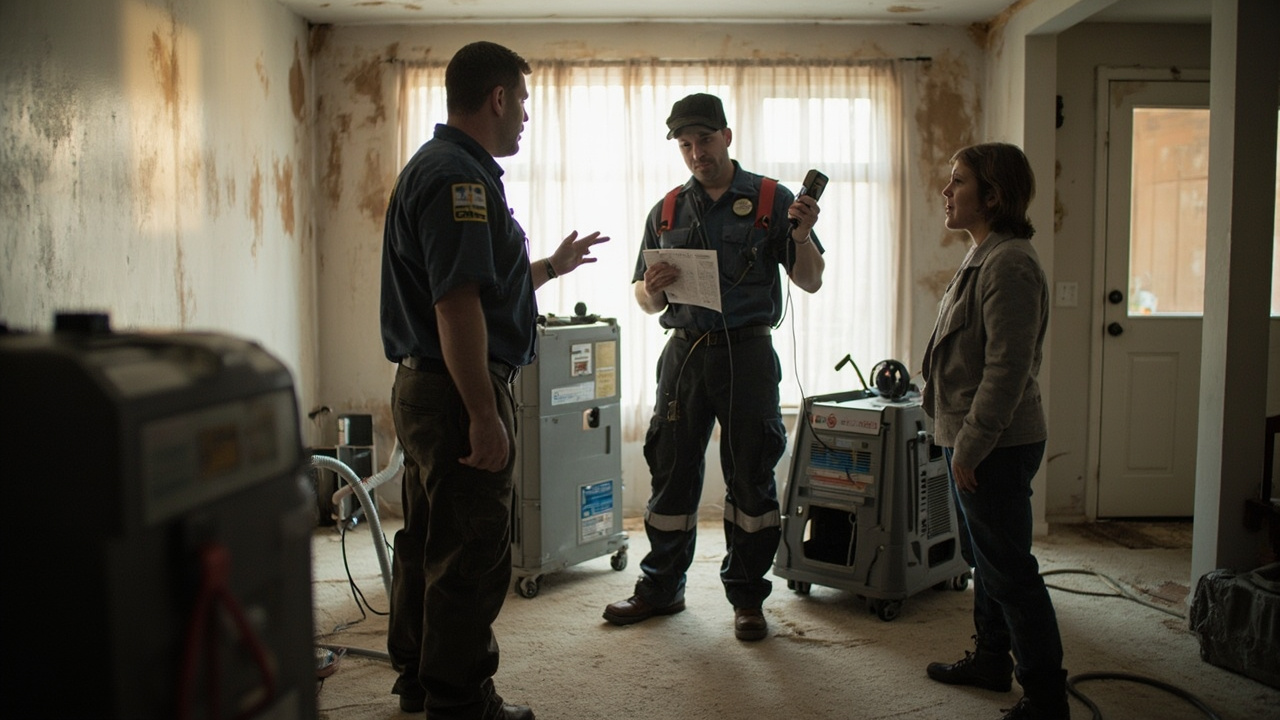
Richmond's average summer humidity hovers between 70 and 85 percent, slowing evaporation and extending structural drying duration by 30 to 50 percent compared to drier regions. Homes built before 1950 often feature plaster walls, which absorb water more deeply than modern drywall and require longer drying times. The Fan District and Church Hill contain dense concentrations of these older structures where water restoration drying timelines routinely stretch to seven days or more depending on saturation depth. Floodwater from the James River carries silt and organic contaminants that cling to porous surfaces, requiring additional cleaning before drying can begin. Richmond's clay soil also contributes to basement flooding during heavy rain, creating recurring water damage cycles in neighborhoods near Byrd Park and the Boulevard.
Horizon Water Damage Restoration Richmond understands local building practices and material behavior in our humid climate. We have worked with historic preservation guidelines in Richmond's Old and Historic Districts where you cannot simply tear out original plaster or hardwood floors. Our drying protocols balance speed with material preservation, using controlled airflow and dehumidification that protect irreplaceable finishes. We also maintain relationships with local adjusters and insurance agents who understand Richmond's unique water damage challenges. When we document a water restoration drying timeline, local adjusters trust our data because they know we account for Richmond's climate and construction methods. Choosing a local team means working with professionals who have dried thousands of Richmond properties and understand what works in our specific environment.


