





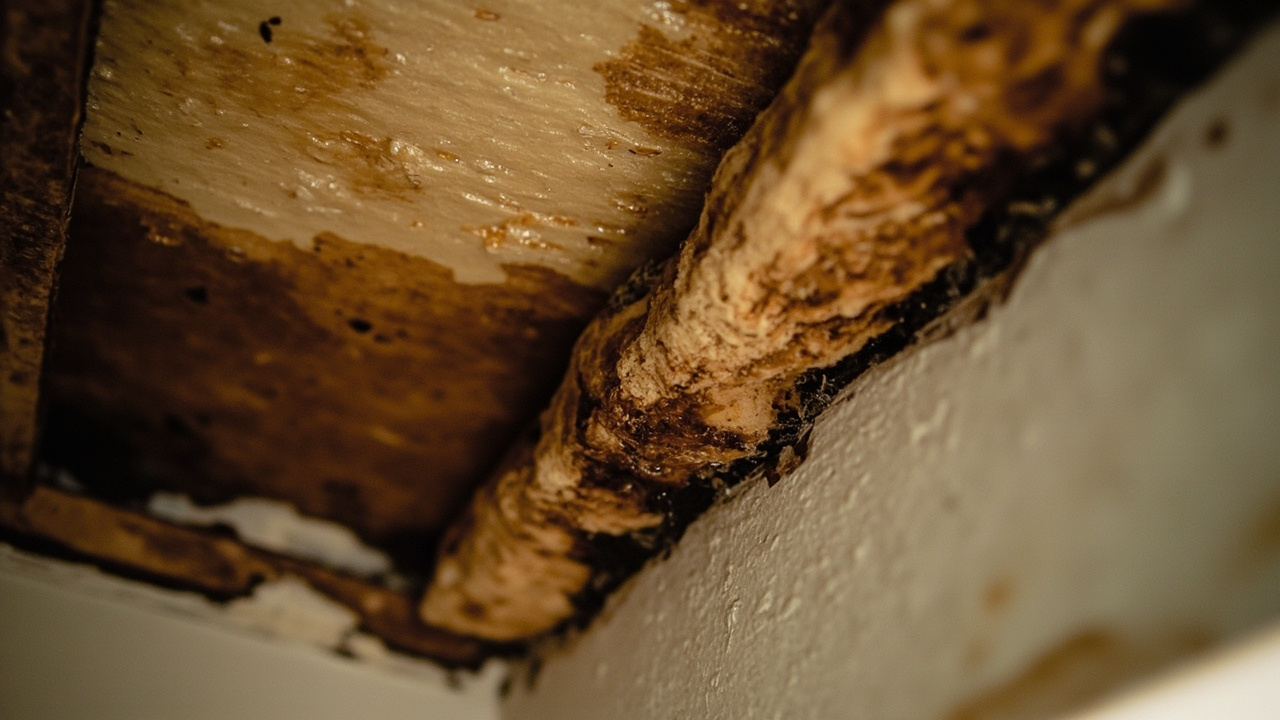
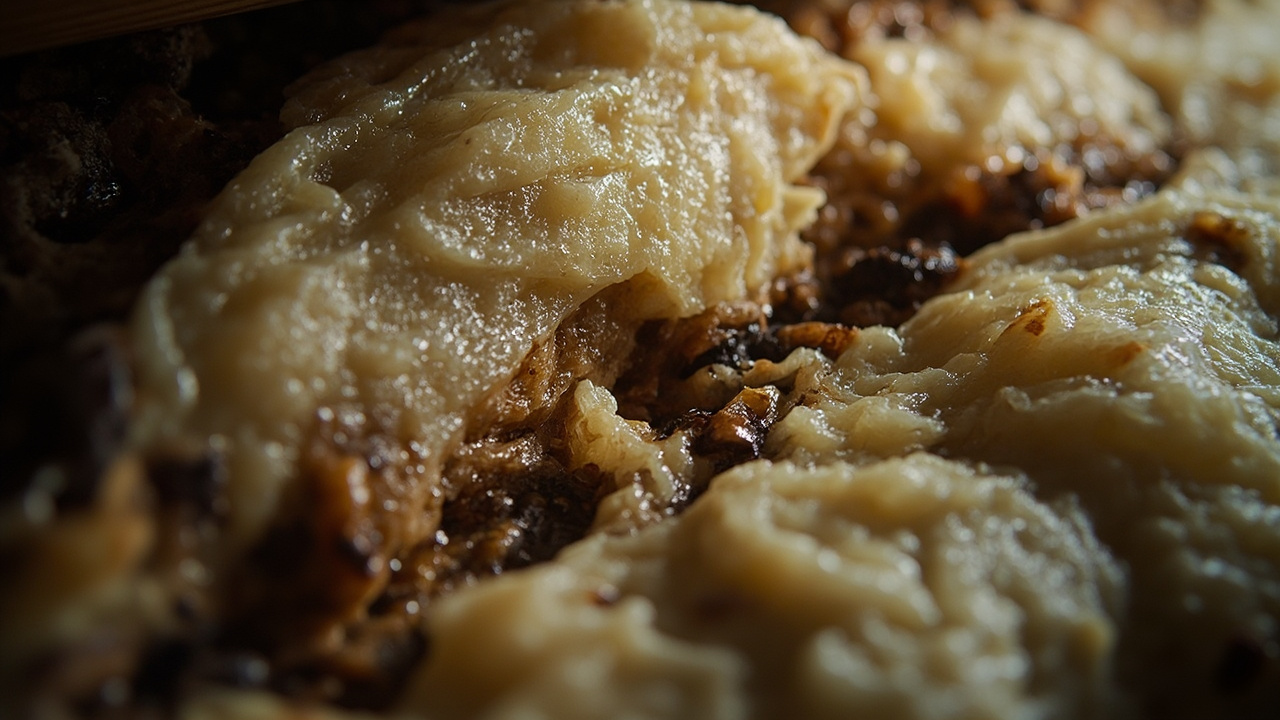
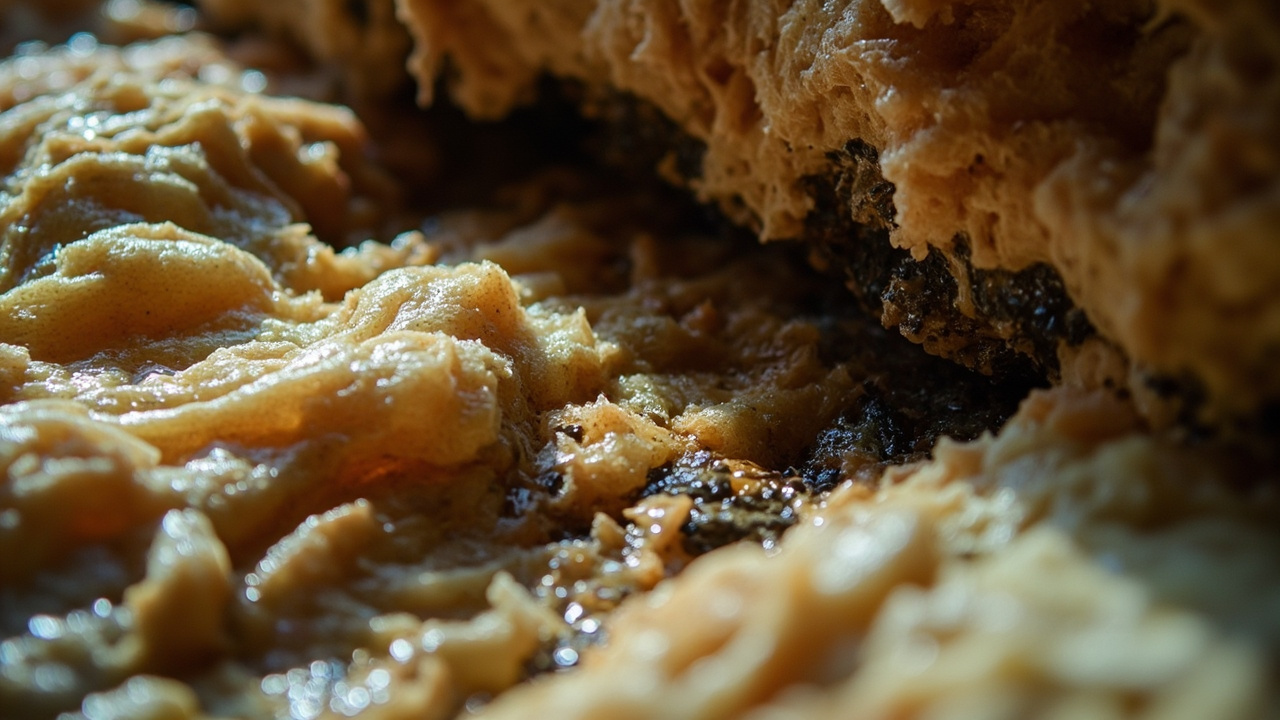
Richmond sits in Virginia's humid subtropical zone where summer dew points regularly exceed 70 degrees. This ambient moisture finds its way into attics and crawlspaces through soffit vents, roof penetrations, and air leaks in ceiling planes. Historic homes in the Fan and Museum District were built without vapor barriers or continuous air barriers, which allows moisture-laden air to contact cold insulation surfaces during cooling season. Condensation forms, insulation becomes damp, and mold begins within days. The James River adds localized humidity that keeps drying times longer than in drier climates. When roof leaks or plumbing failures saturate insulation in Richmond homes, the high ambient moisture prevents passive drying, making professional extraction and mechanical dehumidification necessary for complete remediation.
Horizon Water Damage Restoration Richmond has remediated water damaged insulation in every neighborhood from Lakeside to Forest Hill. We understand the construction differences between 1920s bungalows with knob-and-tube wiring and 1990s subdivisions with truss roof systems. Local building inspectors recognize our work because we follow Virginia Residential Code requirements for insulation R-values and vapor barrier placement. Our technicians train continuously on moisture science and building envelope physics specific to Mid-Atlantic climate conditions. When you choose local expertise for soggy insulation problems, you get crews who know Richmond's housing stock and can diagnose why water accumulated in the first place, not just remove the wet material.


