




Menu

Storm Damage Mitigation in Richmond – Full-Service Restoration from Wind, Water, and Debris Impact

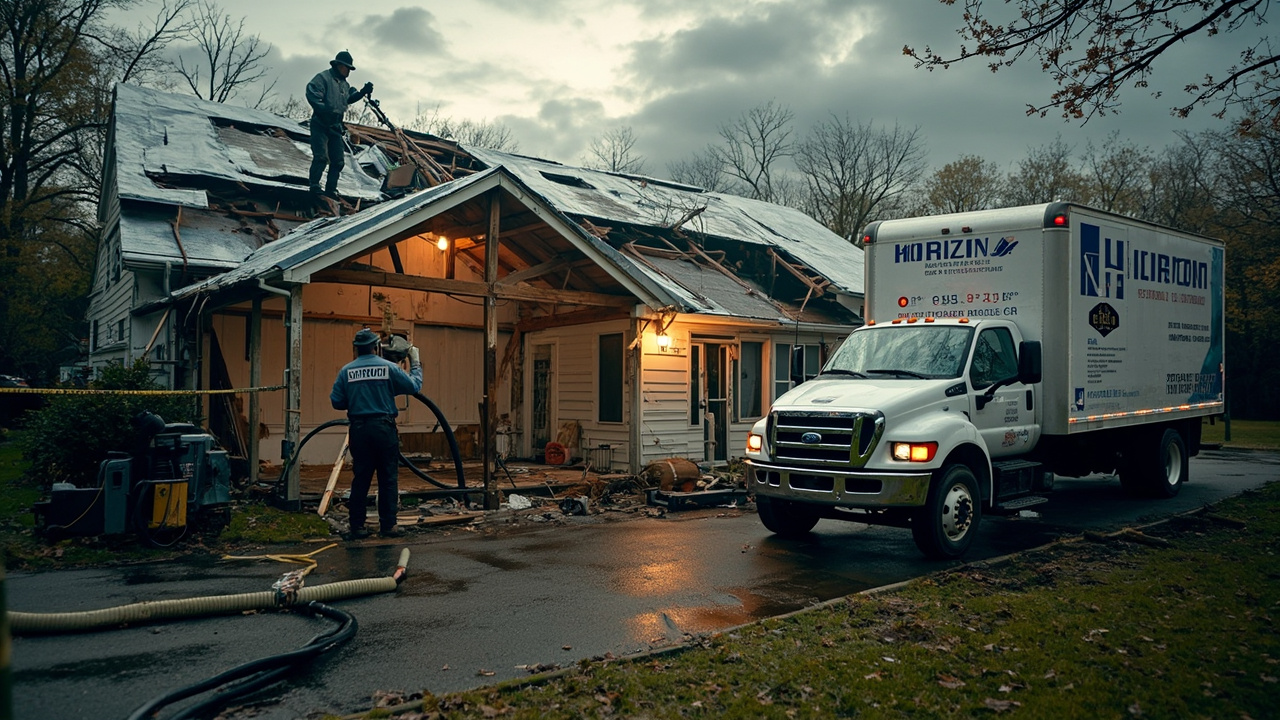
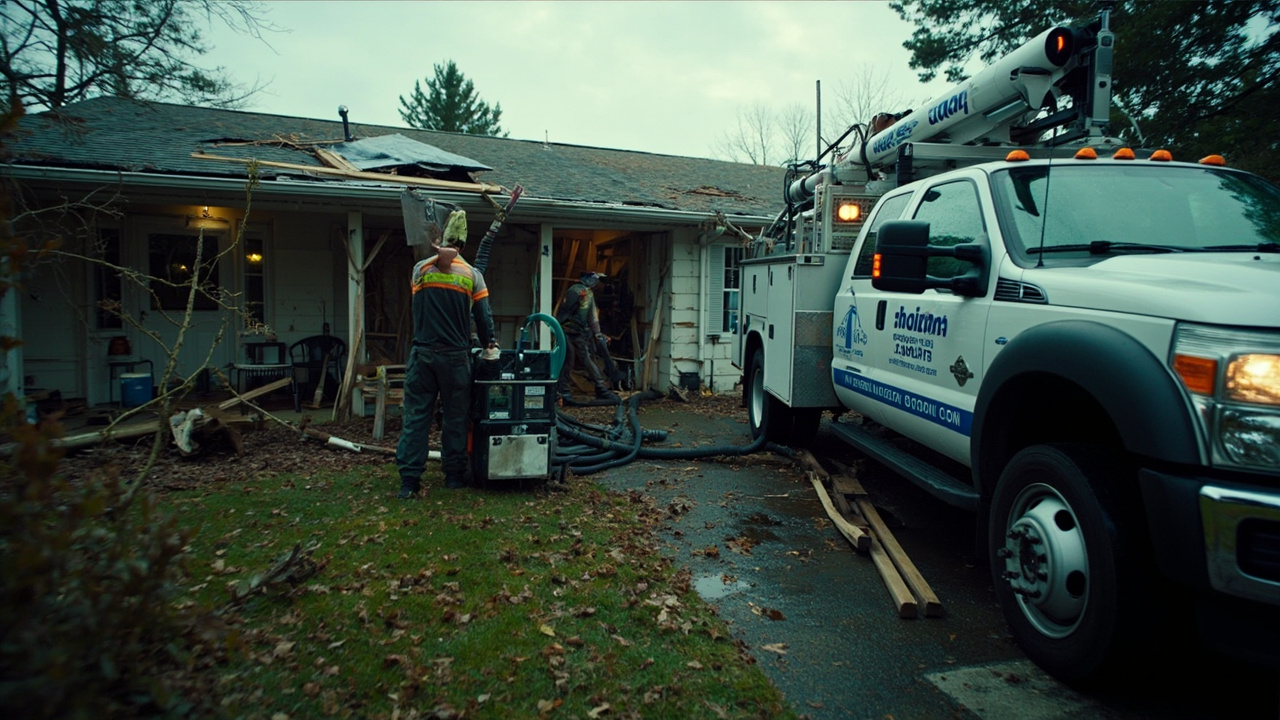
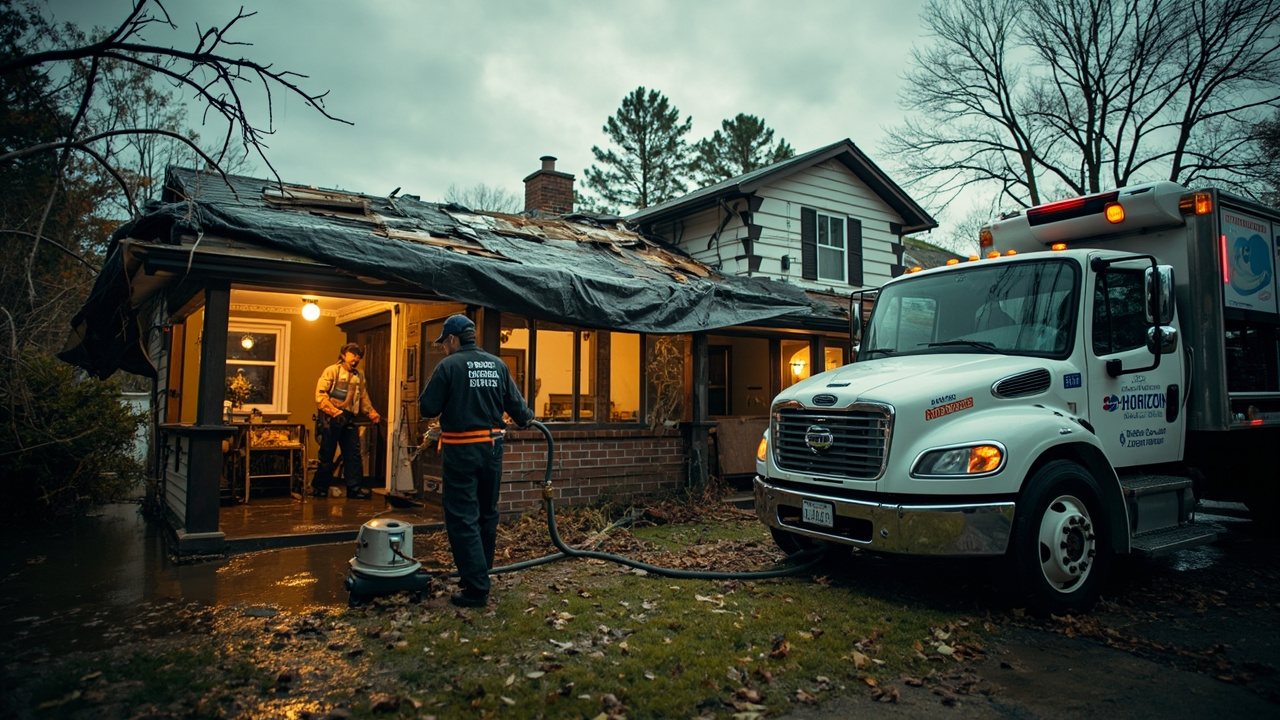
Horizon Water Damage Restoration Richmond delivers complete storm damage mitigation, combining emergency water extraction, structural drying, debris removal, and wind damage repair to protect your property from further deterioration after severe weather.

Slider Image 1
Slider Image 2
Slider Image 3
Slider Image 4
Slider Image 5
Slider Image 7
Slider Image 8
Slider Image 9
Slider Image 10
Slider Image 11

Why Richmond Properties Face Unique Storm Damage Risks

Richmond sits at the intersection of coastal hurricane influence and inland severe weather. Tropical systems move up the James River corridor, bringing high winds and flooding rain. Summer thunderstorms drop intense rainfall on clay soil that sheds water instead of absorbing it. Winter ice storms snap branches onto roofs.

When storms hit, water finds every weakness. Wind lifts shingles. Rain pours through gaps. Overflowing gutters dump water against foundations. Fallen trees puncture siding and roofing membranes. Basement windows crack under hydrostatic pressure from saturated soil.

The combination of wind damage and water intrusion creates compounding problems. A lifted shingle allows rain penetration. Wet insulation loses R-value and becomes a mold farm. Soaked drywall weakens and sags. Flooded crawl spaces undermine floor joists.

Storm damage remediation must address both immediate threats and hidden deterioration. Surface water needs extraction within 24 hours before it migrates into wall cavities. Structural components need assessment for wind damage. Materials need drying before microbial growth establishes colonies.

Richmond's humid climate accelerates degradation. A storm-damaged structure left untreated for 48 hours can develop mold growth on porous surfaces. The longer water sits, the deeper it wicks into building materials, the more expensive the restoration becomes.

Storm damage cleanup requires understanding how Richmond weather patterns create specific vulnerabilities. Coastal moisture meets piedmont clay soil. Summer humidity slows evaporation. Historic neighborhoods feature older construction with fewer moisture barriers. These factors make professional storm damage restoration essential for protecting property value and structural integrity.

Why Richmond Properties Face Unique Storm Damage Risks
Our Multi-Phase Storm Damage Mitigation System

Our Multi-Phase Storm Damage Mitigation System

Storm damage mitigation begins before we touch a single material. We conduct a complete structural assessment, documenting wind damage to roof decking, wall sheathing, and envelope penetrations. We map water intrusion paths using thermal imaging cameras that reveal moisture behind finished surfaces. We measure humidity levels in cavities using thermo-hygrometers to identify vapor drive direction.

Emergency water extraction comes next. We deploy truck-mounted extractors for standing water, removing thousands of gallons per hour. For saturated carpets and padding, we use weighted extraction wands that pull water from deep in pile fibers. We remove baseboards to access wall cavities where water pools above slab foundations.

Our drying protocol follows psychrometric principles. We calculate grain depression between ambient air and material moisture content, then position commercial dehumidifiers and air movers to create optimal vapor pressure differentials. We don't just blow air at wet surfaces. We engineer airflow patterns that maximize evaporation rates while preventing secondary damage from over-drying.

Wind damage repair requires understanding load paths. We don't just nail down lifted shingles. We inspect roof decking for fastener pullout, check truss connections for uplift damage, and verify that sheathing remains properly attached to framing. We replace compromised flashing around penetrations where wind-driven rain entered.

Storm damage repair includes containment. We establish negative air pressure in affected zones using HEPA-filtered air scrubbers, preventing cross-contamination to unaffected areas. We remove debris through designated egress paths, protecting finished surfaces from traffic damage.

Documentation runs parallel to physical work. We photograph damage progression, log moisture readings twice daily, maintain chain of custody for removed materials, and provide detailed scope documentation for insurance claims. Emergency storm damage services demand both technical execution and administrative precision.

What Happens During Storm Damage Mitigation

Storm Damage Mitigation in Richmond – Full-Service Restoration from Wind, Water, and Debris Impact
01

Emergency Response and Assessment

We arrive within hours of your call to stop ongoing damage. Our team tarps compromised roof sections, boards broken windows, and extracts standing water. We document all damage with photos, thermal imaging, and moisture mapping. You receive an immediate verbal assessment of structural risks, safety concerns, and mitigation priorities. We contact your insurance carrier to initiate the claims process while stabilizing your property.
02

Water Extraction and Drying

Industrial water extractors remove bulk moisture from floors, carpets, and cavities. We position commercial dehumidifiers to pull moisture from the air while air movers accelerate surface evaporation. Our technicians monitor drying progress with moisture meters, adjusting equipment placement based on psychrometric calculations. We remove wet insulation, saturated drywall, and compromised building materials that cannot be salvaged. Daily moisture readings track progress toward ANSI-certified dry standards.
03

Restoration and Prevention

After complete drying, we repair structural damage, replace compromised materials, and restore finishes to pre-loss condition. Wind-damaged roofing receives proper flashing and fastener replacement. We treat affected areas with antimicrobial solutions to prevent mold colonization. You receive detailed documentation of all work performed, materials used, and final moisture readings. We identify vulnerabilities that contributed to damage and recommend preventive improvements to protect against future storms.

Why Richmond Property Owners Choose Horizon Water Damage Restoration

Storm damage mitigation requires understanding Richmond's specific building stock and weather patterns. We know how historic Fan District homes respond differently to wind loads than newer Short Pump construction. We understand how clay soil in the West End creates different foundation drainage challenges than properties near the James River floodplain.

Our technicians hold IICRC certifications in water damage restoration and applied structural drying. These credentials matter because they represent training in psychrometry, microbial remediation, and building science. We don't guess at drying strategies. We calculate them based on material porosity, ambient conditions, and equipment performance specifications.

We maintain direct relationships with insurance adjusters who work Richmond claims daily. We speak their documentation language, understand their scope writing requirements, and provide the detailed estimates they need to process claims efficiently. This familiarity accelerates approval timelines and reduces your administrative burden.

Our equipment inventory includes redundant capacity. When a major storm impacts multiple properties, we don't run out of dehumidifiers or air movers. We stock commercial-grade units designed for continuous operation under load. We maintain backup extractors, generators for power-loss situations, and specialty tools for confined space drying.

Response time matters in storm damage remediation. We dispatch crews 24 hours a day because every hour of delay increases restoration costs and complications. We arrive with the equipment, expertise, and insurance documentation knowledge to begin mitigation immediately.

Local emergency services recognize our vehicles at storm scenes. We've worked alongside Richmond Fire and Rescue on water intrusion incidents. We coordinate with building inspectors when structural damage requires permit-level repairs. This community integration means faster approvals, better communication, and more efficient project execution for our clients.

What to Expect from Our Storm Damage Mitigation Services

Emergency Response Time

We dispatch crews within two hours of your call, arriving with water extraction equipment, structural tarps, and assessment tools. Our rapid response prevents secondary damage that develops when compromised structures remain exposed to weather. You get immediate stabilization, not appointment scheduling. We work through nights and weekends because storms don't respect business hours. Our technicians arrive prepared to begin mitigation immediately, reducing your exposure to escalating damage and higher restoration costs.

Comprehensive Damage Documentation

Our assessment includes thermal imaging to locate hidden moisture, moisture meter readings of structural components, photographic documentation of all visible damage, and written scope of loss for insurance submission. We map damage extent, identify contributing factors, and provide detailed material inventories. You receive reports that satisfy insurance carrier requirements without multiple callbacks for additional documentation. Our thorough front-end assessment prevents disputes over causation and reduces claim processing delays.

Complete Structural Restoration

Storm damage repair includes wind damage correction, water intrusion remediation, mold prevention treatment, and finish restoration to pre-loss condition. We replace compromised roof decking, repair damaged wall sheathing, restore proper drainage grading, and refinish affected interior surfaces. You get structural integrity restoration, not cosmetic patches. Our work meets building code requirements and industry standards for durability. Completed projects receive final moisture verification confirming materials have reached equilibrium moisture content appropriate for Richmond's climate.

Ongoing Monitoring and Follow-Up

After restoration completion, we conduct follow-up moisture testing to verify materials remain stable. We provide documentation of all equipment run times, daily moisture readings, and antimicrobial treatments applied. You receive maintenance recommendations specific to vulnerabilities identified during restoration. We remain available for questions about insurance claims, material performance, or concerns about restoration quality. Our commitment extends beyond project completion because proper storm damage mitigation protects your property investment long-term.

Frequently Asked Questions

You Have Questions,
We Have Answers

What are the 4 types of hazard mitigation actions? +

The four types of hazard mitigation actions are avoidance, minimization, structural controls, and operational controls. Avoidance means relocating away from hazard-prone areas. Minimization reduces vulnerability through building codes or flood-proofing. Structural controls include physical barriers like levees or storm drains. Operational controls involve planning, like emergency response protocols or insurance requirements. In Richmond, where hurricanes and flooding threaten homes near the James River, combining structural reinforcements with smart operational planning protects property value and lives. Each action targets different vulnerabilities, so you need a layered approach.

What can be done to mitigate storms? +

Storm mitigation starts with reinforcing your structure before weather strikes. Install storm shutters, upgrade roofing materials to wind-resistant shingles, and secure roof-to-wall connections with hurricane straps. Clear gutters and downspouts to prevent water intrusion. Trim trees near your Richmond home to reduce wind-thrown debris risk. Seal foundation cracks and install backflow valves to stop sewer backups during heavy rain. Move valuable items to higher floors if flooding threatens. Maintain updated property insurance with flood coverage. Post-storm, document damage immediately with photos before repairs begin. Prevention costs less than reconstruction.

Does storm damage raise insurance rates? +

Storm damage can raise your insurance rates, depending on claim severity and frequency. Filing multiple claims within a short period signals higher risk to insurers, prompting rate increases or policy non-renewal. However, claims from named storms or federally declared disasters in Richmond may receive different treatment. Your insurer evaluates damage type, repair costs, and whether you took preventive measures. Rates also reflect regional risk, so living near the James River floodplain already impacts premiums. Maintaining claims-free history and mitigating future damage through structural improvements can stabilize or lower rates over time.

What are examples of mitigation? +

Mitigation examples include elevating HVAC systems above flood levels, installing impact-resistant windows, reinforcing garage doors against wind pressure, and adding sump pumps with battery backups. In Richmond's Historic Districts, mitigation might mean preserving original architecture while adding hidden flood barriers or upgrading drainage systems. Other examples include securing outdoor furniture before storms, anchoring manufactured homes to foundations, and retrofitting older structures with earthquake-resistant ties. Business mitigation involves backup power systems and off-site data storage. Each example reduces specific vulnerabilities based on your property's location and construction type.

What are the five methods of mitigation? +

The five methods of mitigation are risk avoidance, risk reduction, risk transfer, risk acceptance, and risk sharing. Avoidance means not building in flood zones. Reduction involves strengthening structures or installing protective systems. Transfer shifts financial burden through insurance policies. Acceptance acknowledges minor risks where mitigation costs exceed benefits. Sharing spreads risk across communities through cooperative planning. Richmond homeowners typically combine methods by buying flood insurance, reinforcing roofs, and participating in neighborhood drainage projects. No single method eliminates all storm threats, so layering strategies creates the most protection for your investment.

How does FEMA define mitigation? +

FEMA defines mitigation as sustained action to reduce or eliminate long-term risk to people and property from hazards and their effects. This differs from emergency response, which addresses immediate threats. Mitigation happens before disasters strike and focuses on breaking the cycle of damage, reconstruction, and repeated damage. FEMA funds programs that help Richmond communities upgrade infrastructure, enforce stronger building codes, and relocate flood-prone properties. The goal is making future disasters less destructive and less costly. Mitigation investments save six dollars for every dollar spent, according to FEMA research.

What are the 5 mitigation strategies? +

The five mitigation strategies are prevention, property protection, public education, natural resource protection, and emergency services. Prevention uses zoning laws and building codes to limit hazard exposure. Property protection includes retrofitting structures and installing barriers. Public education teaches residents about risks and preparedness. Natural resource protection preserves wetlands and forests that absorb stormwater. Emergency services ensure rapid response when disasters occur. Richmond applies these strategies through floodplain management along the James River, tree preservation ordinances, and public alerts during hurricane season. Combining strategies creates resilient neighborhoods that recover faster after storms.

What are the 4 C's of disaster recovery? +

The four C's of disaster recovery are communication, coordination, collaboration, and continuity. Communication keeps affected parties informed about recovery progress and available resources. Coordination aligns efforts among responders, contractors, and insurance adjusters to avoid duplicated work. Collaboration brings together government agencies, nonprofits, and private companies to pool expertise and funding. Continuity focuses on restoring normal operations quickly, whether for households or businesses. In Richmond, strong coordination between local emergency management and restoration professionals speeds recovery after hurricanes or flooding. You need all four elements working together for effective recovery.

What are the 5 P's of disaster management? +

The five P's of disaster management are prevention, preparedness, protection, response, and recovery. Prevention stops disasters from occurring through smart planning. Preparedness involves training, supplies, and communication plans before emergencies hit. Protection includes physical barriers and structural reinforcements. Response addresses immediate threats and rescue operations during disasters. Recovery rebuilds communities after damage occurs. Richmond residents face hurricane and flood risks, so combining all five P's through home hardening, emergency kits, and insurance coverage creates maximum resilience. Each phase builds on the others, forming a complete risk management cycle.

What not to say to a homeowners insurance adjuster? +

Never minimize damage, speculate about causes, accept blame, or sign documents without reading them. Do not give recorded statements without reviewing your policy first. Avoid saying your property was already damaged before the storm or that you delayed reporting. Never agree that damage is unrelated to the covered event. Do not accept the first settlement offer without independent estimates. In Richmond, where storm and flood damage overlap, insurers may try shifting claims between policies. Stick to factual observations, provide documentation, and consult a public adjuster or attorney before agreeing to settlement terms.

How Richmond's James River Location Amplifies Storm Damage Risks

Richmond's position along the James River creates a weather funnel for tropical systems moving inland from the Atlantic. Hurricanes and tropical storms follow the river valley, maintaining strength longer than they would over land without water influence. This geographic reality means Richmond experiences higher sustained winds and more intense rainfall than areas just 30 miles west. The combination of wind damage and water intrusion from these systems demands storm damage mitigation expertise specific to coastal-influenced weather patterns. Properties near Shockoe Bottom and Church Hill face additional flood risk when the James River exceeds its banks during storm surge events.

Richmond building codes reflect these storm vulnerabilities, requiring specific wind load calculations and moisture barrier installations. Properties built before modern code updates lack these protections, making professional storm damage restoration essential after severe weather events. Horizon Water Damage Restoration Richmond understands these local code requirements and historic construction methods common in Fan District, Museum District, and older neighborhoods. Our familiarity with Richmond's building department procedures streamlines permit acquisition when structural repairs require inspections, reducing downtime and accelerating your return to normal operations.

Water Damage Restoration Services in The Richmond Area

Horizon Water Damage Restoration proudly serves the greater Richmond area and surrounding communities. Our strategic location allows us to respond quickly and efficiently to your water damage emergencies, no matter where you are. We are committed to being a local, reliable presence for our neighbors. View our service area on the map below to see how we can reach you and provide the swift, expert service you need.

Address:
Horizon Water Damage Restoration Richmond, 1840 W Broad St, Richmond, VA, 23220

Additional Services We Offer

Our news updates

Latest Articles & News from The Blogs

Identifying Slow Leaks in Flat Roofs Common Around Sandston Flat roofs in Sandston often develop slow leaks that property owners…

Identifying Slow Leaks in Flat Roofs Common Around Sandston

Identifying Slow Leaks in Flat Roofs Common Around Sandston Flat roofs in Sandston often develop slow leaks that property owners…

Simple Ways to Redirect Rainwater Away from Your Stratford Hills Foundation

Simple Ways to Redirect Rainwater Away from Your Stratford Hills Foundation Water pooling near your foundation in Stratford Hills can…

The Damage a Burst Washing Machine Hose Can Do in Just 30 Minutes

The Damage a Burst Washing Machine Hose Can Do in Just 30 Minutes A burst washing machine hose can release…

Contact Us

Storm damage worsens by the hour. Call Horizon Water Damage Restoration Richmond at (804) 602-2644 for immediate dispatch. Our crews respond 24/7 with industrial extraction equipment and structural drying systems. Stop secondary damage before it compounds your losses.