





Menu

Sump Pump Maintenance Guide in Richmond – Protect Your Home from the Next Downpour

Learn how to maintain a sump pump before Richmond's next heavy rain tests your basement defenses. Our expert preventative sump pump maintenance checklist keeps your system ready when the James River swells or sudden storms hit.

Slider Image 1
Slider Image 2
Slider Image 3
Slider Image 4
Slider Image 5
Slider Image 7
Slider Image 8
Slider Image 9
Slider Image 10
Slider Image 11

Why Sump Pump Upkeep Instructions Matter in Richmond's Flood-Prone Climate

Richmond sits at the fall line of the James River, where elevation drops sharply and water collects fast. When tropical systems push inland from the Atlantic or summer thunderstorms stall over Central Virginia, your sump pump becomes the only barrier between a dry basement and thousands in water damage.

Your sump pump operates in harsh conditions. Richmond's clay soil holds water like a sponge, creating hydrostatic pressure against foundation walls. High humidity keeps pump motors working harder. Power outages during storms leave battery backups as your last line of defense.

Most homeowners never check their sump pump until it fails. By then, water is already pooling around furnaces, electrical panels, and stored belongings. A flooded basement does not just ruin property. It creates conditions for mold growth within 24 to 48 hours, especially in Richmond's humid climate where relative humidity regularly exceeds 70 percent.

This sump pump maintenance checklist walks you through preventative sump pump maintenance that takes 30 minutes every few months. You will learn how to maintain a sump pump through visual inspections, float switch testing, and discharge line checks. These sump pump care tips prevent emergency water damage restoration calls and protect your largest investment.

The difference between a working pump and a failed one often comes down to basic upkeep. Understanding sump pump upkeep instructions means you control the outcome instead of waiting for disaster.

Why Sump Pump Upkeep Instructions Matter in Richmond's Flood-Prone Climate
Essential Sump Pump Care Tips That Prevent Basement Flooding

Essential Sump Pump Care Tips That Prevent Basement Flooding

Effective sump pump maintenance starts with understanding your system's components. Your pump sits in a basin that collects groundwater seeping through foundation walls or under the footer. A float switch activates the motor when water reaches a certain level. The discharge pipe carries water away from your foundation to a drainage area.

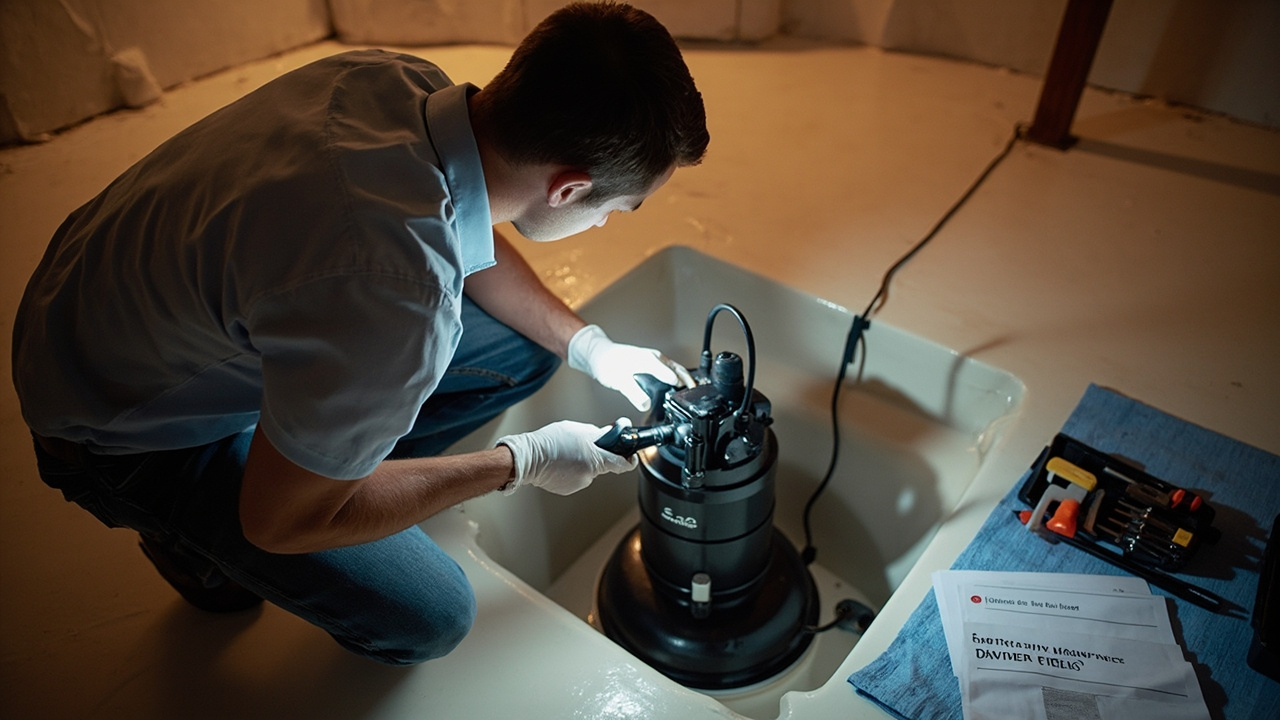
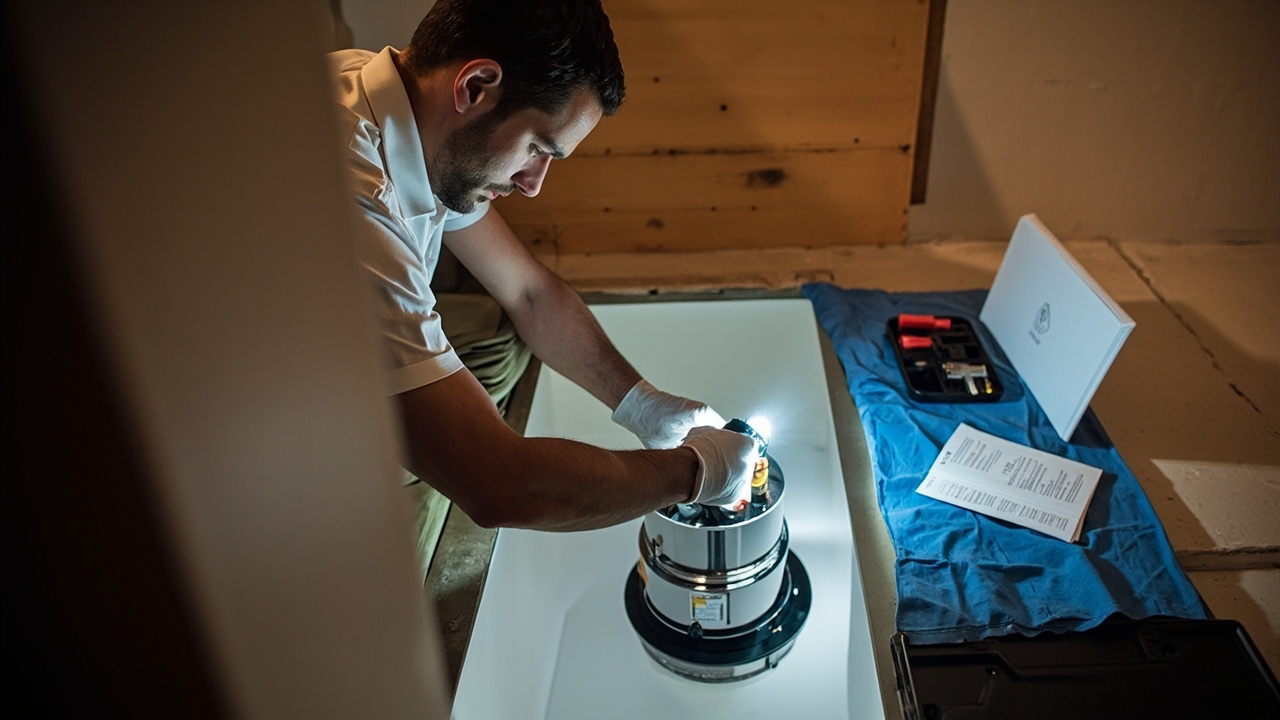
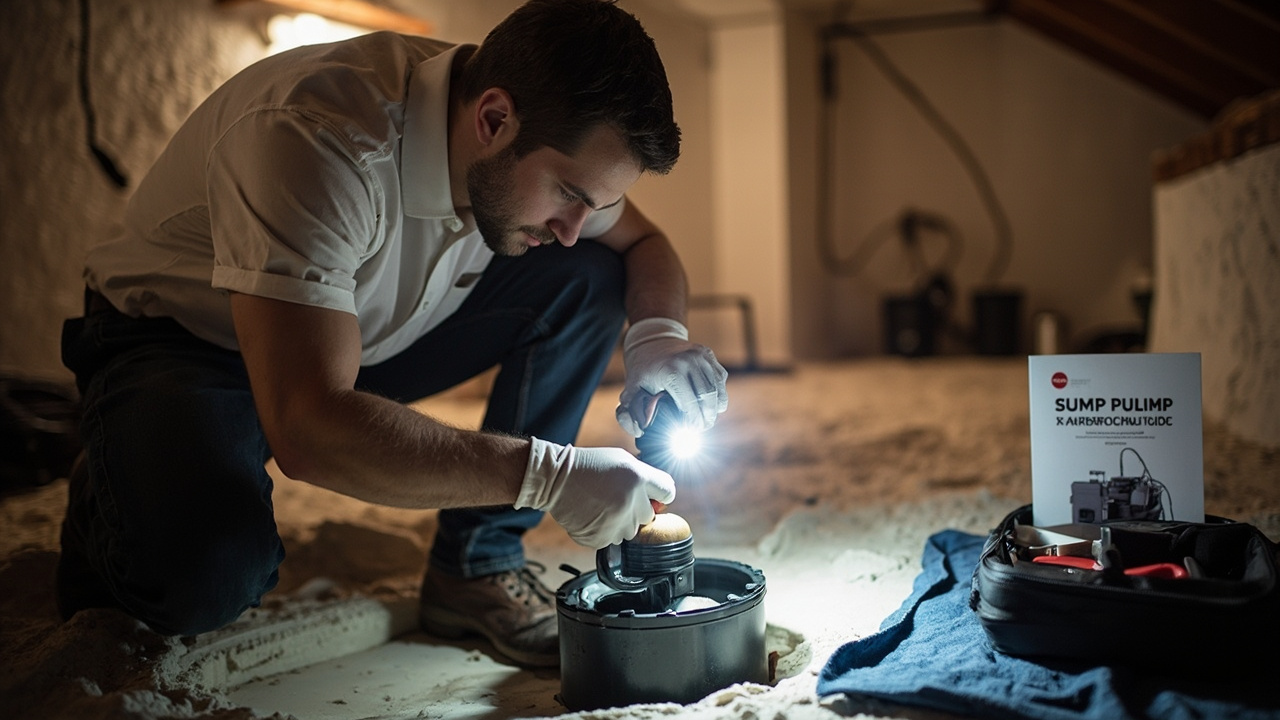
Start with a visual inspection every three months. Remove the pump cover and shine a light into the basin. Check for debris like gravel, mud, or tree roots that can jam the float switch. Richmond's clay soil often breaks apart and accumulates in the basin, creating thick sludge that prevents proper activation.

Test the float switch by pouring water into the basin until the pump activates. The motor should start within seconds and drain the basin quickly. If you hear grinding noises or the motor struggles, sediment may have damaged the impeller. A failed float switch means the pump never turns on, even as water rises.

Inspect the discharge line where it exits your home. In winter, this line can freeze and create back pressure that burns out the motor. The line should slope away from your foundation and discharge at least 20 feet from the house. Check the one-way valve to confirm water flows out but cannot return to the basin.

Clean the pump intake screen monthly during Richmond's rainy season, typically March through May and again in August. This screen prevents debris from entering the pump housing. A clogged screen forces the motor to work harder and shortens its lifespan.

Battery backup systems require separate testing. Unplug the primary pump and pour water into the basin. The backup should activate immediately. Replace backup batteries every two to three years regardless of condition.

Your Step-by-Step Sump Pump Inspection Protocol

Sump Pump Maintenance Guide in Richmond – Protect Your Home from the Next Downpour
01

Basin and Float Assessment

Remove the pump cover and inspect the basin for accumulated sediment, debris, or standing water between pump cycles. Pour water slowly into the basin while watching the float mechanism rise. The switch should trigger pump activation before water reaches the top of the basin. Clean any debris from the float arm and confirm it moves freely without sticking.
02

Motor and Discharge Testing

Listen for unusual sounds when the motor runs. Grinding indicates impeller damage from debris. Humming without pumping means a seized motor or failed capacitor. Follow the discharge pipe outside and confirm water exits forcefully and flows away from the foundation. Check for leaks at pipe joints and verify the check valve prevents backflow into the basin.
03

Backup System Verification

Disconnect power to the primary pump and activate the float switch manually. Your battery backup should engage within seconds. Monitor how quickly it pumps water and note any performance decline compared to previous tests. Test the high-water alarm if equipped. Document the test date and battery condition for future reference.

Why Richmond Homeowners Trust Local Water Damage Prevention Expertise

Richmond's unique position at the fall line creates specific challenges for basement waterproofing. Homes in neighborhoods like the Fan District, Church Hill, and Woodland Heights sit on varying elevations where groundwater behavior changes dramatically within a few blocks. A sump pump that works perfectly in one home may fail quickly in another due to differences in water table depth and soil composition.

Horizon Water Damage Restoration Richmond understands these local variables. We have responded to basement floods throughout the metro area and know which pump models handle Richmond's clay-heavy soil best. We have seen how tropical storm remnants overwhelm undersized pumps and how extended dry periods allow debris to accumulate unnoticed.

Our team knows Richmond's building codes and how they have evolved over decades. Older homes in historic districts often have sump systems added during renovations, sometimes installed incorrectly without proper basin sizing or discharge line placement. We have corrected these issues in homes across the city.

When you follow this sump pump maintenance guide, you prevent the emergency calls we receive during heavy rain events. You avoid the stress of discovering a flooded basement at 2 a.m. when every restoration company is already dispatched to other emergencies. You protect your home instead of reacting to damage.

Local expertise matters because Richmond's weather patterns, soil conditions, and infrastructure create specific risks. National chain companies send technicians who lack this neighborhood-level knowledge. They follow generic checklists that miss the details that matter here.

We share this maintenance information because educated homeowners protect their properties better. Fewer emergency floods mean more time helping people with unavoidable disasters.

What Your Sump Pump Maintenance Schedule Should Include

Inspection Frequency and Timing

Perform thorough inspections quarterly, with additional checks before Richmond's rainy seasons in spring and late summer. Test your pump at least 30 days before hurricane season begins in June. After extended dry periods, run the pump manually to prevent seal damage and motor seizure. During active weather patterns, check the system weekly. This schedule catches problems before they cause basement flooding. Monthly quick checks take five minutes and provide peace of mind.

Component Replacement Guidelines

Sump pumps typically last seven to ten years with proper maintenance, but Richmond's high water tables and frequent cycling can shorten this timeframe. Replace the pump if you notice decreased flow rate, frequent cycling, or rust on the housing. Check valves fail every three to five years and cost under $20 to replace. Battery backup systems need new batteries every two to three years. Keep replacement parts on hand during storm season so repairs happen immediately.

Performance Benchmarks to Monitor

Document how long your pump takes to drain the basin completely. Most residential pumps clear a standard 18-inch basin in under 60 seconds. Track how often the pump cycles during heavy rain. Rapid cycling every few minutes indicates an undersized basin, a plumbing leak, or a failed check valve allowing water to return. Note any changes in motor sound or vibration. These baselines help you identify declining performance before complete failure.

Professional Inspection Recommendations

Schedule a professional sump pump inspection every two years, even if your system appears to function normally. Technicians check electrical connections, test amp draw on the motor, and inspect components you cannot easily access. They verify your discharge line meets code requirements and drains to an appropriate location. Professional inspections catch early warning signs like worn bearings or corroded wiring before they cause midnight emergencies during storms.

Frequently Asked Questions

You Have Questions,
We Have Answers

What maintenance does a sump pump require? +

Your sump pump needs quarterly inspections to stay reliable. Pour a bucket of water into the pit to test the float switch and verify the pump activates. Clean the inlet screen and remove any debris from the basin. Check the discharge pipe outside your Richmond home to ensure water flows away from your foundation. Inspect the check valve to prevent backflow. Test your battery backup if you have one, especially before Richmond's spring storm season. Lubricate the motor bearings if your model requires it. Document each test date to track pump performance and catch problems early.

What is the most common problem with sump pumps? +

The float switch fails most often. This component triggers your pump to turn on when water rises in the basin. Debris, mineral buildup from Richmond's water, or mechanical wear can cause the float to stick in one position. When this happens, your pump either runs constantly or never activates when water enters the pit. Both scenarios lead to pump failure and potential basement flooding. Regular testing catches float switch problems before they cause damage. You should also watch for discharge line clogs from sediment or freezing during Richmond winters.

Does sump pump maintenance really matter? +

Yes. A working sump pump prevents thousands of dollars in water damage to your Richmond home. Clay soil common throughout Richmond expands when wet, pushing water toward your foundation. Your pump removes this water before it floods your basement. Skipping maintenance means you discover failures during heavy rain when you need protection most. Spring storms and summer downpours in Richmond can dump several inches in hours. A failed pump during these events causes immediate flooding, ruins belongings, and creates mold growth within 24 to 48 hours.

Can I put a chlorine tablet in my sump pump? +

No. Chlorine tablets damage rubber components in your sump pump, including seals and the impeller. The harsh chemicals corrode metal parts and shorten pump life. Some Richmond homeowners try this to control odors from bacteria in standing water. Instead, clean your basin with a mixture of water and vinegar. Remove debris regularly to prevent bacterial growth. If odors persist, check that your discharge line drains properly and water does not sit in the pit between pump cycles. You can install a sealed sump lid to contain smells.

What is the typical lifespan of a sump pump? +

Most sump pumps last seven to ten years with proper maintenance. Richmond's high water table and clay soil mean pumps in this area often work harder than national averages. Frequent cycling during wet seasons shortens lifespan. Budget pumps from big box stores may fail in three to five years. Higher quality pumps with cast iron components last longer than plastic models. Track your pump's age and replace it proactively before failure. If your pump runs constantly or you notice any performance changes after five years, consider replacement before the next storm season.

How much does it cost to have a sump pump serviced? +

Professional sump pump service in Richmond ranges based on the work needed. A basic inspection and cleaning takes about an hour. More involved service includes testing all components, cleaning the discharge line, and checking electrical connections. Many water damage restoration companies offer maintenance as part of annual service agreements. The cost stays far below emergency repairs after pump failure causes basement flooding. Schedule service in early spring before Richmond's heavy rain season. This timing catches problems while you still have time to make repairs or replace failing components.

What are the signs of a bad sump pump? +

Strange noises signal bearing wear or debris in the impeller. Your pump should run quietly. Grinding or rattling means immediate inspection. Constant running indicates a stuck float switch or a pump too small for water volume. Short cycling where the pump turns on and off rapidly suggests a faulty switch or check valve problem. Visible rust on the pump housing means corrosion is weakening components. Water in your basement despite a running pump means discharge line clogs or pump capacity issues. Any of these signs require immediate attention to prevent failure.

What is the #1 cause of basement flooding? +

Sump pump failure causes most basement flooding in Richmond. Heavy spring storms and summer downpours quickly overwhelm basements when pumps stop working. Clay soil throughout Richmond holds water and channels it toward foundations. Without a working pump, this water has nowhere to go except into your basement. Power outages during storms compound the problem when pumps without battery backup stop running. Foundation cracks and poor grading also contribute to flooding, but a functional sump pump handles most water intrusion if sized correctly for your home and Richmond's typical rainfall patterns.

What is the average cost to replace a sump pump? +

Sump pump replacement in Richmond depends on pump type and installation complexity. Pedestal pumps cost less than submersible models. The price includes the pump unit, installation labor, and any necessary basin modifications. Higher capacity pumps for larger homes or areas with high water tables cost more than standard residential models. Battery backup systems add to total costs but provide essential protection during power outages. Cast iron pumps outlast plastic versions. Factor in discharge line repairs or extensions if your current setup drains improperly or too close to your foundation.

Do plumbers clean sump pumps? +

Some plumbers service sump pumps, but water damage restoration specialists often have more experience with pump systems and drainage issues. Plumbers focus on supply lines and drain pipes. Restoration companies deal with water intrusion daily and understand how sump systems integrate with basement waterproofing. They spot drainage problems that contribute to pump failures. In Richmond, where clay soil and water tables create unique challenges, you want someone who knows local conditions. Choose a service provider familiar with Richmond's specific soil composition, typical rainfall patterns, and common foundation issues in older neighborhoods.

How Richmond's Clay Soil and James River Flooding Patterns Demand Vigilant Sump Pump Maintenance

Richmond sits on the transition between the Piedmont plateau and the Atlantic Coastal Plain, creating a unique geological challenge. The heavy clay soils common throughout Henrico and Chesterfield counties expand when wet and contract when dry, putting constant pressure on foundation walls. When the James River floods, as it does during tropical storms, the water table rises quickly and stays elevated for days. Your sump pump runs continuously during these events, moving hundreds of gallons per hour. A system that works fine during normal conditions may fail under this sustained demand if basic preventative sump pump maintenance has been neglected. The combination of hydrostatic pressure and high-volume groundwater intrusion makes Richmond basements particularly vulnerable.

Horizon Water Damage Restoration Richmond has responded to basement floods in every neighborhood from Stratford Hills to Highland Springs. We have extracted water from homes built in the 1920s with retrofitted sump systems and from new construction where builders installed inadequate pumps. This experience taught us which sump pump care tips actually prevent damage in Richmond's specific conditions. We know how tropical storm remnants stall over Central Virginia and dump eight inches of rain in six hours. We understand how extended summer droughts dry out clay soil, creating cracks that channel water directly to foundations when rain finally arrives. Local expertise means understanding these patterns and preparing accordingly. Following this sump pump upkeep guide protects your home using knowledge gained from decades of Richmond-specific water damage restoration work.

Water Damage Restoration Services in The Richmond Area

Horizon Water Damage Restoration proudly serves the greater Richmond area and surrounding communities. Our strategic location allows us to respond quickly and efficiently to your water damage emergencies, no matter where you are. We are committed to being a local, reliable presence for our neighbors. View our service area on the map below to see how we can reach you and provide the swift, expert service you need.

Address:
Horizon Water Damage Restoration Richmond, 1840 W Broad St, Richmond, VA, 23220

Additional Services We Offer

Our news updates

Latest Articles & News from The Blogs

Identifying Slow Leaks in Flat Roofs Common Around Sandston Flat roofs in Sandston often develop slow leaks that property owners…

Identifying Slow Leaks in Flat Roofs Common Around Sandston

Identifying Slow Leaks in Flat Roofs Common Around Sandston Flat roofs in Sandston often develop slow leaks that property owners…

Simple Ways to Redirect Rainwater Away from Your Stratford Hills Foundation

Simple Ways to Redirect Rainwater Away from Your Stratford Hills Foundation Water pooling near your foundation in Stratford Hills can…

The Damage a Burst Washing Machine Hose Can Do in Just 30 Minutes

The Damage a Burst Washing Machine Hose Can Do in Just 30 Minutes A burst washing machine hose can release…

Contact Us

Questions about your sump pump system or need a professional inspection before storm season? Call Horizon Water Damage Restoration Richmond at (804) 602-2644. Our team provides clear answers and honest assessments. Protect your basement now instead of paying for emergency restoration later.